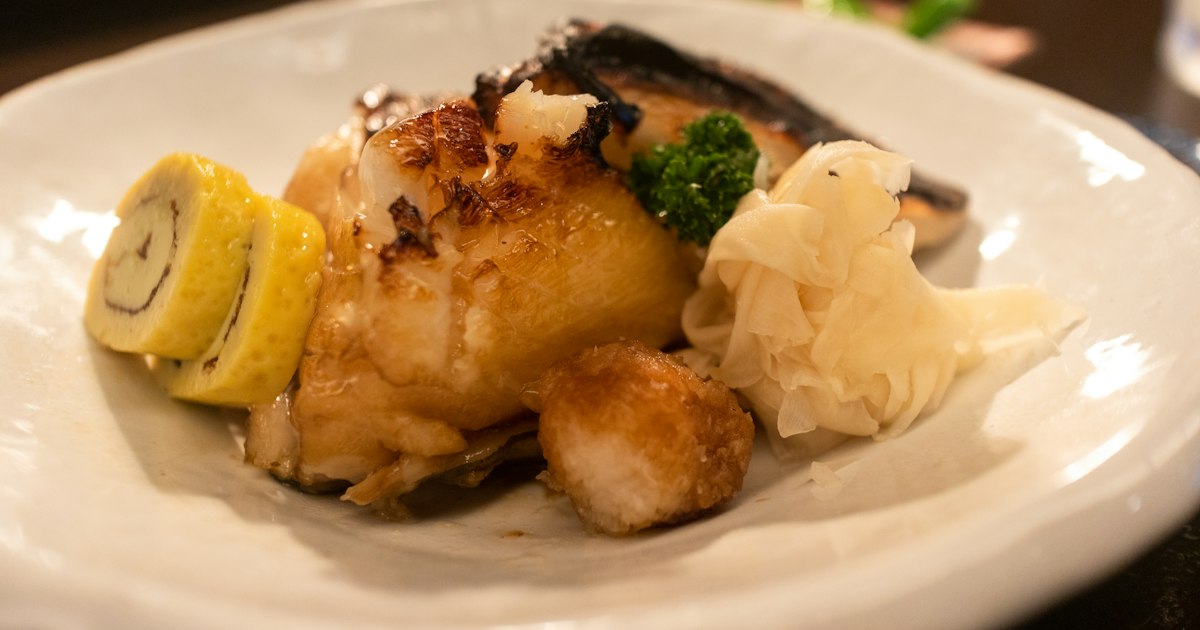
Shirako looks like nothing else on a Japanese menu — pale, lobed, and faintly translucent, somewhere between a cloud and a brain. Order it without knowing what it is and you’ll be handed a dish of cod or anglerfish milt (the male reproductive gland, essentially fish “roe” in its unfertilized, sperm-producing form) that tastes nothing like its appearance suggests: rich, custardy, faintly sweet, and barely fishy at all. It’s one of the more polarizing items on Japan’s winter menu, and also one of the most rewarding for travelers willing to order past the sashimi platter.
What Exactly Is Shirako?
Shirako (白子, literally “white child”) is the milt sac of male fish, most commonly tarako cod (tara), monkfish/anglerfish (ankou), and occasionally pufferfish (fugu). Cod shirako is by far the most common and the easiest entry point — it’s mild, soft-textured, and widely available at izakaya across the country. Anglerfish shirako, associated with Ibaraki and Shimonoseki, is richer and often served as part of an ankou nabe hot pot course. Fugu shirako is the luxury version — it’s only legal to sell from fish processed by licensed fugu handlers, so it shows up almost exclusively at specialist fugu restaurants, typically in Shimonoseki or high-end Tokyo/Osaka counters, and commands a serious premium precisely because of that licensing requirement.
Texture is the whole point. Properly prepared shirako should be creamy and slightly gelatinous on the outside with a soft, almost custard-like interior when lightly cooked — think of a savory, oceanic panna cotta. Overcooked shirako turns grainy and loses the quality people actually seek it out for, which is why where you order it matters as much as what you order.
The Best Season to Eat It
Shirako is strictly a cold-weather food. Cod milt season runs roughly from November through March, with peak quality in January and February when the fish are fully mature before spawning. Outside that window, menus either drop it entirely or serve a frozen version that’s noticeably inferior in texture. If shirako is a priority for your trip, build your visit around a winter itinerary — the same months that make onsen towns like Kirishima’s hot spring villages most appealing are exactly when shirako is at its best, since both follow Japan’s winter dining calendar of hot pots and warming dishes.
How It’s Served
There are four common preparations, and each suits a different kind of first-timer:
- Shirako ponzu — lightly blanched, chilled, and served with grated daikon and ponzu citrus sauce. This is the gentlest introduction: the acidity cuts the richness and the cold temperature keeps the texture firm and clean. Order this first if you’re unsure.
- Yaki shirako (grilled) — brushed with salt or a light soy glaze and grilled until the outside crisps slightly while the inside stays molten. This is the most popular izakaya version.
- Shirako tempura — battered and deep-fried, which disguises the texture almost entirely and is a good option for travelers dining with hesitant companions.
- Shirako nabe — added raw to a simmering hot pot in the final minutes, where it gently poaches in the broth. If you order this, don’t skip the finishing rice porridge; shirako enriches the broth considerably, and finishing with zosui is the traditional way to use every bit of that flavor.
Where to Try It: Budget, Mid-Range, and Splurge
Budget (¥500–900 per small plate): Chain izakaya like Torikizoku-style pubs and regional izakaya groups often list yaki shirako or shirako ponzu as a seasonal small plate in winter. Tsukiji Outer Market in Tokyo (most stalls open roughly 5am–2pm, with many closed Wednesdays and Sundays — check individual shops, as hours vary stall by stall) has several standing-counter seafood grills where a skewer or small cup of grilled cod shirako runs ¥400–800, making it an easy, low-commitment way to try it between browsing stalls.
Mid-range (¥1,500–4,000 per course item): Seafood-focused izakaya near fish markets — in Tokyo’s Toyosu and Tsukiji area, Hokkaido port towns, and Kanazawa’s Omicho Market — tend to serve the freshest cod shirako because it arrives with the day’s catch. Kanazawa in particular is known for high-quality Sea of Japan seafood in winter, and a shirako dish there is a natural pairing with the kind of multi-course seasonal menus described in our kaiseki ryori guide, since many kaiseki restaurants rotate shirako into a winter course as a seasonal nod.
Splurge (¥6,000 and up): Dedicated ankou (anglerfish) restaurants in Ibaraki Prefecture or fugu specialists in Shimonoseki serve shirako as part of a full hot pot or kaiseki-style set, where the shirako itself might be a single component of a ¥10,000–20,000 multi-course meal built around that one fish. This is the version to seek out if you want shirako at its absolute best rather than as a side dish — the fish is typically processed same-day by chefs licensed specifically to handle it.
Common Mistakes First-Timers Make
The biggest mistake is ordering shirako cold from a convenience store or supermarket fish counter expecting restaurant quality — pre-packaged shirako is often intended for home cooking (usually simmered in miso soup or added to hot pot) and isn’t meant to be eaten as-is. Another common error is assuming all shirako tastes the same: cod shirako is mild and slightly sweet, while anglerfish shirako is denser and more savory, closer to foie gras in richness. Finally, don’t judge the dish by appearance alone or ask your server to describe it in English before ordering — most izakaya staff are used to the question and will happily explain or recommend the ponzu version if you seem unsure, which is a far better first experience than committing to a hot pot portion on a gamble.
Buying Shirako to Cook at Home
Fresh shirako doesn’t travel well and isn’t something to bring home in luggage, but it is sold frozen or vacuum-packed at Japanese supermarkets and specialty fish shops during winter months, usually labeled たらの白子 (tara no shirako) for cod. If you want a Japanese winter seafood souvenir that actually survives the trip home, canned or shelf-stable alternatives are the more practical choice — the same impulse that makes shirako worth seeking out while you’re in Japan is well served by picking up a few tins from our guide to Japan’s gourmet canned mackerel, or stopping by a himono dried fish shop for something you can actually pack in a suitcase.
Shirako isn’t for everyone, and that’s part of its appeal — it’s one of the few dishes in Japan that genuinely rewards curiosity over caution. Order the ponzu version on a cold winter evening at a neighborhood izakaya, and you’ll understand why regulars order it on repeat rather than as a one-time dare.