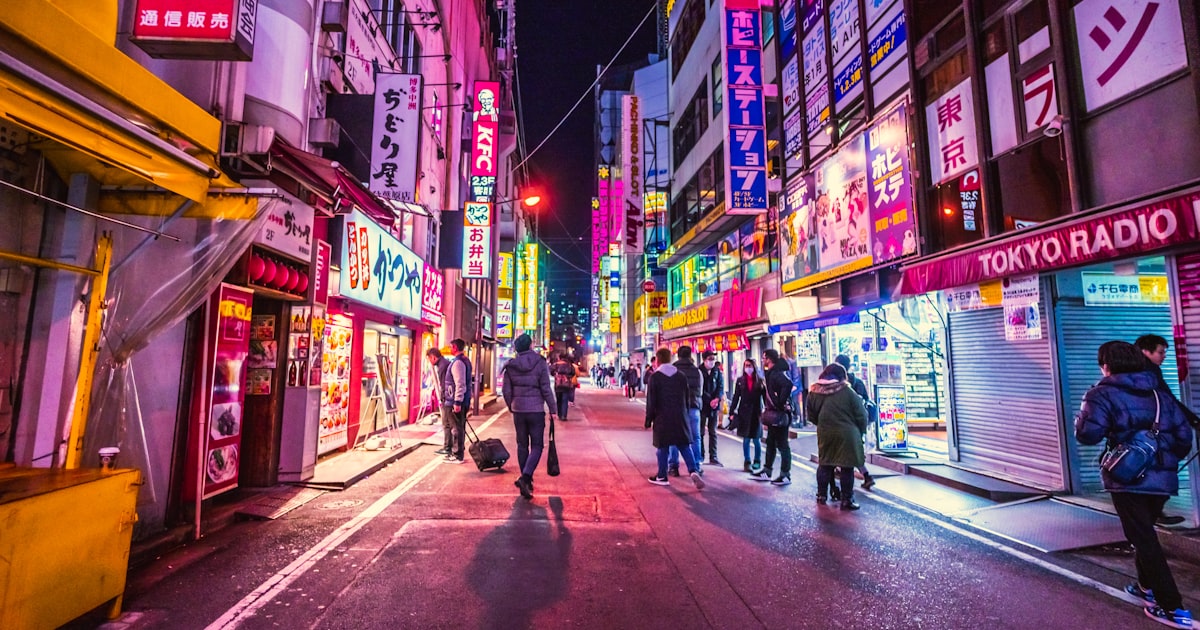
Photo by Jezael Melgoza on Unsplash
If Akihabara feels like a neon-lit assault on the senses these days — all duty-free electronics shops and tourist-oriented maid cafes — Nakano Broadway is what otaku culture looked like before it became a global brand. This four-story shopping complex in a quiet residential neighborhood west of Shinjuku has been the beating heart of Japan’s collector scene since the 1980s, and it’s still where serious buyers go for vintage toys, out-of-print manga, and idol merchandise you won’t find anywhere else.
What Is Nakano Broadway?
Built in 1966 as a upscale residential and shopping complex, Nakano Broadway has evolved into a warren of roughly 300 small, independently run shops packed into four floors above a covered arcade. The building itself is unassuming — even a little worn around the edges — which is exactly why long-time collectors prefer it. There’s no single “store”; instead you’re browsing dozens of specialist stalls, many run by a single owner who has spent decades building a reputation in one narrow niche: 1970s tokusatsu figures, Showa-era tin toys, shojo manga first editions, or bromides (photo cards) of retired idols.
The anchor tenant is Mandarake, the used-goods chain that essentially built its empire here before expanding nationwide. Mandarake doesn’t operate as one shop in Nakano Broadway — it runs upward of 25 separate specialized outlets scattered across the complex, each focused on a specific category (shonen manga, doujinshi, vintage toys, cosplay, idol goods, cel animation art, and more). Learning to navigate which Mandarake shop sells what is half the fun.
Getting There
Nakano Station is one stop past Shinjuku on the JR Chuo Line (about 5 minutes on a rapid train) and is also served by the Tokyo Metro Tozai Line. From the station’s north exit, walk straight through the covered Nakano Sun Mall shopping arcade — about 5 minutes — and Nakano Broadway is at the far end. If you’re using a Suica or Pasmo IC card for your trip, our guide on how to get around Tokyo covers exactly how these cards work on the JR and Metro lines you’ll need. The Sun Mall arcade itself is worth a slow walk — cheap sushi counters, a 100-yen shop, and old-school snack stands make it a good spot to fuel up before diving into the collectibles floors.
What You’ll Find on Each Floor
The ground and second floors lean toward general shopping — jewelry, clothing, and a scattering of hobby shops — but from the second floor up it shifts hard into collector territory. Vintage toy shops cluster with Ultraman, Godzilla, and Gundam figures from the 1960s through 1990s; manga specialists stock everything from 100-yen bargain-bin volumes to sealed first-print runs worth tens of thousands of yen; and idol-goods shops sell everything from used concert merchandise and photo cards to out-of-print CDs from disbanded groups. There are also dedicated shops for retro video games and consoles, military and airsoft collectibles, watches, and even a few specializing in horror and adult-oriented collectibles (clearly labeled, generally on upper floors). Most individual shops are tiny — some barely larger than a closet — so expect to duck in and out of a lot of doorways rather than browsing one continuous space.
What to Expect to Pay
Prices vary enormously by category and condition. Used manga volumes commonly run ¥100–¥300 each in bulk bins, while complete rare sets or first-edition volumes with obi (paper bands) can run into the tens of thousands of yen. Vintage tin toys and Showa-era character figures typically start around ¥1,000–¥3,000 for common items, but well-preserved rare pieces (a boxed 1960s Ultraman figure, for instance) can fetch ¥30,000–¥100,000 or more. Idol goods are similarly wide-ranging: loose photo cards can be had for a few hundred yen, while limited concert merchandise or discontinued CDs/DVDs from popular groups can command a premium from resellers. Because most shops are independently owned, prices aren’t standardized — the same figure might be ¥2,000 cheaper two doors down, so it pays to walk the whole floor before buying.
Opening Hours and Best Time to Visit
Most shops, including Mandarake’s outlets, open around noon and close around 8:00 PM — this is not a morning destination. Weekday afternoons (Tuesday through Friday) are noticeably quieter than weekends, when local collectors and increasing numbers of international visitors crowd the narrow aisles. Because the whole complex is indoor and air-conditioned, it’s also a smart escape during Tokyo’s brutal midsummer heat — if you’re visiting during the season covered in our guide to Japan in summer, an afternoon here is a comfortable alternative to walking outdoor markets. Avoid public holidays and the first weekend of any month if you want elbow room, since that’s when new stock and rare drops tend to bring in serious collectors.
Common Mistakes to Avoid
- Expecting one big store. Treating Nakano Broadway like a department store means you’ll miss most of it. Budget at least 2–3 hours and expect to backtrack floors as you spot shop directories.
- Assuming cards work everywhere. Many of the smallest independent shops are still cash-only, even though the larger Mandarake outlets accept cards and sometimes IC card payment. Carry enough yen in cash to avoid missing out on a find because the shop can’t process your card.
- Not checking export/authenticity concerns. Some vintage toys and figures are extremely fragile or have reproduction parts; ask shop staff directly (many have some English) about originality before paying premium prices for rare items.
- Skipping the smaller floors. Casual visitors gravitate to the manga and toy shops near the entrance, but some of the best idol-goods and retro game finds are tucked into the quieter upper floors.
Budget, Mid-Range, and Splurge Strategies
On a tight budget, stick to the used-manga bargain bins and general toy bins where individual items run ¥100–¥1,000 — you can walk away with an armful of nostalgic finds for under ¥3,000. Mid-range shoppers should focus on complete, boxed figures or idol merchandise in the ¥3,000–¥15,000 range, which is where condition and completeness (original box, instructions, accessories) matter most for resale value. If you’re ready to splurge, the rarest items — first-edition manga sets, mint-condition 1960s tokusatsu figures, or discontinued idol collector’s editions — live in glass cases and often require asking staff to bring them out; these can run ¥50,000 and well beyond for true grails. Whatever your budget, Nakano Broadway rewards patience over speed, so don’t rush your first visit.