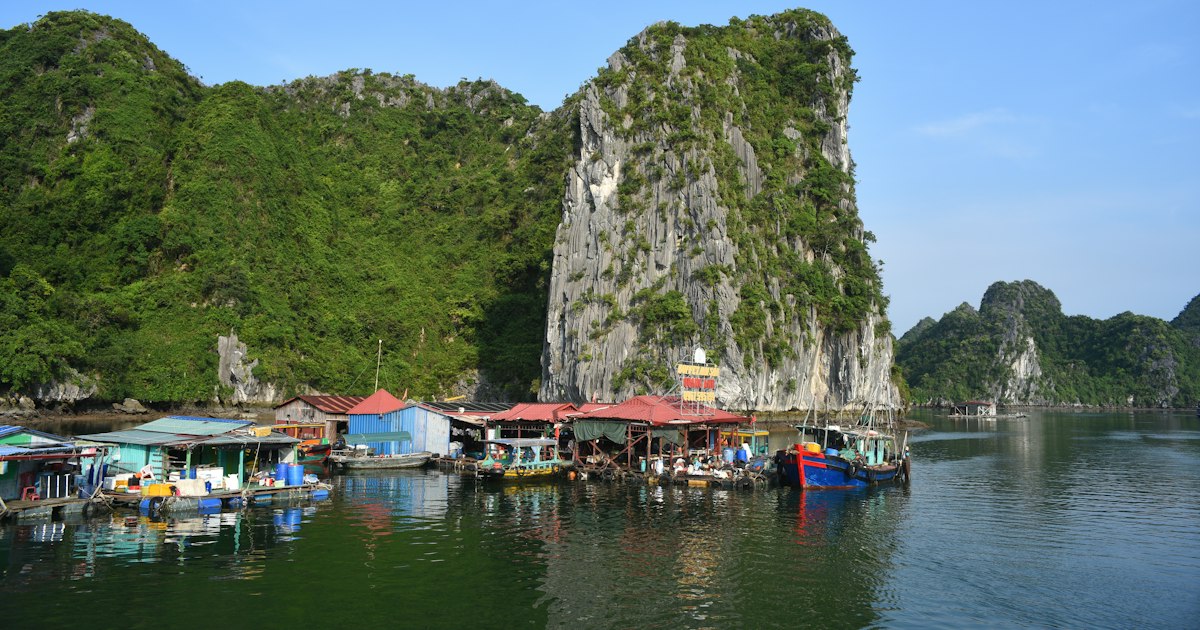
Photo by Ama Journey on Unsplash
Japan has two islands where cats outnumber people by a wide margin, and both are real, working fishing communities rather than tourist stage sets. Aoshima in Ehime Prefecture and Tashirojima in Miyagi Prefecture are on opposite ends of the country, each reachable only by a small local ferry, and each with its own quirks around timing, food, and etiquette. This guide covers what you actually need to know before you go — schedules, costs, and the mistakes that turn a magical day trip into a stranded afternoon.
Aoshima vs. Tashirojima: which one fits your trip
Aoshima sits in the Uwakai Sea off Ozu City in Ehime, on Shikoku — a good add-on if you’re already exploring the Seto Inland Sea or heading toward Matsuyama. It’s tiny, has almost no infrastructure, and is best visited as a half-day trip. Tashirojima sits in Ishinomaki Bay in Miyagi, about an hour from Sendai, and is more visitor-ready: it has a cat shrine, a small cluster of cat-shaped guest cabins, and a slightly more forgiving ferry schedule.
If you’re on a Tokyo-Tohoku itinerary, Tashirojima is the easier stop. If you’re doing a Shikoku or Seto Inland Sea loop — perhaps combining it with the art islands covered in our guide to the Setouchi Triennale — Aoshima fits naturally into that route.
Getting to Aoshima: ferries from Nagahama Port
Aoshima is reached from Nagahama Port in Ozu City. Nagahama Station is on the JR Yosan Line, about 20–30 minutes by local train from Iyo-Ohzu (itself roughly an hour from Matsuyama). From Nagahama Station it’s a short walk to the port.
The ferry to Aoshima runs only twice a day in each direction — typically a morning departure around 8:00 and an early-afternoon departure around 14:00, with return sailings about 30–40 minutes after arrival. The crossing itself takes roughly 35–45 minutes. A round trip costs in the ballpark of ¥1,000–1,500 per adult; buy your ticket at the small counter at the port, not online. Because there are only two boats a day, missing one means either a very long wait or spending the night with no lodging on the island — check the current timetable at the port or with Ozu City tourism before you go, since sailings are sometimes reduced in bad weather or off-season.
Aoshima itself has no shops, no vending machines, and no restaurant. There is no accommodation. Bring your own water and snacks, and plan your visit entirely around the return ferry time.
Getting to Tashirojima: ferries from Ishinomaki
Tashirojima is reached from Ishinomaki, about an hour from Sendai by the JR Senseki Line or Ishinomaki Line. From Ishinomaki Station, it’s roughly a 15-minute walk (or a short taxi ride) to the ferry terminal near the old Ishinomaki fishing port.
Ferries run several times a day, more frequently than Aoshima’s, with the crossing taking about 25–45 minutes depending on which of the island’s two ports — Odomari or Nitoda — the boat calls at. One-way fares are generally in the ¥1,500–2,000 range. Odomari, on the south side, is where most cats congregate near the harbor and where the island’s cat shrine, Neko-jinja, sits on a small hill. Nitoda, on the north side, is quieter and closer to the “Manga Island” cat-shaped cabins.
Because Ishinomaki also has real sightseeing (it’s a major Tohoku fishing port with its own manga museum, tied to hometown artist Shotaro Ishinomaki), you can comfortably build a full day around the ferry crossing rather than rushing back for a single afternoon boat.
Best season and timing for a cat island day trip
Spring and autumn are the most comfortable seasons for both islands — mild temperatures make the walk around the harbor and hillside paths far more pleasant, and cats tend to be more active and visible outdoors rather than hiding in the shade. Midsummer visits are workable but hot and humid, with cats often napping in whatever shade they can find during the middle of the day; aim for the first ferry over if you’re going in July or August.
Winter is quieter and colder, but cats still gather around the harbor, especially where locals feed them, so it’s not a bad option if you’re already in the region. Whatever the season, go early: cats are generally most active in the morning and get sleepier as the day warms up, and an early ferry gives you a buffer if the return schedule is tight.
Rules, etiquette, and common mistakes
Both islands are inhabited, working communities with a handful of mostly elderly residents — not open-air zoos. A few practical rules matter:
- Don’t feed the cats without asking. Locals manage feeding on a schedule; random treats or people-food can make cats sick and create conflict with residents who care for them daily.
- No dogs on Tashirojima. This is a long-standing local rule tied to the island’s identity as a cat sanctuary — leave pets at home.
- Bring cash and supplies. Neither island has convenience stores or ATMs. Aoshima in particular has nothing at all — no toilets beyond a very basic one near the port, no food for sale.
- Don’t miss the last ferry. This is the single biggest mistake visitors make. With only two sailings a day on Aoshima, arriving five minutes late to the dock can mean waiting hours or missing the last boat entirely. Set an alarm and head back with real margin.
- Watch for strays that aren’t strays. Cats can look scruffy but almost all are cared for by residents or volunteer groups — don’t attempt to “rescue” or take one home.
Where to stay, eat, and spend
Budget: Both islands are best done as day trips with zero on-island spending beyond the ferry fare — pack a convenience-store lunch from Nagahama or Ishinomaki before boarding. If you need a cheap base for an early ferry, Ishinomaki and Sendai both have manga kissa where you can crash overnight for a fraction of a hotel rate.
Mid-range: On Tashirojima, the “Manga Island” cat-shaped cabins near Nitoda port (designed by manga artists and run through the local tourism association) let you actually stay overnight on a cat island — a genuinely unusual experience, typically booked in advance through Ishinomaki’s tourism office rather than standard hotel sites. Expect a simple, no-frills stay rather than a resort.
Splurge: There’s no luxury lodging on either island by design — the closest thing to a splurge is chartering a private boat from Nagahama or Ishinomaki if you want flexible timing outside the scheduled ferries, which local operators can sometimes arrange for a negotiated fee.
If you visit Neko-jinja on Tashirojima, it’s a genuine Shinto shrine, so treat it with the same respect you would any other — a small coin offering is appropriate, and if you’re collecting shrine amulets on your trip, it’s worth reading up on omamori before you go so you know what you’re buying and how to use it.
Planning the rest of your trip around it
Aoshima pairs naturally with a wider Shikoku or Seto Inland Sea itinerary, including the art-island hopping of the Setouchi Triennale region. Tashirojima pairs well with Sendai and the Tohoku coast. If you’re traveling long distances between these regions and Tokyo, it’s worth checking whether a sleeper train or a Green Car seat makes sense for the long-haul leg, since both cat islands are genuinely remote detours rather than convenient stopovers — the payoff is a day spent somewhere almost no other foreign visitor bothers to reach.