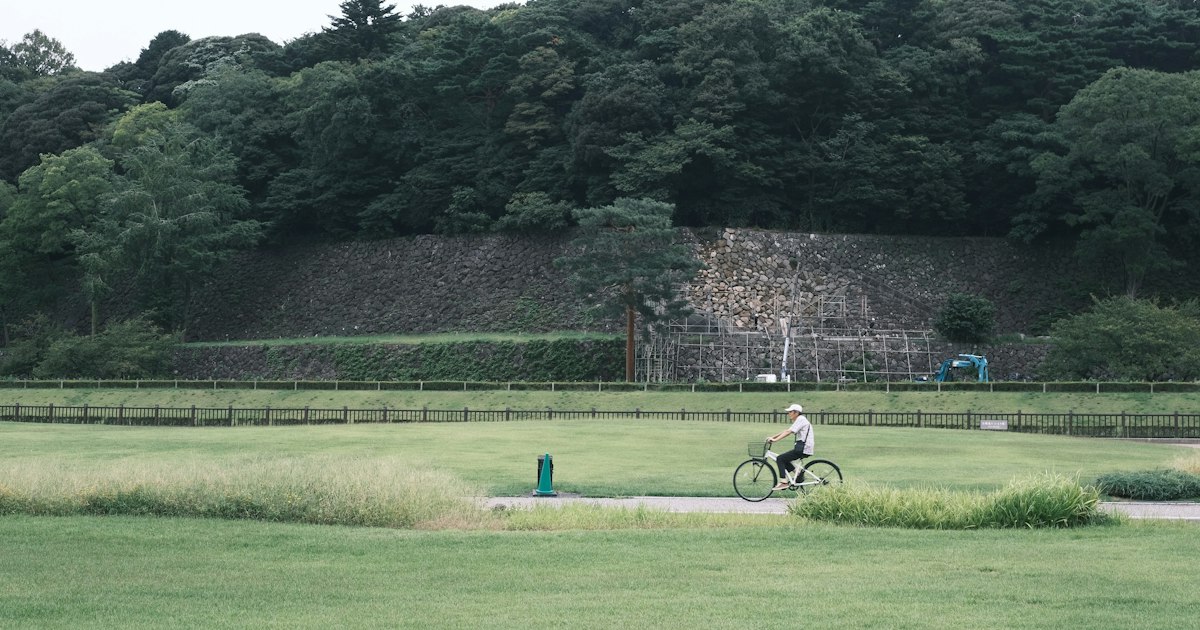
Photo by Seongho Jang on Unsplash
Japan has thousands of public tennis courts tucked into city parks, river-side sports grounds, and school-adjacent recreation centers — but almost none of them were designed with a two-week tourist in mind. Booking systems are built around monthly lotteries for local residents, payment machines are in Japanese, and court surfaces vary enough that the wrong shoes can get you turned away at the gate. None of that means you can’t play. It just means you need to know which doors are actually open to a visitor with no Japanese address or phone number. Here’s how the system really works, what it costs, and how to get an hour of court time without wasting a morning on a reservation site that won’t accept you.
How Japan’s Public Court System Is Organized
Public courts fall into three tiers, and the tier determines how hard it is to book one as a visitor.
- Municipal (ward/city) courts — run by a ward office or city sports division, usually attached to a park or school. These almost always use an advance lottery (chusen) system that residents enter a month or more ahead using a local registration number.
- Metropolitan/prefectural park courts — larger facilities like Tokyo’s Komazawa Olympic Park or Osaka’s Utsubo Park, run by the prefecture’s park authority. Same lottery logic applies for peak weekend slots, but many of these parks also hold back a block of courts for same-day, first-come, first-served use.
- Private sports clubs and indoor facilities — commercial courts that charge per hour or per session with no residency requirement at all. These are the most tourist-friendly by far.
The practical takeaway: public park courts are cheap but unreliable for a short trip; private facilities cost more but you can usually walk up and book same-day.
The Booking Reality for Visitors: Lottery vs. Same-Day
Most municipal online reservation portals require either a resident registration number or a Japanese mobile number to create an account, which locks out most tourists before they even see available slots. The workaround that actually functions in person is the same-day reception window (当日受付, tōjitsu uketsuke) that many park courts hold open — typically a handful of courts released each morning, assigned on a first-come basis at the facility’s reception counter starting around 8:30–9:00 AM. You show up, check the board or ask staff, pay in cash, and play within the hour.
This works far better on weekday mornings than weekend afternoons, when locals queue early for the same slots. If your trip includes a weekday, that’s your best shot at a public court. For weekends, don’t plan around a specific municipal court — treat any success there as a bonus and have a private club as your backup.
What It Actually Costs
Budget (public park courts): Outdoor hard or omni courts at municipal and metropolitan parks generally run in the ¥300–¥1,000 per hour range for a full court (not per person), with clay and newer all-weather surfaces at the higher end. Payment is almost always cash at a staffed counter or ticket machine — don’t count on a card reader.
Mid-range (private clubs and sports centers): Indoor or well-maintained outdoor courts at commercial sports clubs typically charge ¥2,000–¥4,000 per hour per court, with no membership or residency requirement for drop-in guests. Racket rental, when offered, usually adds ¥500–¥1,000, and ball-machine or lesson add-ons cost extra.
Splurge (resort hotel courts): Larger resort hotels, especially ones in Karuizawa, Hakone, and parts of Okinawa, maintain their own courts for guests and sometimes outside visitors, with hourly rates from roughly ¥3,000 up to ¥6,000+ if coaching or private instruction is bundled in. These are the easiest to book in English, usually through the hotel concierge rather than a public portal.
Best Season and Time of Day to Play
Spring (late March–May) and autumn (September–November) are the sweet spot — daytime temperatures sit comfortably in the 15–25°C range and courts aren’t baking. Summer (July–August) brings heat and humidity that make midday play genuinely uncomfortable and occasionally restricted by heat-advisory closures at public facilities; if you’re playing in summer, book the earliest morning slot you can get or go after 6 PM when evening sessions open under lights at larger parks. Winter is workable on clear days but courts can be booked solid during the limited window of comfortable afternoon sun, and some unheated indoor facilities get genuinely cold — not unlike the reason renters reach for a denki mofu at home during a Japanese winter.
Getting to the Courts and What to Bring
Most park courts sit a 10–15 minute walk from the nearest train or subway station, and signage at the park entrance (not always in English) will point to the tennis section. Renting a bicycle is a convenient way to combine a court session with sightseeing nearby, but be careful where you leave it — unauthorized parking near park entrances is one of the most common ways visitors rack up avoidable fines, as covered in our guide to bicycle parking impoundment in Japan. If mobility is a concern, a wheelchair-accessible taxi booked through one of the apps covered in our guide to accessible taxis is a reliable way to reach courts that sit outside convenient train access.
On gear: bring your own racket if you have one, since rental stock at public courts is limited or nonexistent — private clubs are more likely to rent. Shoes matter more than players expect: hard courts generally require clean non-marking soles, and clay or omni (all-weather granular) courts often post signs barring standard street-style sneakers with deep tread. Staff do check, and showing up in running shoes is a common reason visitors get stuck watching instead of playing.
Common Mistakes Tourists Make
- Assuming any court is bookable same-day. Many are lottery-only with no walk-in option at all — call or check the facility page before showing up.
- Not carrying cash. Public facilities rarely take cards, and ticket machines often don’t accept foreign-issued cards either.
- Ignoring surface-specific shoe rules. This is the single most common reason for being turned away at a public court gate.
- Targeting weekend prime time. Saturday and Sunday mornings and early evenings are the most contested slots nationwide; weekday mid-morning is dramatically easier.
- Skipping the backup plan. If your trip window is short, book a mid-range private club in advance rather than gambling the whole day on a public court lottery you can’t enter.
With a little planning around the lottery-vs-walk-in divide, tennis is a genuinely doable addition to a Japan itinerary — and a nice contrast to a day of temples, shopping, or food touring if you just want to move your legs and sweat out the jet lag.