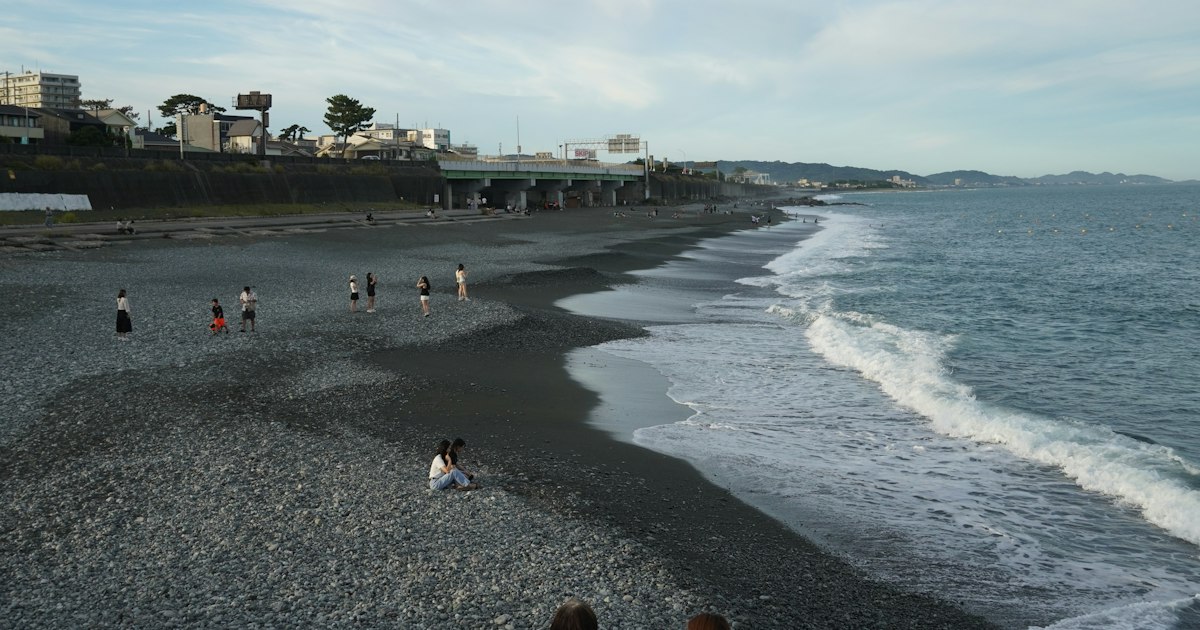
Photo by sabari nathan on Unsplash
If you’re staring at a map of Tokyo wondering where to find real sand, real waves, and a genuine change of pace without burning a whole vacation day on transit, Kujukuri Beach is the answer most Tokyoites already know. It’s a roughly 60-kilometer arc of sandy coastline on the Pacific side of Chiba Prefecture, stretching from Cape Inubosaki near Choshi down through nine towns to Otaki. It’s one of the longest unbroken beaches in Japan, it hosted the surfing competition at the 2020 Tokyo Olympics, and depending on which station you get off at, it can feel like a laid-back surf town or a quiet family swimming spot. Here’s how to actually plan the trip.
Getting There: Trains, Limited Express, and Driving
The fastest way from central Tokyo is the JR Limited Express Wakashio, which runs from Tokyo Station (via the Keiyo Line platforms) directly to Kazusa-Ichinomiya Station in about 70–80 minutes. A reserved seat runs roughly ¥2,980–3,300 one way depending on distance and season, and there are around 6–8 departures a day, so it’s worth checking the timetable before you leave rather than assuming you can just show up.
The budget route is local trains: take the JR Sobu Line rapid from Tokyo to Chiba (about 45 minutes, around ¥660), then switch to the JR Togane Line toward Oamishirasato, and transfer again for Kazusa-Ichinomiya or Mobara depending on your target beach. It’s slower — closer to two hours total — and these rural lines run infrequently, sometimes just one or two trains an hour, so build in slack. Total one-way cost is usually under ¥2,000.
Driving is the most flexible option if you want to hit multiple access points in one day: from central Tokyo via the Ken-O Expressway and the Kujukuri Toll Road, it’s about 1.5–2 hours depending on traffic, with tolls of roughly ¥2,000–3,000 one way. Narita Airport is also only about 40–50 minutes by car from the northern part of Kujukuri, which makes this a smart last stop before a flight if you’ve got a late departure and a rental car to return near the airport.
Best Time to Visit: Swimming Season, Surf Season, and Jellyfish Warnings
Official swimming season (umi-biraki) generally runs from early July through late August, which is the only window when lifeguards staff the designated swimming zones and water is reliably warm (around 24–27°C). Outside that window, or outside the flagged zones, you’re swimming at your own risk — Kujukuri has a notoriously strong shore break and rip currents, and unguarded stretches are not casual wading spots.
From mid-August onward, jellyfish (kurage) start showing up in numbers, and lifeguards will close swimming zones when they’re present, even mid-season. If you’re planning a swim-focused trip, aim for July into the first half of August rather than late summer.
Surfers come year-round. Autumn (September–October) brings good typhoon swell, and winter delivers consistent northeast groundswell, but water temperature drops enough by December–March that a 3mm–5mm wetsuit is necessary. Summer is the easiest season for beginners — warm water, smaller, friendlier waves, and the most rental shops open.
Surfing at Kujukuri: Lessons, Rental, and the Olympic Beach
The best-known stretch for surfing is Tsurigasaki Beach in Ichinomiya Town, right near Kazusa-Ichinomiya Station, which was the official venue for Olympic surfing in 2021 (postponed from 2020). It’s lined with surf shops that cater to both serious surfers and total beginners.
Board and wetsuit rental typically runs ¥3,000–5,000 for a half day, and a beginner group lesson is usually ¥6,000–8,000 including gear, lasting about 2 hours. Most shops take walk-ins in summer but it’s worth calling ahead on weekends, when local surfers and Tokyo day-trippers both show up. Many shops are cash-only or have unreliable card readers, so carry yen.
Where to Eat and What to Buy
Chiba’s Pacific coast is known for hamaguri clams, and Kujukuri-area restaurants serve them grilled, steamed in sake, or in clam udon and clam rice bowls for roughly ¥1,500–2,500. The region is also a major producer of iwashi (sardines), so look for iwashi tsumire (fish cake) soup or fried iwashi set meals at small seaside restaurants near Oamishirasato and Mobara.
If you’d rather pack a simple beach lunch, stock up at a convenience store near the station before heading to the sand — there’s a limited number of beachfront shops, and they get crowded in summer. If you can’t read the kanji on rice ball wrappers, our guide to decoding onigiri fillings is worth a quick look before you grab a few for the beach.
The Kujukuri area also sits on a natural gas field with iodine-rich brine, and several hotels and ryokan tap into it for small onsen baths — a nice way to rinse off salt and sand with something more interesting than a shower.
Common Mistakes to Avoid
- Treating it as one beach. Kujukuri spans nine municipalities — Choshi, Asahi, Shirako, Ichinomiya, Mobara, Chonan, and Otaki among them — each with different access, crowd levels, and amenities. Pick a station based on whether you want surfing (Kazusa-Ichinomiya), swimming (check which beaches have lifeguards that season), or quiet scenery, not just “Kujukuri” in general.
- Ignoring the current. The shore break and rip currents here are real; swim only in flagged, lifeguarded sections during official beach season.
- Assuming frequent trains. The Togane Line and connecting local lines can run just once or twice an hour. Check return times before you settle in for the afternoon.
- Underestimating the day. Door-to-door, this is a 3–4 hour round trip minimum from central Tokyo. It works well as a dedicated day trip, but it’s tight if you’re also trying to see something else in Tokyo the same day.
- Not carrying cash. Small surf shops, food stalls, and some parking lots near the beach are cash-only.
Budget, Mid-Range, and Splurge Options
On a budget, take local trains to Oamishirasato or Mobara, bring your own towel and snacks, and use free public beach access — total transport cost is often under ¥4,000 round trip, and the beach itself is free.
For a mid-range day, ride the Wakashio limited express to Kazusa-Ichinomiya, rent a board and take a lesson (¥6,000–8,000), and finish with a hamaguri clam lunch — figure roughly ¥12,000–15,000 all in for transport, surfing, and food.
If you want to extend it into an overnight trip, several beachfront hotels and ryokan in Ichinomiya and Oamishirasato offer sea-view rooms with their own gas-brine onsen, and there are a handful of glamping sites nearby for a step up from a tent without full hotel prices. If you’re renting a bicycle at the station to reach beach access points more easily, just make sure you park it in a designated zone — our guide on bicycle parking impoundment rules in Japan explains how quickly an improperly parked rental can get hauled away. Travelers who need an accessible vehicle from the station to the shoreline should also check our rundown of booking a wheelchair-accessible taxi in Japan, since rural stations like these don’t always have accessible taxis waiting curbside.