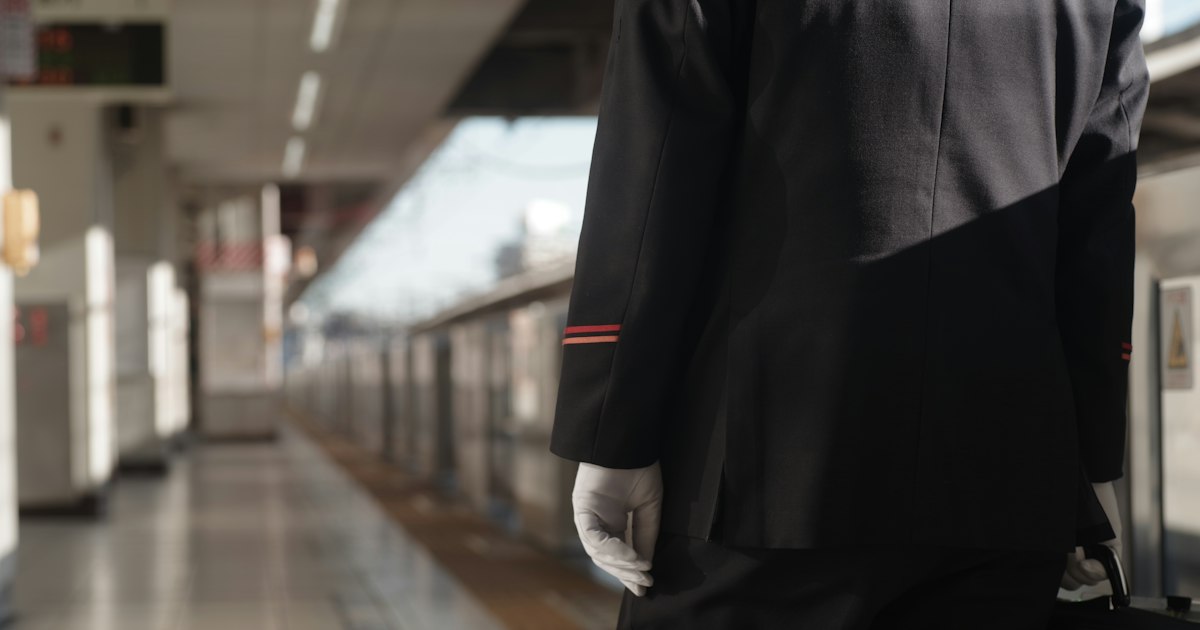
Photo by Hiroshi Tsubono on Unsplash
The call usually comes with almost no warning: a colleague’s parent has passed, or a host family member, or the parent of your child’s classmate, and you’re expected at a wake tomorrow evening. In Japan, funerals move fast, and showing up in “nice dark clothes” isn’t enough — there’s a specific, fairly rigid dress code called mofuku (喪服), and getting it wrong is noticed. Here’s how foreign residents actually solve the mofuku problem, and when renting beats buying.
Why This Catches So Many Foreign Residents Off Guard
Japanese funerals traditionally happen quickly — often within two or three days of a death — though in recent years, especially in the greater Tokyo area, a shortage of crematorium slots means families increasingly wait four days or longer. Either way, you rarely get more than a day or two of notice for the wake (otsuya) and funeral (kokubetsushiki). Most long-term foreign residents simply never had a reason to own mofuku, and most short-term visitors obviously don’t pack it. The result is a genuine scramble, usually solved one of two ways: borrow/rent something fast, or buy a basic set you’ll keep for next time.
What a Correct Mofuku Wardrobe Actually Includes
Japanese mourning etiquette is specific about materials and shine, not just color. For men: a plain black suit (no pinstripes, no sheen), a white dress shirt, a plain black tie, black socks, and black leather shoes with a matte finish — no patent leather, no obvious hardware, no pointed toes. For women: a black dress or suit with long or elbow-length sleeves, a high neckline, hemline at or below the knee, black stockings (never bare legs, never patterned), and closed-toe black pumps with a low heel and no shiny buckles. Jewelry is kept to a single strand of white pearls at most — no gold, no colored stones. You’ll also want a fukusa, the small cloth used to present your condolence money envelope (koden) rather than handing it over bare.
If you’re shopping for any of these accessory pieces from abroad or stocking up before an urgent trip, our guide to buying from Rakuten Ichiba as an overseas shopper covers how to get items like fukusa cloths or pearl sets shipped without a Japanese address hassle.
Renting Mofuku: The Fastest Option When You’re Caught Off Guard
If you need something within 24 hours, renting is almost always the right call, and there are three realistic routes:
- Funeral hall loaner service: Many funeral halls (saijo) keep a handful of plain black suits and dresses on hand specifically for mourners who arrive without proper attire. It’s often free or a token ¥1,000–¥3,000, but sizing is limited — this is a backup, not a plan.
- Online formalwear rental platforms: Rental fashion sites that carry a mourning-wear (礼服/喪服) category typically charge roughly ¥4,000–¥8,000 for a few days’ rental of a full set (dress or suit plus accessories), with delivery in 1–2 days if you order before the early-afternoon cutoff. This is the best option if you have even one day’s notice and know your Japanese size.
- Department store rental counters: A few department stores run same-day or next-day mofuku rental alongside their formalwear floors. Hours are the standard 10:00–20:00 department store day, and staff can help you size correctly on the spot — useful if Japanese sizing charts online leave you unsure.
The catch with renting: foreign residents who run larger or taller than average Japanese sizing sometimes find rental stock doesn’t fit well, especially for women’s dresses and men’s jacket lengths. If sizing is a known issue for you, buying is often less stressful than hunting for a rental that fits.
Buying Mofuku: Budget, Mid-Range, and Splurge
If you expect to attend more than one Japanese funeral during your time here — which is likely if you have Japanese in-laws, a long-term partner, or deep local work ties — owning a set pays for itself quickly, since adults in Japan typically keep mofuku in the closet for exactly this reason.
- Budget (~¥10,000–¥15,000): A plain black fast-fashion suit or dress can work in a pinch if it has no shine, no pattern, and the right silhouette — but double-check sleeve length and neckline, since everyday black clothing often fails the “too revealing” or “too fashion-forward” test.
- Mid-range (~¥20,000–¥35,000): Men’s suit chains like AOKI, AOYAMA (Yofuku no Aoyama), and Haruyama all sell ready-made reifuku/mofuku suits specifically cut for mourning, with stores in most major train stations and shopping districts — easy to find near Shinjuku, Shibuya, or any regional city’s main station. Department stores like Isetan or Takashimaya carry women’s ready-made mofuku dresses in a similar price band, with sales staff experienced in fitting the etiquette details correctly.
- Splurge (~¥60,000 and up): Tailored mofuku from a formalwear specialist lasts decades and is the choice for people who anticipate needing it repeatedly — not necessary for most foreign residents, but an option if you’re settling in Japan long-term.
Common Mistakes Foreign Residents Make
The most frequent slip-up is wearing navy instead of true black — navy reads as “dark” in artificial light but is visibly wrong in daylight and is considered disrespectful. Second is footwear: patent leather, visible stitching detail, or pointed toes all stand out as wrong even on an otherwise correct outfit. Third is forgetting the fukusa and showing up with a bare envelope of condolence money, which looks careless rather than deliberately informal. Finally, people often underestimate how cold wakes can be — many are held in unheated halls or involve standing outside — so if your funeral falls between November and March, a plain black overcoat (no fur trim, no flashy buttons) and a stock of hand warmers are worth having ready; see our guide to kairo disposable warmers for where to grab some on short notice.
So, Rent or Buy?
Rent if this is a one-off and you’re not sure you’ll need mofuku again before you leave Japan, or if you’re genuinely pressed for time and a department store or funeral hall loaner can get you sorted same-day. Buy if you’re a long-term resident, especially one with a Japanese family, since the odds of a second funeral are high and owning a correctly fitted set removes the scramble entirely next time. If you’re new to how much of daily life in Japan runs on short-term rental rather than ownership — the same logic that makes mofuku rental viable also covers things like our guide to renting a projector for a short-stay apartment — it’s a culture-wide pattern worth knowing about beyond just funerals. Either way, the goal is the same: correct, understated, and ready before the day arrives, not scrambled together the morning of.