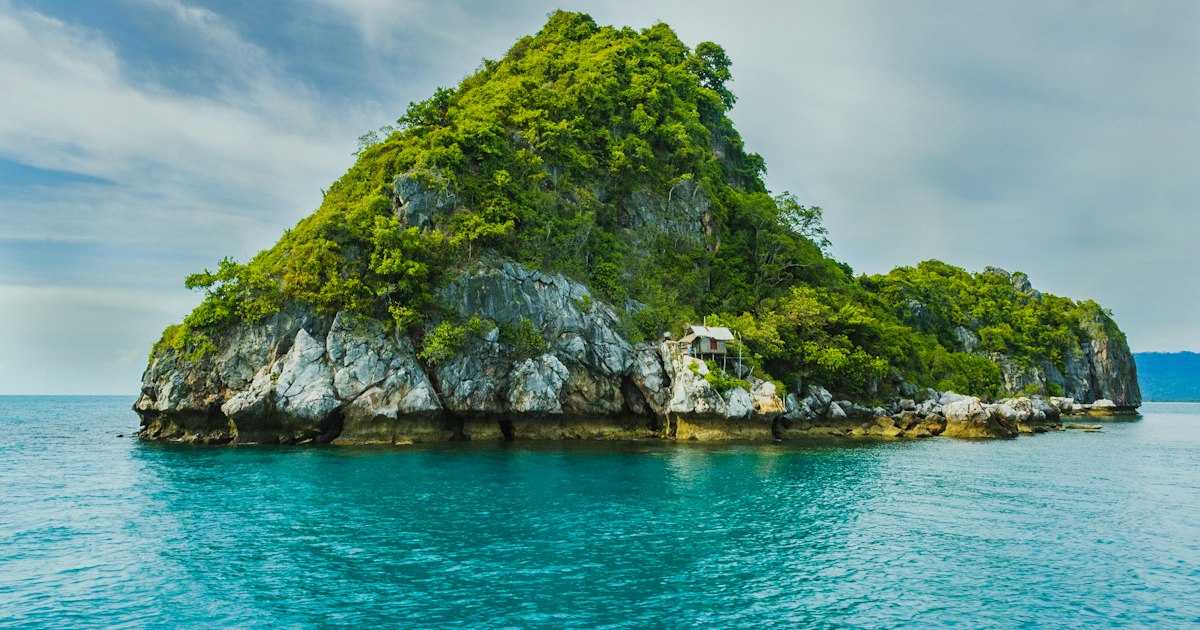
Photo by Tom Winckels on Unsplash
Inujima is the island most Naoshima-bound travelers never make it to, and that’s exactly its appeal. At under one square kilometer with a year-round population in the dozens, it’s the smallest of the three islands that make up Benesse Art Site Naoshima — and because the ferry schedule forces you to slow down, it feels like the opposite of the selfie-line crowds you’ll find at the Yayoi Kusama pumpkins. This guide covers how to actually get there from Okayama, what you’ll pay, and the timing mistakes that ruin a lot of first visits.
What Makes Inujima Different From Naoshima and Teshima
Where Naoshima has the Chichu Art Museum and Teshima has its rice-terrace art museum, Inujima’s centerpiece is the Inujima Seirensho Art Museum — a copper refinery ruin from the Meiji era, repurposed by architect Hiroshi Sambuichi and artist Yukinori Yanagi into a half-buried, passively cooled art space built from the refinery’s own black slag brick. There’s no AC compressor roaring in the background; the building uses geothermal air and sunlight to regulate itself, which is as much the artwork as anything inside it.
Beyond the museum, the “Art House Project” scatters several small installations through the actual fishing village — empty houses and lots reworked by architecture firm SANAA (Kazuyo Sejima) alongside different artists. You walk narrow lanes between real homes with laundry on the line to find them, which is a very different experience from a purpose-built museum campus.
Getting to Inujima From Okayama
Inujima is technically part of Okayama City (Higashi-ku), not Takamatsu or Kagawa Prefecture, so the mainland gateway is a small fishing port called Hoden (宝伝), not a JR station.
- From JR Okayama Station: take a bus bound for Hoden Port from the station’s bus terminal — the ride takes roughly an hour. Buses are infrequent (often just a handful per day), so check the timetable before you leave your hotel rather than assuming you can show up and go.
- Ferry from Hoden Port to Inujima: the crossing takes about 10 minutes and fares run a few hundred yen each way for adults. Boats run on a fixed, limited schedule — there is no “next one in ten minutes” fallback.
- By car: driving to Hoden and leaving your car in the small parking area near the port is the easiest way to control your own timing, especially if the bus schedule doesn’t line up with your plans. If you’re on a rental car, make sure you understand your excess waiver situation before a long day of narrow coastal roads — see our breakdown of how NOC insurance actually works.
Because both the bus and the ferry run on sparse timetables, the single most important planning step is working backward from your return ferry time, not forward from your arrival.
Inujima Seirensho Art Museum: Hours and Tickets
The museum follows the seasonal pattern typical of Benesse Art Site Naoshima facilities: roughly 9:00–17:00 in the warmer months (March through November) and a shorter 9:00–16:00 window in winter (December through February), with last entry around 30 minutes before close. The museum is closed on Tuesdays — if a national holiday falls on a Tuesday, expect the closure to shift to the next day instead.
A combined ticket covering the Seirensho Art Museum and the Art House Project runs a little over ¥2,000 for adults, with the Art House Project alone available for a lower separate price if you only want to walk the village installations. Prices and hours do shift occasionally, so confirm on the Benesse Art Site Naoshima site before you travel, especially outside the main travel season.
The Art House Project: Walking the Village
Unlike the museum, the Art House Project is spread across the inhabited part of the island, so you’re walking past actual homes, a small shrine, and the harbor as you go between installation houses. There’s no shuttle — it’s all on foot, and the whole island is small enough that even a leisurely loop between the harbor, the museum, and the house installations rarely takes more than two to three hours including photo stops.
Bring cash. There is no convenience store on Inujima and card acceptance is limited to a tiny handful of spots; the one or two cafés near the port may not take cards at all.
Best Time to Visit and How Much Time You Need
Spring (April–May) and autumn (October–November) give you the most comfortable walking weather and the longer museum hours. Summer is workable but genuinely hot with little shade between buildings, and the Seto Inland Sea humidity is real. Winter trims your hours and the sea crossing can get choppy, so it’s the least forgiving season if your schedule is tight.
During Setouchi Triennale years (held periodically, with past editions in spring, summer, and autumn sessions), Inujima gets temporary extra artworks and noticeably more ferry traffic, including occasional direct seasonal boats to other art islands. Outside Triennale periods, Inujima reverts to its normal quiet self and the Hoden route is your only practical way in.
Plan for a half-day trip minimum once you count the hour-long bus, the ferry wait, and the walk back. Day-tripping from Okayama Station and back is entirely doable if you start in the morning, but trying to bolt Inujima onto a Naoshima or Teshima itinerary in the same day is ambitious — the islands aren’t connected by a quick inter-island hop outside Triennale season, so you’d be retracing your steps back through the mainland.
Common Mistakes First-Time Visitors Make
- Forgetting the Tuesday closure. Showing up to a shuttered museum after an hour-long bus and a ferry ride is the single most common complaint about Inujima trips.
- Missing the last return ferry. Sailings are few and far between — lose track of time wandering the Art House Project and you can get stuck overnight on an island with almost no lodging.
- Not carrying cash. There’s no ATM on the island and no convenience store to bail you out.
- Assuming it pairs easily with Naoshima in one day. It can during Triennale season with the right seasonal ferry; otherwise, treat it as its own separate day trip from Okayama.
If you’re basing yourself in Okayama City before or after the trip, it’s worth knowing that municipal sights like Okayama Castle and Korakuen Garden sometimes offer free entry around Culture Day in early November — worth checking if your dates overlap, as detailed in our guide to Bunka no Hi free admissions.
Budget, Mid-Range, and Splurge Options
Budget: Bus plus ferry round trip from Okayama Station runs roughly ¥2,000–2,500 per person including the combined museum ticket, and you can bring your own lunch since food options on the island are minimal.
Mid-range: Rent a car for the day to control your own schedule around the limited bus times, grab lunch at one of the small island cafés near the port, and build in time to also see Okayama’s Korakuen Garden on the same day.
Splurge: Combine Inujima with an overnight stay on Naoshima or in Okayama City bookended by a Setouchi Triennale season visit, when extra installations and ferry connections make the whole archipelago easier to string together — effectively turning one small museum visit into a multi-island art tour.
If you’re continuing west into Kagawa afterward, it’s an easy add-on to pair Inujima with a stop at Ritsurin Garden in Takamatsu, giving you a classic Edo-era garden to balance out a day of contemporary art.