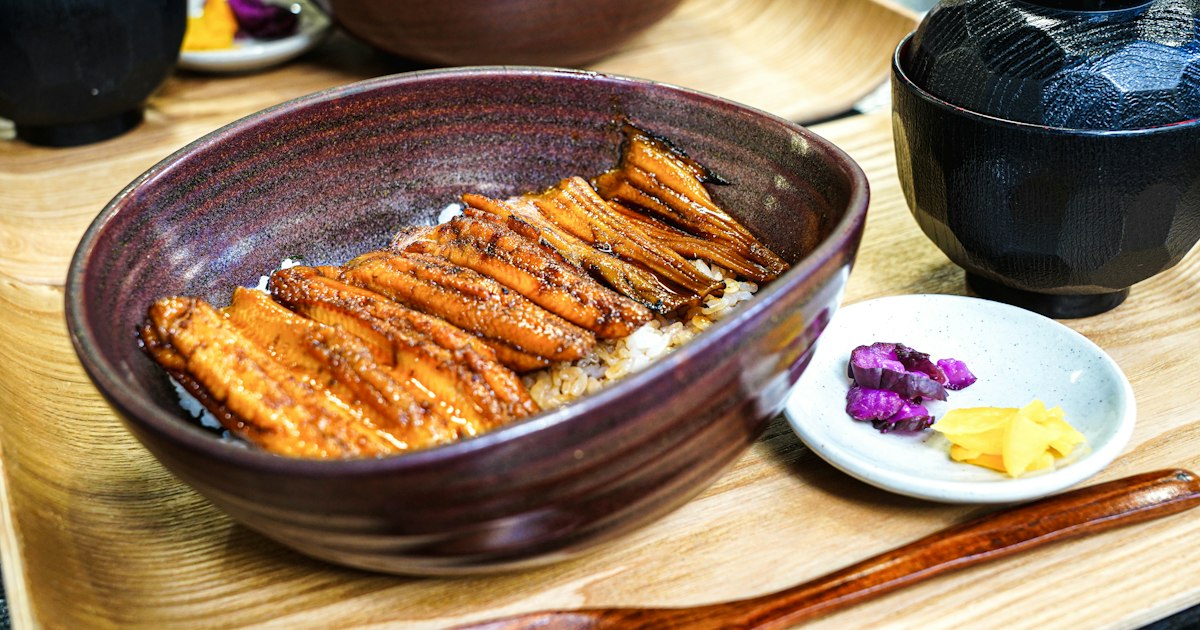
Kaisendon (海鮮丼) is one of the simplest pleasures in Japanese food: a bowl of warm, vinegared or plain rice topped with a rotating cast of raw seafood — maguro tuna, salmon, uni, ikura, scallop, shrimp, squid — arranged so generously that the rice barely shows. Unlike sushi, there’s no technique to master and no counter etiquette to worry about. You just dig in. But knowing where to order it, when to go, and what you’re actually paying for makes a big difference between a forgettable bowl and one you’ll be describing to friends back home.
What Makes a Good Kaisendon
A good kaisendon comes down to two things: how recently the fish was cut, and how the rice is seasoned. The best versions use rice dressed lightly in sushi vinegar (sumeshi), which cuts through the richness of fatty tuna or uni. Cheaper versions sometimes use plain steamed rice, which is fine but noticeably less balanced. Toppings vary by region and season — a bowl in Hokkaido will lean on salmon roe, crab, and uni, while a Tokyo market bowl is built around tuna grades (akami, chutoro, otoro) and seasonal white fish. There’s no single “correct” kaisendon; part of the fun is that it changes depending on where in Japan you order it.
Tokyo: Tsukiji Outer Market vs. Toyosu Market
Tokyo’s seafood wholesale business moved from Tsukiji to Toyosu in 2018, which splits visitors between two very different experiences.
Tsukiji Outer Market is the old market district that stayed behind — a dense warren of narrow lanes near Tsukiji Station (Hibiya Line) and Tsukijishijo Station (Oedo Line), still packed with seafood stalls, knife shops, and small kaisendon counters. Most shops open around 5:00–7:00 AM and wind down by early-to-mid afternoon; many individual stalls close on Wednesdays, so it’s worth checking a shop’s posted hours rather than assuming it’s open. Expect to pay roughly 1,500–3,000 yen for a solid bowl here, with lines forming early at the handful of well-known counters.
Toyosu Market is the actual working wholesale market now, located on reclaimed land in the bay area. The public retail and dining zone (Uogashi Yokocho) opens early, generally from around 5:00–6:00 AM, and most shops close by early-to-mid afternoon. The market is closed on Sundays and on additional days set by an irregular holiday calendar published online — always double-check the date before you go, since it isn’t simply “weekdays only.” Toyosu’s kaisendon tends to run slightly higher, from about 2,500 yen for a standard bowl up to 6,000–10,000+ yen for a deluxe version loaded with uni, otoro, and ikura. The famous tuna auction viewing deck requires booking a free slot in advance and fills up fast.
If you’re staying near Haneda, Toyosu is an easy early-morning add-on; comparing routes with our guide to the Tokyo Monorail vs. Keikyu Line can help you work out timing if you’re heading straight from the airport. From central Tokyo, Toyosu is also within reach of the bay area water routes — the Tokyo Water Bus from Asakusa to Odaiba is a scenic, slower alternative if you want to combine the market with a morning on the water before the crowds build.
Beyond Tokyo: Regional Kaisendon Worth the Trip
Tokyo isn’t the only — or even the best — place to eat kaisendon.
- Hakodate Morning Market (Hokkaido): Famous for “nokkedon,” where you buy a rice ticket (around 300–500 yen) and then walk between stalls choosing your own toppings — uni, crab, salmon roe, scallop — paying per item as you go. A full self-assembled bowl typically runs 1,800–3,500 yen. Hokkaido’s cold waters make this one of the country’s best regions for uni and crab specifically.
- Omicho Market (Kanazawa): A smaller, more manageable market than Tokyo’s, with excellent snow crab and sweet shrimp (amaebi) bowls, generally 2,000–4,000 yen.
- Numazu (Shizuoka): A working fishing port close to the Izu Peninsula, popular with day-trippers combining it with Mt. Fuji views; known for fresh sakura ebi (cherry shrimp) and aji (horse mackerel) bowls at lower prices than Tokyo, often under 2,000 yen.
If a regional market isn’t directly on a train line, you may need to transfer onto a local bus from the nearest station — our guide to riding local buses in Japan covers how flat-fare, rear-door boarding works, which comes up often in smaller fishing towns that don’t have IC-card-friendly transit.
Best Season and Time of Day
Kaisendon is available year-round, but specific toppings peak seasonally: uni and bonito are best in early summer, fatty tuna and oysters are better in winter, and salmon roe (ikura) is richest in autumn when salmon run. For timing within a day, mornings are non-negotiable — most market kaisendon counters are built around the wholesale trading schedule, so the best selection and freshest cuts are available before 10:00 AM. By early afternoon, popular items sell out and some stalls close entirely.
Budget, Mid-Range, and Splurge
Roughly speaking: budget bowls (1,500–2,500 yen) get you a mix of 4–6 standard toppings like tuna, salmon, and squid over rice; mid-range bowls (2,500–5,000 yen) add higher tuna grades, uni, or crab in better quantity; splurge bowls (6,000–10,000+ yen) are usually themed “special” or “deluxe” sets piled with otoro, uni, and ikura together, sometimes served with miso soup and a small side. Market stalls often display photos with prices out front, so you can compare before committing — don’t be shy about walking the row first.
Common Mistakes First-Timers Make
- Going late morning or in the afternoon. By then, the best cuts are gone and some counters have already closed for the day.
- Assuming everything is open every day. Both Tsukiji Outer Market stalls and Toyosu Market as a whole have irregular closures — check the specific closure calendar, especially around weekends and holidays, before building your morning around it.
- Skipping the rice ticket system at nokkedon-style markets. In Hakodate and similar markets, you buy rice separately from toppings — show up without understanding this and you’ll be confused standing at the counter.
- Paying by card only. Many small market stalls are cash-only or have low card minimums; carry some yen.
- Not checking allergy or raw-fish comfort level before ordering a “chef’s choice” bowl — these often include items like raw shrimp or sea urchin that aren’t always obvious from a glance.
Getting There
For Tokyo, Toyosu Market is served by the Yurikamome line (Shijo-mae Station) or a short walk/bus from Toyosu Station on the Yurikamome and Tokyo Metro Yurakucho lines; Tsukiji Outer Market is walkable from Tsukiji or Tsukijishijo stations. For regional markets, check whether your destination station connects by local bus, since many fishing-port markets sit a short ride from the nearest rail stop rather than right outside it.