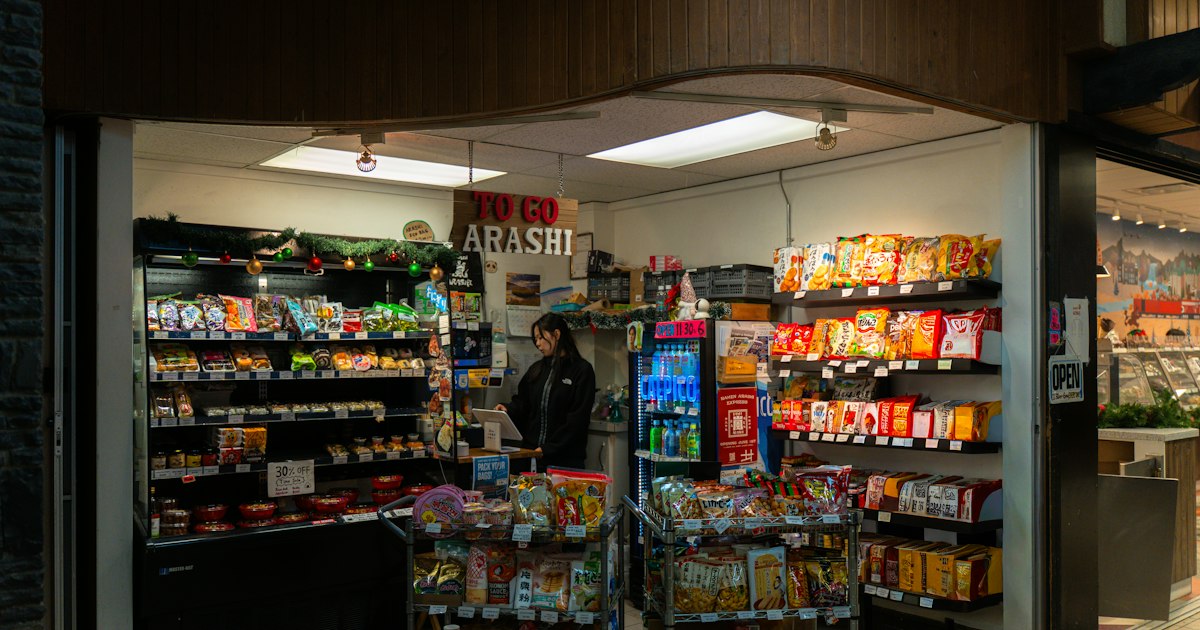
Photo by Josh Marty on Unsplash
If you’ve only ever eaten Calbee’s Consommé Punch or Shiawase Butter chips from an import shop back home, you’ve tasted maybe two percent of what the company actually makes. Calbee, Japan’s biggest potato chip maker since it launched the category in 1975, runs a sprawling network of region-limited flavors sold only in certain prefectures, at certain airports, or on certain highway service areas. Hunting them down has become a genuine souvenir sport for visitors — cheap, packable, and a much better story than another keychain. Here’s how to actually find them.
Why Calbee Makes Regional-Only Flavors
Japan’s omiyage (souvenir gift) culture rewards products that can’t be bought just anywhere. Calbee leans into this hard, producing chip flavors tied to a specific prefecture’s food identity and distributing them almost exclusively within that region, in airport shops, or in station gift kiosks. It’s the same logic behind region-only Kit Kats, and it means a bag of chips can double as proof you actually went somewhere. The flavors also skew savory rather than sweet, so they work as a snack on the train home, not just a gift to leave unopened on a shelf.
Where to Actually Find Them
Four channels cover almost everything:
- Convenience stores (konbini) in the region itself — 7-Eleven, Lawson, and FamilyMart stock local Calbee flavors alongside the national lineup, usually for ¥150–¥190 a standard bag.
- Airport shops — domestic terminals (Shin-Chitose, Fukuoka, Kansai, Haneda’s regional gift corners) sell boxed multi-packs of nearby-prefecture flavors, typically ¥600–¥1,200 for 5–10 mini bags, aimed squarely at travelers who won’t be back.
- Highway service areas (SA/PA) — if you’re on a road trip or bus tour, these often carry flavors you won’t find in city konbini at all.
- Calbee Plus stores — a small chain of Calbee-branded shops (Tokyo Solamachi at Tokyo Skytree Town is the most visitor-accessible one) selling freshly fried chips and store-exclusive flavors you can’t get in bags anywhere else. Solamachi keeps roughly standard mall hours, around 10:00–21:00, but always check the shop directly since food-floor hours can run later or shorter than the mall’s.
Department store depachika basement food halls are worth a scan too — they sometimes carry the boxed gift versions even outside the home region, at a markup.
A Region-by-Region Flavor Map
Flavors rotate and get discontinued without warning, so treat this as a hunting guide rather than a checklist — but these are the pairings Calbee has leaned on for years:
- Hokkaido — butter, milk, and shoyu-butter flavors dominate, echoing the island’s dairy and lamb-heavy food culture; if you’re already tasting your way through Hokkaido’s grilled lamb scene, read our Jingisukan guide for where to eat the real thing before you snack on the chip version.
- Kyushu / Fukuoka — mentaiko (spicy cod roe) and tonkotsu-style flavors show up around Fukuoka airport and Hakata Station, playing off the same broth culture behind the region’s motsunabe hot pot.
- Yamanashi / Chubu — miso-forward flavors turn up around the Fuji Five Lakes and Kofu area, in the same spirit as the region’s hoto noodle soup.
- Shikoku / Ehime — citrus (yuzu, iyokan) flavors are common around Matsuyama; pair a bag with a soak at Dogo Onsen if you’re in the area.
- Kansai — okonomiyaki and takoyaki-sauce flavors around Osaka lean into the city’s street-food identity.
- Tohoku — regional soy sauce and miso variations appear here too, often more pungent and less sweet than the Kanto norm.
Best Season and Timing to Chip-Hunt
Two timing factors matter more than region. First, Calbee runs seasonal limited flavors nationwide on top of the regional ones — sweet potato and matsutake-adjacent flavors in autumn, yuzu or citrus around winter, and occasional sakura-tinted spring editions. Stack a regional trip with the right season and you’ll find double the variety on the shelf. Second, buy early in your trip, not on the last day: region-limited stock at small konbini can sell out, especially near train stations during peak travel weekends, and airport gift shops sometimes run low on the most popular boxed sets by evening flights. If you spot a flavor you like, grab it — don’t assume you’ll see it again at the next stop.
Budget, Mid-Range, and Splurge Options
Budget (¥150–¥200): A single standard bag from a local convenience store — the cheapest way to try a flavor, and honestly the freshest, since konbini turn over stock fast.
Mid-range (¥600–�¥1,200): Boxed airport multi-packs with 5–10 individually wrapped mini bags, several flavors per box — the easiest option if you’re buying gifts for a group back home and want everything sealed for the flight.
Splurge (¥1,500+): Calbee Plus store-exclusive fresh-fried chips or large collector gift tins, sold only at the flagship shops — not cheap for what’s inside, but genuinely unavailable anywhere else.
Common Mistakes to Avoid
- Assuming Tokyo has everything. It doesn’t. Regional flavors are deliberately kept out of the capital’s convenience stores to preserve their souvenir value — you generally need to be in or near the source prefecture, or catch the airport version.
- Buying only at the airport on departure day. Airport prices run higher than konbini, and popular boxes sell out by late afternoon during busy travel seasons. Buy a few in-region first, then top up at the airport if needed.
- Packing chips in a checked bag without cushioning. Bags puff up with air for freshness and crush easily; wrap them in clothing or keep them in a carry-on if you’re bringing several home.
- Skipping the small print on weight limits. If you’re buying a dozen boxes as gifts, they add up in both weight and bulk — factor this in alongside anything else you’re packing, especially if you’re also bringing back fragile souvenirs.
Final Tip
Treat Calbee flavor-hunting the way you’d treat any regional food specialty in Japan: as a reason to get off the well-trodden Tokyo–Kyoto–Osaka line, not just something to grab at Narita on the way out. The chips are inexpensive, they don’t need refrigeration, and unlike most souvenirs, everyone actually uses them the moment they get home.