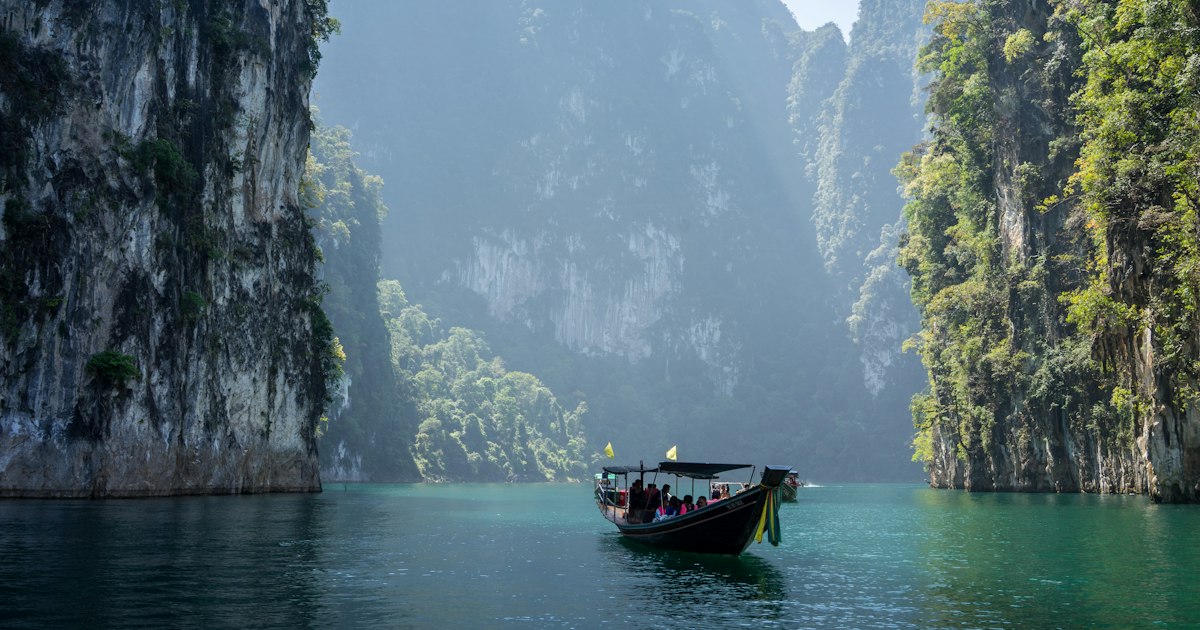
Photo by Robin Noguier on Unsplash
Straddling the border of Aomori and Akita prefectures in northern Tohoku, Shirakami-Sanchi is the largest remaining virgin beech (buna) forest in East Asia and one of Japan’s first UNESCO World Heritage Sites, listed in 1993. Most visitors never make it this far north, which is exactly the appeal: you get ancient forest, a cobalt-blue pond that looks digitally altered, and almost none of the crowds you’d fight through in Nikko or Hakone. Here’s what you actually need to know before you go.
What Makes Shirakami-Sanchi Special
Shirakami-Sanchi isn’t a single trail or park — it’s a mountainous region roughly 1,300 square kilometers in size, with a strictly protected “core zone” at its heart where logging has never occurred and human access is tightly controlled. Almost everything tourists actually visit sits in the surrounding “buffer zone,” which is open and well-marked. The two famous entry points are Juniko (the “Twelve Lakes,” on the Aomori side) and Anmon Falls, also in Aomori near Tsugaru. The Akita side has fewer facilities but is where you’ll find the main visitor center for arranging deeper access.
Getting There: Trains, Buses, and the Scenic Resort Shirakami
The region is remote, so plan a full day. From Tokyo, take the Tohoku Shinkansen to Shin-Aomori or Hachinohe (around 3 hours), then transfer to local lines. The most enjoyable approach is the Resort Shirakami, a sightseeing train that runs along the Sea of Japan coast between Akita and Aomori/Hirosaki on the JR Gono Line, taking roughly 4 hours end to end. Seats are reserved-only, with a surcharge of around ¥520 on top of the base fare — book this well in advance if you’re traveling during autumn foliage season, since window seats facing the coast and Juniko sell out fast. Regular IC cards like Suica won’t cover the reserved-seat fee or work for through-ticketing on this route, so if you’re new to using one, it’s worth reading up on adding Suica or Pasmo to Apple Wallet before you leave Tokyo, and buy the Resort Shirakami ticket separately at a JR counter.
From Hirosaki, it’s about 1.5–2 hours by train to Juniko Station. From there, a Konan Bus connects to the Oku-Juniko lake area in about 15 minutes, with a one-way fare in the ¥300–400 range. If you’re driving, rental cars from Aomori Airport give you the most flexibility and shave off waiting time for infrequent buses — figure 1.5–2 hours of driving to reach Juniko.
The Blue Pond and Juniko: The Easiest Way to See Shirakami-Sanchi
Juniko means “twelve lakes,” though there are actually around 33 ponds and lakes scattered through the beech forest — the name comes from how many are visible from a particular viewpoint. The star attraction is Aoike (Blue Pond), a small, perfectly clear pond with an intense cobalt color caused by light refraction through mineral-rich water. It’s an easy 10–15 minute walk from the Oku-Juniko parking area, so you don’t need serious hiking gear to see it.
If you want more than a photo stop, the full walking course linking several of the ponds is about 2–3 hours round trip on flat, well-maintained paths — genuinely pleasant walking rather than hiking. Parking at Oku-Juniko costs around ¥500 per car. There are a few small food stalls and a rest house near the entrance, but nothing resembling a convenience store, so bring cash and snacks.
Anmon Falls: A Quieter Alternative
If Juniko sounds too popular for your taste, Anmon Falls (Anmon no Taki) is a three-tiered waterfall deeper in the forest, reached via a dedicated forest road from the Tsugaru area. The walk from the parking area to the falls takes 20–40 minutes each way depending on how many of the three tiers you want to see, with a full loop taking around 2 hours. The access road is only open roughly April through November — it’s gated and impassable once snow sets in, so check current conditions before planning a visit outside summer or early autumn.
Best Time to Visit
Late April through May brings shinryoku — the vivid fresh green of newly unfurled beech leaves — and is arguably the most beautiful and least crowded window. Summer (July–August) gives you full canopy shade and cooler temperatures than Tokyo, good for longer walks. Autumn, typically mid-October to early November, is peak season for foliage and the single busiest time to visit, which is also when Resort Shirakami seats and Juniko-area accommodation book out fastest. Winter brings heavy snow that closes most trails and the Anmon access road entirely; this is not the season for independent hiking here. For a sense of comparable Tohoku forest scenery if you have extra time in the region, Oirase Gorge is a streamside walk elsewhere in Aomori worth pairing with a Shirakami-Sanchi trip.
Core Zone Hiking: Permits, Guides, and What to Know
The strictly protected core zone, including the trek to the summit of Mt. Shirakami, is not something you can casually wander into. Access requires advance registration, and for most routes a licensed local guide is strongly recommended or required, both to protect the forest ecosystem and because the terrain is genuinely remote multi-day mountain hiking, not a day walk. The Shirakami-Sanchi Visitor Center in Fujisato on the Akita side (free admission, roughly 9:00–17:00, though hours and closures shift seasonally so confirm ahead) is the best place to arrange guided access and get current trail conditions. Asian black bears live throughout the forest, so even on the open buffer-zone trails, carrying a bear bell and making noise on quieter paths is standard practice, not paranoia.
Common Mistakes and Budget Tips
- Treating it as one attraction: Juniko’s Blue Pond is a tiny, easily accessible sliver of a vast mountain region — don’t expect a short walk there to count as “hiking Shirakami-Sanchi” in any deeper sense, and don’t expect to casually summit anything.
- Skipping the reserved-seat booking: Resort Shirakami seats vanish weeks ahead during autumn foliage; book as soon as your dates are fixed.
- Underestimating remoteness: cell signal is patchy in the forest, services are sparse, and the last buses back from Juniko run early evening — check return times before you start walking.
- Budget option: self-guided day trip by train and bus from Hirosaki or Akita, roughly ¥3,000–5,000 round trip in transport, packing your own lunch.
- Mid-range option: rental car (around ¥6,000–9,000/day) for flexibility, or a guided half-day nature walk around ¥5,000–8,000 per person.
- Splurge option: a multi-day licensed-guide trek into the core zone with mountain lodge stays, which can run ¥20,000–40,000+ per day including guiding fees and lodging.
Before heading home, the small shops near the visitor centers sell regional specialties worth a look — Aomori’s apple products and Akita’s mountain-vegetable pickles make good edible souvenirs, in the same spirit as Japan’s broader tsukemono pickling tradition. Shirakami-Sanchi rewards a bit of planning far more than it rewards spontaneity — get the logistics right and you’ll have one of the quietest, most striking natural sites in the country largely to yourself.