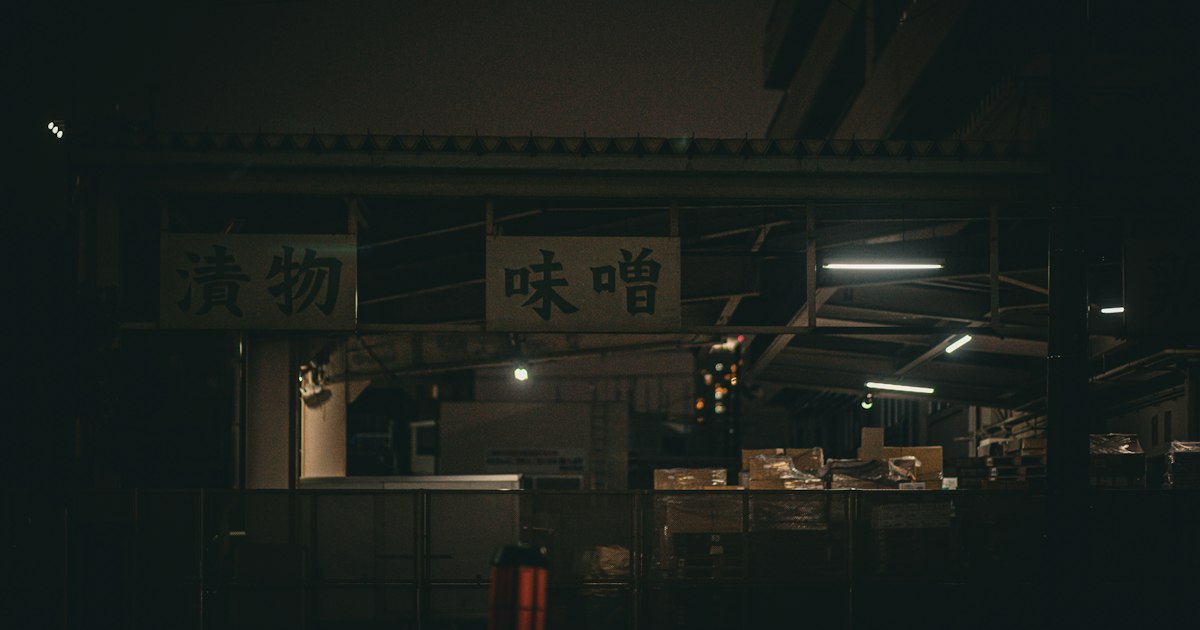
Walk through any Japanese supermarket basement, department store food hall, or morning market, and you’ll hit a wall of color before you hit the fish counter: crimson umeboshi, golden takuan, deep purple shibazuke, pale green cucumber in miso. This is tsukemono, Japan’s centuries-old tradition of pickled vegetables, and it’s one of the most overlooked souvenir and tasting categories for visitors. It’s cheap, it’s distinctly regional, and almost none of it is sold outside Japan in the form you’ll find it here. This guide covers what tsukemono actually is, the regional styles worth seeking out, where to buy it at every budget, and the mistakes that trip up first-time buyers.
What Is Tsukemono, Exactly?
Tsukemono (漬物, literally “pickled things”) is an umbrella term covering vegetables preserved in salt, rice bran, miso, soy sauce, vinegar, or fermented rice lees. Unlike Western pickles, which are almost always vinegar-based, Japanese pickling techniques developed to extend the storage life of vegetables through winter and to balance rich, starchy meals like rice and grilled fish. The result is a category with far more range than “pickle” implies — some tsukemono are crunchy and salty, some are funky and fermented, some are sweet and mellow. They function as a palate cleanser, a side dish, and in many cases a pantry souvenir that survives the flight home far better than fresh food, much like the fermented condiments covered in our Japanese condiment pantry guide.
The Regional Styles Worth Knowing
Tsukemono varies dramatically by region, and knowing a few names will help you shop with purpose rather than guessing from the label art.
- Takuan — bright yellow daikon radish pickled in rice bran and salt, found nationwide. Crunchy and slightly sweet-salty; the everyday tsukemono most visitors encounter first, usually served alongside rice at breakfast.
- Umeboshi — intensely sour, salty pickled ume plums, Wakayama Prefecture’s signature product (Nanko-ume is the premium cultivar). A small jar packs a serious punch; locals eat one with rice or tea to settle the stomach.
- Shibazuke — Kyoto’s purple eggplant and cucumber pickle, colored and flavored with red shiso leaves. Tangy and slightly tart, sold all over Nishiki Market.
- Nozawana-zuke — pickled leafy greens from Nagano, mild and slightly bitter, often fried with rice or chopped into onigiri.
- Narazuke — vegetables (often cucumber or melon) pickled in sake lees for months or years in Nara; the flavor is deep, boozy, and an acquired taste worth trying at least once.
- Misozuke — vegetables pickled in miso paste, common throughout the country, with a savory, almost caramelized depth.
Where to Buy: Budget, Mid-Range, and Splurge
Budget (¥150–¥500): Supermarket chains like Life, Seijo Ishii, and Ito-Yokado sell vacuum-packed takuan, shibazuke, and umeboshi in the refrigerated section near the tofu and natto. A standard 150–200g pack runs ¥150–¥350. Convenience stores also stock single-serving umeboshi onigiri for under ¥200 if you just want a taste.
Mid-range (¥500–¥1,500): Department store basement food halls (depachika) — Isetan Shinjuku, Daimaru, Takashimaya — have dedicated tsukemono counters with staff who’ll let you sample before buying. Expect ¥600–¥1,200 for a well-packaged assortment box, which also makes a better gift than a supermarket bag. Nishiki Market in Kyoto is the classic tourist stop for shibazuke and pickled Kyoto vegetables (kyo-yasai), with shops offering small taster cups for free or a token ¥100.
Splurge (¥2,000–¥6,000+): Specialty makers sell aged narazuke and premium umeboshi in gift boxes. In Nara, shops near Kintetsu Nara Station specializing in sake-lees pickles sell gift sets from ¥2,500 up to ¥6,000 for long-aged, dark narazuke. Wakayama’s top umeboshi producers sell large, flesh-heavy Nanko-ume in lacquered boxes for ¥3,000–¥8,000 — these are genuinely different from the cheap, bullet-sized variety and make a memorable high-end omiyage, comparable in gifting weight to the sweets covered in our omiyage sweets buyer’s guide.
Best Places to Shop in Person
Nishiki Market (Kyoto) remains the single best place to sample a wide range of regional tsukemono side by side; it’s open roughly 9:00 AM–6:00 PM, though individual shop hours vary, and most stalls close by early evening — go in the morning for the freshest selection before tour groups arrive. Kyoto has multiple dedicated chains here, including Nishiri and Murakamiya, both with English-friendly staff used to tourists.
In Tokyo, Ameyoko Market in Ueno has several old-school tsukemono stalls with bulk bins and lower prices than department stores, while Tsukiji Outer Market has smaller stalls selling pickled vegetables alongside seafood snacks — good for grazing rather than gift shopping. If you’re staying near Shibuya or want a more curated, design-forward shopping stop afterward, Daikanyama’s boutiques (see our Daikanyama neighborhood guide) are a short train ride away, though tsukemono itself is better sourced at markets or depachika than boutique districts.
Best Season and Timing to Buy
Tsukemono is sold year-round, but timing affects both quality and price. Fresh-pickled vegetables (asazuke, “quick pickles”) are best in their harvest season — nozawana in late autumn/winter in Nagano, cucumber and eggplant shibazuke in summer in Kyoto. Winter (December–February) is traditionally when households make large batches of takuan and umeboshi for the year, so markets often have the widest fresh selection and seasonal gift sets in the lead-up to New Year, when pickles are part of osechi ryori (New Year’s food). If you’re traveling in early summer, that’s also when fresh ume plums appear before being salted, so some shops sell “this year’s” umeboshi batches as a selling point.
Common Mistakes to Avoid
- Buying refrigerated items without a cooler bag. Many fresh (non-vacuum-sealed) tsukemono need refrigeration and won’t survive a multi-day trip or flight. Stick to vacuum-packed, shelf-stable products if you’re buying for the flight home — ask the shop clearly, “Can this stay at room temperature?” (常温で大丈夫ですか, joon de daijoubu desu ka).
- Assuming it’s low-sodium. Tsukemono is often very high in salt; it’s a condiment portion, not a vegetable serving, despite looking healthy.
- Skipping the sample. Flavor intensity varies wildly between shops even for the same style (shibazuke can range from mild to aggressively sour). Always taste before buying a gift box — most market stalls expect this.
- Not checking customs rules. Most commercially packaged, shelf-stable tsukemono is fine to bring into the US, EU, and most countries in personal luggage, but fresh/refrigerated items packed in liquid brine can raise questions at customs. When in doubt, buy the vacuum-sealed version.
- Packing glass jars in checked luggage without padding. Narazuke and premium umeboshi are often sold in glass; wrap them in clothing or ask the shop for extra bubble wrap, which most will provide on request.
Bringing It Home
Vacuum-sealed tsukemono typically keeps for weeks to a few months unopened, making it one of the more forgiving pantry souvenirs — far less fragile than fresh produce and lighter than ceramics. If you’re flying out through Narita, note that depachika and airport shops sell similar gift-boxed sets, though selection is smaller and pricier than in-city shops, so buy en route if you’re taking the Narita Express or Skyliner rather than waiting until the terminal. Keep receipts in case you want to query a product at customs, and remember that tax-free shopping rules for food items require unopened packaging and your passport at checkout — the same rules covered in our general guide to returns, exchanges, and receipts in Japan.