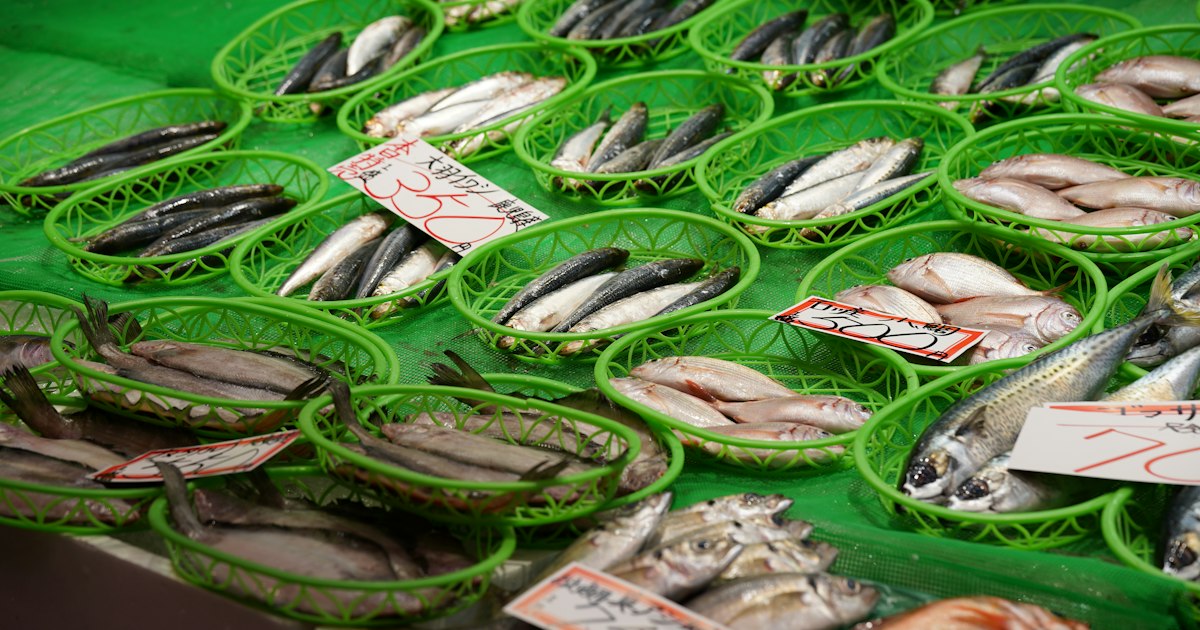
Photo by Jong Hyuk Lee on Unsplash
Locals call it “Kanazawa’s kitchen,” and after one visit you’ll understand why. Omicho Market is a tangle of nearly 200 stalls packed into a few covered arcades in the heart of the city, selling everything from live snow crab to lacquered chopstick rests. It’s not a sanitized tourist food court — it’s where Kanazawa’s restaurants and home cooks have shopped for over 300 years, which is exactly what makes it worth building a few hours of your trip around.
What Omicho Market Actually Is
Omicho (近江町市場) dates back to 1721, making it one of the oldest continuously operating markets in Japan. It survives today as a working market first and a tourist attraction second — fishmongers still shout prices, restaurant buyers still haggle over the morning’s catch, and plenty of stalls don’t bother with English signage. That’s part of the appeal. The market sits inland from the Sea of Japan but draws directly from Kanazawa’s own fishing port and from Noto Peninsula boats, so the seafood here is as close to source as you’ll find without standing on a dock.
The market is a grid of narrow covered streets, roughly split between fresh-food stalls (fishmongers, produce sellers, butchers) and small eat-in counters and restaurants tucked between them. Budget at least 90 minutes if you want to eat and browse; a serious photography-and-tasting crawl can easily fill half a day.
Getting There and the Best Time to Go
Omicho is about 1.3 km from Kanazawa Station — a 15 to 20 minute walk, or a 5-minute ride on the Kanazawa Loop Bus or a Hokutetsu city bus to the Omicho Ichiba stop (flat fare around 200 yen). If you’re flying in rather than taking the Hokuriku Shinkansen, Komatsu Airport is about 30 minutes from the city by limousine bus; it’s worth comparing that route against the shinkansen using our guide to LCC vs JAL & ANA for domestic flights if you’re coming from western Japan or Kyushu.
Most stalls open between 7:00 and 9:00 and run until 17:00 or 17:30; eat-in restaurants tend to stay open a bit later for dinner. There’s no single market-wide closing day, but a number of individual fishmongers close on Wednesdays, and Sundays run noticeably quieter with fewer wholesale buyers around. Go before 10:00 for the best selection and shortest lines at the popular kaisendon counters — by midday on weekends, queues for the well-known rice-bowl shops can run 30-45 minutes.
Seasonally, winter (November through March) is peak season for Kano crab, Omicho’s signature brand of local snow crab, and for plump Noto oysters. Summer brings excellent sweet shrimp and squid; if crab is your main goal, come in the cold months.
What to Eat: Crab, Sweet Shrimp and Kaisendon
The single most popular thing to do at Omicho is eat a kaisendon — a bowl of rice piled with an assortment of raw seafood. Standard bowls with five or six varieties (tuna, salmon, sweet shrimp, squid, a bit of roe) run roughly 1,500 to 3,500 yen. Loaded “special” bowls with sea urchin, extra crab, and a thick cap of salmon roe climb to 4,000-6,000 yen or more at the sit-down restaurants along the market’s edges. Budget travelers can do just as well grazing standing-stalls: a grilled Noto oyster typically costs 500-800 yen, a skewer or small pack of amaebi (sweet shrimp) runs 500-1,000 yen, and grilled scallops or small seafood skewers are similarly priced.
For a splurge, whole Kano crab is sold both live and cooked, with prices scaling steeply by size and season — expect anywhere from 5,000 yen for a smaller crab to well over 15,000 yen for a prime specimen in peak winter. Some stalls will pack crab for travel or ship it, which is worth asking about if you can’t eat it on the spot.
A few etiquette notes that matter here: most stalls expect you to eat standing or at a small counter, not while walking through the arcades, and many are cash-only or have low card minimums, so carry yen. If a stall has a visible line of locals rather than tourists, that’s usually the better sign of quality than the one with the biggest English menu board.
Shopping for Souvenirs: Dashi, Crafts and Kitchen Tools
Beyond the raw seafood, Omicho is a good place to buy the dried and preserved goods that stock a Japanese kitchen. Several stalls sell kombu, bonito flakes (katsuobushi), and bagged dashi packs — if you’re unfamiliar with how these fit together, our buyer’s guide to dashi explains what to look for before you commit to a bag. Ishikawa Prefecture is also home to Wajima lacquerware and Kutani pottery, and a handful of shops inside and around the market sell smaller, travel-friendly pieces — lacquered chopsticks, small bowls, sake cups — at prices generally starting around 1,000-2,000 yen for simple items and climbing quickly for hand-finished lacquerware.
If you’re in the market for a proper Japanese kitchen knife as a souvenir, you’ll find a modest selection here, though the serious destination for that purchase is Osaka’s historic blade district — worth a look at our guide to Sakai’s knife-making shops if cutlery is a priority for your trip rather than a side purchase.
Common Mistakes to Avoid
- Arriving with a rolling suitcase. The arcades are narrow and crowded; if you’re traveling onward the same day, leave bags at the station’s coin lockers first.
- Skipping breakfast beforehand and arriving starving at noon. Lines for the famous kaisendon counters peak between 11:30 and 13:30. Eating at 9:00 or waiting until 15:00 avoids the worst of it.
- Assuming every stall takes cards. Many small fishmongers and food stands are cash-only. Bring enough yen for the day.
- Buying crab or fresh fish without asking about transport. Fresh seafood doesn’t travel well without proper packing or refrigeration — ask the stall whether they offer vacuum-sealed or chilled packaging for hotel or flight transport before you buy.
- Treating it purely as a photo stop. Vendors are friendly but this is a working market, not a staged attraction — a little courtesy (not photographing people’s faces without asking, not blocking narrow aisles) goes a long way.
Pairing Omicho With the Rest of Your Day
Omicho sits close enough to Kanazawa Castle Park and Kenrokuen Garden that a market breakfast or lunch fits naturally into a half-day loop through the city center, with the Higashi Chaya geisha district reachable afterward by a short bus ride. If you’re building a longer Hokuriku itinerary, Kanazawa pairs well with onward trips to Takayama via the Chubu region — our guide to Chubu Centrair Airport and getting to Nagoya, Takayama and Ise is useful if you’re routing through that side of the country rather than backtracking to Tokyo.