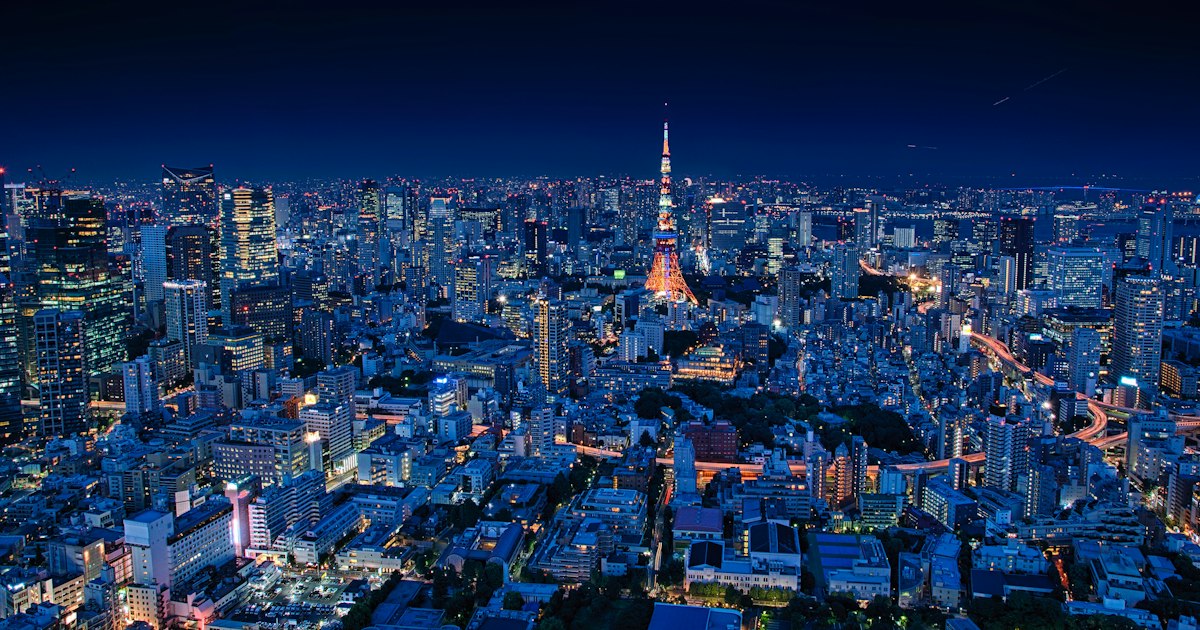
Photo by Takashi Miyazaki on Unsplash
Jiyugaoka doesn’t show up on most first-time Tokyo itineraries, and that’s exactly its appeal. Tucked along the Tokyu Toyoko and Oimachi lines in southwest Tokyo, this neighborhood has spent decades cultivating a reputation as the city’s unofficial patisserie district — a place where French-trained pastry chefs, independent boutique owners, and a loyal local clientele have built something closer to a European village square than a Tokyo shopping strip. If you want a half-day escape from Shibuya’s crowds that still delivers serious shopping and genuinely excellent sweets, this is it.
Getting There
Jiyugaoka Station sits on the Tokyu Toyoko Line (direct from Shibuya, about 18 minutes, ¥280) and the Tokyu Oimachi Line (from Oimachi, near JR lines, about 15 minutes). Both lines converge at a single station, so orientation is simple: exit toward the “Marie Claire” or “Peacock” exits and you’re immediately in the shopping district. There’s no need for an airport-direct route here — most visitors fold Jiyugaoka into a day that starts elsewhere in central Tokyo. If you’re coming straight from the airport, see the Airport Limousine Bus guide for getting into the city center first, then transfer to the Tokyu network.
The Sweets: What to Actually Buy
Jiyugaoka’s nickname among Tokyoites is “sweets town,” earned honestly. A few standouts worth planning around:
- Mont St. Clair — pastry chef Hironobu Tsujiguchi’s flagship shop, famous for layered mousse cakes (around ¥700–900 per slice) and seasonal fruit tarts. Arrive before 11am on weekends or expect a line.
- Jiyugaoka Roll-ya — specializes in Japanese-style roll cakes (roll cake, ¥1,200–1,800 whole), lighter and less sweet than Western sponge cakes.
- Sweets Forest — a small indoor complex gathering several patisserie brands under one roof, useful if you want to sample multiple shops without crossing streets.
Budget ¥500–1,000 per person for a sit-down slice with coffee at a café counter, or ¥300–600 for a takeaway individual pastry. If you’d rather sample something distinctly Japanese and non-Western before or after the patisseries, the neighborhood’s cafés increasingly serve amazake, the sweet fermented rice drink — a good contrast to all the butter and cream.
Boutique Shopping
Beyond sweets, Jiyugaoka is a magnet for small, independent shops selling homeware, stationery, and imported goods — the kind of browsing-friendly retail that’s increasingly rare in central Tokyo’s chain-dominated shopping streets. La Vita, a Venice-themed outdoor shopping arcade near the station, houses interior design shops and a small canal with gondola photo ops (free to walk through, shops individually priced). Streets branching south of the station are lined with shops selling imported European tableware, candles, and leather goods, with prices generally running mid-range — expect ¥2,000–8,000 for smaller home goods and accessories.
Stationery lovers should budget extra time here: several shops stock planners, washi tape, and notebooks from Japanese brands, including displays that occasionally carry Hobonichi Techo planners and accessories, a good stop if you’re building a stationery haul rather than fighting flagship-store crowds elsewhere in the city.
Best Time to Visit
Weekday mornings (10am–noon) are the calmest window — shops open around 10 or 11am, and the lines at famous patisseries haven’t formed yet. Weekends, especially Saturday afternoons, bring noticeably heavier foot traffic, both from Tokyo residents making a special trip and from tour groups. Spring (cherry blossom season along the nearby Kuhonbutsugawa Green Street canal walk) and autumn (foliage along the same path) are the most visually rewarding seasons, since Jiyugaoka’s charm leans heavily on its tree-lined streets and outdoor café seating. Before locking in dates, check the Japanese public holidays guide — long weekends and Golden Week push both the trains and the patisserie lines to their limits.
Common Mistakes to Avoid
- Treating it as an all-day destination. Jiyugaoka rewards a focused 2–4 hour visit, not a full day. Pair it with a nearby stop — Shimokitazawa for vintage shopping or central Shibuya for the afternoon — rather than over-scheduling the neighborhood itself.
- Showing up on a Monday expecting everything open. A meaningful number of boutiques and smaller cafés close on Mondays or Tuesdays for a weekly rest day; this is more common here than in Shibuya or Shinjuku’s always-open retail. Check individual shop hours before making a special trip for one specific store.
- Assuming cash isn’t needed. Larger patisseries and chain cafés take cards, but many of the smaller independent boutiques and bakery counters remain cash-preferred or cash-only. Carry ¥5,000–10,000 in small bills for a shopping afternoon.
- Buying cakes to carry around all day. Fresh cream cakes don’t survive hours in a bag, especially in summer. If you’re buying a whole cake rather than eating a slice on the spot, make it your last stop before heading back to a hotel with a fridge, or ask the shop for an ice pack (保冷剤, horeizai) — most will include one on request at no charge.
Budget, Mid-Range, and Splurge Options
For a budget visit, stick to takeaway pastries (¥300–600 each) and the free La Vita arcade and canal walk — you can have a satisfying afternoon for under ¥2,000. Mid-range visitors should plan for a café sit-down (¥1,000–1,500 per person) plus one or two boutique purchases (¥3,000–8,000). For a splurge, Mont St. Clair’s seasonal tasting sets or a full decorated cake to-go (¥4,000–8,000, best ordered a day ahead for pickup) make for a memorable souvenir if you’re staying somewhere with refrigeration that evening.
Jiyugaoka won’t anchor a Tokyo itinerary the way Shibuya or Asakusa will, but as a half-day detour for food-focused and boutique-minded travelers — the kind of visitor who’d also appreciate a neighborhood like Kuramae’s craft workshops — it delivers a side of Tokyo that’s unhurried, walkable, and genuinely distinct from the city’s bigger shopping districts.