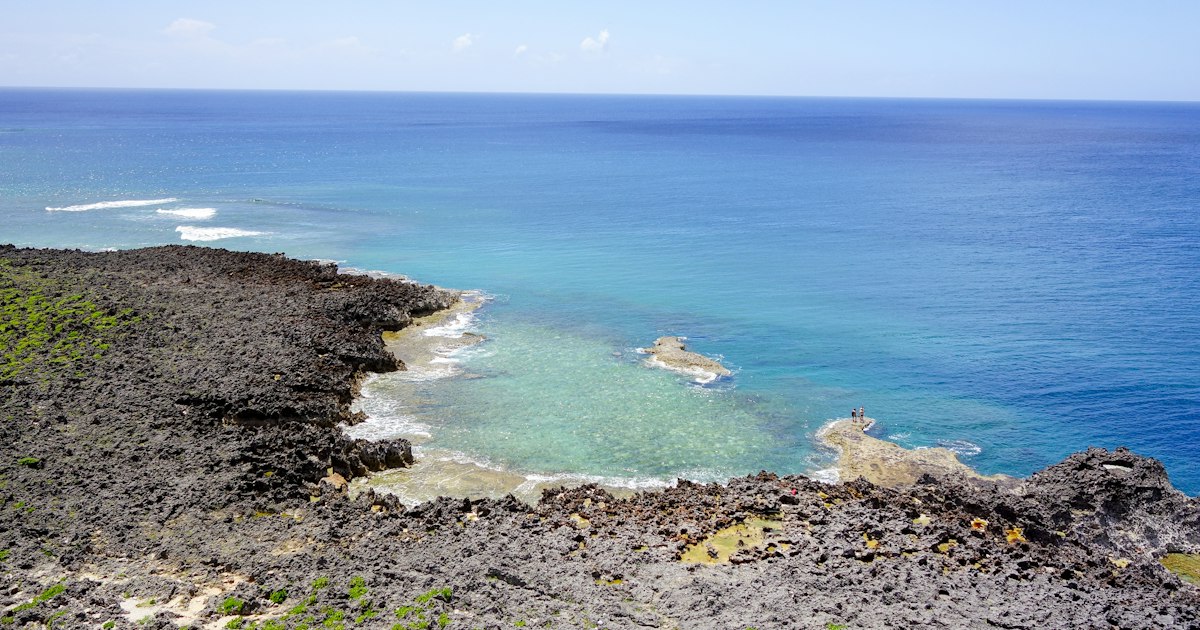
The Noto Peninsula juts out from Ishikawa Prefecture into the Sea of Japan like a crooked finger, lined with pine-covered cliffs, terraced rice fields that run down to the water, and fishing towns that have made lacquerware, salt, and squid for centuries. It’s one of the least-visited corners of Honshu — which is exactly the appeal — but it’s also a place still working through the aftermath of the magnitude 7.6 earthquake that struck on January 1, 2024, badly damaging Wajima, Suzu, and much of the peninsula’s northern coast. Visiting now means seeing both sides of Noto: a genuinely wild, uncrowded coastline, and a region rebuilding in real time. Travelers who loved the raw, far-flung drama of Hokkaido’s Shiretoko Peninsula will recognize the same appeal here, just a lot closer to Tokyo and Kyoto.
A Coastline Still Finding Its Footing
The 2024 earthquake and the tsunami warnings that followed caused major damage across the northern half of the peninsula, especially in Wajima and Suzu. Roads buckled, the port areas were hit hard, and a fire that broke out near Wajima’s morning market destroyed a large stretch of the old town center. Reconstruction has been ongoing through 2025 and into 2026, and it’s uneven: some stretches of coast road and some businesses are back to normal, while others — particularly parts of Suzu and the far northern tip — are still visibly working through repairs. This isn’t a reason to skip Noto, but it is a reason to check current conditions before you go, keep your itinerary flexible, and not expect every shop, inn, or road to be open exactly as described in older guidebooks.
Getting There and Getting Around
Kanazawa is the gateway. From Tokyo, the Hokuriku Shinkansen reaches Kanazawa in about 2 hours 30 minutes (roughly ¥14,000 one-way, more with a reserved seat). From there, Noto is best explored by rental car — public transport thins out fast once you leave the Kanazawa area. The JR Nanao Line runs from Kanazawa to Wakura Onsen (about 1 hour), and the Noto Railway continues from there to Anamizu; beyond that, buses (run by Hokutetsu and local municipal services) cover the rest of the peninsula, but on limited, infrequent schedules that aren’t built around tourist sightseeing. A rental car from Kanazawa Station (budget ¥7,000–¥12,000/day for a compact car) gives you the freedom to actually see the coastline at your own pace, and it’s the only realistic way to reach some of the more remote viewpoints and rice terraces. Expect winding, narrow roads, and build in extra time — some sections near Suzu may still be under repair, so it’s worth checking recent road status before setting out rather than trusting an old map app blindly.
Wajima: Lacquerware, the Morning Market, and the Long Road Back
Wajima is the peninsula’s best-known town, famous for Wajima-nuri, a lacquerware tradition built on an unusually durable, multi-layered technique that’s been refined here for over 500 years. Before the fire, the Wajima Morning Market (Asa-ichi) was ranked among Japan’s three great morning markets, with vendors selling fresh seafood and local crafts along a street that had operated daily for generations. That street was largely destroyed, and the market has been rebuilding in phases, with vendors operating from temporary stalls as the area is reconstructed — a moving thing to see in person, but worth checking current status on, since hours and exact locations have shifted repeatedly since 2024. Lacquerware workshops and the Wajima Kiriko Art Museum (dedicated to the elaborate lantern floats used in the town’s summer festival) are good anchors for a visit regardless of what’s open on the market street that day. If you’re drawn to regional craft towns, this fits alongside day trips like Seki’s blade workshops or Mino’s pottery kilns — small towns where a single traditional craft defines the whole place.
The Noto Kongo Coast and Shiroyone Senmaida Rice Terraces
The western coastline, known as Noto Kongo, is the peninsula’s visual highlight: wind-carved rock formations, sea caves, and cliffs facing directly into the Sea of Japan. Ganmon, a natural rock arch near the town of Monzen, is the best-known stop and easily reached by car with roadside parking. Further north, Shiroyone Senmaida is a set of roughly 1,000 small terraced rice paddies cut into a hillside that drops straight to the ocean — one of the most photographed rural scenes in Ishikawa. In the colder months (typically October through March), the terraces are lit up at night with thousands of small solar-powered lights, a popular and free evening stop if you’re staying nearby. Both sites survived the 2024 quake without major structural loss, though access roads in the area have seen intermittent repair work, so build slack into your schedule.
Best Time to Visit
Late spring (May–June) and early autumn (September–October) offer the mildest weather and the clearest coastal views. Summer brings Noto’s lively local festivals, including Wajima’s Kiriko lantern float festival, but also Japan’s typhoon season, which can disrupt coastal roads and ferry access to nearby islands — worth checking forecasts closely if you’re visiting August through September. Winter (roughly November through March) is prime season for zuwaigani snow crab, which Noto’s fishing ports are known for alongside Fukui and the rest of the Hokuriku coast — many local inns build their winter menus entirely around it. Winter also means rougher seas, grayer skies, and a real chance of snow inland, so it suits travelers more interested in food than coastal photography.
Where to Stay and What to Budget
Lodging options have thinned since 2024 as some properties remain closed for repairs, so book further ahead than you would for most of Japan. On a budget, minshuku (family-run guesthouses) around Wajima or Wakura Onsen run roughly ¥7,000–¥10,000 per person with breakfast. Mid-range travelers can find onsen ryokan in Wakura Onsen, Noto’s main hot spring town, from around ¥18,000–¥28,000 per night including a seafood-heavy dinner. For a splurge, a handful of high-end ryokan serving kaiseki built around the day’s catch — crab in winter, local squid and sea bream the rest of the year — run ¥35,000 and up per person per night. Cash is still king in smaller fishing towns; while QR code apps like PayPay are spreading in Japanese cities (see our guide to using PayPay and Rakuten Pay as a tourist), don’t count on card or app payment at small markets, family-run inns, or roadside stalls out here — carry enough yen for a day or two at a time.
Common Mistakes to Avoid
The biggest mistake is treating Noto like a normal, fully-serviced tourist region — it isn’t right now, and that’s worth respecting rather than working around. Don’t assume a train or bus will get you everywhere; without a car, you’ll miss most of the coastline. Don’t assume every restaurant, inn, or market stall listed online is currently operating — call ahead or check recent reviews, since recovery status changes month to month. Don’t rush the drive: coastal roads are narrow and slower than GPS estimates suggest, especially after rain. And don’t skip talking to locals if you get the chance — many Wajima and Suzu residents are glad to share what’s reopened and what’s worth seeing, and it’s often more current than anything online.