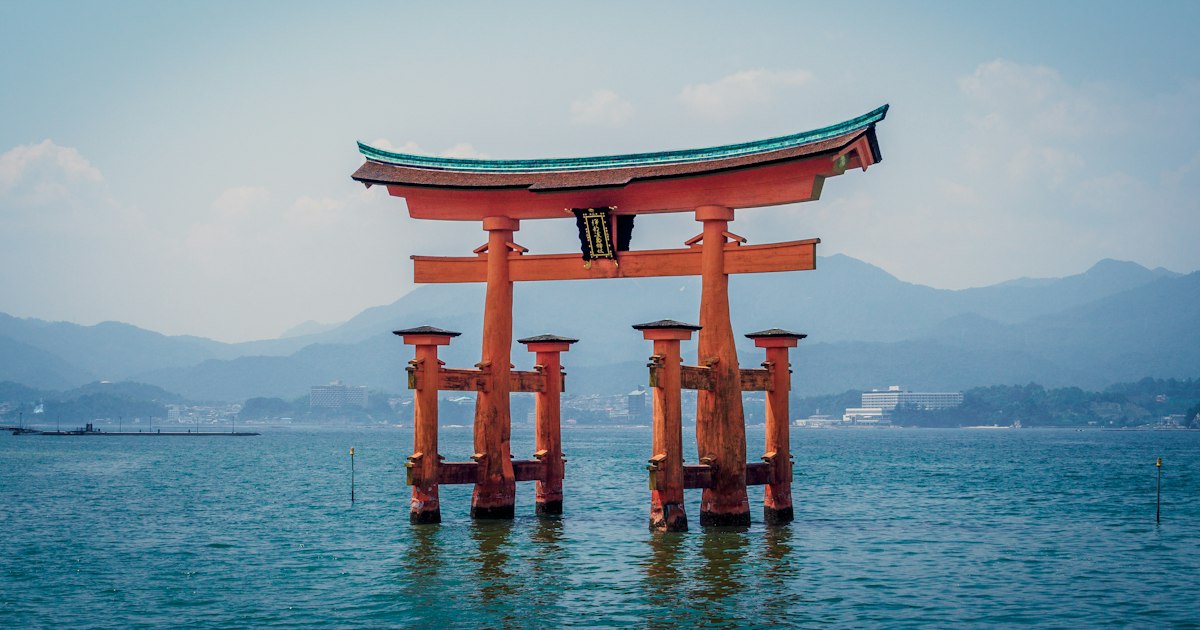
Photo by Nicki Eliza Schinow on Unsplash
Everyone who visits Miyajima comes home talking about the floating torii gate and the grilled oysters. Almost nobody mentions the dish locals actually order for lunch: anagomeshi, a bowl or box of warm rice topped with glazed conger eel. It’s cheaper than premium unagi, lighter in texture, and tied to this exact stretch of the Seto Inland Sea — conger eel has been pulled from the waters around Hiroshima for well over a century. If you’re planning a day trip to the island, it’s worth building your schedule around this dish rather than treating it as an afterthought.
What Makes Anago Different From Unagi
Anago (conger eel, a saltwater species) and unagi (freshwater eel) get lumped together by visitors, but they’re prepared and served quite differently. Unagi is typically steamed then grilled with a thick, sweet-savory glaze (kabayaki), giving it a dense, fatty bite. Anago has a leaner, more delicate flesh, and the Hiroshima style usually simmers it in a soy-dashi sauce before a light grilling, then lays the fillets over rice that’s been cooked in the same simmering liquid — so the rice itself carries the flavor, not just the eel on top. The result is a lighter, more savory dish that doesn’t sit as heavy as a unagi box, which is part of why it works so well as a midday meal before more walking around the island.
Where to Eat It: Budget to Splurge
You don’t need to hunt far — Miyajima’s anago restaurants cluster around the ferry pier and the main shopping street (Omotesando).
- Budget (around 1,000–1,500 JPY): Small stalls and casual counters near the pier sell anago-don (a simpler rice bowl version) without the lacquered box presentation. Good for a quick, honest version of the dish if you’re short on time between ferries.
- Mid-range (roughly 2,000–3,200 JPY): Sit-down restaurants serving anagomeshi in a proper lacquer box, usually with a small side of pickles and clear soup. This is the classic experience — expect a wait of 20–40 minutes around midday, since most of these places are small and don’t take reservations for lunch walk-ins.
- Splurge (3,500 JPY and up): A handful of longer-established restaurants add seasonal sides, a larger portion, or table service in a traditional building. Worth it if you want to sit and linger rather than eat and move on.
One detail that surprises first-timers: some of the most famous anago restaurants aren’t on Miyajima island itself but right by JR Miyajimaguchi Station on the mainland, where you catch the ferry. If you’re rushing straight for the boat, you might walk past a well-known anagomeshi spot without realizing it.
How to Get to Miyajima
From central Hiroshima, take the JR Sanyo Line to Miyajimaguchi Station (about 25–30 minutes). From there it’s a short walk to the ferry terminal, and the crossing to Miyajima pier takes roughly 10 minutes. The JR ferry is covered by the Japan Rail Pass and most regional JR passes; the privately-run Miyajima Matsudai Kisen ferry is a paid alternative that runs a similar route and sometimes swings closer to the famous torii gate depending on tide and season. Either way, budget about an hour total from downtown Hiroshima to stepping onto the island. Most restaurants, including the anago specialists, are a short walk from the pier along or just off the main shopping street.
Best Time to Go
Lunch is the busiest window on Miyajima, roughly 11:30am to 1:30pm, when day-trippers from Hiroshima and tour buses arrive at once. If you want to avoid queuing for your rice box, aim for an early lunch around 11am or a late one closer to 2pm. The island itself is also worth timing around tides — the torii gate photo looks completely different at high tide (appears to float) versus low tide (you can walk up to it), so it’s worth checking a tide chart for the day rather than just showing up and hoping.
Seasonally, Hiroshima sits in the same typhoon-exposed part of the country as the rest of the Seto Inland Sea coast, so if you’re traveling between June and October, it’s worth checking how typhoon season in Japan might affect ferry schedules — the Miyajima ferry suspends service in strong wind or storm conditions, and that’s the only way on or off the island.
Common Mistakes to Avoid
- Assuming it’s the same as unagi and skipping it: If you’ve already had a unagi don elsewhere in Japan, don’t write this off as more of the same — the sauce, texture, and rice are noticeably different.
- Only budgeting time for oysters: Oyster stalls and anago restaurants are often steps apart, but the anago shops are smaller and slower to turn tables. If you want both, eat the anago first while you’re hungry and patient, then graze on oyster stalls afterward.
- Forgetting cash or cards for small counters: Some of the smaller anago stalls and older restaurants are cash-only or card-only with no in-between. QR code payment apps are increasingly accepted on the island’s main street, so it’s worth having PayPay or Rakuten Pay set up as a tourist as a backup if you’re caught without the right cash denomination.
- Trying to eat it as a quick snack: A proper anagomeshi box is a sit-down meal, not street food. Plan at least 30–45 minutes if you want the full lacquer-box version rather than the faster bowl.
Taking the Idea Home
If you fall for the dish, some shops sell vacuum-packed or frozen anago fillets with the simmering sauce included, meant to be reheated and served over rice back home — look for these near the register at the larger restaurants rather than at the casual stalls, which usually only serve food on-site. It’s a reasonable souvenir if you’ve got refrigerated luggage space and a flight home that isn’t too long.
Hiroshima rewards this kind of deeper regional-food digging more than most Japanese cities. If you enjoy chasing a specific seasonal or regional specialty like this one, the same instinct pays off elsewhere too — snow crab season in winter works the same way, built around a short window and a handful of towns that do it best. And if your trip continues on to Kyoto afterward, a similarly local, lesser-publicized dining scene is tucked into Pontocho Alley’s lantern-lit lane, where the good places are also easy to walk past if you don’t know to look for them.