Photo by Mario Verduzco on Unsplash
Order ramen in Japan and you’ll get a steaming bowl of noodles swimming in broth. Order tsukemen (つけ麺) and you’ll get something stranger-looking: a plate of cold or room-temperature noodles next to a small, intensely concentrated bowl of dipping sauce. New arrivals often assume something’s gone wrong with the order. Nothing has — this is one of Tokyo’s most distinctive noodle inventions, and once you know how to eat it, it’s one of the most satisfying bowls in the country.
What Tsukemen Actually Is
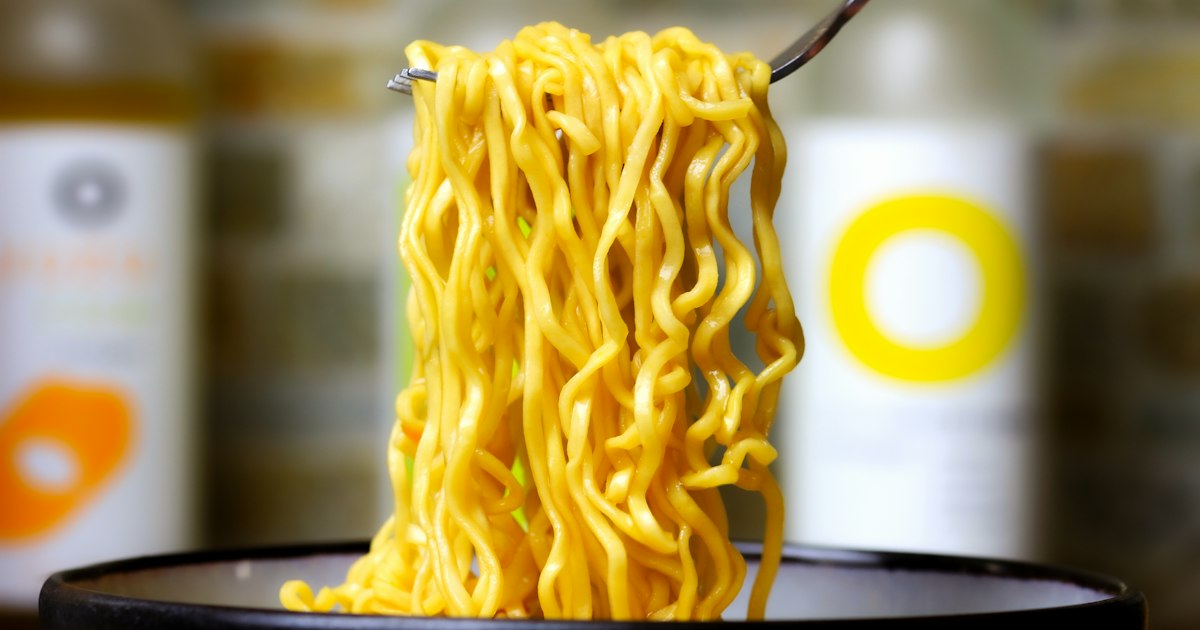
Tsukemen separates the two components of ramen that are normally combined. The noodles — thick, chewy, and usually served chilled or at room temperature to keep their bite — sit on one plate. The broth sits in a separate bowl, reduced down until it’s thick, salty, and far more intense than a normal ramen soup, since it’s not meant to be drunk on its own. You pick up a clump of noodles with your chopsticks, dunk it into the dipping bowl, and eat it directly from there.
The dish is credited to Kazuo Yamagishi, a cook at Taishoken in Higashi-Ikebukuro, Tokyo, who started serving noodles this way around 1961 and became known as the “god of tsukemen” before his death in 2015. His original shop closed in 2007, but several of his former apprentices still run Taishoken-lineage shops around Tokyo using close variations of his recipe, so the dish’s history is still very much tasteable today.
How to Eat It Without Looking Lost
There’s no elaborate ritual here, but a few habits separate a good bowl from a disappointing one:
- Dip, don’t dunk and hold. Lower a small bundle of noodles into the sauce, swirl briefly, and eat. The sauce is concentrated to coat quickly — leaving noodles submerged makes them oversalted.
- Eat at a steady pace. Because the noodles start at room temperature, they clump and lose texture faster than hot ramen noodles do. Tsukemen rewards eating briskly rather than lingering over conversation.
- Ask for “wari soup” at the end. When you’ve finished the noodles, you’ll have a small pool of thick, almost paste-like broth left. Most shops will top this up with hot dashi or soup stock if you ask for “sūpu-wari” (スープ割り) — it dilutes the concentrate into a drinkable soup so nothing goes to waste. Some shops do this automatically; at others you need to ask the staff or press a button at the counter.
- Toppings go in the dipping bowl, not the noodle plate, if you want them to pick up flavor — chashu pork, menma bamboo shoots, and ajitama (seasoned soft-boiled egg) are common.
Where to Try It in Tokyo
Tsukemen is a Tokyo specialty more than a nationwide one, and the city’s best-known shops cluster around a few neighborhoods.
Budget / classic: Taishoken’s disciple shops, including the one in Higashi-Ikebukuro that carries on the original name, serve a straightforward pork-and-dashi tsukemen for roughly ¥900–1,100. Expect a short counter, cash or IC card payment, and a line that moves fast — these are quick, no-frills meals, not sit-down dining.
Mid-range, destination-worthy: Rokurinsha, inside Tokyo Station’s “Ramen Street” basement arcade (Yaesu side, near the Tokyo subway exits), is the shop most visitors end up at simply because it’s inside the station and heavily thick-noodled with a rich pork-and-seafood dip. A regular bowl runs about ¥1,100–1,300. Fuunji in Shinjuku, a few minutes’ walk from the south exit of Shinjuku Station, is known for a niboshi (dried sardine) based dipping sauce with a sharper, more mineral flavor — expect to queue, especially at lunch, for a bowl around ¥1,000–1,200.
Splurge: True high-end tsukemen is rare since the dish is built around casual, fast dining, but some shops offer premium versions with double-fish-stock broths, wagyu chashu, or truffle oil finishes in the ¥1,800–2,500 range. These are the exception rather than the rule — most of the best bowls in Tokyo still cost under ¥1,300.
Both Tokyo Station and Shinjuku Station locations are easy to reach without a taxi: Tokyo Station is on the JR Yamanote, Chuo, and Shinkansen lines, and Rokurinsha is signposted inside the station’s underground mall. Fuunji is a five-minute walk from Shinjuku Station’s South Exit, which is served by JR, Odakyu, Keio, and several subway lines.
Best Time to Go
Tsukemen has no strict season, but it’s genuinely popular in summer — the noodles aren’t served scalding hot, and some shops offer a fully chilled “hiyashi tsukemen” version that’s more refreshing than a bowl of hot ramen on a humid Tokyo afternoon. For lines, the pattern is predictable at any time of year: arrive right at opening (many shops open around 11:00) or after 14:00 to avoid the worst of the lunch crowd, and again after 20:30 for dinner. Popular spots like Fuunji and Rokurinsha can have 20–30 minute waits during peak lunch hours (12:00–13:00) on weekdays and most of the afternoon on weekends.
Common Mistakes Visitors Make
- Trying to drink the dipping sauce straight. It’s deliberately oversalted and reduced — it’s meant to coat noodles, not be sipped on its own until it’s been diluted with wari-soup.
- Letting the bowl sit while taking photos. Tsukemen looks great on camera, but the noodles start degrading in texture within a few minutes. Take your shot quickly.
- Confusing the ordering style with Ramen Jiro’s. Tsukemen shops are generally relaxed about customization and don’t have the elaborate unwritten rules you’ll find at Ramen Jiro — you won’t be expected to call out toppings in a specific sequence, though some shops do use vending-machine ticket systems, so have coins or an IC card ready.
- Assuming it’s interchangeable with regular ramen. If you’re hoping for a hot, sippable soup, order ramen instead — tsukemen is a different eating experience by design, not a variation on the same theme.
If You Want to Go Deeper on Japanese Noodles
Tsukemen sits at one end of Japan’s noodle spectrum — dense, wheat-based, and broth-forward. For contrast, Okinawa soba uses a completely different noodle and pork-based broth tradition from the southern islands, while travelers interested in how noodles are actually made by hand can look into soba-making classes offered in several cities, which give a hands-on feel for the techniques behind Japan’s noodle culture more broadly.
Tsukemen rewards a little homework before you sit down, but none of it is complicated: know that the sauce is for dipping, eat before the noodles cool and clump, and ask for wari-soup at the end. Do that, and a ¥1,000 bowl in a Tokyo Station basement arcade or a Shinjuku side street becomes one of the most memorable meals of the trip.