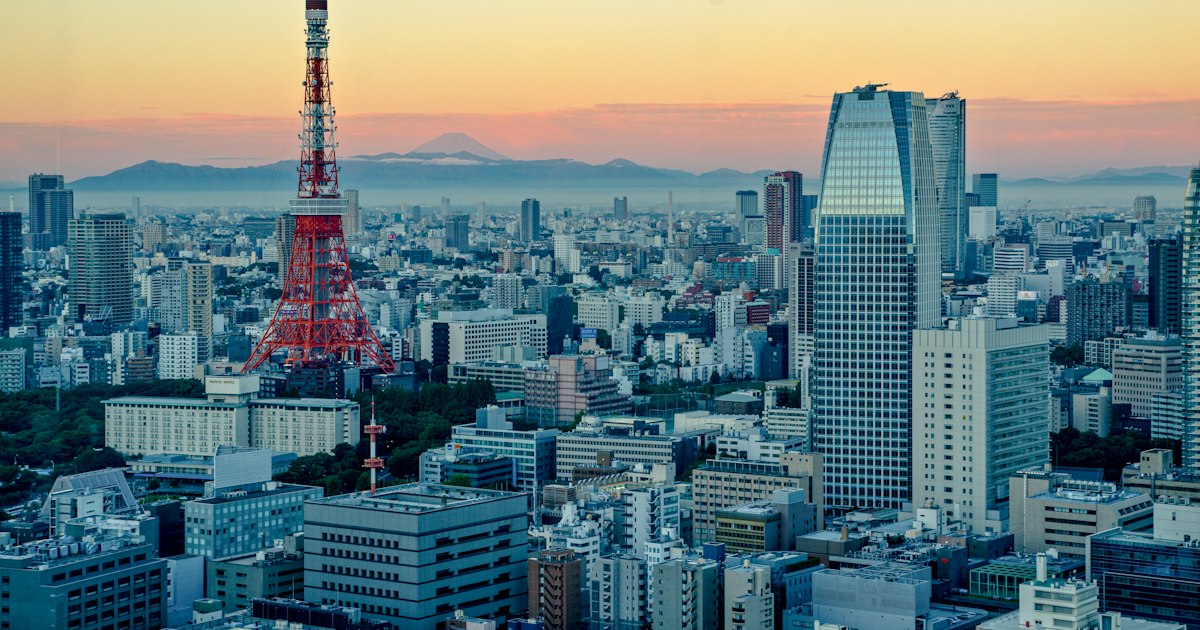
Photo by Clement Souchet on Unsplash
Shibuya Sky is the open-air rooftop deck on top of Shibuya Scramble Square, and it’s one of the few places in Tokyo where you can stand outside, with no glass between you and the skyline, 230 meters above the Shibuya Scramble crossing. Unlike Tokyo Tower or the Tokyo Skytree, which both sit on their own dedicated plots, Shibuya Sky rewards you with the one view those towers can’t give you: Shibuya itself, the crossing, the trains, and Mount Fuji on a clear winter evening. Here’s how to book it, what it costs, and how to avoid the mistakes that trip up first-time visitors.
What Shibuya Sky Actually Is
Shibuya Sky occupies the top of Shibuya Scramble Square, the tallest building in the Shibuya Station complex. The experience has three parts: an indoor approach floor with exhibits and a café, and then the main draw — “SKY STAGE,” the rooftop deck on the 47th floor. The roof is genuinely open to the sky, with a mesh safety barrier rather than glass, net hammocks you can lie in, and a rooftop bar (weather permitting) serving drinks and light snacks. It’s a short visit by Tokyo standards — most people spend 45 minutes to an hour up top — but it’s one of the most photogenic 45 minutes you’ll have in the city.
How to Get There
Shibuya Sky is directly connected to Shibuya Station, which makes it one of the easiest major attractions in Tokyo to reach. If you’re riding the Yamanote Line, get off at Shibuya and follow signs for Shibuya Scramble Square — the building sits right above the station’s East exit, and you can walk there underground without going outside, which matters on a rainy day. The ticket counter is on the 14th floor; you buy or scan your ticket there, then take a dedicated high-speed elevator up to the rooftop. Budget about 10-15 minutes just to get from the station turnstiles to the 14th floor, more if it’s crowded.
Tickets and Current Pricing
Shibuya Sky uses timed-entry tickets — you book a specific entry window (not a specific time to leave), and advance online tickets are cheaper than walk-up tickets at the counter. As of recent pricing, advance online tickets run approximately ¥2,200 for adults on weekdays and ¥2,500 on weekends and holidays, with discounted rates for ages 12–17 (around ¥1,700–1,900), ages 6–11 (around ¥1,000–1,200), and ages 3–5 (around ¥600–700). Walk-in tickets purchased at the counter cost roughly ¥500 more per category, and on busy days (especially sunset slots) they can sell out entirely, so same-day walk-ups aren’t guaranteed. Book through the official Shibuya Sky website, ideally a few days ahead if you want a sunset slot. Opening hours are typically 10:00 AM to 10:30 PM, with last entry at 9:20 PM, though the rooftop portion closes early or stays indoor-only during storms, high winds, or lightning.
Best Time to Visit
Sunset is the most requested slot, and for good reason — you get daylight views, the golden hour over the city, and then the lights of Shibuya switching on, all in one visit. It’s also the slot most likely to sell out, so book that time slot specifically rather than hoping to wander up casually. If you’d rather avoid crowds, a weekday mid-afternoon slot is noticeably quieter. For visibility, winter is generally the best season: the air is drier and less hazy, which gives you the best shot at seeing Mount Fuji to the southwest on a clear evening. Summer visits are often hazier, and the rooftop can feel genuinely hot with no shade in the middle of the day.
Common Mistakes to Avoid
- Not booking the sunset slot in advance. It’s the single most popular window and routinely sells out, especially on weekends and holidays.
- Assuming it’s indoors. The 47th-floor deck is open-air. Wind up there is strong and constant — hats, loose scarves, and anything that can blow off are discouraged, and there are small lockers near the entrance for bags and items you don’t want to carry.
- Showing up right before closing expecting a full visit. Last entry is earlier than closing time, and staff will close the rooftop without notice in bad weather, with no refund guaranteed for that scenario, so check the forecast before committing to a time slot.
- Skipping the pre-trip paperwork. This isn’t specific to Shibuya Sky, but if you haven’t yet set up your immigration and customs details before arriving in Japan, it’s worth doing it the same week you’re booking attraction tickets — see our guide to Visit Japan Web for how to pre-register before you land.
Budget, Mid-Range, and Splurge Options
For a budget visitmid-range experiencesplurge
After Your Visit
Once you’re back down at street level, Shibuya rewards a few extra hours of wandering. The backstreets around Shibuya and neighboring Harajuku and Jingumae are some of the best hunting grounds in Tokyo for secondhand American clothing — if that’s on your list, our guide to vintage Levi’s and Americana shopping in Japan covers what to look for and why Japan’s secondhand racks are so good. Shibuya Sky works well as a bookend to a day of shopping and exploring the area rather than a standalone trip — you’ll appreciate the view more once you’ve seen the crossing from ground level first.