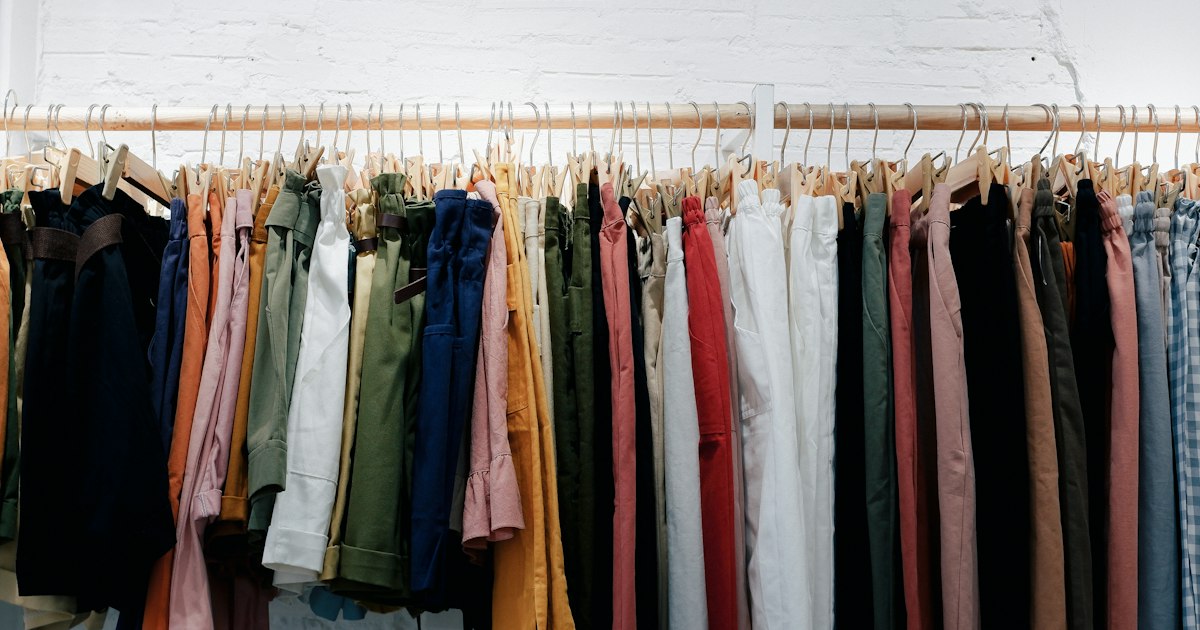
Photo by Fujiphilm on Unsplash
It sounds backwards: the best place on Earth to find a 1960s Levi’s 501 or a decades-old Pendleton flannel isn’t a flea market in California — it’s a narrow side street in Tokyo or Osaka. But Japan has spent over fifty years obsessively importing, preserving, and curating American clothing, and the result is a vintage market deeper and better organized than almost anywhere in the country that originally made the stuff. If you care even a little about denim or Americana, it’s worth building a few hours of your itinerary around it.
Why Japan Became the World’s Attic for American Clothing
The obsession dates back to the postwar era, when American GI culture, Hollywood films, and later surf and skate imagery made US workwear a symbol of cool for young Japanese consumers. By the 1970s and 80s, Japanese buyers were flying to the US specifically to clean out army surplus stores, thrift shops, and rural outlets for Levi’s, Lee, Pendleton, and military-issue clothing — often paying more attention to construction details (selvedge seams, button-back designs, chain-stitch hems) than American collectors did at the time. Decades of careful storage, a culture that values well-kept objects, and Japan’s famously low humidity in many storage warehouses mean a lot of this stock survived in better condition than it would have stateside. Japanese brands like Evisu, Studio D’Artisan, and Momotaro later built entire reproduction industries around reverse-engineering these pieces, which only deepened the country’s expertise and appetite for the originals.
Tokyo’s Vintage Neighborhoods
Three Tokyo areas cover most of what you’ll want:
- Harajuku (Ura-Harajuku backstreets): Home to some of the most serious vintage Levi’s dealers in the world. Berberjin specializes in rare “Big E” and selvedge Levi’s, with museum-piece 1950s–60s jeans displayed like artifacts — expect high prices but also pieces you won’t see elsewhere. Buffalo Bobs and RUSH are longtime Levi’s specialists with more accessible stock. Most shops here open around 12:00–20:00 and are closed on irregular weekdays, so check social media before a special trip. Reach Harajuku via JR Harajuku Station on the Yamanote Line, then walk into the quieter backstreets north of Takeshita-dori.
- Shimokitazawa: A looser, more affordable vintage district packed into a maze of small lanes near the station. Flamingo, Big Time, New York Joe Exchange, and Jumble Store all sit within a few minutes’ walk of each other. This is a great spot for flannel shirts, varsity jackets, and band tees at friendlier prices than Harajuku. It’s about 8 minutes from Shibuya or Shinjuku on the Odakyu or Keio Inokashira lines.
- Koenji: The budget-friendly cousin of Shimokitazawa, with multiple branches of the secondhand chain Kinji and a grittier, less touristed feel. Ten minutes from Shinjuku on the JR Chuo Line.
Shop addresses in these districts are often written as building names and block numbers rather than clear street addresses, which can make them tricky to navigate even with a map pin — it helps to understand how Japanese addresses work before you go wandering the backstreets.
Kojima, Okayama: Japan’s Denim Town
If Tokyo is where you buy original American vintage, Kojima in Okayama Prefecture is where you see Japan’s side of the obsession. Kojima Jeans Street is a few hundred meters of denim-focused shops and ateliers from brands like Momotaro, Japan Blue, Betty Smith, and Studio D’Artisan, most using vintage shuttle looms to reproduce the exact selvedge fabric American mills stopped making decades ago. It’s less about finding a real 1960s pair and more about understanding why Japanese denim commands the reputation it does — worth an afternoon if you’re already in the Okayama/Kurashiki area. Take the Shinkansen to Okayama Station, then a local train on the Seto Ohashi Line to Kojima Station (about 20 minutes), followed by a short bus ride or 15-minute walk to the street.
Osaka’s Amerika-Mura
Osaka’s answer to Harajuku, Amerika-Mura (“America Village”) near Shinsaibashi station, is a dense cluster of secondhand and vintage shops, including outposts of chains like Chicago and Second Street alongside independent dealers. It’s a good stop if your trip is Kansai-focused and you don’t have time for a dedicated Tokyo vintage crawl.
What to Actually Look For
A few details separate genuine old stock from reproductions or later remakes:
- Selvedge edge:
- “Big E” vs small “e”: Levi’s capitalized the “E” in “LEVI’S” on the red tab until 1971. A big E alone doesn’t guarantee age (some are reissues), but a small e rules out anything pre-1971.
- Arcuate stitching and leather patch: Check stitch pattern and material against reference photos — many dealers in Harajuku will happily explain the dating points of a specific pair, since that’s half the appeal of the purchase.
- Condition honesty: Reputable shops disclose repairs, re-weaves, and replaced buttons. Ask directly; most staff speak enough English for this kind of transactional detail.
Real Prices in Yen
- Budget: Chain stores like Kinji and Second Street sell well-worn 1990s–2000s Levi’s 501s, band tees, and flannels from roughly ¥1,500–5,000.
- Mid-range: Clean 1980s–90s “Made in USA” Levi’s 501s or 505s typically run ¥8,000–25,000 at specialist shops; vintage Levi’s trucker jackets or Pendleton wool shirts often land in the ¥15,000–50,000 range.
- Splurge: Big E selvedge 501XX from the 1950s–60s can run ¥80,000–300,000+ depending on condition, and documented pre-war or WWII-era pieces at specialists like Berberjin can reach into the hundreds of thousands of yen or more.
Common Mistakes and Practical Tips
Don’t try to haggle — Japanese retail, including most vintage shops, runs on fixed pricing, and bargaining attempts tend to just confuse staff. Bring cash; a surprising number of small vintage boutiques are cash-only or charge a fee for card payments. If your total purchase at one store exceeds ¥5,000, ask about tax-free processing — it’s worth pre-registering your passport and customs details through Visit Japan Web before you land so the paperwork at checkout is quick. Finally, don’t assume a quiet midweek afternoon means bad timing — many shops restock after buying trips on no fixed schedule, so the best pieces often disappear fast after being posted on a shop’s Instagram, and weekend crowds in Harajuku and Shimokitazawa can make unhurried browsing difficult. If you’re serious about a specific item, follow a shop’s social media for a week or two before your trip and go in with realistic expectations about size — vintage American clothing runs larger than most contemporary Japanese sizing, which is part of why it fits so well into current oversized trends.