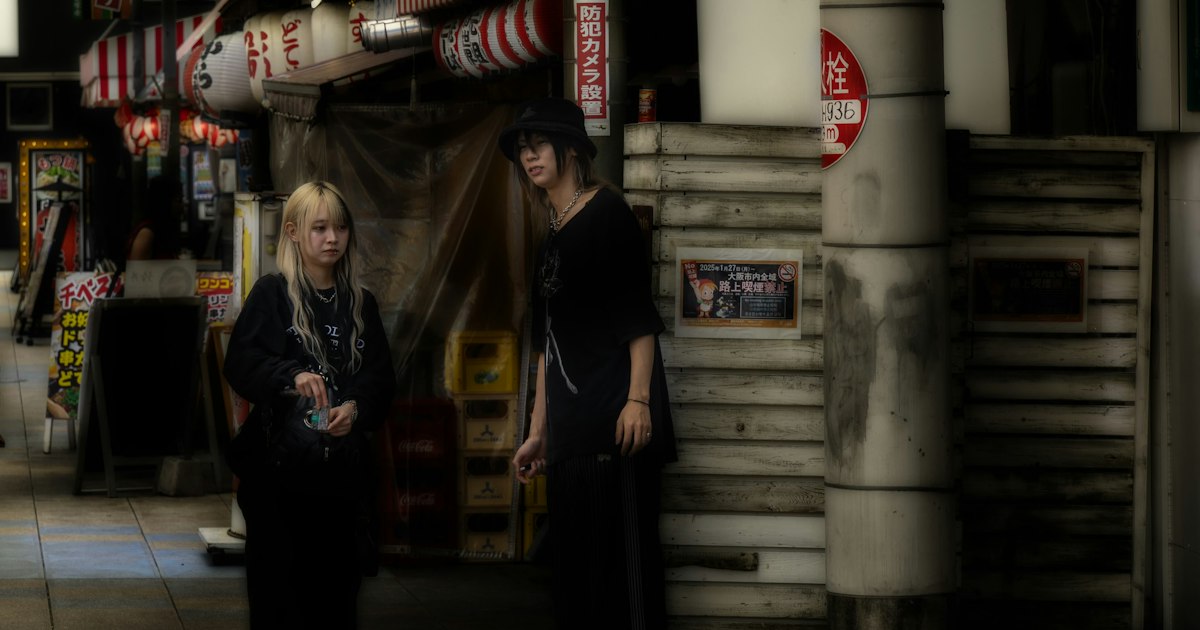
Photo by Jesus Esteban on Unsplash
Lolita fashion — the Victorian-doll-meets-street-style look born in 1990s Harajuku — is still very much alive, and Japan remains the only place to buy it straight from the source. Whether you’re after the pastel bows and cupcake prints of Sweet Lolita or the black lace and crosses of Gothic Lolita, this guide covers exactly where to shop, what things cost, and the mistakes that trip up most first-time buyers.
What “Lolita Fashion” Actually Means
Before you shop, it helps to know the substyles, since brands and shops specialize:
- Sweet Lolita — pastel colors, fruit and sweets prints, lace. Leading brands: Angelic Pretty, Baby the Stars Shine Bright, Metamorphose temps de fille.
- Gothic Lolita — black, burgundy, and navy, with crosses, roses, and corset-style bodices. Leading brands: Alice and the Pirates (Baby’s gothic sister line), h.NAOTO, Victorian Maiden.
- Classic Lolita — muted colors, floral jacquards, a more “antique doll” look. Leading brand: Innocent World.
Knowing this matters because a shop that’s great for Sweet Lolita (think Angelic Pretty’s signature strawberry prints) may carry almost nothing gothic, and vice versa.
Harajuku: The Center of the Lolita World
Harajuku is still ground zero. Get off at Harajuku Station (JR Yamanote Line) or Meiji-jingumae Station (Chiyoda/Fukutoshin Lines) and head toward the backstreets around Laforet Harajuku. Several core brands run their own standalone boutiques within a few blocks of each other, generally open 11:00–20:00. Store layouts are small — often a single room with racks along the walls and one changing room — so expect to queue slightly during weekends and holidays.
While you’re in the neighborhood, it’s worth building the rest of the look: @cosme Store in Harajuku stocks the dolly-eyed makeup (circle lenses aside, think false lashes and pearl highlighters) that Lolita styling leans on, and Kiddy Land Harajuku is a five-minute walk away if you want character goods to match a sweeter wardrobe.
Marui One Shinjuku: The One-Stop Alternative
If you only have time for one shopping trip, go to Marui One in Shinjuku (east side of Shinjuku Station, Marui-area exit). Several floors are dedicated to Japanese subculture fashion, with in-store corners for multiple Lolita and gothic brands under one roof — useful for comparing Angelic Pretty against Alice and the Pirates without crossing the city. Hours run roughly 11:00–20:00; go on a weekday morning to avoid the worst crowds, since weekend afternoons draw serious queues at the fitting rooms.
Secondhand and Resale: Closet Child and Mandarake
New brand dresses (called JSKs — jumper skirts) run ¥25,000–¥45,000, and limited prints often sell out online via lottery before they ever reach a physical shelf. Secondhand is how most collectors actually build a wardrobe:
- Closet Child — the main secondhand Lolita/gothic/visual-kei chain, with branches in Harajuku, Shinjuku, and Osaka’s Amerikamura. Stock turns over constantly; expect JSKs from ¥8,000–¥20,000 and blouses from ¥3,000–¥8,000, with rare discontinued prints priced much higher.
- Mandarake — better known for manga and figures, but its Nakano and Osaka Nipponbashi branches carry cosplay and gothic/Lolita-adjacent clothing and accessories worth checking if you’re already there for other finds.
For a true splurge, sold-out “grail” prints from brands like Angelic Pretty or Baby can resell for ¥50,000–¥150,000+ when a specific colorway has a cult following — treat secondhand browsing as treasure hunting, not a guaranteed bargain bin.
Building the Rest of the Look
Lolita outfits are assembled from more than just the dress. Budget separately for:
- Headwear — bonnets and headdresses run ¥6,000–¥12,000 at brand shops; for a Wa-Lolita (kimono-influenced) take on the style, traditional kanzashi hairpins make an authentic and often cheaper substitute for a Western-style headdress.
- Shoes — Mary Janes and platform boots from brand lines cost ¥8,000–¥15,000; generic platform Mary Janes from general shoe stores are a budget-friendly stand-in.
- Petticoats and blouses — often the easiest items to buy secondhand since sizing is more forgiving than with structured bodices.
Best Time to Shop
Brands release new seasonal lines roughly four times a year, with Gothic-leaning “Halloween” collections typically dropping in September and October — the best window if you specifically want gothic prints, since gothic stock thins out the rest of the year in favor of sweeter releases. Japan’s two national bargain seasons, January and July, are when existing stock (including past-season Lolita pieces) gets marked down at brand shops, so plan a trip around those months if price matters more than getting the newest print.
Common Mistakes to Avoid
- Assuming S/M/L sizing. Japanese Lolita brands size by bust/waist measurement in centimeters (standard JSKs usually fit roughly an 82–88cm bust); always check the cm chart rather than guessing from a US/UK size.
- Expecting walk-in stock of new releases. Hyped prints sell out through online preorder (yoyaku) lotteries before a single piece reaches the shop floor — if you want a specific new print, check the brand’s website before your trip rather than counting on finding it in-store.
- Forgetting tax-free rules don’t apply to secondhand. New brand shops can process the consumption-tax exemption with your passport on purchases over ¥5,000 (pre-tax) in a single visit, but Closet Child and most resale shops cannot offer this.
- Machine-washing delicate pieces. Most brand dresses have structured bodices, boning, or delicate lace that should be hand-washed or dry-cleaned — ask staff before you buy if you’re unsure of care requirements.
Quick Budget Guide
- Budget: secondhand blouse or accessory at Closet Child, ¥3,000–¥8,000.
- Mid-range: a secondhand JSK in good condition from a mainstream print, ¥10,000–¥20,000.
- Splurge: a new-season brand dress bought direct from Angelic Pretty, Baby, or Alice and the Pirates, ¥25,000–¥45,000, or a rare discontinued print at resale value well above that.
However much you spend, give yourself a full afternoon rather than rushing — between Harajuku’s standalone boutiques and the brand corners inside Marui One, Lolita shopping in Japan rewards slow browsing far more than a quick in-and-out stop.