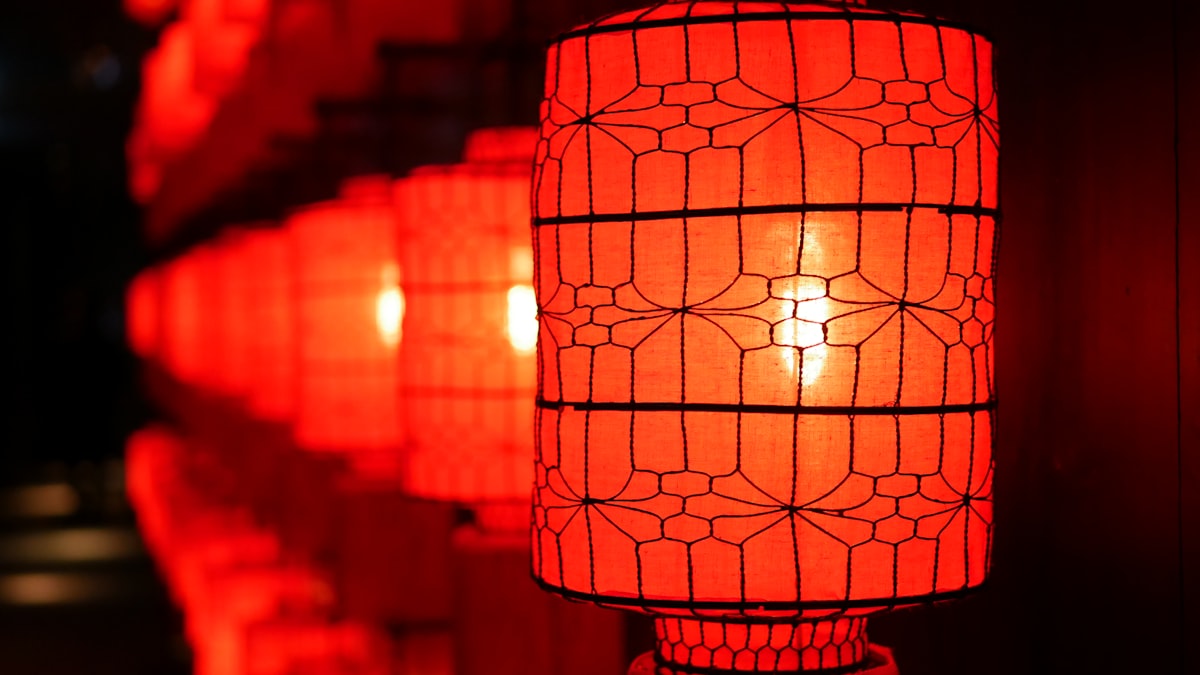
Japan’s festivals (matsuri) are among the best reasons to time a trip — fireworks, portable shrines, lantern-lit nights, and food stalls galore. Here’s a guide to the big ones and how to enjoy them.
Famous festivals by season
- Spring: cherry-blossom hanami parties everywhere — see our cherry blossom guide; Takayama Spring Festival.
- Summer: the big season — Gion Matsuri (Kyoto), Tenjin Matsuri (Osaka), Nebuta (Aomori), and countless fireworks (hanabi) festivals.
- Autumn: Takayama Autumn Festival and harvest matsuri amid the fall foliage.
- Winter: the Sapporo Snow Festival and atmospheric New Year shrine visits (hatsumode).
What to expect
- Mikoshi — portable shrines carried through the streets by chanting crowds.
- Yatai food stalls — takoyaki, yakisoba, candied apples, shaved ice.
- Yukata — locals dress up; you can too (see our yukata guide).
Tips for enjoying matsuri
- Arrive early for fireworks — the best spots and trains fill fast.
- Carry cash for stalls; expect big crowds and limited transport after.
- Check exact dates each year — many are fixed to specific days, not weekends.
- Mind your manners in the crush — see our etiquette guide.
Time a festival into your itinerary and check the best time to visit.
Costs & how festivals actually work
- Most matsuri are free to attend — you’re paying only for food stalls (JPY 300-700 per item) and, for major hanabi festivals, sometimes a reserved seating area (JPY 2,000-5,000) if you want to skip the free general viewing spots.
- Big-name festivals like Gion Matsuri and Nebuta draw huge crowds and can fully book nearby hotels months ahead — if a specific festival is your trip’s anchor, book lodging before anything else.
- Fireworks festivals in particular can pack local trains afterward for over an hour; budget extra time or plan to linger for food after the show ends rather than rushing for the last train with everyone else.
Common mistakes to avoid
- Assuming a festival happens on a fixed weekend — many matsuri are pinned to specific calendar dates regardless of weekday, so always check the current year’s exact schedule rather than relying on “usually happens in July.”
- Skipping the daytime portion of a festival to save for the evening highlights — daytime processions, mikoshi parades, and smaller stalls are often just as memorable and much less crowded.
- Wearing a rented yukata with sandals unsuited to a long day of standing and walking — comfortable footwear matters more than perfect styling for an all-day festival visit.
Building a festival around your trip dates
Rather than picking a destination first, some of the best matsuri trips work backward from the calendar — check which festivals overlap with your travel window using an updated yearly matsuri calendar, then route your itinerary to catch one or two rather than trying to force a fit. See our best time to visit guide for how festival season interacts with weather and crowds more broadly.
Festival food worth trying beyond the basics
Beyond takoyaki and yakisoba, look for festival-specific treats like ringo-ame (candied apples in a hard red shell), choco-banana on a stick, and regional specialties tied to that particular matsuri — Gion Matsuri stalls in Kyoto, for instance, sell items you won’t find at a typical Tokyo summer festival, so treat the food as part of the region’s character, not a generic festival menu.