Japan Trove

Category: Culture & Seasons

Etiquette, onsen, ryokan, seasons and cultural experiences to enjoy Japan like a local.

  • Watching Baseball in Japan: A Fan’s Guide

    Watching Baseball in Japan: A Fan’s Guide

    Catching a baseball game in Japan is one of the most fun (and surprisingly different) things you can do — nonstop cheering, brass bands, and a party atmosphere. Here’s how to experience it.

    Why it’s a must-do

    Japanese baseball (NPB) turns the crowd into the show: each team has organized cheering sections (oendan) with chants, trumpets, and songs for every player. It’s loud, joyful, and welcoming to newcomers — even if you don’t follow the sport.

    The basics

    • Season: roughly late March to October, with playoffs and the Japan Series after.
    • Teams to catch: the Tokyo Giants and Swallows, Hanshin Tigers (Osaka — famously passionate fans), SoftBank Hawks (Fukuoka), and more.
    • Tickets are affordable and easy to buy online or at convenience stores; big games sell out.

    What to expect at the stadium

    • Cheer with the home section — follow along; fans will happily show you.
    • Beer “girls” with kegs on their backs, and great stadium food (try a bento).
    • Seventh-inning balloon launch at some stadiums — an iconic moment.

    Tips

    • Sit in the outfield/cheering section for the full atmosphere, or infield for a calmer view.
    • Bring some cash for food and merch (see money in Japan).
    • Games are in Tokyo, Osaka, Fukuoka and more — easy to fit into any itinerary.
  • Karaoke in Japan: A First-Timer’s Guide

    Karaoke in Japan: A First-Timer’s Guide

    Karaoke is a beloved Japanese pastime and a must-try night out — and it works very differently from karaoke bars back home. Here’s how to do it, even if you don’t speak Japanese.

    How Japanese karaoke works

    You rent a private room (karaoke box) by the hour for your group — no singing in front of strangers. You order drinks and food to the room, pick songs on a tablet, and belt out as many as you like.

    Step by step

    1. Check in at the front desk — say your group size and how long (e.g. “two hours”).
    2. Options like nomihodai (all-you-can-drink) are common and good value.
    3. Find your room; use the tablet remote (switch to English) to search songs.
    4. Call the front desk to extend time or order food/drinks.

    Good to know

    • Big chains (like Big Echo, Karaoke Kan, Joysound) have huge English and international song lists.
    • Cheaper by day, pricier at night and weekends; free time (freetime) deals exist.
    • Great for groups, families, and solo travelers (yes, solo karaoke — hitokara — is a thing).

    Tips

    • Tambourines and mics are provided — go all in.
    • Pay at the end at the front desk; carry some cash (see money in Japan).
    • Pair it with a night out in Shinjuku or Shibuya. More only-in-Japan fun in our Tokyo guide.
  • Japanese Castles: The Best to Visit (and the Original 12)

    Japanese Castles: The Best to Visit (and the Original 12)

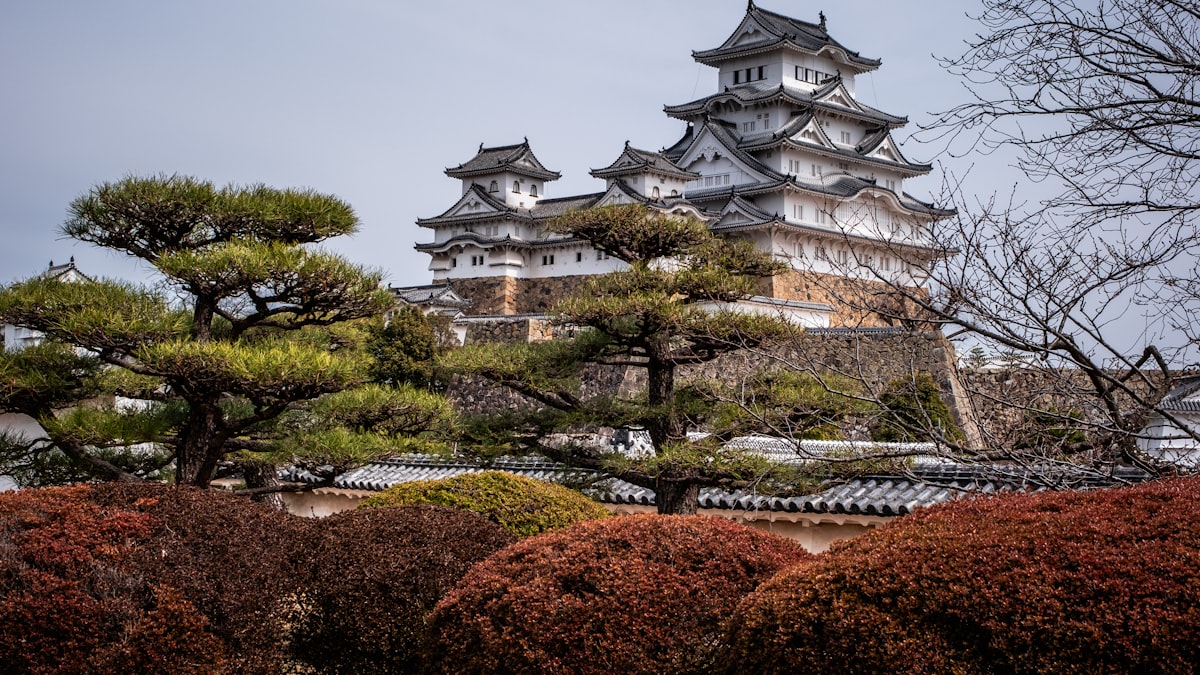
    Japan’s castles are striking reminders of the samurai era — soaring white keeps, stone walls, and moats. Here’s a guide to the best to visit and how to tell an original from a reconstruction.

    The “original twelve”

    Only twelve castles keep their original wooden keeps (donjon); the rest are post-war concrete reconstructions (still worth visiting for the grounds and views). The originals feel authentically old — steep stairs, dark timber, and history.

    The best castles to visit

    • Himeji Castle — the magnificent “White Heron,” Japan’s finest surviving castle (near Kobe/Osaka).
    • Matsumoto Castle — a striking black-and-white original in the Nagano Alps.
    • Hikone & Inuyama — beautiful original keeps.
    • Nijo Castle (Kyoto) — famous “nightingale” floors; see our Kyoto guide.
    • Osaka & Nagoya Castles — grand reconstructions with great museums; see our Nagoya guide.

    What to look for

    • Defensive design — narrow windows, drop chutes, maze-like approaches.
    • Stone walls & moats — often the most impressive original parts.
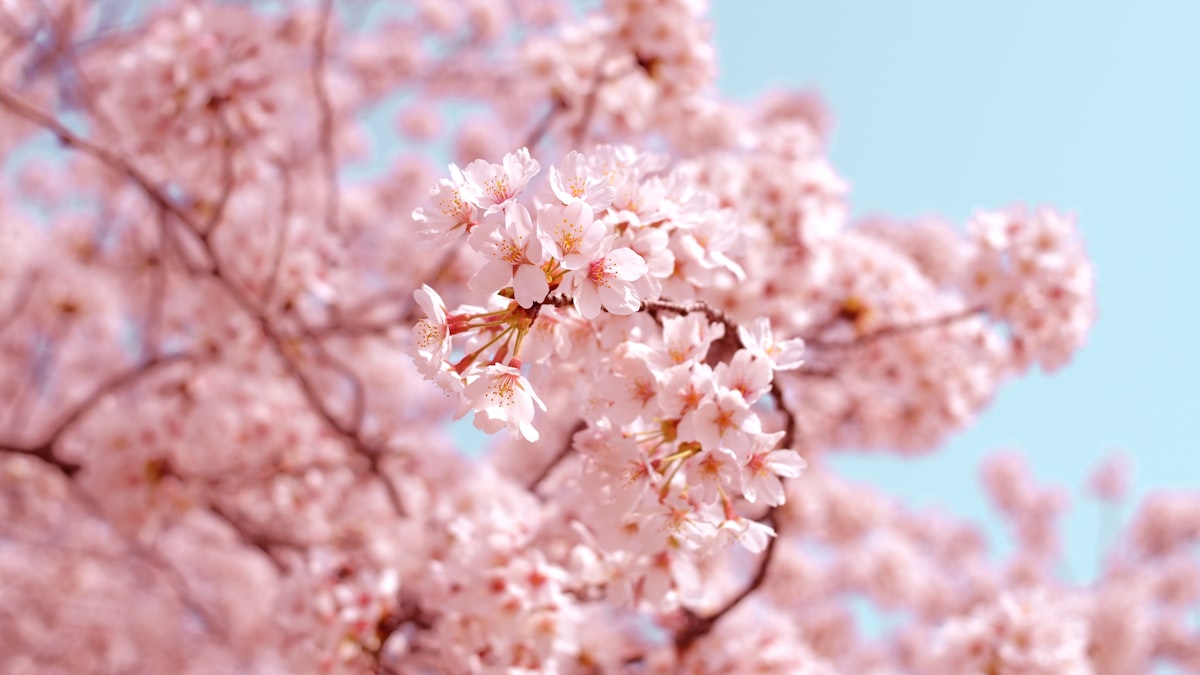
    • Cherry blossoms — castles are prime hanami spots; see our cherry blossom guide.

    Tips

    • Original keeps have steep, ladder-like stairs — wear easy-off shoes (you go barefoot inside).
    • Go early at Himeji to beat crowds.
    • Pair castles with nearby shrines and temples and gardens.
  • How to Watch Sumo in Japan: Tickets, Tournaments & Etiquette

    How to Watch Sumo in Japan: Tickets, Tournaments & Etiquette

    Some links below are affiliate links. If you book through them, Japan Trove may earn a small commission at no extra cost to you.

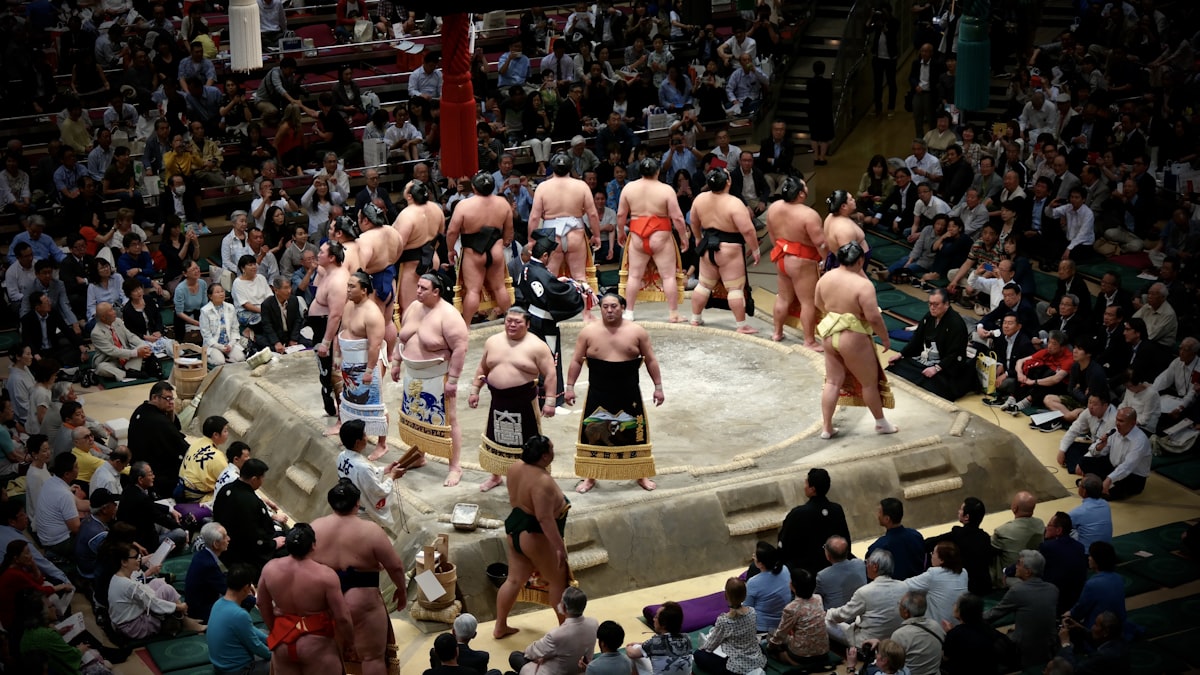
    Watching sumo live is one of Japan’s most thrilling cultural experiences — ancient ritual, explosive bouts, and roaring crowds. Here’s how to see it, whether at a tournament or a morning practice.

    Grand tournaments (honbasho)

    Six 15-day tournaments run each year: Tokyo (Jan, May, Sep), Osaka (Mar), Nagoya (Jul), and Fukuoka (Nov). The top-division bouts run late afternoon and build to the finale.

    Getting tickets

    • Buy as early as possible — popular tournaments sell out. Tickets go on sale about a month ahead.
    • Ringside (expensive, cushions on the floor), box seats (tatami, sold as a set), and arena seats (cheapest, upstairs).
    • Compare official and resale options; some tours include tickets on Klook .

    No tournament on? See morning practice

    Outside tournament days you can watch a morning practice (asageiko) at a sumo stable — usually via a guided tour, with strict etiquette (stay quiet, no eating). A memorable up-close alternative.

    What to expect & etiquette

    • Arrive later for the top division if you can’t stay all day; the atmosphere peaks near the end.
    • Try chanko nabe — the hearty hot pot wrestlers eat.
    • Cushion-throwing after an upset is traditional but officially discouraged — follow the crowd’s lead. See our etiquette guide.

    Getting there

    Tokyo bouts are at Ryogoku Kokugikan — grab an IC card and see our Tokyo guide. Fold it into your itinerary if dates line up.

  • Onsen Etiquette: How to Use a Japanese Hot Spring

    Onsen Etiquette: How to Use a Japanese Hot Spring

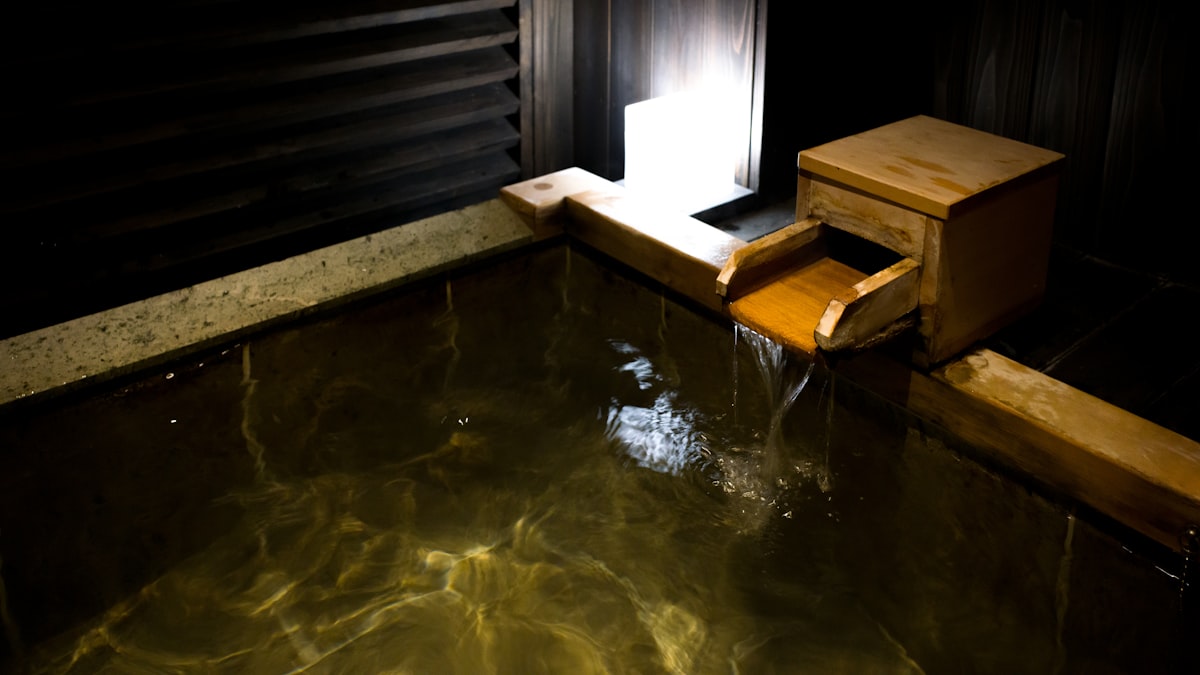
    Soaking in an onsen (hot spring) is a quintessential Japanese experience — but the etiquette can feel daunting the first time. Here’s a simple, step-by-step guide so you can relax with confidence.

    The golden rule: wash before you soak

    The bath is for soaking, not washing. You clean yourself thoroughly at the shower stations before entering the communal bath. The bath water stays clean for everyone.

    Step by step

    1. Undress fully in the changing room — no swimsuits. Put clothes in a basket or locker.
    2. Bring the small towel to the bathing area (a modesty towel).
    3. Wash and rinse completely at a shower station — sit on the stool, rinse off all soap.
    4. Enter the bath slowly — it’s hot. Keep the small towel out of the water (rest it on your head or the side).
    5. Soak and relax. Rinse off after if you like, then dry with the small towel before returning to the changing room.

    Do’s and don’ts

    • Do tie up long hair so it doesn’t touch the water.
    • Don’t put your towel or head under the water, swim, or splash.
    • Don’t take photos — privacy is essential.
    • Keep voices low — it’s a place to unwind. More in our etiquette guide.

    Tattoos?

    Many onsen still restrict tattoos, but there are workarounds (cover patches, private baths, tattoo-friendly spots) — see our tattoo & onsen guide.

    Where to soak

    Try an onsen town for the full experience — see our best onsen towns and Hakone guide. A ryokan with a private open-air bath is the stress-free way to start.

  • Japanese Gardens: The Most Beautiful to Visit & How to Enjoy Them

    Japanese Gardens: The Most Beautiful to Visit & How to Enjoy Them

    Japanese gardens are among the country’s most serene pleasures — carefully composed landscapes of moss, stone, water, and seasonal color. Here’s how to enjoy them and which are the most beautiful to visit.

    Types of Japanese garden

    • Strolling gardens (kaiyu-shiki) — large gardens designed to be walked, with a central pond.
    • Zen rock gardens (karesansui) — raked gravel and stone, meant for quiet contemplation.
    • Tea gardens (roji) — the mossy path leading to a tea house.

    The most beautiful to visit

    • Kenrokuen (Kanazawa) — one of Japan’s “three great gardens”; see our Kanazawa guide.
    • Ryoan-ji & Saiho-ji (Kyoto) — the famous Zen rock garden and moss temple; more in our Kyoto guide.
    • Korakuen (Okayama) and Kairakuen (Mito) — the other two great gardens.
    • Adachi Museum & Ritsurin (Takamatsu) — stunning, less-crowded masterpieces.
    • Shinjuku Gyoen (Tokyo) — a gorgeous city escape; see our Shinjuku guide.

    How to enjoy them

    • Go early for stillness and soft light; gardens reward a slow pace.
    • Every season shinescherry blossoms, summer green, autumn maples, and snow.
    • Sit and take it in — many gardens have a tea house for matcha (see our green tea guide).
    • Stay on paths and keep quiet — see our etiquette guide.

    Tips

    • Some famous gardens require timed entry or advance reservation (e.g. Saiho-ji).
    • Combine garden visits with nearby temples and shrines.
  • Shrines vs Temples in Japan: The Difference & Etiquette

    Shrines vs Temples in Japan: The Difference & Etiquette

    You’ll visit a lot of shrines and temples in Japan — but what’s the difference? Knowing helps you appreciate them and behave respectfully. Here’s a simple guide.

    The basic difference

    • Shrines (jinja) are Shinto — Japan’s indigenous religion of kami (spirits/gods). Look for a torii gate at the entrance.
    • Temples (o-tera) are Buddhist. Look for a large gate with guardian statues, an incense burner, and often a pagoda.

    Many sites blend both, and most Japanese people take part in each — Shinto for life events and New Year, Buddhism for funerals.

    How to visit a shrine

    1. Bow slightly at the torii; walk to the side, not the center (reserved for the kami).
    2. Purify at the water basin (temizuya): rinse left hand, right hand, then mouth.
    3. At the hall: toss a coin, bow twice, clap twice, pray, bow once.

    How to visit a temple

    1. Bow at the gate.
    2. Optionally waft incense smoke over yourself for good health.
    3. At the hall: toss a coin, bow, pray quietly (no clapping), bow.

    Good to know

    • Omamori (charms) and goshuin (stamp-book seals) make meaningful souvenirs.
    • Photography is often fine outside but restricted inside halls — check signs.
    • Dress and behave modestly. More in our etiquette guide.

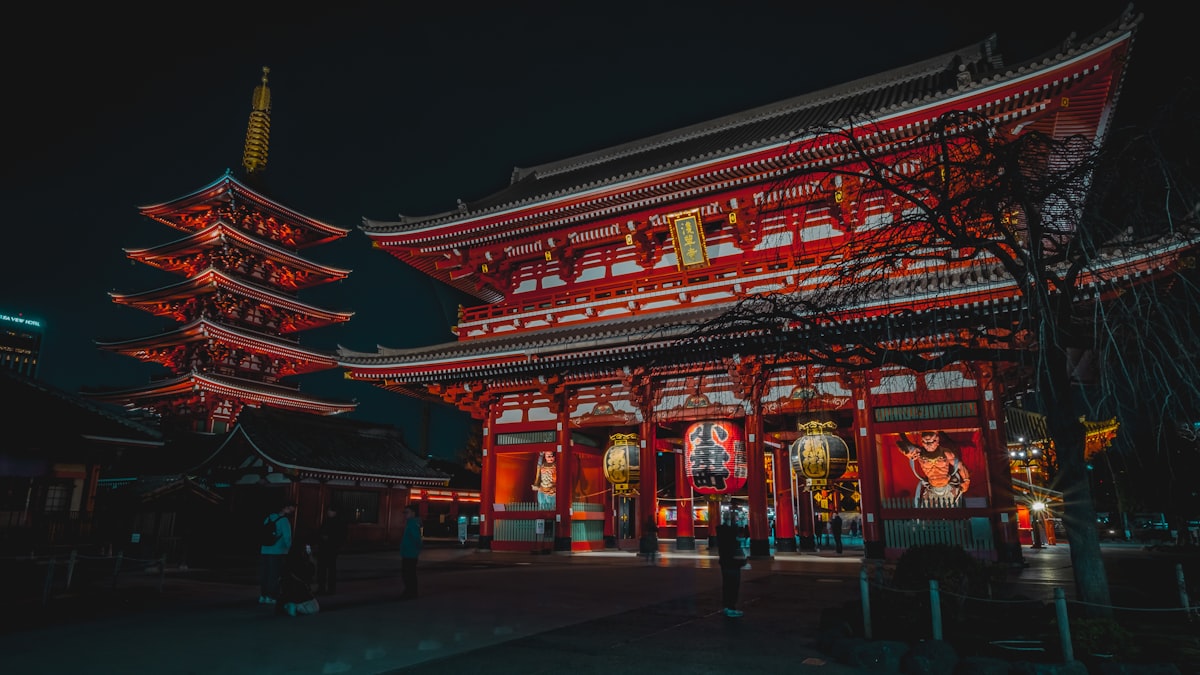
    See famous examples in Kyoto, Asakusa, and Nikko.

  • Japanese Festivals (Matsuri): A Season-by-Season Guide

    Japanese Festivals (Matsuri): A Season-by-Season Guide

    Japan’s festivals (matsuri) are among the best reasons to time a trip — fireworks, portable shrines, lantern-lit nights, and food stalls galore. Here’s a guide to the big ones and how to enjoy them.

    Famous festivals by season

    • Spring: cherry-blossom hanami parties everywhere — see our cherry blossom guide; Takayama Spring Festival.
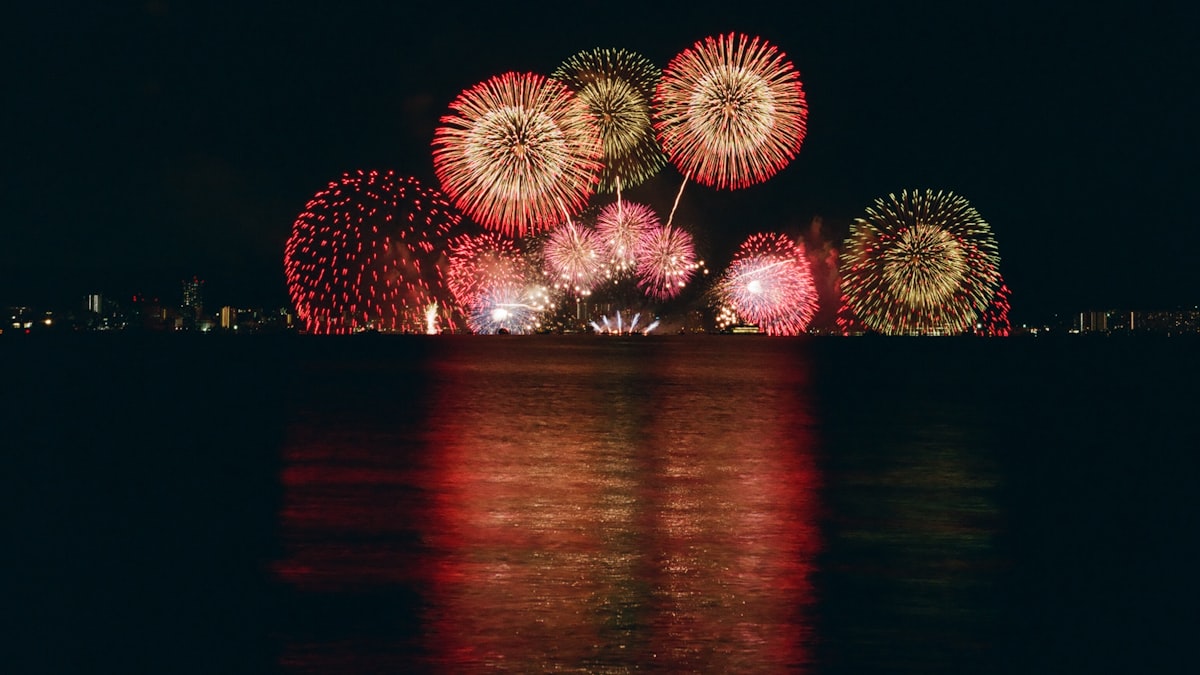
    • Summer: the big season — Gion Matsuri (Kyoto), Tenjin Matsuri (Osaka), Nebuta (Aomori), and countless fireworks (hanabi) festivals.
    • Autumn: Takayama Autumn Festival and harvest matsuri amid the fall foliage.
    • Winter: the Sapporo Snow Festival and atmospheric New Year shrine visits (hatsumode).

    What to expect

    • Mikoshi — portable shrines carried through the streets by chanting crowds.
    • Yatai food stalls — takoyaki, yakisoba, candied apples, shaved ice.
    • Yukata — locals dress up; you can too (see our yukata guide).

    Tips for enjoying matsuri

    • Arrive early for fireworks — the best spots and trains fill fast.
    • Carry cash for stalls; expect big crowds and limited transport after.
    • Check exact dates each year — many are fixed to specific days, not weekends.
    • Mind your manners in the crush — see our etiquette guide.

    Time a festival into your itinerary and check the best time to visit.

  • Japanese Toilets Explained: Washlets, Buttons & Squat

    Japanese Toilets Explained: Washlets, Buttons & Squat

    Japanese toilets are a genuine travel highlight — heated seats, bidets, and buttons galore. But they can baffle first-timers. Here’s your friendly guide to Japan’s famous washlets (and the occasional squat toilet).

    The high-tech washlet

    Many toilets are washlets with a control panel of buttons. The essentials:

    • Flush — look for 大 (big/large) and 小 (small) for full or light flush. It may be a lever, a wall panel, or a sensor — not always on the seat panel.
    • Bidet buttons — おしり (rear wash) and ビデ (front wash); often with pressure/position controls.
    • Stop — 止 (stop) ends the spray. This is the button you’ll want to find first.
    • Heated seat, dryer, and deodorizer on fancier models.

    The “privacy sound” button

    A button labeled 音 (sound) or a musical note plays a flushing sound to mask any noise — a beloved feature (especially in women’s restrooms, sometimes as an automatic sensor called Otohime).

    Squat toilets (still around)

    Older stations, parks, and rural spots may have squat toilets. Face the hood/flush end, feet either side, and squat. Carry tissues — some don’t have paper.

    Good to know

    • Carry a small pack of tissues (often handed out free on the street) and a hand towel — some restrooms lack paper towels.
    • Public toilets are widespread, clean, and free — konbini, stations, and department stores are reliable.
    • Don’t flush anything but paper; sanitary bins are provided.
    • Toilet slippers exist in homes and ryokan — swap into them and back out. See our etiquette guide.

    Want one at home?

    Washlet seats are a popular souvenir/purchase — check voltage compatibility first; see our electronics buying guide. First trip? Read first-timer tips.

  • Japan in Winter: Snow, Onsen, Skiing & What to Pack

    Japan in Winter: Snow, Onsen, Skiing & What to Pack

    Some links below are affiliate links. If you book through them, Japan Trove may earn a small commission at no extra cost to you.

    Winter is one of Japan’s most magical (and underrated) seasons — world-class powder snow, steaming hot springs, illuminations, and far fewer crowds. Here’s what to do and know.

    Why visit in winter

    • Powder skiing — some of the best snow on earth.
    • Onsen in the snow — soaking outdoors while it snows is unforgettable; see best onsen towns.
    • Winter illuminations light up cities from November through February.
    • Fewer crowds & clear Fuji views — see how to see Mt. Fuji.

    Where to go

    • Hokkaido — Niseko’s powder, the Sapporo Snow Festival, and seafood; see things to do in Hokkaido.
    • Nagano & the Japan Alps — skiing plus the famous snow monkeys.
    • Shirakawa-go — thatched farmhouses under snow; see Takayama & Shirakawa-go.
    • Tokyo & Kyoto — cold but usually snow-light, great for illuminations and quiet temples.

    Skiing basics

    • Season runs roughly December to March/April; January–February is peak powder.
    • Resorts rent gear and offer English lessons — easy for beginners.
    • Book snow-season accommodation early — compare on Booking.com .

    What to pack

    Good to know

    • New Year (Dec 29–Jan 3) brings closures and busy travel — plan around it.
    • Northern regions get serious snow; check transport in bad weather.
    • Use luggage forwarding to send ski gear or bags ahead.