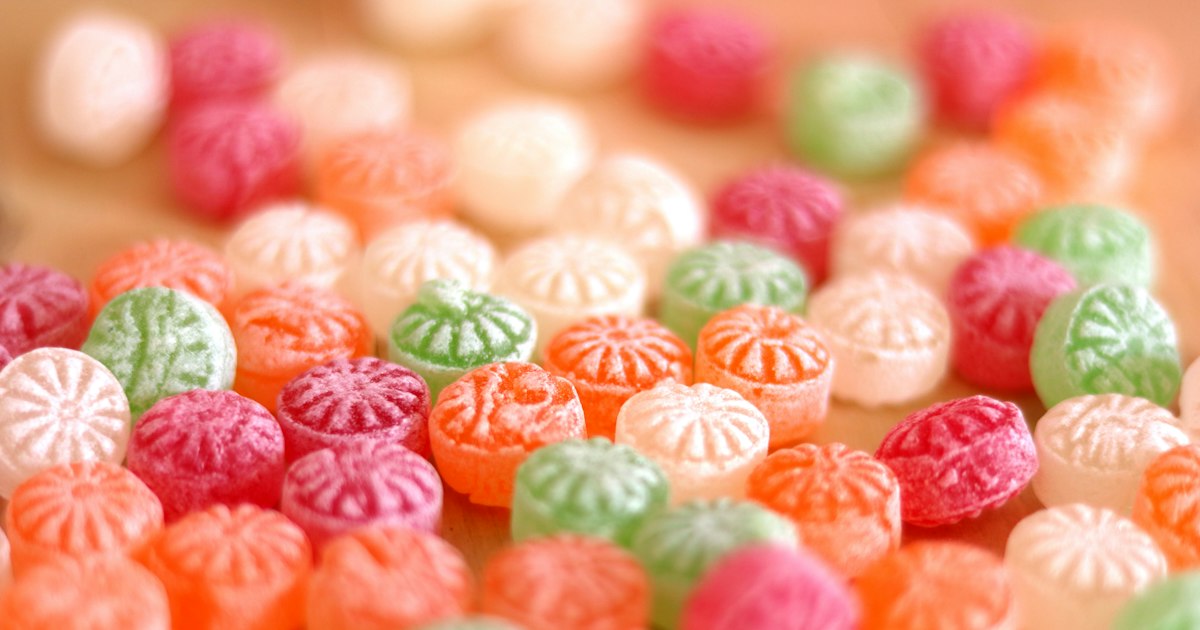
Photo by Customerbox on Unsplash
Before konbini snack walls and department store food halls, there was the dagashi-ya — the tiny neighborhood shop where kids spent their allowance on candy that cost less than a coin. Dagashi (駄菓子) literally means “unrefined sweets,” and the category still exists today: cheap, nostalgic, often brightly packaged snacks that rarely cost more than ¥100 each. For visitors, a dagashi stop is one of the best-value, most photogenic food experiences in Japan — and the perfect low-stakes souvenir shopping, since a full bag of treats for the people back home rarely tops ¥1,500.
What Exactly Is Dagashi?
Dagashi emerged in the Edo and Meiji periods as an affordable alternative to refined, expensive wagashi sweets, and boomed in the postwar decades as the treat every Japanese kid bought with pocket money on the walk home from school. The category covers hard candy, dried squid snacks, fake “food” toys, chewy ramune-flavored gummies, and savory corn puffs — basically anything sold individually for small change. Many of the brands you’ll see were invented in the 1950s-70s and haven’t changed their packaging since, which is exactly the appeal: eating dagashi is as much about the retro design and the ritual of picking items out of open boxes as it is about the taste.
Kawagoe’s Kashiya Yokocho: Japan’s Most Famous Candy Alley
If you only visit one dagashi destination, make it Kashiya Yokocho (“Candy Alley”) in Kawagoe, Saitama — a short lane of roughly 20 shops that has been selling penny candy since the Meiji era. Kawagoe itself is a well-preserved Edo-era merchant town often called “Little Edo,” so you can easily combine the candy alley with a half-day of sightseeing around the old warehouse district and bell tower.
- How to get there: From Ikebukuro Station, take the Tobu Tojo Line limited express to Kawagoe Station (about 30 minutes, roughly ¥500 one-way). From there it’s a 20-25 minute walk to Kashiya Yokocho, or a short bus/taxi ride if you’d rather save your legs for the old town.
- Hours and timing: Most shops run roughly 10am-5pm, but each is independently owned and keeps its own schedule — some close on Mondays or Wednesdays. Go on a weekday afternoon if you want to avoid the worst crowds; weekends and Japanese school holidays get genuinely packed in the narrow lane.
- What to try: The signature item is fuchi senbei — thick rice crackers hand-grilled over charcoal right in front of you, around ¥100-200 each. Shops also sell loose candy by weight, roasted sweet potato in autumn, and small toys.
- Budget: ¥500-1,000 is enough for a satisfying grazing session; ¥2,000+ gets you a generous bag of souvenirs for multiple people.
What’s Actually Worth Buying
Dagashi shops stock hundreds of items, and it’s easy to overbuy junk you’ll never eat. Here’s what consistently delivers:
- Budget (under ¥50 each): Umaibo — corn puff sticks in flavors like cheese, takoyaki, and mentaiko, Japan’s most iconic dagashi at around ¥12-15 each. Baby Star dry ramen snack. Ramune-flavored hard candy and the actual glass-marble Ramune soda if the shop sells drinks.
- Mid-range (¥50-150): Big Katsu, a fried “pork cutlet” on a stick that’s actually soy-based and genuinely tasty. Fugashi, a crunchy fried wheat-gluten stick coated in brown sugar glaze. Konpeito, the tiny star-shaped sugar candies once given as gifts to shoguns. Nerunerunerune, a DIY mix-it-yourself powder candy that’s more of an activity than a snack — fun for kids or as a gift.
- Splurge / collectible (¥200+): Vintage-style menko cards (thick illustrated cardboard discs used in a flicking game) and old-school gachapon capsule toys sold alongside the candy. These aren’t food, but they’re the most “take-home-able” part of the dagashi-shop experience and often feature artwork you won’t find anywhere else.
If you collect small Japanese ephemera generally, old menko and bromide cards scratch a similar itch to the hobby covered in our guide to Japanese coin and stamp collecting — both reward patient browsing over one big purchase.
Beyond Kawagoe: Where Else to Find Dagashi
You don’t need a dedicated day trip to experience dagashi. Supermarkets and discount chains like Don Quijote stock most major brands (Umaibo, Baby Star, Big Katsu) for about the same price as the original shops, making them a reliable backup if you can’t make it to a dedicated dagashi-ya. Station kiosks and the underground mall shops covered in our guide to ekinaka shopping inside Japan’s station malls also carry a surprising amount of dagashi near the register, which is handy if you’re buying last-minute gifts before a shinkansen ride home. Old shopping streets (shotengai) in Tokyo neighborhoods like Yanaka also still have a working dagashi-ya or two tucked between other small shops, though they’re less tourist-oriented than Kawagoe and you’ll need to actively look for them.
A handful of dagashi-themed bars and cafés have also popped up in Tokyo over the years, charging a seating fee for a time-limited all-you-can-eat spread of retro snacks paired with cheap drinks. These small, quirky venues open and close frequently, so search “dagashi bar” plus the neighborhood you’re in and check current hours before heading over.
Best Season and Timing
Dagashi shopping works any time of year since it’s almost entirely indoor, small-lane browsing. The one seasonal note: Kashiya Yokocho adds roasted sweet potato and seasonal snacks in autumn, and gets uncomfortably crowded during Golden Week (late April-early May) and summer school holidays. If you’re combining it with Kawagoe’s old-town sightseeing, spring and autumn weekday mornings give you the most pleasant walking weather and the thinnest crowds.
Common Mistakes to Avoid
- Bringing large bills. Many dagashi-ya are small family operations without card readers, and change for a ¥10,000 note for a ¥100 purchase is a genuine problem. Carry ¥1,000 notes and coins.
- Assuming shops are open. Unlike convenience stores, dagashi-ya keep irregular, owner-set hours. Don’t plan Kashiya Yokocho as your only activity for the day in case a few shops are shuttered.
- Overbuying candy that doesn’t travel. Anything with chocolate will melt in a hot bag; stick to hard candy, dried snacks, and sealed packets like Umaibo for souvenirs you’re carrying for more than a day.
- Treating it as a meal. Dagashi is a snack stop, not lunch. Pair a Kawagoe visit with an actual meal in the old town, or save your appetite for a proper food stop elsewhere.
For travelers building out a wider retro-Japan food itinerary, the nostalgic, hand-crafted feel of a dagashi-ya pairs naturally with other recreated-past attractions like the Shin-Yokohama Raumen Museum’s 1958 street set or the hands-on Cup Noodles Museum factory tour — all three scratch the same “Japan’s postwar food culture, but you get to touch it” itch, and Yokohama’s two museums can realistically be combined into one day if you’re already out that way.