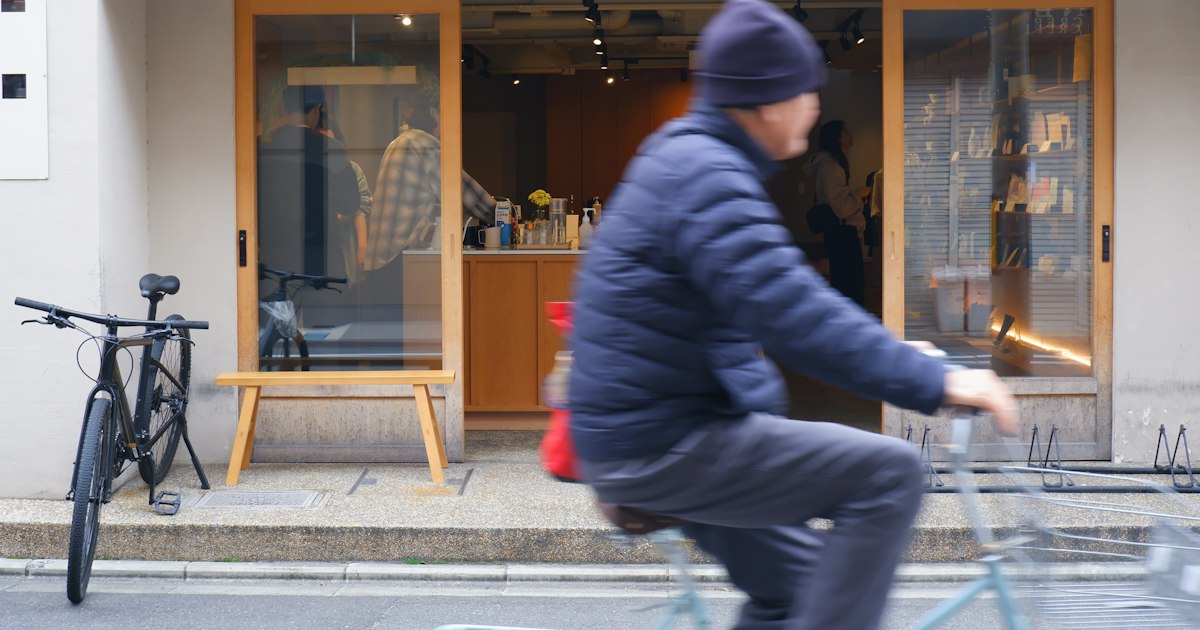
Photo by Aaron Hohenstein on Unsplash
Renting a bicycle is one of the best ways to see Japan at street level — gliding along the Kamo River in Kyoto, hopping between temples in Kamakura, or covering the flat sprawl of Osaka faster than the subway allows. But since a 2023 law change, a question comes up constantly in traveler forums: do you actually have to wear a helmet? The honest answer is “it’s complicated, and it depends on who’s riding.” Here’s what the law says, what rental shops will actually hand you, and how to avoid the mistakes that trip up first-time cyclists in Japan.
What the law actually requires
On April 1, 2023, Japan revised its Road Traffic Act so that all cyclists — not just children — are asked to wear a helmet. Crucially, this is what’s called a doryoku gimu (努力義務), an “effort obligation.” It is not a criminal law with fines attached, and police will not stop adult tourists for riding bareheaded. This puts adult helmet use in the same soft-legal category as, say, wearing a seatbelt in the back seat of a taxi: strongly encouraged, not punishable.
There’s one group where the rule has real teeth: children under 13. Since 2008, guardians have had a legal duty to have children in that age group wear helmets while cycling, and this is taken seriously by rental shops and schools alike. If you’re traveling with kids and plan to rent bikes as a family — something worth pairing with the practical advice in our guide to traveling with young children in Japan — expect staff to insist on a helmet for anyone who looks under 13, no exceptions.
What rental shops provide in practice
Most mainstream rental operations — hotel-affiliated rentals, city tourism bike schemes, and shops near train stations — now stock helmets and will offer one when you check in, even though they can’t force an adult to wear it. Budget-tier services are the exception: the ubiquitous orange-and-white Docomo Bike Share docks (common in Tokyo, Yokohama, and Osaka, roughly ¥150 for the first 30 minutes and ¥150 per additional 30 minutes) are self-service kiosks with no staff present, so no helmet is provided at all. If helmet use matters to you, a staffed rental shop is the better choice over an unmanned dock-based system.
Typical costs at staffed shops: a standard city bike runs ¥500–¥1,500 for a full day, electric-assist bikes (handy in hilly cities like Nagasaki or Onomichi) run ¥1,500–¥3,000 per day, and helmet use is usually included free of charge or for a nominal ¥100–¥200 rental fee. Deposits are rare for short rentals but some shops will ask to photograph your passport or hotel key card. If you’re comparing this to other self-drive options for a longer trip, the logistics are similar in spirit to what we cover in renting an EV in Japan — book ahead in peak season, bring ID, and confirm return hours before you commit.
Where and when to rent
Popular tourist-oriented rental counters are typically open 9:00–18:00, with last rentals often cut off an hour or two before closing so bikes can be returned on time. In Kyoto, shops cluster near Nijo Castle, the Arashiyama station area, and along the Kamogawa; in Tokyo, Asakusa and the riverside near Sumida Park are common pickup points. Kamakura’s rental shops near the station are heavily booked on weekends from late March through May (cherry blossom season) and October through November (autumn foliage), so reserve a day or two ahead if you’re visiting then. Early-morning starts, before 9am, also mean lighter traffic and cooler temperatures — genuinely the best time to ride in summer, when midday heat and humidity make cycling miserable.
Winter cycling is viable in most of Honshu and Kyushu but less pleasant in Hokkaido and the Sea of Japan side, where snow accumulates; if you’re traveling in a snow region in winter, you’re more likely to be renting skis than bikes — see our guide to renting ski and snowboard gear near Niseko, Hakuba, and Nozawa Onsen for that season instead.
Common mistakes tourists make
- Assuming no helmet means no rules at all. Japan still enforces plenty of cycling regulations with real penalties: riding drunk, using a phone while cycling, and riding two-abreast where prohibited can all draw fines. The relaxed helmet rule doesn’t mean relaxed traffic law generally.
- Riding on the wrong side of the road out of habit. Traffic keeps left in Japan, and bicycles generally follow car traffic patterns on the left-hand side of the road or designated bike lane, not the right.
- Assuming sidewalks are always fair game. Cycling on sidewalks is allowed only where signed as permitted, or for riders who are elderly, children, or using an assist bike in some areas — otherwise bikes belong on the road.
- Forgetting cash or card readiness at self-service docks. Unmanned bike-share kiosks often want a registered IC card or app payment rather than cash. It’s worth having a no-foreign-transaction-fee credit card loaded into the relevant app before you land, since fumbling with payment at a dockless kiosk wastes your rental window.
- Not budgeting cash for shops that are card-only or cash-only — rarely both. Smaller rental counters in rural areas sometimes take cash only; a nearby 7-Bank ATM at a 7-Eleven is usually the easiest backup if the shop won’t take your card.
Budget, mid-range, and splurge rental options
For a no-frills day of sightseeing, a basic single-speed city bike from a station-adjacent rental shop at ¥500–¥800 per day is perfectly fine for flat routes. Mid-range travelers who want hills handled for them should look at electric-assist rentals (¥1,500–¥3,000/day) — standard in hillier tourist towns and genuinely worth the upcharge if your itinerary includes shrines on slopes, like many in Kamakura or Nikko. At the splurge end, some cities offer guided e-bike tours bundling a helmet, GPS unit, insurance, and a local guide for ¥6,000–¥12,000 per person for a half-day — a good option if you’d rather not navigate unfamiliar traffic rules solo.
The bottom line for tourists
You won’t be fined for riding bareheaded as an adult in Japan, but every major rental shop will offer you a helmet anyway, and it’s worth taking — Japanese urban traffic includes narrow streets, blind corners, and a mix of pedestrians, cars, and other cyclists that catches visitors off guard. If you’re traveling with anyone under 13, treat the helmet as mandatory, because legally for them it is. Reserve ahead in cherry blossom and autumn foliage season, ride early to dodge both crowds and heat, and keep a card or cash ready so a payment hiccup doesn’t eat into your rental time.