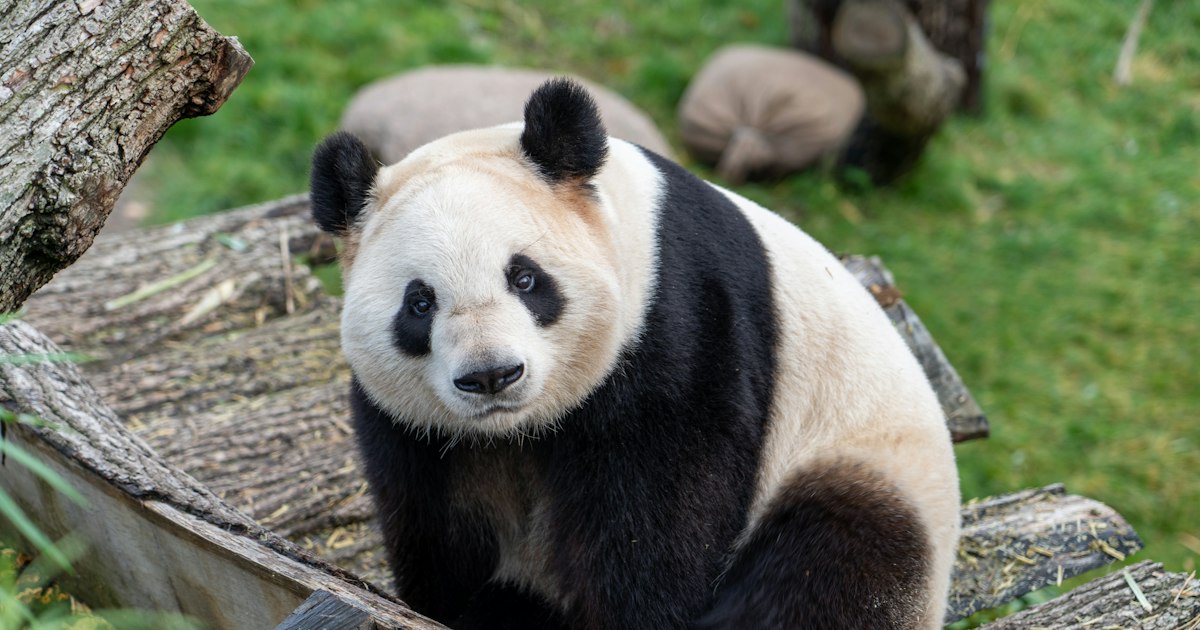
Ueno Zoo’s giant pandas are one of the most reliably crowded attractions in central Tokyo — and also one of the easiest to get wrong if you don’t know how the viewing system works. Unlike most zoo exhibits, seeing the pandas here can involve a second, separate queue with its own ticket, and if you show up on a weekend afternoon without a plan, you may spend 45 minutes in line for a 90-second glimpse. Here’s how to actually see them, what it costs, and when to go.
Why Ueno Zoo’s Pandas Draw Crowds
Ueno Zoo (Ueno Dōbutsuen) has kept giant pandas on loan from China since 1972, and they remain the single biggest draw in a zoo that’s otherwise a pleasant but fairly standard municipal collection. The pandas live in the “Panda no Mori” (Panda Forest) complex in the East Garden, a purpose-built habitat with indoor and outdoor viewing areas. Because the loan arrangements periodically bring new pandas in and send others back to China, the specific individuals on view do change over the years — check the official Ueno Zoo website shortly before your trip to confirm who’s currently there, since names and numbers shift more often than most zoo information online reflects.
Admission Tickets and Prices
General zoo admission (which includes panda viewing — there’s no separate “panda ticket” for entry) runs:
- Adults (16–64): ¥600
- Seniors (65+): ¥300
- Junior high school students: ¥200 (Tokyo residents/students are free)
- Elementary school age and younger: free
Bring ID if you’re claiming a senior or student discount. Tickets are sold at machines near the entrance gates (Ueno Park main gate and Benten-mon gate); cash and IC cards both work, and you can also buy same-day tickets online in advance through the zoo’s official site, which is worth doing on weekends to skip the ticket line itself — though it does nothing for the separate panda queue.
Hours, Closures and Getting There
Ueno Zoo is open 9:30 AM to 5:00 PM, with last entry at 4:00 PM. It’s closed on Mondays (or the following day if Monday is a public holiday) and over the New Year holiday period, roughly December 29 to January 1. Always double-check the calendar before you go, since occasional maintenance closures happen outside this pattern.
The zoo sits inside Ueno Park, and getting there couldn’t be simpler: it’s about a 5-minute walk from the park exit of JR Ueno Station, or a similarly short walk from Keisei Ueno Station, Ueno Station on the Tokyo Metro Ginza/Hibiya lines, or Nezu Station if you’re coming from the north side. There’s no need to rent a car or book transport in advance — this is one of the most transit-accessible attractions in the city.
The Panda Viewing Line and Timed-Entry Tickets
This is the part visitors are most often caught off guard by. When demand is high — weekends, holidays, cherry blossom season, school trip season, or whenever a panda cub is a current novelty — the zoo issues numbered queue tickets (seiriken) specifically for panda viewing, separate from your admission ticket. Staff hand these out near the Panda no Mori entrance once the wait builds up; the ticket gives you a return window (for example, “come back between 11:30 and 12:00”) rather than a fixed slot you book in advance. You’re free to explore the rest of the zoo while you wait for your window.
On quieter days, there’s no queue ticket system at all and you simply walk up and view the pandas directly. The system only activates when crowds warrant it, so don’t assume you need to plan around it every single day — but don’t assume you won’t need to, either. If you arrive and see zoo staff with ticket rolls near the panda building entrance, that’s your cue to grab one immediately rather than browsing elsewhere first.
Best Time to Visit for Short Waits
Pandas are most active (and most visible, rather than napping out of sight) in the morning, so arriving close to the 9:30 AM opening is the single best move — both for panda activity and for beating the queue-ticket system before it kicks in. Weekday mornings, especially outside Japanese school holidays (spring break around late March, Golden Week in early May, summer break in August, and New Year), are consistently the calmest.
Avoid: weekend afternoons, national holidays, the first good-weather Saturday after a long rainy stretch, and the period right after any newly announced panda cub becomes old enough for public viewing — local visitors treat that like an event. Rain actually helps you here; a drizzly weekday morning can mean walking straight up to the enclosure with almost no one else around.
Common Mistakes to Avoid
- Treating it like a one-stop attraction. Budget at least 2–3 hours for the full zoo, since the panda queue (if active) eats into your visit, and the East and West Gardens are connected by a monorail/walking path that takes time to cover.
- Visiting right after lunch. Early afternoon is typically the peak crowd window, compounding both the general zoo crowd and the panda queue.
- Not checking the closure calendar. Monday closures catch a surprising number of travelers who assume all Tokyo attractions run daily.
- Assuming the pandas are guaranteed to be on exhibit. Keepers occasionally keep pandas off-view for health or behavioral reasons for a day. There’s no way to check this remotely — it’s simply a small risk inherent to zoo visits anywhere.
- Forgetting cash for ticket machines if card readers are down. Most machines take IC cards, but having ¥1000 notes on hand avoids any hiccup.
Budget, Mid-Range and Splurge Tips
At ¥600 for adult admission, Ueno Zoo is already one of the cheapest things to do in central Tokyo for a half-day, so “budget vs. splurge” here is mostly about food and souvenirs rather than entry:
- Budget: Skip the inside cafés and grab something from a convenience store near the station before you go, or bring a bento to eat at the park’s shaded benches just outside the zoo gates.
- Mid-range: The zoo’s own cafés and kiosks sell reasonably priced snacks, and the gift shop near Panda no Mori has panda-themed cookies, keychains, and plushies in the ¥500–¥2,000 range — a solid, compact souvenir if you’re not trying to haul much home.
- Splurge: Larger panda plush toys and limited-edition goods tied to specific cubs can run ¥3,000+ and sell out fast when a new cub debuts, so buy on the spot rather than planning to come back for it.
If you’re visiting with young kids and traveling light on supplies, it’s worth sorting out essentials like formula or diapers before zoo day rather than mid-visit — see our guide to buying infant formula, diapers and baby food in Japan for where to stock up. And if you’re planning to explore Ueno Park and the surrounding Yanaka area by rental bike afterward, check Japan’s bicycle helmet rules for tourists first, since rental shops increasingly enforce them.
Ueno Zoo’s pandas are worth the trip, but the real planning skill isn’t finding the zoo — it’s timing your arrival and reading the queue-ticket situation the moment you walk in. Get there early on a weekday, and you’ll likely skip the whole system entirely.