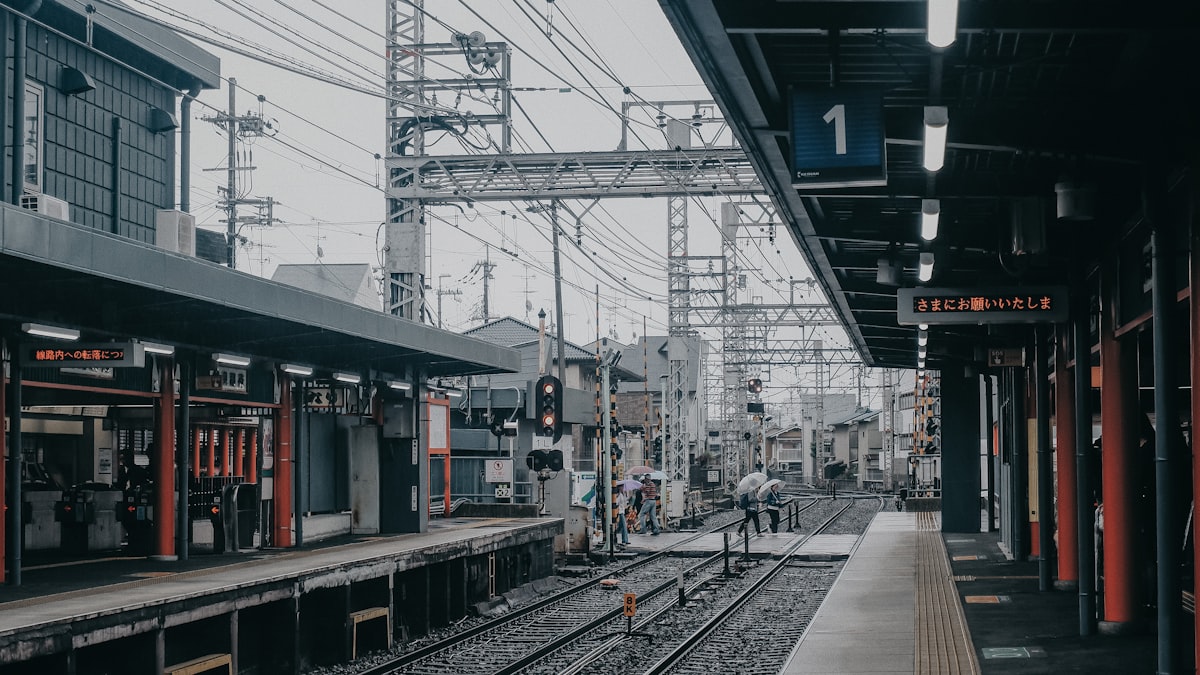
Japan is more accessible than many travelers expect — but it has quirks worth planning around. Here’s a practical guide for wheelchair users and anyone with limited mobility.
The good news
- Trains & stations are largely step-free, with elevators, tactile paving, and staff who will set up ramps for boarding (ask at the gate — they’ll radio ahead).
- The shinkansen has wheelchair-accessible seating — reserve it in advance.
- Modern buildings, malls, and attractions generally have elevators and accessible toilets (look for the “multipurpose” restroom).
Things to plan around
- Older temples & shrines can have steps, gravel, and slopes — check ahead.
- Some small stations and older streets are less step-free; big hubs are best.
- Ryokan & onsen vary — ask about accessible rooms and private baths (see our ryokan guide).
Practical tips
- Ask station staff for help boarding — it’s a smooth, well-practiced system; allow a few extra minutes.
- Reserve accessible shinkansen seats and hotel rooms early.
- Rent equipment — wheelchair and mobility rentals are available in major cities.
- Use an eSIM and maps to check step-free routes and elevator exits.
Where to stay
Choose accessible rooms in newer hotels near major stations for the easiest logistics — see where to stay in Tokyo. Plan gentle days and build in rest.
Bottom line
With some advance planning, Japan is a rewarding, largely barrier-free destination. Pair this with our first-timer tips and a realistic itinerary.
Typical costs for accessible travel
- Wheelchair and mobility scooter rentals in major cities run roughly JPY 1,000-3,000/day through specialist rental services, often with delivery to your hotel — worth arranging before arrival rather than trying to source one last-minute.
- Accessible taxi services (with wheelchair-accessible vans) exist in major cities but are limited in number and should be booked in advance, typically at standard taxi rates plus a modest dispatch fee.
- Most major museums and attractions don’t charge extra for accessible facilities, though a companion/carer ticket discount is common at larger sights — ask at the ticket counter, since it’s not always advertised in English.
Common mistakes to avoid
- Assuming all train stations are equally accessible — large hub stations are excellent, but some smaller rural or older stations still require stairs; check a station’s accessibility on Japan’s rail operator apps before building it into a tight itinerary.
- Not calling ahead for ryokan with tatami rooms — traditional low furniture and steps between rooms can be a real obstacle even at otherwise well-reviewed properties; ask specifically about barrier-free rooms.
- Underestimating walking distances between train exits and attractions — Japanese stations and city blocks can involve longer covered walks than expected; build extra time into each day’s plan.
Requesting station assistance in practice
Station staff assistance is a well-practiced, genuinely reliable system — tell any staff member your destination station and roughly when you’d like to travel, and they’ll radio ahead so a colleague meets you with a ramp at your arrival platform. Arriving 10-15 minutes before your planned departure gives staff enough time to set this up smoothly, especially at busy hub stations during peak hours.
Onsen and ryokan accessibility notes
Larger modern ryokan chains and hotel-style onsen resorts increasingly offer barrier-free rooms and step-free bath access, while small family-run traditional ryokan often cannot accommodate wheelchairs due to their historic layout — always call or email ahead rather than relying on a booking site’s general description, since accessibility details are frequently missing from listings entirely.