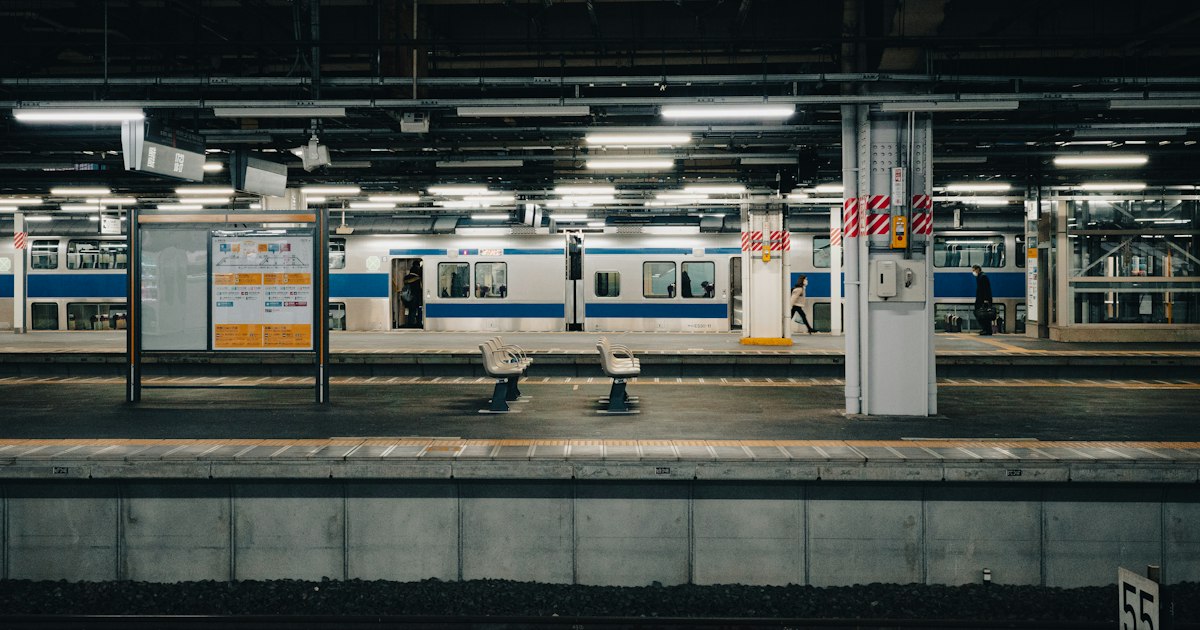
Photo by katsuma tanaka on Unsplash
If you’ve tapped an IC card through a Tokyo ticket gate, you’ve already met the little round penguin printed on every Suica card. What started as advertising art in 2000 for JR East’s new contactless fare card has quietly become one of Japan’s most collectible character brands — plush toys, stationery, tote bags, and seasonal goods that rarely make it home in a suitcase because most visitors never figure out where they’re actually sold. Unlike Pikachu or Hello Kitty, the Suica Penguin doesn’t have a nationwide chain of flagship stores. You have to know which stations and shelves to check.
Who the Suica Penguin Actually Is
The character was created by illustrator Sakura Hirota and first appeared in JR East’s ad campaigns before the Suica card itself launched in November 2001. It’s deliberately simple — a round, blue-grey penguin with no mouth and a slightly dazed expression — which is part of why it reproduces so well on keychains, pens, and tiny plush toys. Because the Penguin is JR East’s own intellectual property, merchandise is sold almost entirely through JR East-affiliated shops rather than general souvenir stores, which is the main reason it’s harder to find than other character goods.
NewDays and Station Kiosks: The Everyday Option
NewDays is JR East’s in-station convenience store chain, and it’s the most reliable place to find basic Suica Penguin items. Not every branch carries them — small platform kiosks usually don’t — but larger NewDays stores at Tokyo, Shinjuku, Ueno, Omiya, and Shinagawa Stations regularly stock keychains and straps (around ¥800–¥1,200), sticky notes and pens (¥300–¥700), and small plush charms (¥1,500–¥2,500). Hours generally run from around 6:00 to 23:00, matching train service, with some flagship branches open later. Because stock rotates with seasonal campaigns, if one branch is sold out, it’s worth checking another large station rather than assuming the design is discontinued.
Tokyo Character Street and Station Pop-Up Shops
Tokyo Character Street is a row of character-goods shops inside Tokyo Eki Ichibangai, the underground mall near Tokyo Station’s Yaesu North Exit — you can walk in without a train ticket, since it’s outside the gates. JR East periodically runs a dedicated Suica Penguin shop or pop-up here, along with occasional appearances at Ueno Station’s “acures” shopping area, JR East’s station-retail brand that specializes in local and character-themed goods. These are the best spots for mid-range pieces: medium plush (¥2,800–¥3,800), IC card cases (¥1,200–¥2,000), and tote bags (¥1,500–¥2,500). Because these shops rotate in and out rather than operating as a fixed permanent store, check JR East’s own station announcements or ask station staff (“Suica no Penguin no omise”) if you don’t see it listed — don’t plan your day around one specific shop still being there.
JRE Mall: Shopping Without Leaving Your Hotel
JRE Mall is JR East’s official online shopping site and carries the widest range of Suica Penguin goods, including apparel and limited collaborations that never make it to physical shelves. The catch for visitors is shipping: JRE Mall is built for domestic delivery, and international shipping is limited or unavailable for most items. If you want something specific before your trip, the practical workaround is having it sent to your hotel or to a Japan-based forwarding/proxy shopping service rather than your home address — the same approach travelers use for other Japan-only retail sites.
Beyond Suica: Japan’s Other IC Card Mascots
Suica isn’t the only regional transit card with a character. JR West’s ICOCA card features Ico-chan, a round green creature that gets its own merchandise lineup sold mainly through JR West station shops and online stores around Osaka, Kyoto, and Kansai airport. Other regional cards — PASMO in greater Tokyo, manaca in Nagoya, SUGOCA and nimoca in Kyushu — have their own logo characters, but they’re generally used for branding rather than sold as full merchandise lines, so don’t expect the same depth of plush and stationery you’ll find for Suica and ICOCA. If you’re the type of traveler drawn to transit ephemera generally, this kind of station-specific collecting overlaps a lot with the world described in Toritetsu, Japan’s trainspotting subculture — many of the same shops and station events serve both audiences.
Best Timing and Common Mistakes
Stock is thinnest in the weeks right after a popular design sells out and thickest around spring (new fiscal year promotions, April) and winter holidays, when JR East runs seasonal Penguin goods. Early November is also worth watching, since it’s close to Suica’s original 2001 launch anniversary and JR East has marked the date with limited items in past years. The most common visitor mistakes: assuming any NewDays will have the goods (only the larger ones do), assuming a Character Street pop-up is permanent (check before making a special trip), and leaving shopping for the last day — if you’re departing from Narita or Haneda, both airports carry a small selection of JR East character goods in their souvenir shops, which makes a reasonable backup if you strike out in the city.
Budget, Mid-Range, and Splurge Picks
For a quick, cheap souvenir, a NewDays keychain or sticky-note pad (under ¥1,000) does the job. For something you’ll actually display, a medium plush or IC card case from a Character Street shop (¥2,000–¥3,500) hits the mid-range sweet spot. If you want to splurge, look for limited anniversary or collaboration plush and apparel through JRE Mall or a temporary flagship pop-up — these can run ¥4,000–¥6,000 and sell out fastest, so buy on sight rather than planning to come back later.