Photo by Rishabh Gagneja on Unsplash
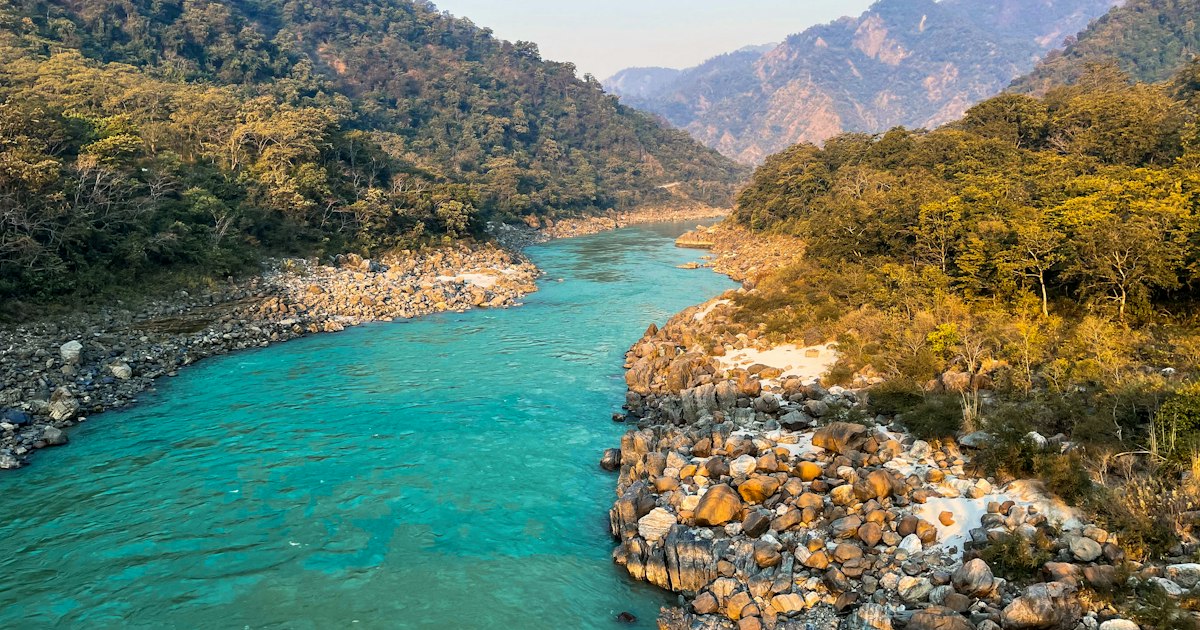
The Shimanto River, winding roughly 196 kilometers through the mountains of western Kochi Prefecture to the Pacific, is often called Japan’s “last clear stream” (saigo no seiryū) because it remains almost entirely free of large dams. That absence of concrete is exactly what makes it special: the water runs a pale jade-green, submersible bridges without railings sit low across the current, and the surrounding valley still runs on small-scale farming, river fishing, and not much else. It’s a slow, rural destination rather than a flashy one — which is precisely the appeal for travelers who’ve already done Kyoto and Osaka and want a few days where almost nobody speaks English and almost everyone is friendly about it anyway.
What makes the Shimanto different: chinkabashi, not guardrails
The river’s signature feature isn’t actually a vine bridge in the Iya Valley sense — it’s the chinkabashi (沈下橋), or “submersible bridge”: flat, narrow concrete spans built with no handrails at all, so that floodwater simply flows over the top instead of tearing the structure apart. There are around 47 of them still standing along the Shimanto and its tributaries, and driving or cycling across one, inches above green water with nothing to stop you falling in, is the quintessential Shimanto experience. The most photographed is Sada-chinkabashi (佐田沈下橋) near Shimanto City, a few minutes by car from Nakamura Station. Further upstream, Iwama-chinkabashi (岩間沈下橋) is quieter, more rustic, and a favorite put-in point for canoe trips. In the mountainous upper reaches around Yusuhara, a reconstructed kazurabashi vine bridge — built in the old style using mountain vines rather than steel cable — gives a smaller-scale taste of the suspension bridges Shikoku’s interior is famous for, though it’s a side trip of an hour or more from the main river towns rather than something you stumble onto along the Shimanto itself.
Common mistake: chinkabashi close without warning after heavy rain, since the whole point is that they go underwater. If it’s been raining upstream, check locally before driving across one — the approach roads are usually gated when a bridge is submerged, but tourists have driven around barriers and gotten stuck.
Getting there
The gateway is Nakamura Station (Shimanto City), reached by the Tosa Kuroshio Railway’s Nakamura Line, which continues from JR Kubokawa Station. From Kochi Station, the limited express “Ashizuri” runs direct to Nakamura in about 1 hour 25 minutes (around 4,000–4,500 yen one-way with reserved seat). From Okayama or Takamatsu, allow a half-day of train travel via Kochi.
Once you’re there, a car is genuinely useful — buses along the river run only a handful of times a day, and the best chinkabashi and canoe put-ins are spread over 20–30 kilometers. Rental cars are available at Nakamura Station, or if you’re coming from Kochi city and only need the car for a day trip, a car-sharing app like Times Car or Careco can work out cheaper than a traditional rental counter for a short hop, provided there’s a pod station near your starting point.
On the water: canoeing, SUP, and sightseeing boats
Several outfitters around Taisho and Kuroshio Town run guided canoe and stand-up paddleboard trips on calm stretches of the river, typically 5,000–8,000 yen for a half-day including equipment, with no experience required. Reserve at least a few days ahead in July and August, when weekend slots fill up with domestic visitors. For a lower-effort option, a sightseeing boat (kankō yūransen) operates near the river mouth around Shimanto City, drifting past the chinkabashi and riverside fields for around 2,000 yen per adult, roughly 30–40 minutes. Cycling is the other classic way to see the river: rental shops near Nakamura Station and at roadside michi-no-eki stations along Route 441 rent bikes for roughly 1,000–1,500 yen a day, and the flat riverside road makes a pleasant, mostly car-light route between several chinkabashi.
Best season and timing
Late April through June is the sweet spot: the hills are freshly green, the water is clear and not yet at its hottest, and fireflies (hotaru) appear along quieter stretches of the river in late May and early June, usually visible for an hour or so after dusk. July and August bring swimming weather and the busiest canoe season, but also Kochi’s notoriously humid heat and the highest flood risk from typhoons, which can shut down river activities for a day or two with little notice. Autumn (October–November) is quiet and comfortable for cycling. Winter mornings, especially December through February, are when the river produces kawagiri — a thick ground mist that pools over the water at dawn, best seen from the Taisho and Kuroshio stretches of the valley; it requires an early start and a car, but it’s one of the most photographed sights on the whole river.
Where to stay and eat
Shimanto City has ordinary business hotels near Nakamura Station from around 6,000–8,000 yen a night, which is the practical base for most visitors. For something closer to the water, a handful of riverside guesthouses and minshuku in Taisho and Kuroshio Town offer simple tatami rooms, often with dinner included, in the 8,000–13,000 yen range per person. Travelers who want comfort without giving up the outdoor setting should look at glamping sites, since a few have opened along the river in recent years with proper beds and private decks overlooking the water. Locally, look for tenaga-ebi (long-armed river shrimp, often deep-fried whole), river eel, and ayu (sweetfish) grilled with salt — all pulled from the Shimanto itself and served at small restaurants near the michi-no-eki stops. It’s a good contrast to heavier river-valley fare like tonjiru, which you’ll also find on local set-menu lunches.
If you want more river, elsewhere in Japan
The Shimanto’s calm, dam-free character is unusual enough that it’s worth comparing to other river towns if you’re building a longer Shikoku or Kyushu itinerary. Hita in Oita offers a different kind of river experience built around cedar log rafting and hot springs, and makes a reasonable comparison point if your trip also swings through Kyushu.
Practical notes and common mistakes
- Don’t assume English signage. Rental shops and minshuku along the Shimanto are small, family-run operations; basic Japanese phrases or a translation app go a long way.
- Don’t treat chinkabashi crossings casually in a rental car. They’re narrow — often one lane wide — with no railing and a real drop to the water. Slow down, and don’t pass another car on them.
- Don’t skip reservations for canoe/SUP tours in peak summer. Walk-up availability on weekends in July–August is unreliable.
- Don’t base yourself only in Nakamura if you want the mist or the vine bridge. Both require driving 40 minutes to over an hour further into the valley or up toward Yusuhara, so budget a full day rather than a quick add-on.
- Do check the river level forecast (available on local tourism sites and signage) before planning a canoe day, since outfitters cancel on short notice after rain.