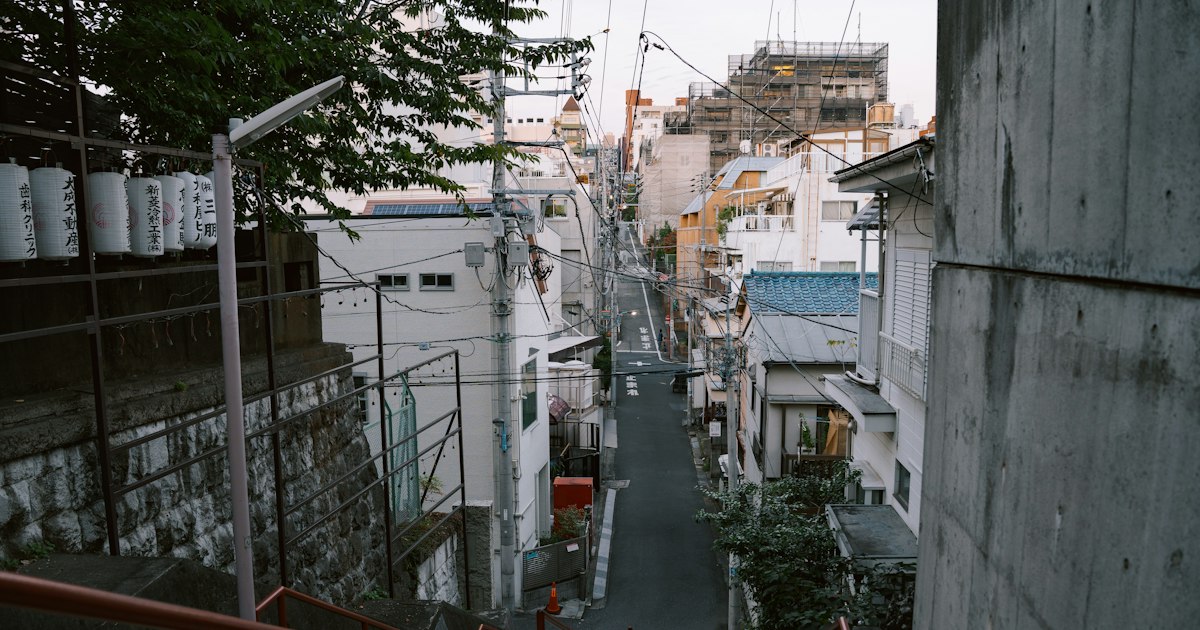
Most first-time visitors chase anime in Akihabara or Ikebukuro, but the industry’s actual birthplace is a quiet residential ward most tourists never think to visit: Nerima. This is where Toei Animation opened its Oizumi studio in 1958, where Leiji Matsumoto and a cluster of other manga and anime creators lived and worked in the 1960s, and where the local ward government now runs a small but genuinely rewarding trail of museums, statues, and an annual festival built around that history. It’s an easy half-day add-on if you’re staying anywhere on the Seibu Ikebukuro Line, and it costs almost nothing to see.
Why Nerima, and not Akihabara?
Toei Animation (then called Toei Doga) set up its production studio in the Oizumi Gakuen neighborhood of Nerima in 1958, and it’s still there today, making it the oldest continuously operating anime studio location in Japan. The company produced the first color anime feature in Japan, “Hakujaden” (1958), and went on to make long-running series including Dragon Ball, Sailor Moon, One Piece, and Digimon. Separately, Oizumi Gakuen became known as a cheap, quiet place for young artists to live in the postwar decades, and a number of manga creators — Leiji Matsumoto among the best known — had homes and studios in the area, earning it the nickname “Mangaka no Mura” (Manga Artists’ Village) among local historians. Nerima Ward leans into this heritage hard, with character statues, manga-themed manhole covers, and official signage you won’t find anywhere else in Tokyo.
Toei Animation Museum
The Toei Animation Museum sits right next to the working Oizumi studio at 3-16-15 Oizumigakuenmachi, a roughly 12-15 minute walk from Oizumi-Gakuen Station (Seibu Ikebukuro Line), or a short bus ride if you’d rather not walk. Admission is free, which is unusual for a studio-affiliated museum and makes it an easy add-on even if you only have an hour to spare. Inside you’ll find production cels, character design sheets, storyboards, and memorabilia spanning the studio’s full history, from early black-and-white works through Dragon Ball Z and modern series, plus a small theater showing clips and a gift shop with Toei-exclusive goods you won’t find in Akihabara chain stores. The museum is closed on Mondays (check for shifted holiday closures), and it’s small enough to see properly in 45-60 minutes — this is not the Studio Ghibli Museum in scale, and going in with that expectation will leave you disappointed. Go in expecting a focused, free, fan-run archive rather than a theme-park-style attraction, and it’s a satisfying stop. Because it’s an official studio facility rather than a tourist attraction, hours and holiday closures do shift, so confirm the current schedule on Toei Animation’s own site before making a special trip out.
The Oizumi Gakuen character trail
Around Oizumi-Gakuen Station, Nerima Ward has installed bronze statues and plaques of characters tied to the area’s anime history — look for figures connected to Galaxy Express 999 and other Matsumoto-era works near the station plaza. It’s a self-guided, free walk that takes maybe 20-30 minutes if you’re just photographing the statues, longer if you follow the ward’s printed anime-walk maps (sometimes available at the station or local tourist information points) that route you past the artists’ former residences and studio sites. Spring is the best season for this walk specifically — cherry blossoms along the quieter residential streets make for much better photos than the bare branches of winter, and the humidity of Tokyo summer makes the uphill stretches from the station unpleasant.
Nerima Anime Carnival
If your trip dates are flexible, time a visit around the Nerima Anime Carnival (ねりまアニメカーニバル), a ward-run festival usually held in spring at the Nerima Culture Center near Nerima Station (served by the Toei Oedo Line and the Seibu Ikebukuro Line). It’s free to attend and features stage events, voice actor appearances, exhibition panels, and booths tied to studios with Nerima connections. Exact dates move year to year, so check Nerima Ward’s official tourism or culture pages for the current year’s schedule before building a trip around it — but if the timing lines up, it’s a far less crowded, more local alternative to Tokyo’s big anime conventions.
Shopping for anime goods while you’re in the area
Nerima itself isn’t a shopping destination — don’t expect figure shops or merchandise stores near the museum. For that, hop back onto the Seibu Ikebukuro Line toward Ikebukuro (about 20 minutes), which has a serious concentration of anime goods stores, or head further to the specialty shops covered in our guide to Kaiyodo, Figma & Good Smile Company’s collectible figures and where to shop for them, several of which have outlets in Ikebukuro and Akihabara. It’s a natural way to bookend the day: history and production culture in Nerima in the morning, retail therapy on the way back into central Tokyo in the afternoon.
Getting there, timing, and avoiding mistakes
From Ikebukuro, take the Seibu Ikebukuro Line — a Limited Express or Express train gets you to Oizumi-Gakuen Station in about 15-20 minutes for around ¥280-320 one-way; local trains take a few minutes longer for the same fare. Your Suica or Pasmo card works the whole way, and since this is a side trip from central Tokyo rather than a final destination, it’s worth remembering the money on that card before you fly home — see our guide on getting your Suica or Pasmo deposit refunded before you leave Japan. The most common mistake visitors make here is treating Nerima like a full-day destination: it isn’t. Budget half a day at most — the museum is small, the character trail is short, and there’s little else aimed at tourists in the immediate area, so pair it with Ikebukuro, Nakano, or another Seibu Line stop rather than making it the day’s sole plan. The second common mistake is showing up on a Monday without checking — the museum’s weekly closure catches people who assumed a free, low-key museum would be open daily. Lunch options near the station are ordinary neighborhood restaurants rather than tourist-oriented spots, which is actually a good opportunity to practice ordering a teishoku set meal like a regular rather than hunting for an English menu. If you’re staying out this way and it gets late, double-check when the last trains run — the Seibu Ikebukuro Line’s suburban stretch has an earlier last-train cutoff than the major central Tokyo lines tourists are used to.
Nerima won’t replace Akihabara as Tokyo’s anime shopping hub, and it doesn’t try to. What it offers instead is the actual origin point — the studio that’s still running, the neighborhood where the early creators lived, and a ward government that has quietly built a free, low-crowd way to see all of it. For anime fans willing to go one stop further than the obvious destinations, it’s worth the half-day.