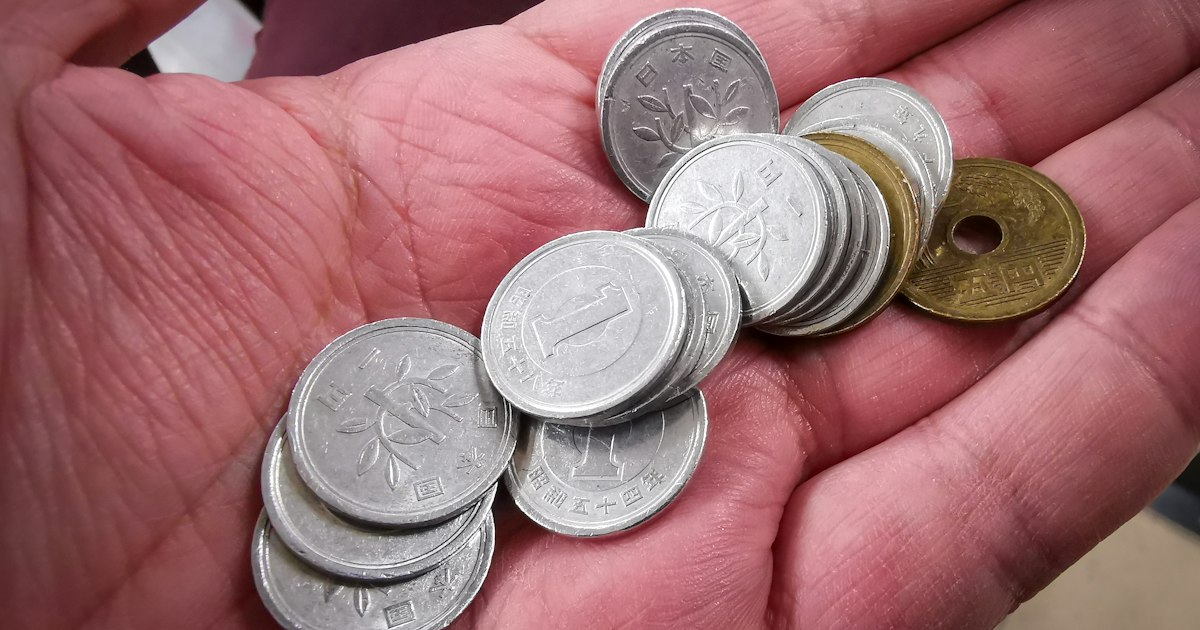
Photo by Senad Palic on Unsplash
Long before paper yen, Japan’s merchants and samurai dealt in oval gold coins called koban — hand-stamped, irregularly shaped, and stamped with the mint master’s seal. For collectors, koban sit at a strange intersection of jewelry, history, and hard currency: they’re genuinely made of gold, genuinely hundreds of years old, and genuinely easy to get scammed on if you don’t know where to look. This guide covers what koban actually are, where the legitimate dealer networks operate, what you should expect to pay, and the mistakes that trip up first-time buyers.
What a Koban Actually Is
Koban (小判) were minted from the late 1500s through the end of the Edo period in 1868, under a system where the shogunate periodically re-issued coins with slightly different gold content to manage the money supply. That matters for collectors because not all koban are equally rare or equally gold-rich. The main types you’ll encounter, roughly oldest to newest, are Keicho koban (1601), Genroku koban, Kyoho koban, Genbun koban, Tenpo koban (1837), Ansei koban, and Man’en koban (1860) — the last and smallest of the series, minted in large numbers right before the Meiji Restoration as the shogunate scrambled to stretch its gold reserves. Man’en koban are the most common survivors and the most realistic entry point for a first purchase; Keicho and Genroku koban are genuinely rare and priced like it.
Where to Find Legitimate Dealers
The center of gravity for antique Japanese currency dealing is Tokyo, and most serious shops belong to the Japan Numismatic Dealers Association (日本貨幣商協同組合, JNDA), a trade body that sets authentication standards among member stores. Buying from a JNDA member matters more than almost anything else in this hobby — it’s the difference between a coin you can resell later and one you’re stuck with. These dealer shops cluster in a few neighborhoods: the Kanda/Jimbocho area (already known to browsers of used bookshops and antique print dealers), and scattered specialist shops around Ginza and Nihonbashi, Tokyo’s old financial district and a fitting place to shop for Edo-period money. Shops in this trade tend to be small, appointment-friendly, and run by people who’ve been doing this for decades — walk in, state your budget plainly, and ask to see a few pieces with their appraisal paperwork attached. Most keep conventional retail hours, roughly 11:00–18:00, and are closed on Sundays or Mondays, so it’s worth calling ahead (or having a hotel concierge call) before making a special trip.
Flea Markets, Auctions, and Secondhand Routes
Outside the dedicated coin shops, Tokyo’s big outdoor antique markets are worth a browse even though genuine koban rarely surface there. The Oedo Antique Market at the Tokyo International Forum (held on select Sundays, typically the first and third of the month, weather permitting) and the periodic antique fairs at Yasukuni Shrine draw general antique dealers who occasionally stock old coins alongside lacquerware and kimono. Treat anything found this way as a curiosity rather than an investment — real koban at this price point from a general antiques stall should raise your guard immediately. For browsing online inventory before you fly, Yahoo Auctions Japan has a far deeper numismatic category than most buyers expect, though navigating a Japan-only auction site from abroad brings the same cross-border headaches covered in our guide to buying from Rakuten Ichiba as an overseas shopper — proxy bidding services and forwarding addresses apply just as much to coins as to anything else.
How Much Should You Expect to Pay
Prices swing enormously based on era, condition, and whether the coin carries an original box or certificate. As a rough framework:
- Budget / souvenir tier (¥500–¥3,000): Gold-plated reproduction koban sold at shrine gift shops, museum stores, and tourist souvenir counters. Fun to hand out as gifts, worthless as currency or collectibles, and usually labeled as replicas if you read the small print.
- Entry-level genuine (roughly ¥80,000–¥200,000): Man’en koban in worn but legible condition are the most attainable real Edo-era gold coin for a first-time buyer, precisely because the shogunate minted so many of them in its final, cash-strapped years.
- Mid-range (¥300,000–¥800,000): Better-preserved Tenpo or Ansei koban, or Man’en pieces in exceptional condition with original paperwork.
- Splurge tier (¥1,000,000 and well beyond): Genroku or Keicho koban, especially with unbroken provenance, sit in serious-collector territory and are usually sold through specialist auctions rather than walk-in shop stock.
Gold spot price provides a hard floor under all of these — a koban’s gold content alone (roughly 15–17 grams of varying purity depending on the era) is worth melting-value money even before you add historical premium, which is one reason prices rarely fall, only rise.
Spotting Fakes and Avoiding Rookie Mistakes
The single biggest mistake newcomers make is assuming age and gold color are proof of authenticity. Reproduction koban have been manufactured for well over a century — some antique-looking fakes are themselves a hundred years old, which confuses carbon-dating instincts that don’t actually apply to minted metal anyway. A few concrete tips:
- Weight and dimensions are standardized per era — a dealer or reference book can tell you instantly if a piece is off by even a gram or a millimeter, which real koban rarely are.
- The kiwa-in (edge stamps) and the mint master’s signature stamps have known variations; a JNDA-member dealer can authenticate these at a glance in ways a casual buyer can’t.
- Always ask for a written appraisal or guarantee card at the point of sale — reputable shops provide this without being asked, and its absence is itself a warning sign.
- Be skeptical of “too good” prices at general antique stalls or online marketplaces outside Japan; genuine koban rarely leak into non-specialist channels at a discount.
This same logic — trust the grading system, not your eye — comes up constantly in Japan’s other secondhand specialist markets; the authentication codes used by camera shops in our guide to buying a used camera lens in Japan work on the same underlying principle of trusting an established dealer’s grading over a casual seller’s claims.
Timing Your Visit
Coin shops themselves aren’t seasonal, but the broader antique-market calendar is worth planning around if you want variety beyond dedicated numismatic dealers. Late autumn and spring bring the most reliable run of outdoor antique fairs, since summer humidity and winter cold both suppress turnout at open-air markets. If a specific dealer visit is the point of your trip, email or call ahead in English-friendly terms — many smaller numismatic shops are one or two-person operations without walk-in staff every day, and showing up unannounced risks a locked door. Build in a backup activity nearby so a closed shop doesn’t sink the afternoon; if you’re already weaving through central Tokyo’s older shopping districts, collectors who enjoy one specialist hunt tend to enjoy another, and the browsing instinct that works for coins applies just as well to the current wave of Japanese backpack charm collecting if you want a lighter, cheaper souvenir to fall back on.
Whatever you walk away with, keep the receipt and any certificate with your luggage rather than checked baggage, and mention the purchase at customs if asked — a documented antique dealer purchase is a non-issue, an unexplained gold object is a conversation you’d rather not have.