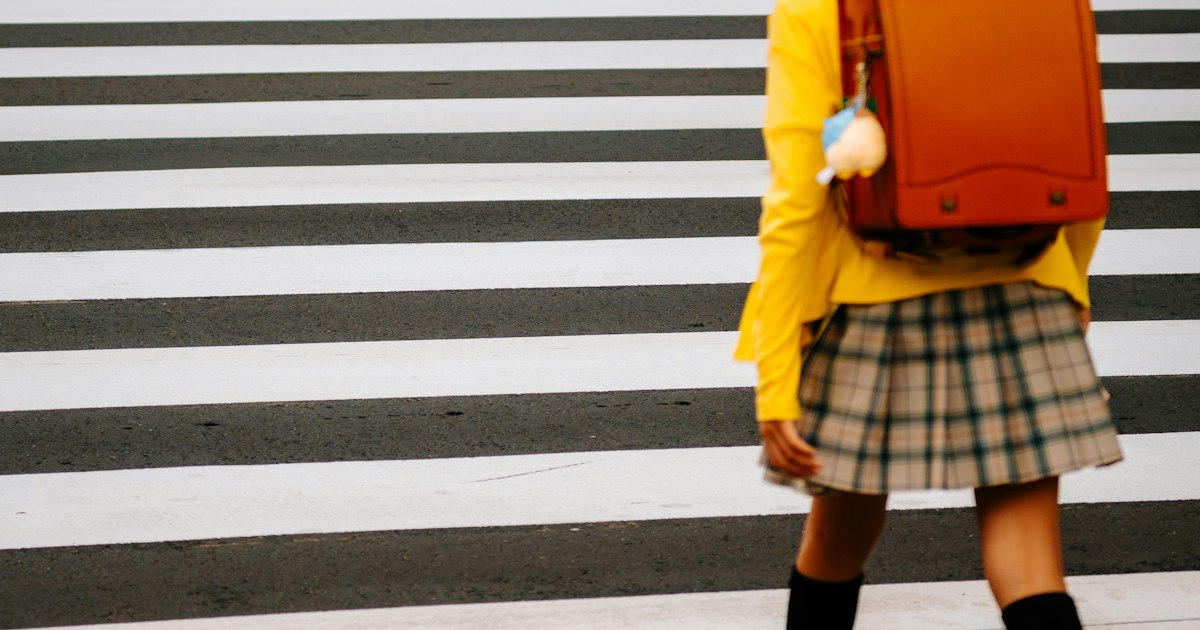
Photo by Takashi Sakamoto on Unsplash
Walk past any Japanese elementary school around 8am and you’ll see the same unmistakable silhouette: a boxy, hard-shelled backpack called a randoseru, often topped with a clear plastic rain cover and a dangling safety charm that flashes when it’s dark. These aren’t fashion accessories — they’re functional commuting gear mandated or expected at most schools — but they’ve become one of the more charming, affordable souvenir categories for visitors who want something that says “Japan” without being another keychain from a conbini rack. Here’s how to buy them intelligently, including where sizing and seasonal availability can trip you up.
What a Randoseru Actually Is, and Why It’s Not a Cheap Souvenir
A full-size randoseru is a rigid, cube-shaped backpack made of leather or synthetic leather (clarino), reinforced with a steel or resin frame so it holds its shape even empty. Real ones from established makers like Tsuchiya Kaban or Kuraray run roughly ¥50,000–¥70,000, and families typically order them a full year in advance through spring “randoseru fairs” at department stores like Isetan Shinjuku or Mitsukoshi, held around Golden Week for the following year’s incoming first-graders. If you’re visiting outside that ordering window, you generally can’t just walk in and buy a brand-new full-size one off a shelf — and even if you could, it’s an expensive, heavy item built for a six-year-old’s shoulders, not a souvenir-sized impulse buy.
What you can buy easily, year-round, are the accessories: the rain cover, the reflective charms, the yellow first-grader safety hat, and miniature leather-scrap keepsakes some makers sell specifically as mementos. These are the pieces worth focusing your shopping trip on.
The Rain Cover: What It Fits and Where to Find One
The randoseru rain cover (randoseru kabā) is a clear or tinted vinyl sleeve that stretches over the entire backpack, closing with snaps or elastic at the front flap. Many are solid yellow or have a yellow trim specifically for visibility, since first- and second-graders are the ones most likely to be walking to school alone in bad weather. Basic clear versions cost ¥110–¥220 at 100-yen shops like Daiso or Seria, while character-printed ones (Sanrio, Pokémon, Studio Ghibli tie-ins) at Akachan Honpo or Nishimatsuya run ¥800–¥1,500 and rotate in and out of stock seasonally.
The sizing catch: these covers are cut specifically for the randoseru’s rigid box shape, roughly 23cm wide by 30cm tall with a deep, squared-off body. They will not stretch properly over a Western-style soft backpack, a daypack, or even most other Japanese school bags like the soft-sided ones used by junior high students. If you’re buying one to actually use at home on a regular backpack, check the product listing for “ランドセル用” (for randoseru) versus a generic size — most souvenir shoppers end up using theirs decoratively or as a gift for someone who actually owns a randoseru.
Other Commuting Gear Worth Packing
The rain cover is just one piece of the kit. A few other items are worth looking for:
- Reflective safety charms (hanshatai): small clip-on or hanging reflectors, often shaped like animals or stars, that light up under car headlights. ¥300–¥800 at Tokyu Hands, Loft, or 100-yen shops.
- Yellow traffic safety hats (tsuugaku bōshi): the bright yellow caps worn by first- and second-graders, sold in miniature novelty sizes as omiyage at shops like Don Quijote, alongside full-size versions at Akachan Honpo.
- Disaster-prevention cushion hoods (bōsai zukin): a padded seat cushion that unfolds into a fire-resistant hood, kept clipped to a child’s chair at many schools. A genuinely unusual, kid-safety-culture item that most tourists have never seen.
- Leather-scrap keychains: some established randoseru makers, including Tsuchiya Kaban’s Kuramae workshop in Tokyo, sell small accessories made from offcuts of the same leather used in their full-size bags, at ¥2,000–¥5,000 — a nice middle ground between a 100-yen trinket and a ¥60,000 commitment.
If toy and collectible shopping is more your interest than wearable gear, it’s worth also browsing the broader kids’-goods aisle for character merchandise — our guide to collecting Takara Tomy’s toy lines beyond Tomica covers a related corner of the same stores.
Where to Shop: Budget, Mid-Range, and Splurge
For a quick, cheap haul, 100-yen shops are the easiest starting point — Daiso’s larger stores (the Harajuku flagship, open until 9pm, is a reliable option) stock basic rain covers and reflective charms for ¥110–¥220 each. For a step up in quality and character licensing, Akachan Honpo and Nishimatsuya are nationwide baby-and-kids chains with much deeper selections of covers, ponchos, and hats in the ¥800–¥2,500 range; both are typically open 10am–8pm or later inside shopping malls. For something with real craftsmanship behind it, visiting a working randoseru maker’s shop — Tsuchiya Kaban in Kuramae, Tokyo is the best-known — gets you leather-scrap accessories and a chance to see the full bags being assembled, even if you’re not ordering one yourself.
If you enjoy this kind of deep-dive shopping for specialty Japanese gear, the same mindset applies to buying kendo bogu or a judogi near the Budokan — both are categories where the “real” version is a serious purchase, but affordable accessory-level items make for far more practical souvenirs.
Best Time to Shop and Getting There
Rain covers and safety accessories are sold year-round and aren’t weather-dependent to buy, but you’ll see the widest in-store selection in late winter through spring (February–April), when stores stock up for the new school year starting in April. If you want to see the spectacle of a full randoseru fair — rows of leather bags in every color, families testing straps — aim for a department store around Golden Week in early May, though note these are made-to-order for the following spring and typically ship only within Japan. For day-to-day accessory shopping, any branch of Daiso, Akachan Honpo, or Nishimatsuya reachable by local train works fine; none of these require reservations or special timing.
Common Mistakes to Avoid
The biggest mistake is buying a full-size randoseru expecting a cheap souvenir — it’s a ¥50,000+ purchase, it’s heavy, and the rigid frame doesn’t pack flat in a suitcase. Second is assuming a rain cover will fit any backpack; check that it’s labeled for randoseru dimensions specifically. Third, if you’re drawn to the light-up reflective charms, remember they run on small button batteries — fine to carry home in reasonable quantities, but worth packing in your checked bag’s accessible section rather than buried at the bottom. And finally, don’t leave your new rain cover or umbrella behind at a café or convenience store on your way out — if you do, it’s worth knowing what actually happens to items left behind at Japanese convenience stores before you assume it’s gone for good.