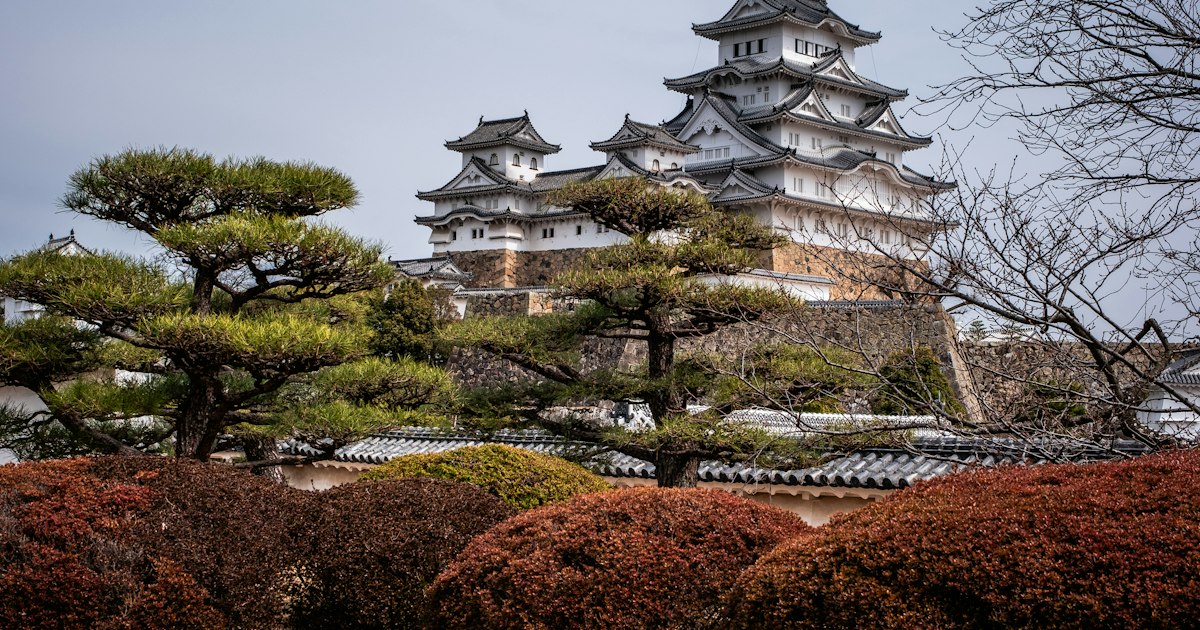
Photo by Sue Winston on Unsplash
Standing in front of Himeji Castle’s white walls or Kyoto’s Nijo-jo in a full suit of lacquered armor is one of those photos that looks staged for a movie but is actually something any visitor can book for an afternoon. Armor and samurai costume rental has grown into a small but well-established industry in both cities, ranging from simple costume overlays you wear over your clothes to museum-grade reproduction armor with helmet, sword, and full lacing. Here’s how the rentals actually work, what they cost, and how to avoid wasting a half-day of your trip on logistics.
What “samurai rental” actually means
There are two very different products sold under the same marketing language, and mixing them up is the single biggest source of disappointment.
- Costume/kimono-style samurai wear — a cotton or polyester hakama, haori jacket, and sometimes a soft fabric “armor” vest with plastic shoulder plates. Lightweight, quick to put on (10-15 minutes), comfortable to walk and sit in. This is what most walk-in rental shops near Kiyomizu-dera and Gion offer alongside their kimono rentals.
- Full lamellar armor (yoroi) — a real reproduction of samurai battle armor: lacquered plates laced together, a kabuto helmet, armored sleeves, and often a katana or tachi prop sword. This is heavier (5-15 kg depending on the set), takes 20-40 minutes to put on with staff help, and is usually rented for studio photography rather than walking around all day.
If your goal is a dramatic portrait, book the full armor. If your goal is wandering a temple district looking the part for a couple of hours, the lighter costume version is the better choice — full armor is genuinely hard to walk long distances in.
Where to rent in Kyoto
Kyoto has the larger selection because it’s already the center of the country’s kimono-rental economy, and several shops added samurai and ninja lines once they saw tourist demand.
- Kyoto Samurai & Ninja Museum (near Nijo Castle) — combines a small museum of real and reproduction weapons with photo-session armor rental. Expect roughly ¥4,000-¥7,000 for a 20-30 minute armor photo session including staff assistance and a set number of edited photos; cheaper ninja-costume options run lower. Hours are typically 10:00-18:00; check same-day availability since sessions are slot-based.
- Kimono/costume shops in Gion and near Kiyomizu-dera — several of the kimono-rental chains that line Sannenzaka and Ninenzaka also stock lightweight samurai costumes for men and matching outfits for kids, usually ¥3,000-¥5,000 for a half-day rental with no photo session included — you walk around and shoot it yourself.
- Studio-based armor rental — a handful of photo studios near Nishiki Market and Higashiyama rent full lacquered armor plus a professional photographer and backdrop, running ¥8,000-¥20,000 per person depending on package size, prints, and digital file delivery.
Reserve online 2-3 days ahead in cherry blossom season (late March-early April) and during autumn foliage (mid-November), when both kimono and armor slots sell out by mid-morning. Outside those windows, same-day walk-ins are usually fine.
Where to rent in Himeji
Himeji’s offering is smaller but arguably more atmospheric, since you can rent and shoot within sight of the actual castle rather than a replica backdrop.
- Himeji Castle Otemae-dori rental shops — a couple of small kimono/costume rental counters sit along the approach road between Himeji Station and the castle gate, roughly a 15-minute walk or a short bus ride. Lightweight samurai costume rental runs about ¥3,000-¥5,000 for 2-3 hours, enough time to walk the approach, enter the castle grounds, and shoot photos with the keep in the background.
- Full armor sets are rarer in Himeji than Kyoto; if you want the heavy lacquered-armor experience specifically, it’s often easier to do that session in Kyoto and save Himeji for the lighter costume-plus-castle combination.
Himeji Castle itself is open 9:00-16:00 (last entry 15:00) most of the year, closing December 29-31. Entry is ¥1,000 for adults. Wearing a rented costume inside the castle is allowed, but the keep has steep, narrow wooden staircases — this is where full armor becomes genuinely impractical, and even the lighter costume sandals can be slippery on worn wood, so wear your own shoes if the rental lets you.
Best timing for photos
Early morning (right at opening) and late afternoon give the softest light and the fewest other tourists photobombing your shot. At Himeji, the moat-side approach and the inner bailey near the main keep are the standout backdrops; at Kyoto locations, Nijo-jo’s stone walls and gates read more “samurai-era” than most temple settings, which skew more Buddhist/aristocratic than warrior-class. Avoid midday in July and August — full armor in particular gets uncomfortably hot, and several rental shops add a “hydration break” into longer sessions for exactly this reason.
If your trip happens to land during Obon in mid-August, book rental slots well in advance — domestic tourism to castles and historic sites spikes hard that week, and the same crowd pressure that fills trains and flights also fills same-day rental appointments. For more on why that particular week gets so congested, see this guide to traveling during Obon.
Budget, mid-range, and splurge options
- Budget (¥3,000-¥5,000): lightweight costume rental, self-shot photos, 2-4 hour rental window. Best for families or anyone short on time.
- Mid-range (¥6,000-¥10,000): studio armor session with staff-assisted dressing, a helmet and prop sword, and a handful of edited digital photos included.
- Splurge (¥12,000-¥20,000+): full lacquered armor, professional photographer, multiple backdrop/pose changes, printed photos, and sometimes hair/makeup styling to match the period look. Couples and families booking a joint samurai-and-kimono shoot land in this range.
Common mistakes to avoid
- Booking armor and then trying to sightsee all day in it — full armor is a photo-session product, not daywear. Plan it as a standalone 30-60 minute block, not something you wear from the castle gate to lunch.
- Not checking the cancellation/weather policy — outdoor armor sessions near the castle moat get rescheduled in heavy rain, and policies vary by shop on refunds versus rebooking.
- Assuming all rentals include photos — the cheaper costume-only rentals are BYO-camera; if you want professionally shot and edited images, confirm the package includes a photographer before you pay.
- Skipping the size check — armor sets come in limited sizes, and tall or larger visitors should message the shop ahead of time to confirm fit rather than discovering it at the counter.
- Forgetting shoes — most rentals provide tabi socks or sandals, but these aren’t ideal for the stone paths and wooden stairs at either castle; bringing your own flat, closed shoes to swap in is a common workaround locals and repeat renters use.
Whichever version you choose, book a specific time slot rather than hoping to walk in — the good shops near both castles run on limited daily appointments, especially the full-armor photo sessions, and a little advance planning is the difference between a relaxed shoot and a rushed one.