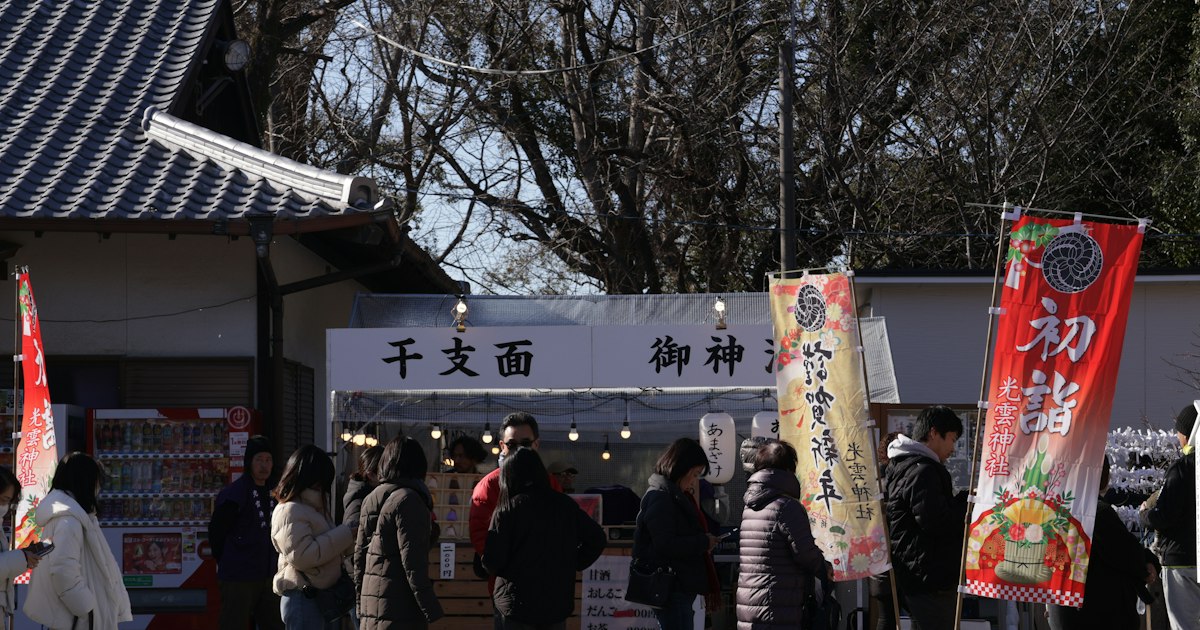
Photo by Yanhao Fang on Unsplash
Despite the name, nobody is actually naked at a hadaka matsuri. Participants wear a fundoshi, a tight white or red loincloth, and the “naked” part refers to everything else being stripped away — coats, shoes, and in many cases the cold itself, since most of these festivals happen in the dead of winter. They’re among the most physical, photogenic, and genuinely startling events on Japan’s festival calendar, and a handful of them actively welcome foreign tourists to join the crowd, not just watch it from behind a rope.
What actually happens at a hadaka matsuri
The format varies by town, but the core idea is shared: hundreds or thousands of men (occasionally mixed or women’s versions exist, but the famous ones are male) stripped down to fundoshi, dousing themselves in cold water or sake, then crushing together to touch a sacred object — a wooden stick, a talisman, a priest’s blessing — believed to transfer good luck and ward off bad fortune for the coming year. The crush itself is the point. It’s part Shinto purification ritual, part full-contact rugby scrum, and it’s taken completely seriously by everyone involved even as it looks like chaos from the sidelines.
The most famous is Saidaiji Eyo at Saidaiji Kannonin temple in Okayama City, held every third Saturday of February (so 2027’s date will be the third Saturday — check the temple’s site each year since it’s fixed to the day of the week, not the date). Around 9,000 men in fundoshi pack the temple grounds from 10pm, climaxing around midnight when two wooden shingi sticks are thrown into the crowd from a window — whoever grabs one is crowned “lucky man” for the year. Temperatures are often near freezing and participants have been dousing themselves in water for hours beforehand.
Where and when to see one
- Saidaiji Eyo (Okayama) — third Saturday of February, Saidaiji Kannonin temple. The big one, with official English-language visitor information and bleacher seating for spectators.
- Kokubunji Hadaka Matsuri (Niigata) — early January, smaller and more local, less tourist infrastructure.
- Konomiya Naked Festival (Owari, Aichi) — mid-February, built around chasing off a “ogre man” (shin-otoko) scapegoat.
- Yamugi Tenman-gu Hadaka Matsuri and others — scattered through Tohoku and Kyushu, usually January–February, almost entirely word-of-mouth/local.
Winter is the overwhelming season for these events — the cold water is part of the purification, and New Year timing ties into fortune-telling for the year ahead. If you’re building a February Japan itinerary around Okayama, note that this is also a good stretch to pair with onsen recovery; somewhere like Takeo Onsen or a local foot bath (see our guide to free ashiyu foot baths if you’d rather warm up without fully undressing yourself) makes a sensible next stop after standing in a crowd for hours in February air.
How to get to Saidaiji Eyo
Saidaiji is a district of Okayama City. From Okayama Station, take the JR Ako Line to Saidaiji Station (about 15–20 minutes, roughly ¥240), then walk about 15 minutes to the temple, or take a short taxi (around ¥700–900). Okayama itself is on the Sanyo Shinkansen line, about 45 minutes from Osaka or 50 minutes from Hiroshima, making it an easy day or evening trip if you’re based in the Kansai area. Expect the station and approach roads to be heavily congested after about 8pm on festival night — local trains run later than usual to accommodate the crowds leaving around midnight, but confirm the last train back before you go, since missing it in a small town with limited taxis is a real risk.
Spectating: cost, timing, what to bring
Watching is free if you stand in the general public areas around the temple grounds, though these fill up fast — arrive by 7–8pm for a decent view of the main event around midnight. Saidaiji Kannonin sells numbered bleacher-style spectator seats for a fee (historically in the ¥3,000–5,000 range depending on seating tier; prices are set fresh each year, so check the temple’s official announcement rather than relying on an old figure) which guarantee you an unobstructed view and are worth it if you don’t want to fight a crowd for three hours in winter.
Bring: a thermos of something hot, hand warmers, waterproof footwear (the ground gets wet and icy from the water participants throw), and a charged phone — cell service can get congested in the dense crowd right before midnight. If you want festival photos without missing the moment live, set your camera to a fast shutter beforehand; there’s no time to fiddle with settings once the crush starts.
Joining as a participant
Yes, tourists can join Saidaiji Eyo, including non-Japanese visitors, and this is one of the few hadaka matsuri that actively encourages outside participation. Registration is typically required in advance through the temple or local tourism association (an entry fee, historically around ¥3,000, covers the fundoshi rental and a commemorative item) — this is not a walk-up activity. You’ll need to arrive hours early for the ritual cold-water purification (mizugori) that precedes the main event, which is itself an experience: standing in near-freezing weather pouring cold water over your own shoulders repeatedly is the actual initiation, not a formality.
Practical notes for participants:
- Fundoshi are provided or sold on-site; you do not need to bring your own, though some participants buy and keep theirs as a souvenir.
- Fitness matters more than most tourists expect — this is a genuine physical crush, and elbows, falls, and bruises are common. If you have joint issues, heart conditions, or are pregnant, sit this one out and watch instead.
- Alcohol is often part of the pre-festival atmosphere among local participants, but going in intoxicated into a dense, physical crowd is how people get hurt. Pace yourself.
- Valuables (phone, wallet) should stay with a non-participating companion or in a locker — there are no pockets in a fundoshi.
Common mistakes tourists make
The biggest one is underestimating the cold-to-crowd-heat swing: you’ll be freezing while waiting, then suddenly overheated and crushed once the scrum starts, so dress in easily removable layers rather than one heavy coat. Second is assuming you can just show up and jump in — most organized participation requires pre-registration weeks ahead, and foreign visitors who skip this step are directed to spectator areas instead. Third is treating it like a photo-op free-for-all; this is an active religious ritual for the local community, and shoving a camera into someone’s face mid-ritual is poorly received. Shoot from the designated areas, and if you’re unsure, ask festival staff (many Saidaiji Eyo staff speak at least basic English given the event’s international profile).
Finally, don’t underestimate logistics around a small station town absorbing a huge one-night crowd — hotels in Okayama City book out well ahead of the February date, and if you’re sorting accommodation yourself, our comparison of Rakuten Travel, Jalan, and Booking.com is worth a look before you commit, since availability and cancellation terms differ meaningfully between the three for a date this in-demand.
Budget, mid-range, and splurge ways to experience it
Budget: stand in the free public viewing area (¥0) and take the train back to Okayama City same night. Mid-range: buy a numbered bleacher seat (¥3,000–5,000) and stay one night in Okayama City rather than rushing for the last train. Splurge: register as a participant (~¥3,000 entry plus transport/lodging), stay two nights so you can recover the next day, and treat yourself to an onsen soak afterward — your body will want it after hours of cold water and a crowd crush. If naked festivals turn out to be your gateway into Japan’s rowdier matsuri scene, Tokyo’s own Sanja Matsuri in Asakusa is a good (fully clothed) follow-up in May, with a similarly intense crowd energy around its mikoshi processions.