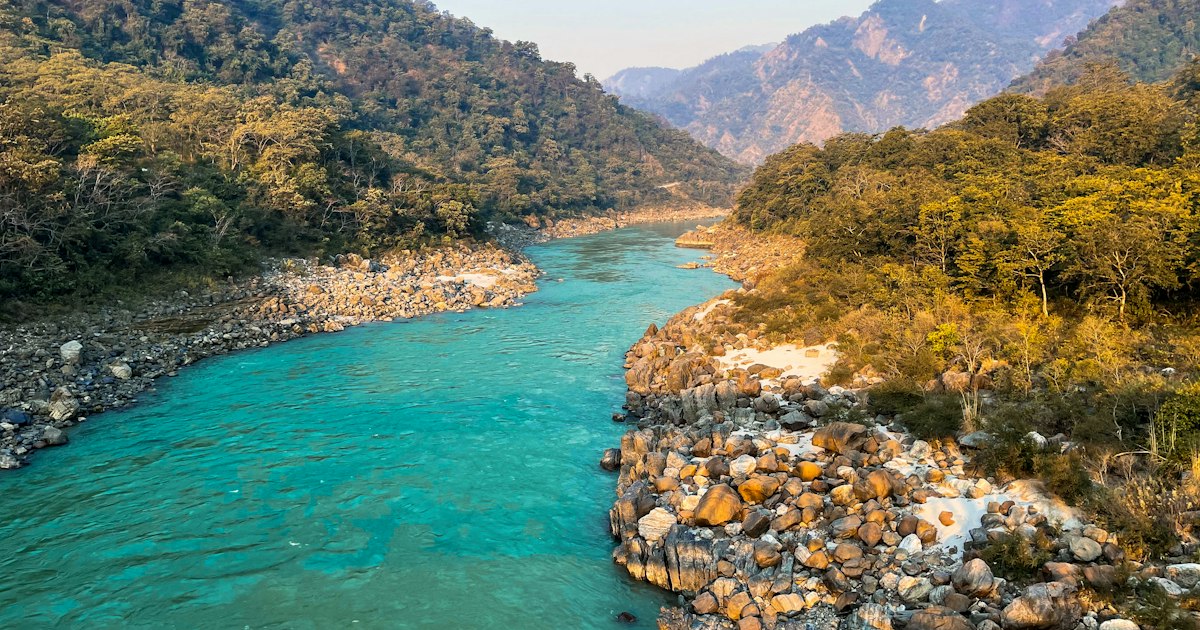
Photo by Rishabh Gagneja on Unsplash
The Shimanto River in Kochi Prefecture is routinely called “Japan’s last clear stream” — no major dams interrupt its 196-kilometer run from the mountains of Shikoku to the Pacific, and that clarity is exactly what makes it one of the country’s best places to fish for ayu, the sweet, almost cucumber-scented river fish that Japanese anglers travel across the country to catch. If you’re planning a trip to rural Kochi and want an outdoor activity that’s genuinely local rather than staged for tourists, a guided ayu charter on the Shimanto is worth the detour. Here’s how to actually book one, what it costs, and what trips you up if you’ve never done it before.
What Ayu Fishing Actually Involves
Ayu aren’t caught with bait — they’re territorial algae-grazers, and the traditional method, tomozuri (友釣り), uses a live decoy ayu rigged with a ring of hooks to provoke a territorial attack from a wild fish. It’s a genuinely skillful technique using a long rod (often 7-9 meters) with no reel, and it takes most first-timers a good hour just to stop tangling the line. This is why booking a guide matters here far more than for, say, a generic lake fishing trip: a local gyokyo (fishing cooperative) guide or independent charter captain will rig your rod, show you the wading line along the riverbed, and read the water for the deeper pools where ayu school in late summer.
Some charters also offer ami-ryo (net scooping) or simple bait-and-float fishing for beginners and kids, which is far less technically demanding if you just want to be on the water rather than master tomozuri in an afternoon.
Season and Timing
Ayu fishing on the Shimanto is strictly seasonal and regulated by the local fisheries cooperative, which sets the opening and closing dates each year to protect spawning stock. As a rule of thumb, the season runs from early June through late September, with July and August as peak months — this is also when the water is warm enough to wade comfortably and ayu are at their most active and best-tasting, having fed all summer on river algae. Early morning charters (departing around 6:00-7:00am) consistently outperform afternoon trips, since ayu feed most actively before the water warms and before upstream rafters and kayakers start stirring up the pools. Avoid typhoon season stragglers in September — heavy rain upstream can cloud the water for days and shut fishing down entirely, so build a buffer day into your itinerary if this trip is a priority rather than a maybe.
Booking a Charter: Where to Start
There’s no large English-language booking platform dedicated to Shimanto ayu charters — this is a cottage industry run by local guides, ryokan operators, and the river’s fisheries cooperatives, so most bookings happen by phone or through the Shimanto City or Kochi Prefecture tourism offices rather than an app. The most reliable approach for a foreign visitor is:
- Contact the Shimanto City Tourism Association (四万十市観光協会) or your accommodation directly — many riverside ryokan and minshuku in towns like Nakamura or Taisho have standing relationships with local ayu guides and can arrange the charter, permit, and gear as a package.
- Ask specifically for a tomozuri or ayu-zuri guided charter (ガイド付きアユ釣り) if you want the full traditional experience rather than a general fishing boat trip.
- Book at least a few weeks ahead in July and August — this is when domestic anglers from Osaka and Hiroshima also target the Shimanto, and the small number of licensed guides fill up on weekends.
If you don’t speak Japanese, ask your hotel to call on your behalf, or use a translation app for the initial inquiry — most guides are used to fielding calls through intermediaries and are generally patient with non-native speakers once the trip is underway.
What It Costs
Budget for three separate cost layers, since Japanese river fishing almost always separates the license fee from the guiding fee:
- Daily fishing permit (nyugyo-ken): typically in the ¥2,000–3,500 range per person, paid to the local fisheries cooperative and required even if you’re fishing on your own.
- Budget option — self-guided with rental gear: around ¥5,000–8,000 total per person if you rent a rod locally and just fish from the bank with basic instruction, suited to travelers comfortable figuring out the technique themselves or sticking to simpler methods.
- Mid-range — half-day guided charter: roughly ¥10,000–18,000 per person for a 3-4 hour session with a guide who rigs your gear, walks you into the right pools, and helps net your catch, permit usually included.
- Splurge — full-day private charter with a veteran guide: ¥20,000–35,000+ per person (sometimes priced per boat/group rather than per head), often including a riverside lunch where your catch is grilled with salt (shioyaki) on the spot — this is the version worth doing if ayu fishing is the main reason for your Kochi trip rather than a side activity.
Prices shift year to year with the cooperative’s fee schedule, so always confirm the current rate when you book rather than relying on last season’s figures.
Getting There
The Shimanto River isn’t on the shinkansen network, which is part of why it stays uncrowded. The practical route is to fly or shinkansen-plus-transfer into Kochi, then take the JR Dosan or Tosa Kuroshio Railway lines toward Nakamura Station (中村駅), which sits close to the lower and middle river and is the usual base for arranging charters. From Kochi city, Nakamura is roughly 1.5–2 hours by limited express train. Renting a car in Kochi and driving is genuinely the easier option if your charter departs from a smaller upriver point like Taisho or Ekawasaki, since local bus service along the river thins out fast outside the main towns. If you’re assembling a rural Japan itinerary that mixes trains, rentals, and the occasional ride from a stranger, it’s worth reading up on how backpackers actually get around rural Japan before you commit to a car-free plan here.
Common Mistakes First-Timers Make
- Skipping the permit. Cooperative wardens do check, and fishing without a nyugyo-ken on a managed river is a real problem, not a formality — your guide will handle this, but confirm it’s included if booking independently.
- Wearing the wrong shoes. River wading here is done over smooth, slick rocks in moving current; sandals are a genuine injury risk. Felt-soled wading shoes or sturdy river sneakers, often rentable through your guide, are worth insisting on.
- Underestimating the sun. You’ll be standing in open water for hours in July-August heat with no shade — bring a hat, sun sleeves, and more water than you think you need.
- Assuming you can keep everything you catch. Some guided trips release smaller fish or cap your take per the cooperative’s rules; ask upfront whether your catch is yours to keep and grilled on-site, since this varies by operator.
- Booking a single fixed day with no flexibility. Given how weather-dependent the river is, a one-day trip with no buffer is the single most common reason visitors miss out — pad your schedule if you can.
Beyond the Fishing
A Shimanto charter pairs naturally with a slower few days in Kochi: the river’s famous low-water “chinka-bashi” submersible bridges are nearby and worth photographing, and the grilled ayu you catch — simply salted and cooked over charcoal — is reason enough to skip the guided restaurant tours elsewhere in the prefecture. If you’re the type of traveler who likes seeking out one good regional food story per region the way we’ve covered Yamagata’s riverside imoni-kai hot pot tradition, a Shimanto ayu trip is the Shikoku equivalent: a local food ritual you can only really get by going to the river itself.