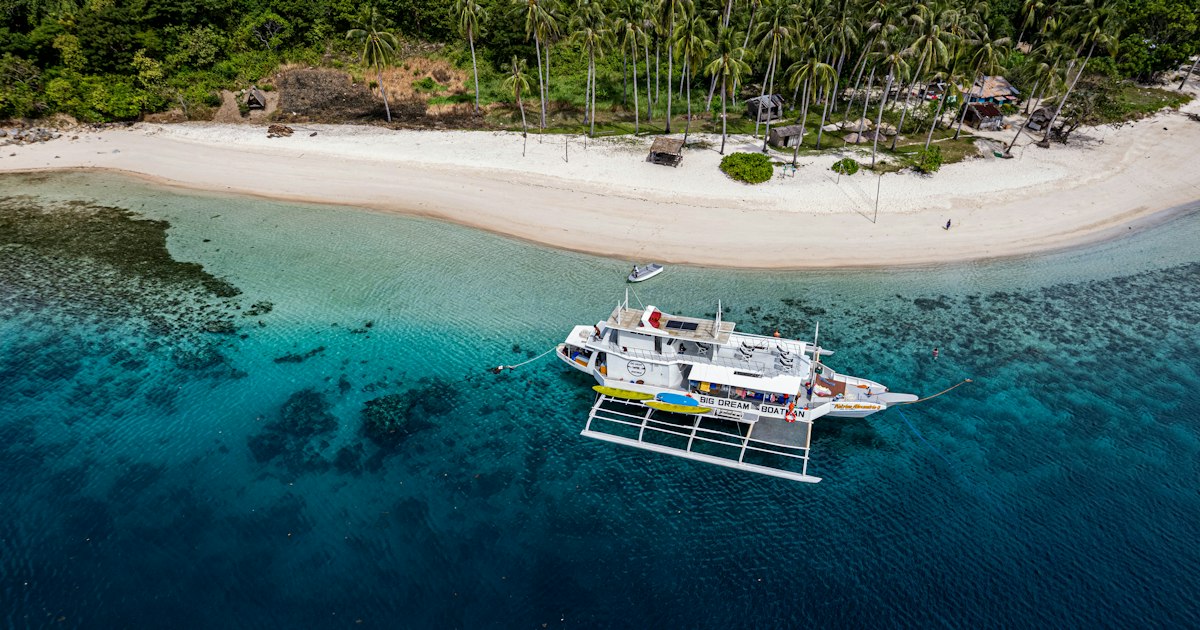
Photo by Bernd 📷 Dittrich on Unsplash
Most people who make it to Amami Oshima never go the extra hop to Kikaijima, and that’s exactly why it’s worth the effort. This flat, sugarcane-covered island 25 minutes northeast by plane is made almost entirely of uplifted coral limestone, ringed by water so clear that snorkel-tour operators market “blue cave” swims the way other places sell waterfalls. It’s a slower, smaller-scale trip than Amami or Okinawa — no big resorts, limited rental cars, and a ferry schedule you need to plan around — but for travelers who want a coral coastline without the crowds, it delivers.
Where Kikaijima Fits on the Map (vs Amami Oshima)
Kikaijima sits in the Amami Islands chain, part of Kagoshima Prefecture, about 25 km northeast of Amami Oshima’s main airport. The whole island is one municipality, Kikai Town, and it’s small enough to drive end to end in under an hour — flat, low-lying, and completely different in feel from mountainous, forested Amami Oshima. There’s no train, no real bus network to speak of, and only a handful of traffic lights. People come here for three things: the blue-cave snorkeling and diving along the reef edge, the strange, world-class geology of an island that is visibly rising out of the sea, and the quiet — beaches with nobody on them in shoulder season.
Getting to Kikaijima: Flights and Ferries
Japan Air Commuter (JAC) flies small turboprops from Kagoshima Airport to Kikai Airport roughly once a day, a flight of just over an hour; advance-purchase fares often run from around ¥9,000–14,000 one way, with full fares closer to ¥25,000. The short hop from Amami Airport to Kikai is only about 20–25 minutes and is frequently the cheaper, easier connection if you’re already island-hopping.
The sea route is a passenger ferry between Naze Port on Amami Oshima and Wan Port on Kikaijima, taking roughly two hours, with one or two sailings a day depending on the season; expect a second-class one-way fare in the ¥3,000–4,000 range. Note that Kikaijima is not on the main Kagoshima–Naze–Okinawa trunk ferry line, so you can’t just stay aboard a long-haul ferry to get here — it’s a separate local connection.
Once you’ve landed, a rental car is the easiest way to see the coral terraces and reach the dive shops, but counters near the airport have limited stock, so book ahead, especially in summer. If you’d rather skip the rental altogether, the island is small and quiet enough that hitchhiking is a genuinely workable option — our guide to hitchhiking in Japan covers the etiquette and safety basics that apply just as well on a remote island as on the mainland. If you’re coming from a multi-stop Kyushu itinerary, it’s also worth using hotel-to-hotel luggage forwarding to send your main suitcase ahead to your next stop, since you’ll want to travel light for the flight and ferry legs.
The Blue Caves and Snorkeling Beyond the Reef
Kikaijima’s reef drops off close to shore in several spots, and local dive shops run guided snorkel and “blue cave” tours into the sea caverns cut into the limestone coastline, where sunlight filtering through underwater openings turns the water an intense cobalt blue. A half-day guided snorkel tour with gear typically runs about ¥7,000–8,000 per person; certified divers can usually book a two-tank boat dive for roughly ¥16,000–18,000. Tours are weather-dependent and run from a small number of operators, so reserve a day or two ahead rather than assuming you can walk in, particularly on summer weekends.
Water visibility and comfort are best from May through October; outside that, a wetsuit is worth having for the cooler months. If you don’t already own one, it’s often cheaper to pick up a secondhand wetsuit before you fly south — see our guide to buying a used surfboard or wetsuit in Japan for where Shonan and Chiba shops sell gear cheap.
A Living Geology Lesson: The World’s Fastest-Rising Coral Island
This is Kikaijima’s real claim to fame among researchers: the island is being pushed upward by plate movement at one of the fastest uplift rates recorded anywhere, and its layered limestone terraces are studied internationally as a record of sea-level change going back hundreds of thousands of years. You don’t need a geology background to appreciate it — drive the coastal roads and you can see stepped, bone-white limestone terraces stacked above the current shoreline, each step a former reef that’s since been lifted clear of the water. It also makes the island an unusual stop for birdwatchers, since its position on the migratory flyway between Japan and Southeast Asia brings in rarities that draw dedicated spotters; if that’s your interest, our birdwatching in Japan guide covers gear and hotspot strategy that applies well to a remote-island stopover like this.
Best Time to Visit
May through October is swimming and snorkeling season, with the warmest, calmest water generally in June and the shoulder weeks of May and October offering good conditions with fewer visitors. August and September bring the Amami Islands’ typhoon season, which can cancel flights and ferries with little notice — if you’re traveling then, build a buffer day into your schedule rather than booking a tight connection straight back to the mainland. Winter is quieter and cooler, with less swimming but still pleasant for driving the coastal terraces and visiting without crowds; just confirm which dive shops and restaurants are actually open, since several scale back or close for part of the off-season.
Where to Stay and Eat: Budget to Splurge
Accommodation is modest and limited in number, so book early for summer weekends.
- Budget: Simple guesthouses near Wan or the airport, roughly ¥4,500–6,000 a night for a private room.
- Mid-range: Island minshuku and small business hotels running about ¥9,000–13,000 a night, often including a home-cooked dinner and breakfast featuring local fish and the island’s brown-sugar specialties.
- Splurge: There’s no large luxury resort here, so the upgrade move is booking the island’s nicer inns with ocean-view rooms (around ¥18,000–25,000 a night) or chartering a private boat or snorkel tour for your group instead of joining a shared outing.
Kikaijima is one of Japan’s main producers of kokuto (unrefined brown sugar), and it shows up everywhere — in the local shochu, in snacks, and on breakfast tables. Eating out is simple and cash-friendly rather than trendy: small set-meal restaurants and izakaya near Wan serve the bulk of visitors, and most close relatively early, so don’t plan on a late dinner outside the main town.
Common Mistakes to Avoid
- Treating it as a day trip from Amami Oshima. Flight and ferry schedules are thin, and weather delays are common — plan for at least one overnight so a cancelled connection doesn’t strand you.
- Not booking a rental car ahead of time. There are only a few counters and a small fleet; arriving without a reservation in peak season often means no car at all.
- Assuming cards work everywhere. Many guesthouses, dive shops, and restaurants are cash-only or card-limited — bring enough yen, since ATMs are scarce outside the main settlement.
- Skipping tour reservations. With only a handful of snorkel and dive operators, popular blue-cave slots fill up, especially on summer weekends.
- Underestimating typhoon-season risk. If you’re visiting in August or September, build slack into your itinerary around the flight or ferry back to the mainland.
Kikaijima rewards travelers who want a coral coastline without the development that’s reshaped much of Okinawa — it just asks you to plan the logistics a little more carefully than a typical Japan stop. Get the ferry or flight timing right, book your snorkel tour ahead, and the payoff is a blue-cave swim and a coastline of rising coral terraces that very few visiting foreigners ever see.