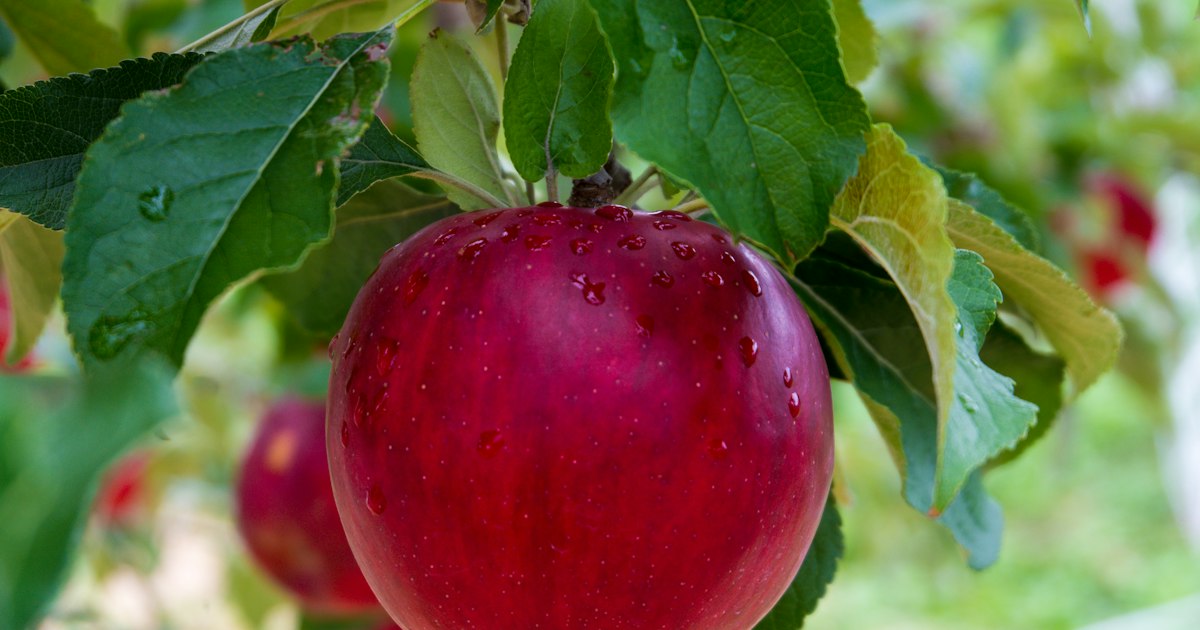
Photo by Fumiaki Hayashi on Unsplash
Most people only know Hirosaki for one thing: the thousand-plus cherry trees that turn its castle moat into a pink tunnel every late April. But swap the season, and this same small city in Aomori Prefecture turns into one of the best — and least crowded — fruit-picking day trips in Japan. Aomori grows more apples than any other prefecture by a wide margin, and Hirosaki sits at the center of that industry. From September through November, you can walk into a working orchard, twist a Fuji or a Jonagold off the branch yourself, and eat it on the spot. Here’s how to actually plan that day.
Why Fall, Not Spring, Is Hirosaki’s Other Season
Hirosaki’s tourism calendar is lopsided toward sakura season, when hotel rates spike and the castle park fills with tour groups. Apple season draws a fraction of those crowds, even though the orchards are arguably more interesting to actually walk through — rows of trees heavy with fruit, farmers out working the harvest, and roadside stands selling varieties you won’t find exported. If you’re already building a Tohoku itinerary around autumn colors, this pairs naturally with other regional traditions happening at the same time of year, like Yamagata’s riverside imoni hot pot gatherings, which run on a similar September–November clock.
When to Go: Reading the Apple Harvest Calendar
Different varieties ripen at different times, so “apple season” isn’t one block of weeks — it’s a rolling calendar:
- Late August–September: Tsugaru, an early, sweet, low-acid variety — good for a first taste of the season.
- Early–mid October: Jonagold and Mutsu, tarter and firmer, popular for both eating and baking.
- Mid-October–November: Fuji, the variety most orchards build their picking experience around, along with Orin (a yellow apple) in the same window.
Most pick-your-own farms stay open into mid-to-late November, right up until the first heavy snow or frost shuts the orchard down for winter. If you want Fuji specifically — the apple most visitors recognize — aim for the last two weeks of October through mid-November. Weekday mornings are quieter than weekend afternoons, when local families turn up in bulk to stock up for winter.
Hirosaki Apple Park: The Easiest Starting Point
For a first visit, Hirosaki Apple Park (弘前市りんご公園), a city-run orchard and visitor facility in the Shimizu area south of the castle, is the simplest option. Admission to the park grounds is free, and the on-site orchard lets you pick and eat apples right there, with additional apples to take home charged per piece — typically a few hundred yen each depending on the variety and size, so budget roughly ¥1,000–¥2,000 if you want to bring home a small bag. The park also has a restaurant serving apple-based dishes, a shop selling cider and apple sweets, and a gift area for shipping boxes of fruit home. It’s open daily through the harvest season, generally from around 9:00 a.m. to 5:00 p.m., with the orchard portion closing once winter weather sets in (usually by late November or early December). Hours and per-apple pricing shift slightly year to year, so it’s worth a quick check with the Hirosaki tourist information desk at the station on arrival rather than relying on last year’s numbers.
Family Orchards Around Hirosaki for a Deeper Dive
Beyond the city park, Hirosaki is ringed by dozens of smaller, family-run orchards that also offer “ringo mogi” (apple picking) experiences, concentrated in areas like Iwaki and Soma on the city’s outskirts. These tend to be more working-farm than visitor facility — no restaurant, no gift shop, just an orchard, a farmer, and a small fee. Some require advance reservation by phone (Japanese only, so hotel staff or the tourist information center can help call ahead), while others accept walk-ins during peak season. These are worth seeking out if you want a quieter, more personal version of the same experience, or if you’re visiting with a rental car and don’t mind driving between stops.
Getting There
From Tokyo, take the Tohoku Shinkansen to Shin-Aomori (around 3 hours), then transfer to a limited express or local train on the Ou Line to Hirosaki Station, adding another 35–45 minutes. From Hirosaki Station, Apple Park is roughly 20–25 minutes away by local bus (around ¥300–¥400 one-way) or about 15 minutes by taxi (around ¥2,000–¥2,500). If you’re coming from Aomori City or already touring the prefecture — say, after catching the Hachinohe Enburi festival in a different season — Hirosaki is an easy rail connection within Aomori itself. A rental car gives you the most flexibility for reaching the smaller outlying orchards, and parking at Apple Park and most farms is free.
Budget, Mid-Range, and Splurge Options
Budget: Visit Apple Park on a free-admission basis, pick and eat one or two apples on the spot for a few hundred yen each, and skip the restaurant — a snack-level visit can cost under ¥1,000 total.
Mid-range: Budget ¥2,000–�be3,000 per person for a bag of take-home apples plus a bowl of apple curry or an apple-based dessert at the park restaurant.
Splurge: Arrange a reservation at a family orchard for a more guided picking session, and have a box of premium Fuji shipped home — mail-order shipping of fruit boxes within Japan commonly runs ¥2,000–¥4,000 depending on box size and destination, on top of the fruit itself.
If you’re planning to carry apples in your luggage rather than ship them, pack smart: a few compressible packing cubes or a soft-sided produce bag (sold at Don Quijote or Tokyu Hands) keep fruit from bruising against clothes — see this packing cubes and travel organizer guide for what to buy before the trip.
Common Mistakes to Avoid
- Assuming any apple on the tree is free to eat. At most orchards, apples you pick and eat on-site are included or very cheap, but anything you take with you is counted and charged — don’t start filling a bag before confirming the pricing with staff.
- Showing up expecting Fuji in September. Early-season visits mean early-season varieties. If Fuji is the goal, go in late October or November.
- Not checking the weather or closure status in late November. Aomori’s snow season arrives early, and orchards close for winter without much notice once frost sets in. Call ahead or check with the Hirosaki tourist office if you’re visiting in the final weeks of the season.
- Skipping cash. Smaller family orchards, in particular, often don’t take cards — bring enough yen in small bills.
- Treating it as a quick stop. Between transit time, picking, and a meal, this is a half-day to full-day trip from central Hirosaki, not a 30-minute detour.
Pair the orchard visit with a walk through Hirosaki’s castle park — quiet and nearly empty in autumn compared to sakura season — and you’ll come away with a very different, much less touristy picture of a city most visitors only ever see in pink.