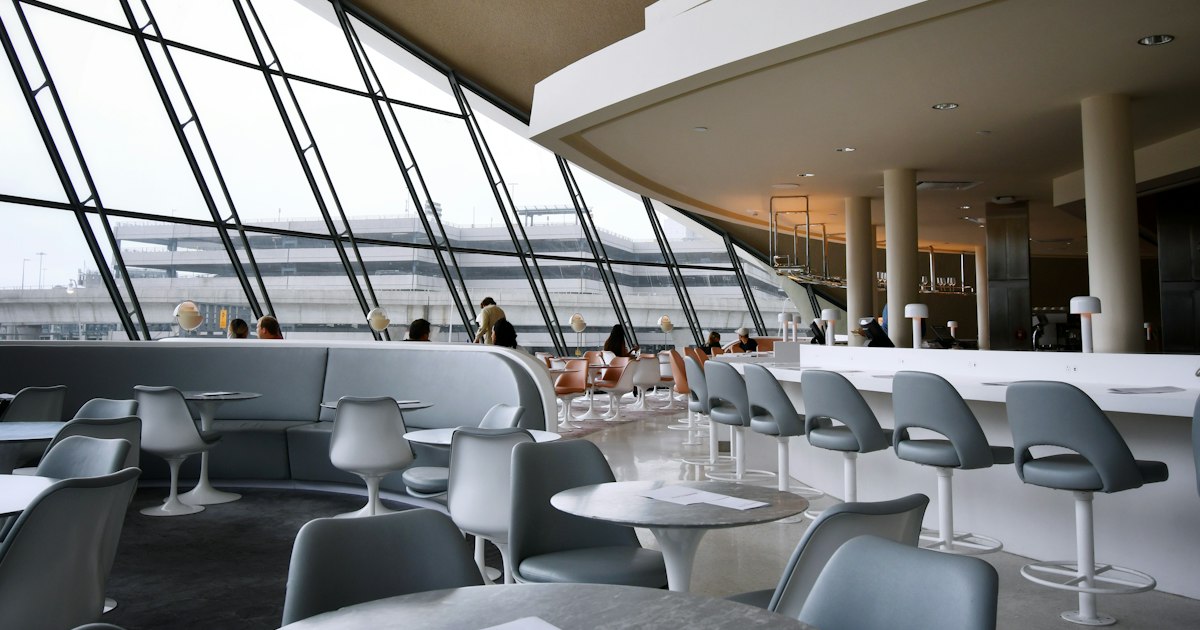
Photo by Max Harlynking on Unsplash
Japan isn’t always on the radar as a destination with strong multi-faith infrastructure, but its major international airports have quietly built out dedicated prayer and meditation rooms over the past decade, largely in response to growing Muslim tourist numbers from Southeast Asia and the Middle East. If you need a clean, quiet space to pray, meditate, or just decompress between flights, here’s exactly where to find one, what it costs (usually nothing), and what to expect.
Narita Airport (Tokyo)
Narita has the most developed facilities of any Japanese airport, a legacy of its role as the main gateway for long-haul arrivals. Terminal 1 and Terminal 2 each have multi-faith prayer rooms, typically signed as “Prayer Room” near the departure areas after security, on the 3rd floor of Terminal 1 (central building) and in the Terminal 2 main building. Rooms include ablution (wudu) stations with raised foot-washing basins, separate areas for men and women in some locations, qibla direction markers on the ceiling or floor, and prayer mats. They’re free, unattended, and open during terminal operating hours (roughly 6:00–22:00, matching flight schedules). There’s no booking system — you just walk in. If you’re transiting with a long layover, pair a visit with the terminal’s capsule hotels or day-use lounges rather than trying to sleep in the prayer room itself, as they’re meant for short visits, not extended rest.
Haneda Airport (Tokyo)
Haneda’s International Terminal (Terminal 3) has a prayer room on the 2nd floor near the departure area, past security, with wudu facilities and gender-separated prayer space. It’s smaller than Narita’s rooms and can fill up during peak departure banks for Middle Eastern and Southeast Asian carriers (roughly 10:00–14:00 and late evening). Haneda is more convenient than Narita if your flight connects through central Tokyo, and the airport’s proximity to the city (15 minutes by monorail to Hamamatsucho) makes it a better choice if you want to combine a layover with a quick trip into Tokyo — just factor in re-entry through security and immigration timing, and build in buffer in case of delays; if you’re worried about missed connections, it’s worth knowing your rights under Japan’s airline compensation rules for delays and cancellations.
Kansai Airport (Osaka)
Kansai International (KIX) has a dedicated multi-faith prayer room in Terminal 1, 3rd floor, in the international departures area after security. It includes wudu stations and prayer mats, and is one of the more frequently cited “easy to find” rooms among Muslim travel bloggers because signage is in English and Japanese with a clear pictogram. KIX also has a halal/Muslim-friendly food directory available at the information counter if you want to eat before a flight — useful since the airport itself has limited halal-certified options compared to Narita. If you have extra time before a flight out of Osaka, it’s a reasonable last stop after visiting attractions like the Tokyo National Museum on an earlier leg of a Japan itinerary, though obviously that’s a Tokyo-area stop, not Osaka — plan your city-hopping accordingly.
Chubu Centrair Airport (Nagoya) and Fukuoka Airport
Chubu Centrair, serving Nagoya, has a smaller prayer room in its international terminal, on the 2nfd floor near the departure gates, with basic ablution facilities. It’s less crowded than Narita or Kansai simply because Centrair handles fewer long-haul international flights, so if you’re routing through central Japan this can actually be the calmer option. Fukuoka Airport’s international terminal also has a multi-faith prayer room near the departure security checkpoint, reflecting Fukuoka’s growing role as a gateway to Kyushu for travelers arriving from South Korea, China, and Southeast Asia. Neither airport publishes exact room sizes or capacity online, so if you’re traveling in a larger group, arrive with some buffer time in case the space is occupied.
What to Expect: Facilities, Cost, and Etiquette
- Cost: All prayer and meditation rooms at these airports are free to use — there’s no reservation, fee, or staff gatekeeping.
- Facilities: Expect prayer mats, qibla direction indicators, and wudu-style washing stations with raised basins designed for ablution rather than standard sink use. Some rooms have gender-separated sections; others are single-room and shared by schedule.
- Who uses them: While built primarily with Muslim travelers in mind, these rooms are generally open to anyone needing quiet space for prayer, meditation, or rest — there’s no religious test at the door.
- Timing: Rooms are busiest around major prayer times that overlap with peak departure banks for Gulf and Southeast Asian carriers — generally late morning and late evening. If you want solitude, aim for mid-afternoon.
- Common mistake: Travelers sometimes assume these rooms exist in every terminal building at an airport. They don’t — budget domestic terminals (like Haneda’s Terminal 1 and 2 for domestic flights) generally lack them, so confirm which terminal you’re flying from before counting on one being nearby.
Finding a Quiet Space When There’s No Dedicated Room
If you’re departing from a smaller regional airport without a formal prayer room — most of Japan’s regional airports fall into this category — your best fallback is typically a paid airport lounge (day passes often run ¥3,000–¥5,500) or, in a pinch, a quiet corner near gate seating during off-peak hours. Some airports also have nursing rooms that double as quiet, private spaces in a pinch, though these are intended for parents and you should check with staff before using one for other purposes. Mosques and multi-faith spaces are far more limited outside the handful of airports listed above, so if a layover with prayer access matters to your routing, it’s worth building your itinerary around Narita, Haneda, Kansai, Chubu, or Fukuoka rather than smaller hubs.
Planning Around It
If multi-faith access is a priority, build it into your connection planning rather than treating it as an afterthought. A 90-minute domestic-to-international connection at Narita, for example, gives you enough buffer to clear security, find the prayer room, and still make your gate — a tight 45-minute connection does not. Airport staff at information counters (usually marked with a large “i”) can point you to the nearest room if signage is unclear, and most have English-speaking staff during international flight hours. Given how seriously Japanese airports take schedule precision, it’s also worth a quick read of what compensation you’re entitled to if a delay disrupts your prayer-room-friendly connection — the rules differ meaningfully from what travelers may expect from carriers back home.