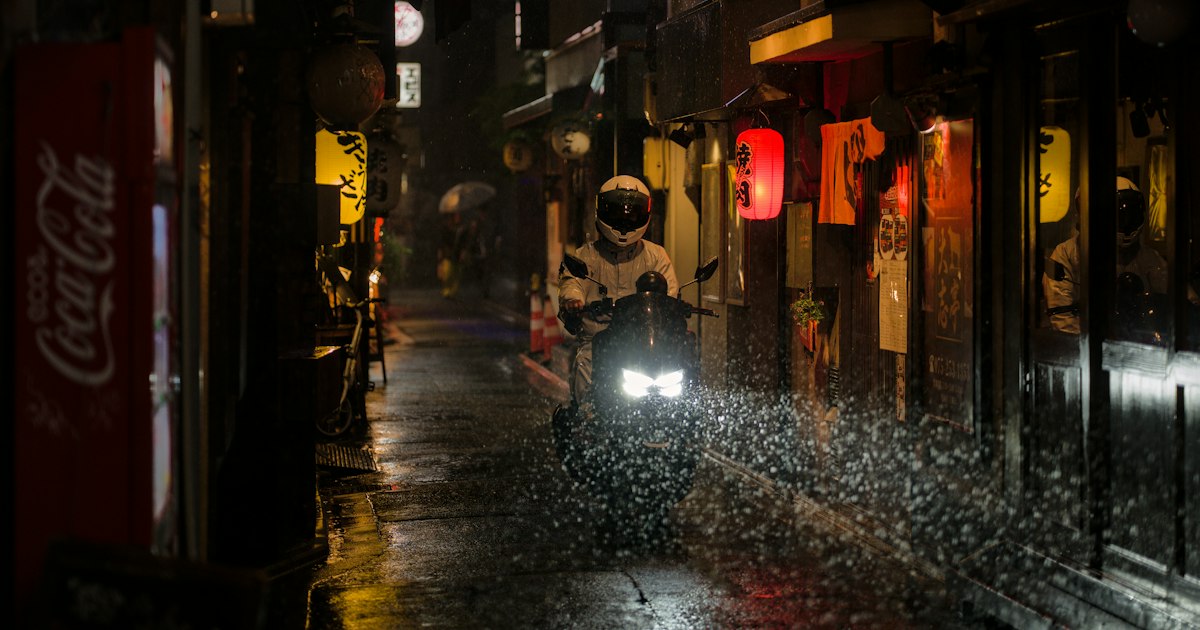
A secondhand 50cc scooter is one of the most underrated purchases a short-term resident can make in Japan. For 30,000 to 150,000 yen, you get door-to-door mobility that skips rush-hour trains, parks for free almost anywhere, and gets you to the countryside spots that don’t show up on a rail map. But unlike renting a bicycle, buying a moped means dealing with Japanese bureaucracy: city hall registration, compulsory insurance, and paperwork that’s easy to get wrong if you’re only in the country for a year or two. Here’s what actually happens, step by step.
What Counts as a “Moped” and Why the Class Matters
Japan splits small bikes into classes by engine size, and the class determines where you register and what license you need. A 50cc or under machine is a “gentsuki” (原付, Class 1 moped) — the cheapest and simplest category, registered at your local city or ward office. Bikes from 51cc to 90cc and 91cc to 125cc are “Class 2” mopeds, registered instead at a branch of the Light Vehicle Inspection Organization (軽自動車検査協会), not city hall. None of these sizes require the periodic “shaken” roadworthiness inspection that larger motorcycles need, which is a big part of why they’re cheap to own — no inspection fee every two years, just an annual light vehicle tax of around 2,000 yen for a 50cc machine.
For a short stay, 50cc is almost always the right choice: it’s the cheapest to buy used, the cheapest to insure, the registration process is a single city hall visit, and in most areas it’s legal to ride with any standard driving license category, including a converted foreign license.
Where to Find a Used 50cc Scooter
Dedicated used-bike shops near university areas and station fringes are the most reliable source — they typically sell bikes “touroku zumi” (already deregistered and ready to re-register) and will walk you through the paperwork. Expect 20,000–60,000 yen for an older, high-mileage Honda Dio or Yamaha Jog; 70,000–130,000 yen for a well-maintained mid-range model with fewer years on it; and 150,000–250,000+ yen for a near-new Honda Giorno, Yamaha Vino, or similar popular model with low mileage and a recent battery.
Online marketplaces like Jimoty (local classifieds, often cash-and-carry pickup) and Yahoo Auctions list private-seller bikes for less, sometimes 50% below shop prices, but the savings come with risk: private sellers don’t always have the correct deregistration paperwork ready, and you’re on your own for a pre-purchase mechanical check. If budget shopping through these channels appeals to you, the same due-diligence instincts that apply to buying used instruments or used analog gear in Japan apply here too — inspect in person, confirm the paperwork exists before money changes hands, and be skeptical of sellers in a hurry.
The Registration Paperwork You Actually Need
For a 50cc gentsuki, registration happens at your local city or ward office’s citizen’s tax division, usually open weekdays 8:30–17:00 (closed weekends and national holidays; some larger wards offer one late evening or a Saturday morning per month — check before you go). You’ll need:
- Your residence card (zairyu card) and proof of your registered address
- The haitoroku shoumeisho (deregistration certificate) from the previous owner, proving the bike’s old plate was cancelled
- Your personal seal (inkan) or signature, depending on the ward
- Proof of compulsory insurance (see below) — most offices won’t issue a plate without it
The office issues a new license plate (nanban) and a registration card on the spot, usually within 20–30 minutes if the paperwork is complete. The single biggest mistake buyers make is purchasing a bike from an individual seller who can’t produce the deregistration certificate — without it, the city office cannot register the bike to you, and chasing down a missing certificate from a seller who has since moved or left Japan is a genuine headache. Always confirm this document exists before paying.
Compulsory Insurance Comes Before the Plate
Every registered vehicle in Japan, down to the smallest 50cc moped, must carry jibaiseki hoken (自賠責保険), the compulsory third-party liability insurance. For a 50cc bike, a 12-month policy runs roughly 7,000–8,000 yen, available at the dealership, a convenience store insurance counter, or any insurance agency — you need the certificate in hand before the city office will issue your plate. This covers injury to others only; it does not cover your own medical costs, your bike if it’s stolen, or damage you cause to property. Many riders add a modest voluntary policy (nini hoken) for a few thousand yen more per year, especially if they plan to ride in a city with heavy traffic. Keep the compulsory insurance sticker affixed to the bike as required — police do check for it at inspection stops.
License Requirements for Short-Term Residents
To legally ride a 50cc gentsuki, you need a valid driving license that covers the moped category. A regular foreign driver’s license alone isn’t valid in Japan; you need either an International Driving Permit (the 1949 Geneva Convention version, issued by countries like the US, UK, Canada, and Australia) or a Japanese license obtained through gaimen kirikae (converting your home license at a local driving center). The catch for longer-staying residents: an IDP is only valid for one year from your most recent entry into Japan, not one year from issue date — a detail that trips people up if they left and re-entered partway through their stay. If you’re going to be in Japan more than a few months, converting to a Japanese license is worth the one visit to the driving center, since it removes the expiry question entirely and is also useful ID for things like other residency paperwork you’ll likely need during your stay.
Timing Your Purchase
The best deals cluster around late February and March, when students and departing residents sell bikes cheaply ahead of Japan’s fiscal year-end and the spring move-out season. You’ll find the widest selection and softest prices in this window, though you’re competing with incoming students for the same bikes. For riding itself, April to June and September to November offer the most comfortable weather; summer heat and winter cold are manageable but less pleasant on an open-air scooter. If you’re buying to sell before you leave, remember the cycle repeats — selling in February or March, even at a discount, is far easier than trying to offload a moped in the dead of summer or deep winter.
Selling or Deregistering Before You Leave
When your stay ends, either sell the bike with its registration intact (the buyer re-registers it in their name using your proof of transfer) or deregister it yourself at the same city office where you registered, which hands you a fresh haitoroku shoumeisho to pass to a buyer. Don’t simply abandon or dump a bike without deregistering — the registration stays tied to your name, and unpaid light vehicle tax notices can keep arriving at your old address. A five-minute visit to city hall before you fly out avoids that entirely.