Long before “entomophagy” became a buzzword at food-tech conferences, the mountain communities of Nagano Prefecture were eating insects out of necessity — protein was scarce in landlocked valleys far from the sea, and rivers and rice paddies offered a reliable, free alternative. Two dishes survive from that era as regional specialties rather than relics: zazamushi, the larvae of aquatic insects pulled from the Tenryu River, and inago, rice-field grasshoppers simmered into a sweet-salty tsukudani. Neither is a stunt food cooked up for tourists. Both are still harvested, sold, and eaten by locals every year, and both are genuinely approachable for a visitor willing to try something new. Here’s what they actually are, when to go, what they cost, and where to find them.
What Exactly Are Zazamushi and Inago?
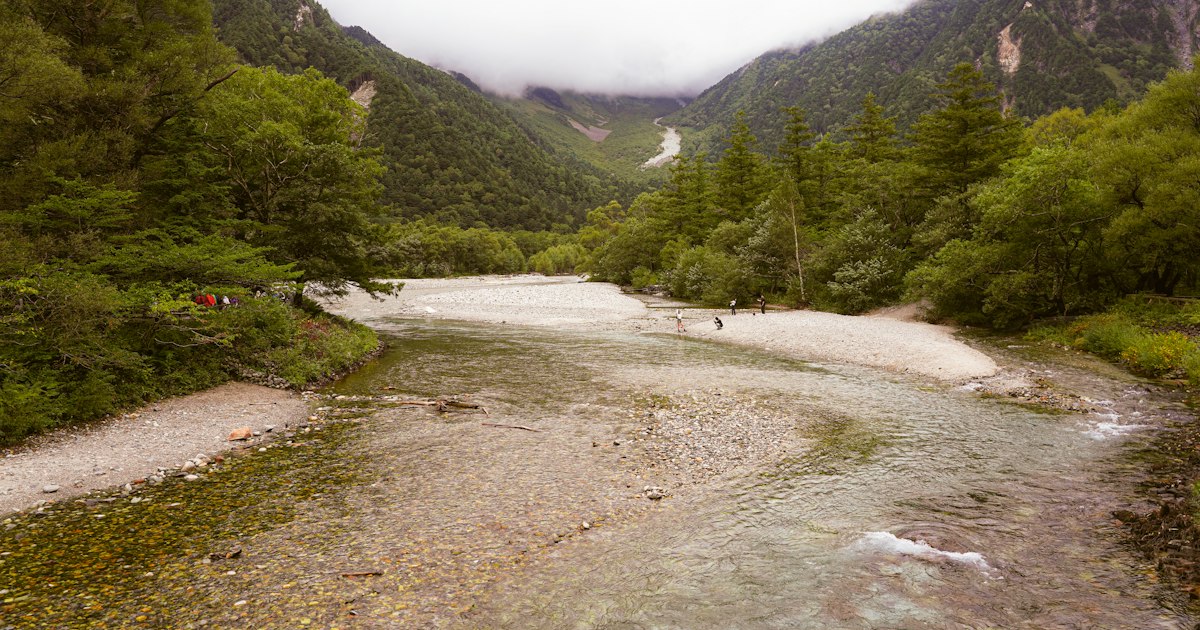
Zazamushi (ざざ虫) isn’t one species — it’s a local catch-all name for the larvae of caddisflies, stoneflies, and dobsonflies that cling to rocks in the fast, shallow riffles of the Tenryu River around Ina City. The name comes from the “zaa zaa” sound of water rushing over those riffles. Harvesters licensed by the local fisheries cooperative wade into the river in winter and scoop larvae out from under stones with hand nets, then the catch is cleaned and simmered in soy sauce, sugar, and mirin into a dark, glossy tsukudani (preserved simmered food).
Inago (イナゴ) is simpler to picture: rice-field grasshoppers, caught in the paddies right after the autumn harvest when the stubble is exposed and the insects have nowhere to hide. They’re boiled briefly, then simmered the same way as zazamushi — soy, sugar, a little sake — until the legs turn crisp-tender and faintly sweet. Inago is the far more common and approachable of the two; it’s been sold in Nagano supermarkets for generations and shows up in rural kyodo-ryori (home-style regional cooking) sets without much ceremony.
Ina City’s Mushi Kui Matsuri (Insect-Eating Festival)
If you want to try both dishes at their freshest, and see the harvesting culture up close, aim for Ina City’s Mushi Kui Matsuri, an insect-eating festival typically held on a Sunday in late November. Local harvesters and food producers set up stalls selling zazamushi, inago, and other regional specialties like hachinoko (bee larvae) directly, usually at prices noticeably below what you’d pay in a shop, plus cooking demonstrations and tasting samples. Exact dates shift year to year, so check with the Ina City tourism association or the city’s event calendar before planning a trip around it — but if your Japan itinerary has any flexibility in late November, this is the single best window to taste both delicacies at their freshest and meet the people who catch them.
Best Season for Eating and Buying Them
Timing matters more with these two dishes than with most regional foods, because the raw ingredient is only available for a few weeks a year:
- Zazamushi: harvested December through February, when the larvae are fattest and have the most flavor before pupating. This is also when the Tenryu River harvest is at its most active, though most of what visitors eat is pre-made tsukudani sold in jars rather than a freshly cooked dish.
- Inago: caught in September and October, right after the rice harvest, when grasshoppers are concentrated in the newly cut paddies.
Outside these windows you can still buy both as shelf-stable jarred tsukudani almost any time of year — the simmering process is essentially a preservation method, so there’s no bad season to shop, only a narrow season to see or eat it fresh.
Where to Buy Zazamushi and Inago Year-Round
Inago is the easier of the two to track down. Look in the tsukudono (preserved food) aisle of Nagano supermarket chains such as Tsuruya, at roadside michi-no-eki rest stops throughout the Ina Valley and Matsumoto area, and in souvenir corners at Nagano and Matsumoto stations. Expect to pay roughly ¥500–900 for a 100g pack — genuinely budget-friendly, and a low-risk way to try insect food for the first time.
Zazamushi is harder to find outside Ina City itself, and it’s priced accordingly: a 100g jar from a souvenir shop near Ina-shi Station typically runs ¥1,800–2,500, and festival-fresh, top-grade batches sold directly by harvesters at the Mushi Kui Matsuri can go for ¥3,000 or more per 100g. Gift boxes combining zazamushi, inago, and hachinoko for visitors who want to sample everything at once often start around ¥5,000. The price reflects genuinely labor-intensive, licensed, hand-harvesting — zazamushi is sometimes cited locally as one of the most expensive tsukudani by weight in Japan.
If you enjoy comparing regional preserved foods before committing to a jar, the approach is similar to tasting counters at Nishiki and Omicho Markets — ask shop staff for a small taste first, since the muddy, faintly bitter note in zazamushi isn’t for everyone, even though it’s milder than most people expect.
How to Get to Ina City
Ina City sits on the JR Iida Line in the Ina Valley, south of Matsumoto. From Shinjuku, take the JR Chuo Line Limited Express “Shinano” to Okaya (around 2.5 hours), then transfer to a local Iida Line train to Ina-shi Station (about 30 minutes more). A direct highway bus also runs from Shinjuku Bus Terminal to Ina, taking roughly 3.5 hours and costing around ¥4,500–5,500 one-way — slower but no transfer required. Drivers can take the Chuo Expressway to the Ina IC exit.
What to Expect: Taste, Price, and Common Mistakes
Inago tastes closer to dried shrimp or small anchovies with a sweet soy glaze — crunchy, salty-sweet, and much less intimidating than it sounds once you stop thinking about what it looks like. Zazamushi has a slightly more mineral, river-water edge to it, somewhere between shrimp and burnt caramel, which is the part some first-timers find polarizing rather than the fact that it’s an insect at all.
A few mistakes are worth avoiding:
- Expecting a restaurant to serve it fresh any day of the year. Outside the Mushi Kui Matsuri and the depths of winter harvest season, almost everything available is pre-made jarred tsukudani, not a cooked-to-order dish.
- Assuming it will be cheap. Inago is a budget snack; zazamushi is not, and showing up expecting souvenir-candy prices leads to disappointment at the register.
- Worrying about spoilage on the flight home. Tsukudani is preserved with enough salt and sugar to be shelf-stable at room temperature — no cold chain needed, unlike more delicate souvenirs such as fresh wagyu or unagi, which do require special handling to bring home.
- Not budgeting enough time if visiting only for the festival. It’s a single-day event with a specific, shifting date, so it shouldn’t be the only reason you build an Ina Valley trip unless you’ve confirmed the schedule in advance.
Travelers who find themselves fascinated rather than repelled by Nagano’s insect food culture might also enjoy a stop at Tokyo’s Meguro Parasitological Museum, another example of Japan’s matter-of-fact curiosity about small creatures most countries would rather not look at too closely — or, for a gentler nighttime encounter with the country’s insect life, a guided firefly-watching walk in the countryside, no tasting required.