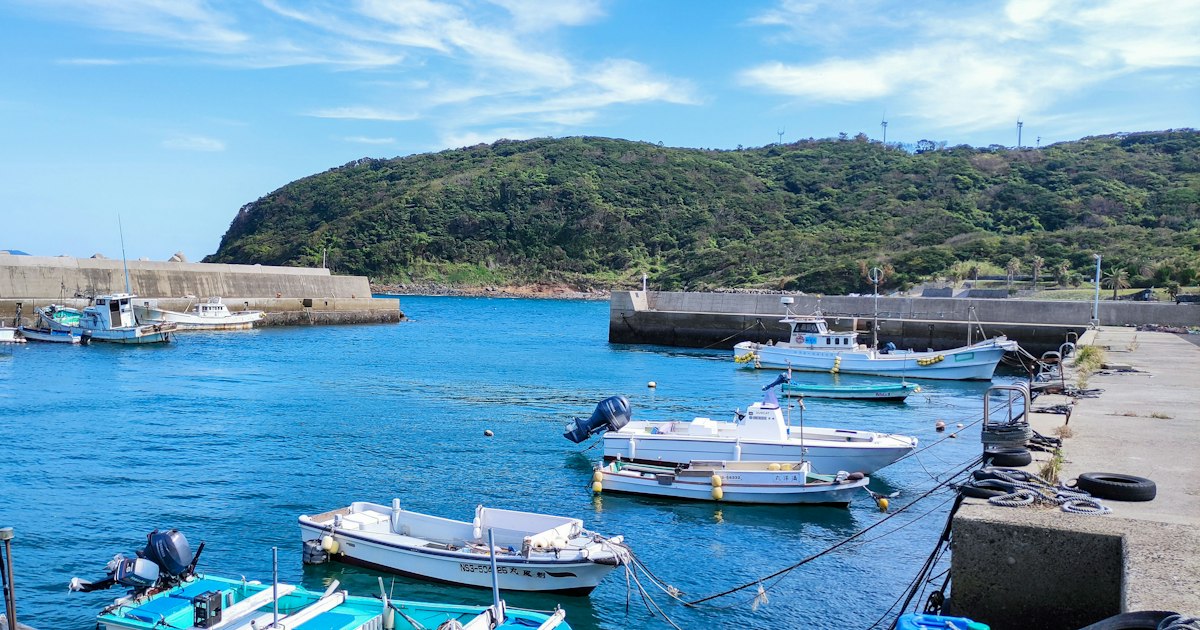
Photo by Keisuke Kuribara on Unsplash
If you’ve spent any time scrolling Japanese food accounts, you’ve probably seen a glistening, salt-grilled fish described as “the white toro of the sea.” That’s nodoguro — and while it shows up on menus from Fukuoka to Niigata, the San’in region on the west side of Honshu (Shimane and Tottori prefectures) is where it’s treated as a genuine local treasure, not just a luxury add-on. Here’s what it actually is, when to eat it, and where to find it without overpaying or wasting a half-day on a closed restaurant.
What Nodoguro Actually Is
Nodoguro is the local San’in name for akamutsu (Doederleinia berycoides), known in English as blackthroat seaperch. The name literally means “black throat” — a nod to the black interior of its mouth, visible the moment it’s opened. It lives at depths of roughly 100 to 250 meters off the San’in coast and is caught almost entirely by small-scale longline and trap fishing boats, which is part of why it never became a mass-market fish: the catch volume is small and inconsistent, and it doesn’t survive well in aquaculture.
What makes it prized is the fat content. The flesh is soft, white, and marbled in a way that’s unusual for a non-tuna fish, and it holds up beautifully to grilling, simmering (nitsuke), and sashimi. Locals in Shimane and Tottori will tell you, with a straight face, that it beats fugu and tai for special-occasion dinners — and after trying a well-grilled one, it’s hard to argue.
Best Season and Timing
Nodoguro is caught year-round, but the fat content — and therefore the flavor — peaks in late autumn through winter, roughly November through February, as the fish fattens up ahead of spawning. This is also when it appears most often on seasonal (kisetsu) menus and in nabe hot pots at ryokan dinners across the region. Some boats report a smaller secondary peak in early summer, but winter is when restaurants actively market it as the signature dish, and when you’re most likely to see “today’s nodoguro” written on a chalkboard rather than buried in a standard menu.
If you’re visiting outside winter, call ahead or check with your ryokan — availability depends entirely on what came in on that day’s boats, and some restaurants simply won’t have it in summer.
Where to Try It in San’in
Sakaiminato, on the Tottori side of the Shimane Peninsula, is one of the region’s major fishing ports and a reliable place to find nodoguro fresh. The port’s seafood market area (Kaisen Wharf, near Sakaiminato Station) has several seafood restaurants and stalls selling it grilled, as sashimi, or in rice bowls. Many stalls open around 9:00 and wind down by 16:00–17:00, so this is a lunch destination, not a dinner one.
In Matsue, Shimane’s prefectural capital, look for izakaya and ryokan dining rooms near the castle and Lake Shinji — many feature nodoguro on winter kaiseki-style set menus. Yonago, which sits between Sakaiminato and Matsue, has a smaller but solid spread of sushi counters that get the same daily catch. Izumo, better known for Izumo Taisha shrine, also has seafood restaurants near the station that put nodoguro on winter specials boards.
A practical note: outside these towns, San’in is rural, and restaurants close early and often skip a day mid-week. Don’t plan your only shot at nodoguro around a single restaurant without a backup.
How to Get There
The fastest way into the region is flying into Yonago Airport (also called Yonago Kitaro Airport), which has direct flights from Tokyo Haneda in about 80 minutes. From the airport, it’s roughly a 20-minute bus or taxi ride to Yonago or Sakaiminato. By train, the JR Sakai Line connects Yonago and Sakaiminato directly, and Matsue and Izumo are reachable via the JR Sanin Line, with limited express service from Okayama or Hiroshima if you’re coming from the Shinkansen network.
Once you’re in the smaller towns, local trains and buses run infrequently, especially in the evening. If you’re staying somewhere without easy walking access to a restaurant, or traveling with someone who needs step-free transport, it’s worth checking how to book a wheelchair-accessible taxi in Japan ahead of time rather than hoping to flag one down in a small fishing town after dark.
Budget, Mid-Range, and Splurge Options
Prices scale with the size and rarity of the fish, since bigger nodoguro are genuinely scarcer:
- Budget (¥1,500–¥3,000): A nodoguro rice bowl (donburi) or a single grilled piece as part of a set lunch at market stalls in Sakaiminato. This is the easiest way to taste it without committing to a full dinner.
- Mid-range (¥3,000–¥6,000): A dedicated shioyaki (salt-grilled) set meal with rice, soup, and small sides at a sit-down restaurant in Matsue or Yonago, or a modest sashimi plate at a sushi counter.
- Splurge (¥8,000–¥15,000+): Kaiseki or omakase courses at ryokan or higher-end restaurants during peak winter season, where nodoguro appears as one course alongside other San’in specialties like Matsuba crab. Large, prime specimens sold whole at markets can also run into this range per fish.
If you’re building a broader food-focused itinerary around regional specialties, it’s worth pairing a nodoguro stop with other distinctly local dishes elsewhere in Japan — the pork-soy Wakayama ramen style is a good example of a dish that’s similarly tied to one specific place and worth planning a detour for.
Common Mistakes to Avoid
The biggest mistake is visiting in summer expecting the same quality you’ve seen in photos — off-season nodoguro is leaner and less special, and some restaurants won’t serve it at all. The second is assuming a restaurant will have it simply because it’s a “famous San’in fish”; supply depends on the day’s catch, so a phone call or a message through your ryokan the night before saves a wasted trip. Third, don’t confuse nodoguro with akamutsu sold under its standard name elsewhere in Japan at a lower price — it’s the same fish, but in San’in you’re paying partly for freshness and local sourcing, which is the whole point of eating it here rather than in Tokyo.
Finally, pace your day around opening hours. Market-area stalls in Sakaiminato are built for lunch crowds and close early, while ryokan dinners require advance reservations, sometimes a day or more ahead during the winter high season. If you’re traveling between towns and need something quick in between, a convenience store onigiri is a fine stopgap — and if you can’t read the wrapper, this guide to decoding onigiri fillings will save you from an unwanted surprise.
San’in isn’t a region most first-time visitors to Japan build into their itinerary, but if you’re already tracing the San’in Kaigan coastline or heading to Izumo Taisha, timing your trip for nodoguro season turns a scenic detour into one of the better meals you’ll have anywhere in the country.