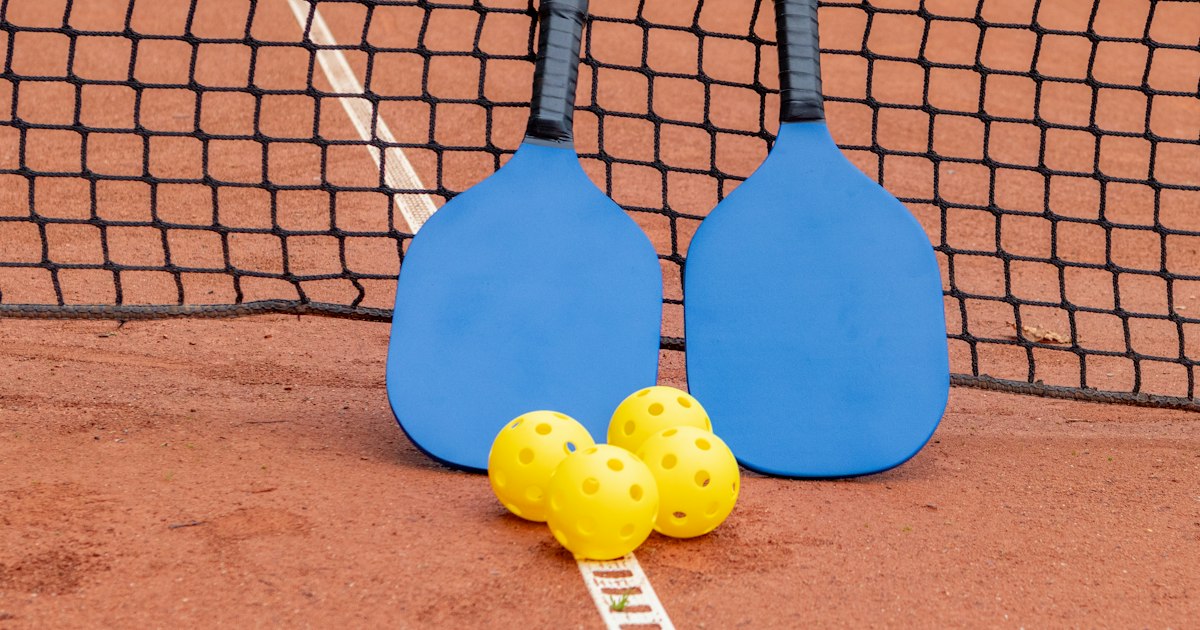
Photo by Alex Saks on Unsplash
Pickleball arrived in Japan a few years after its US boom, but it’s catching on fast — converted tennis and futsal courts, new indoor facilities, and a steady stream of weekend meetups have popped up across Tokyo and Osaka since 2023. For visiting players, that’s good news: the sport needs very little gear, sessions are cheap compared to almost any other racquet sport in Japan, and unlike some community sports here, pickleball groups are actively looking for new players rather than guarding a closed club. This guide covers where the courts are, how bookings actually work for someone without a Japanese address or residency card, and what to expect once you show up.
Why Pickleball Is Suddenly Everywhere in Japan
Japan already had the two ingredients pickleball needed to spread quickly: a huge stock of underused indoor gymnasium space in ward sports centers, and a wave of padel courts built over the last few years that double nicely as pickleball courts with a different net height and some tape. The Japan Pickleball Association and a handful of Tokyo-based clubs have been running beginner clinics since around 2023, and by 2025 the sport had enough momentum that several dedicated indoor facilities opened specifically for it rather than just hosting it as a side activity. It’s still a fraction of the size of tennis or badminton here, but that’s part of the appeal for visitors — courts are easier to book than the more established racquet sports, and the community skews toward welcoming newcomers over gatekeeping.
Tokyo’s New and Notable Courts
Tokyo’s pickleball scene is split between two kinds of venues. The first is dedicated or semi-dedicated indoor courts — several of the padel clubs that opened across Shibuya, Koto, and Minato wards in the last two years now run separate pickleball sessions on the same courts, usually on weekday evenings or Sunday mornings when padel demand is lower. The second is ward-run gymnasiums, the same facilities covered in our guide to badminton courts in Japan, which have started adding pickleball as a bookable activity alongside badminton and table tennis on their multi-purpose courts. These are the cheapest option by far, but booking systems are almost entirely in Japanese and often require a resident registration number, so they’re more realistic if you’re staying with a local friend or working with a hotel concierge who can call ahead.
For a first session, your best bet as a visitor is a club-run drop-in rather than a ward gym: search “ピックルボール 東京 体験” (pickleball Tokyo trial session) or check Instagram and Meetup listings under “Tokyo Pickleball” — most clubs post same-week openings and welcome walk-ins who message ahead in English.
Osaka’s Growing Scene
Osaka is a step behind Tokyo but closing the gap, largely riding the same padel-court conversion trend. A few of the city’s newer padel and futsal facilities in areas like Umeda and Namba now block out pickleball hours, usually advertised as “体験会” (experience sessions) aimed at first-timers, which makes them genuinely tourist-friendly — paddles are provided and no prior booking history with the club is expected. Outside the city center, university and ward sports centers in the greater Osaka and Kobe area occasionally host pickleball as part of general “ニュースポーツ” (new sports) programming, alongside things like the cricket matches expats organize around the Kansai region — worth checking if your dates line up, but less predictable than a dedicated club.
How Visiting Players Can Actually Book a Session
There are three realistic paths for a non-resident visitor:
- Club drop-in sessions: The easiest route. Most dedicated pickleball and padel-turned-pickleball clubs run English-friendly Instagram or LINE accounts for session announcements. DM them a day or two ahead — same-day availability is common since the sport is still building a regular membership base.
- Ward gymnasium booking: Cheapest, but the online reservation systems typically require a local resident ID or a Japanese phone number at sign-up. If you’re staying somewhere with a Japanese-speaking host or concierge, this is worth the extra effort; otherwise it’s a frustrating dead end for a short trip.
- Private court rental: Some padel clubs let you rent a full court by the hour even without joining a scheduled session, splitting the cost among your group. This works well if you’re traveling with 3 or more people and want flexible timing rather than fitting into someone else’s session slot.
Whichever route you take, bring your passport — several clubs ask for ID on a first visit even for a casual drop-in, a habit carried over from how padel clubs register guests.
Costs, Gear, and What to Bring
A drop-in session at a dedicated club typically runs ¥2,000–¥3,500 for about 90 minutes, usually including paddle rental and balls — reasonable compared to the padel courts many of these same facilities also run, where court-only rental often costs more per hour. Ward gymnasium court rental, where you can get in, is far cheaper — often under ¥1,000 per hour per court — but you’ll need your own paddle since rental gear isn’t always stocked for a sport that’s still new to the facility. If you want to bring your own paddle rather than rely on rentals, pack it in checked luggage; a paddle face is awkward carry-on shape but not fragile enough to need special handling.
Indoor courts mean weather isn’t really a factor, but court availability tightens up in the cooler months (November through March) when padel and futsal demand for the same spaces peaks in the evenings — mornings and early afternoons are your best shot at an open slot then. Summer evenings after work hours are the most crowded single window in Tokyo.
Common Mistakes to Avoid
The biggest mistake visiting players make is assuming pickleball courts are as easy to find as tennis courts — they aren’t yet, and showing up to a facility without confirming it actually runs pickleball that day is a common way to waste an afternoon. Double-check with a message rather than trusting a static website, since schedules shift week to week while clubs are still figuring out demand. The second mistake is underestimating the language gap at ward facilities — unlike the drop-in clubs, staff at municipal gyms often don’t expect foreign visitors and may not have an English booking process ready, so a dedicated club session is almost always the smoother choice for a short trip. Finally, don’t assume indoor shoe rules are optional: nearly every indoor court in Japan requires clean, non-marking indoor shoes, and some facilities will turn you away at the door if your soles have been worn outside — pack a dedicated pair if pickleball is on your itinerary.
Quick Tips for a Smooth First Session
Message ahead in simple English — most club organizers are used to fielding questions from curious travelers by now and will confirm availability faster than any booking form. Arrive 15 minutes early since beginner orientation at drop-in sessions usually happens before play starts, and bring cash in addition to a card, as smaller clubs running out of padel-court space don’t always have card readers set up yet. If your trip also includes other new-to-Japan sports exploration, the ward pool system runs on similar logic to the gymnasium courts described above, so the booking lessons from one transfer fairly directly to the other.