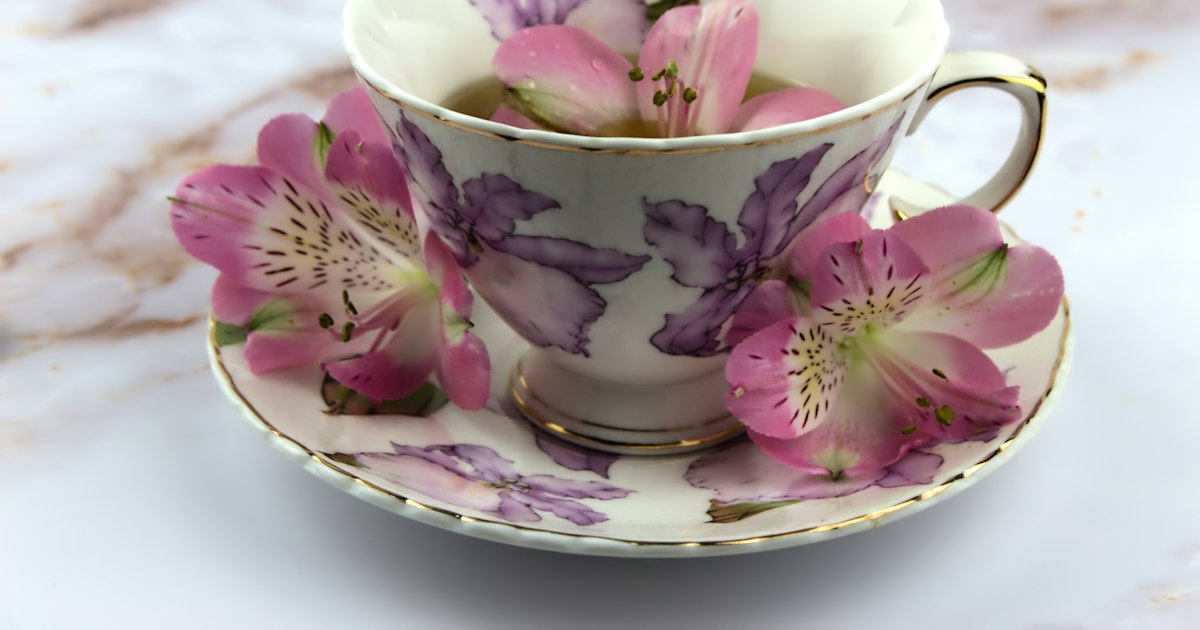
Photo by Sara Rosado on Unsplash
At a traditional Japanese wedding reception, engagement meeting, or New Year’s visit, you may be handed a clear glass cup with a single pale pink flower floating in hot water instead of the usual cup of green tea. This is sakurayu (桜湯), made from cherry blossoms preserved in salt rather than brewed from tea leaves at all. It’s one of the easiest edible souvenirs to bring home from Japan, and understanding why it’s served the way it is makes it a far more interesting purchase than just “pretty flower water.”
What Sakurayu Actually Is
Sakurayu is made from sakura no shiozuke — double-flowered cherry blossoms (usually the Yaezakura or Kanzan variety) that have been salted and pickled, often with a touch of plum vinegar (umezu) for color and tang. When you drop one or two blossoms into hot water, the salt dissolves, the petals unfurl back into a full flower shape, and you’re left with a very light, slightly salty-savory, faintly floral infusion. It is not green tea with cherry flavoring and contains no actual tea leaves, which matters more than it sounds — that absence is the entire reason it exists for ceremonial use.
About 70-80% of Japan’s commercial salt-pickled sakura comes from a single production area: Shinohara in Gifu Prefecture, where the Kanzan cherry trees have been cultivated for this specific purpose since the Edo period. Fresh blossoms are hand-picked in mid-to-late April and salted within the day, then sold year-round as a shelf-stable product.
Why It Replaces Tea at Weddings and Engagement Meetings
At miai (formal marriage meetings), yuino (engagement ceremonies), and wedding receptions, plain green tea (ocha) is traditionally avoided. The Japanese phrase “ocha wo nigosu” literally means “to muddy the tea” but is used idiomatically to mean being vague, evasive, or noncommittal — not the tone anyone wants hanging over a marriage negotiation. There’s also a simpler visual reason: tea leaves sink and stay closed at the bottom of the cup, while a salted cherry blossom opens up fully and beautifully in the hot water, which reads as an auspicious symbol of a relationship blossoming rather than staying closed off. Sakurayu sidesteps the “cha” association entirely while still offering guests something warm and ceremonial to hold. It shows up at some New Year celebrations and formal tea gatherings for the same reason — the opening flower is the whole point.
Best Season and Where to Actually See It Served
Because it’s a preserved product, sakurayu is sold year-round, but you’re most likely to be served it as an occasion drink from late January through May — during wedding season, around Setsubun (early February), and heavily during hanami (cherry blossom viewing, late March to mid-April) when wagashi shops and traditional kissaten (tea houses) put it on seasonal menus. Kyoto is a particularly good place to encounter it casually: tea houses around Gion and the Nishiki Market area often serve it alongside wagashi sweets during spring. If you’re combining a cherry blossom trip with other Kyoto souvenir shopping, it pairs naturally with a stop for something like hand-carved Noh masks or a set of juzu prayer beads, since all three are the kind of small, meaningful things visitors bring home rather than mass-market souvenirs.
Where to Buy It and What It Costs
You don’t need to attend a wedding to try sakurayu — it’s sold as a packaged grocery item almost everywhere in Japan from February through autumn, and in specialty shops all year.
- Budget (supermarkets): A 50-80g bag of salt-pickled sakura blossoms at a regular supermarket (Life, Seijo Ishii, local chains) runs about ¥430-¥650. This is the exact same product used for sakurayu and for topping sakura mochi or onigiri.
- Mid-range (depachika food floors): Department store basement food halls like Isetan Shinjuku or Takashimaya Nihonbashi sell nicer packaged versions, sometimes boxed with a small glass teacup, for roughly ¥800-¥1,500. Depachika floors generally run 10:00am-8:00pm, matching the store’s overall hours. If you’re heading there from central Tokyo, it’s worth timing the trip outside the evening crush — see our guide to Tokyo rush hour if you’re traveling between 7:30-9:30am or 5:30-7:30pm.
- Splurge (specialty tea and wagashi shops): Kyoto tea specialists and long-established wagashi makers sell gift-boxed sakurayu sets, sometimes paired with seasonal sakura mochi or dried flower assortments, for ¥1,500-¥3,500. These make better gifts than the supermarket bags since the presentation is part of what you’re paying for.
Online, Amazon.co.jp and Rakuten both carry it if you want to order ahead of a trip or restock after you’re home. Outside Japan, Japanese grocery chains like Mitsuwa, Nijiya, and Marukai in the US stock imported salt-pickled sakura seasonally, typically $6-10 per bag.
How to Brew It Yourself
Making sakurayu is simple but easy to get wrong on the first try:
- Take 1-2 pickled blossoms per cup and rinse them briefly under cool water to wash off excess surface salt — skipping this step is the single most common mistake and results in a cup that tastes more like seawater than tea.
- Pour hot water that’s just off the boil (around 80-90°C) directly over the blossom in a cup or glass. Boiling water can make the color fade faster.
- Let it sit for 1-2 minutes. The petals will relax and open. Don’t oversteep — beyond a few minutes it gets noticeably saltier, not more flavorful.
- Because it contains no actual tea leaves, sakurayu has no caffeine, which makes it a good gift or in-flight option for travelers who want something ceremonial without the caffeine hit of green tea.
Keep in mind this is a savory-floral infusion, not a sweet tea — if you’re expecting something like a sweetened cherry blossom latte from a seasonal coffee chain, the actual product will taste more subtle and salty than you expect.
A Few Practical Notes Before You Buy
Check the ingredient label if you have a sodium restriction — this is a genuinely salty product, not a flavoring. It also doesn’t travel badly: unopened salt-pickled sakura keeps for months at room temperature, making it one of the more forgiving food souvenirs to pack alongside anything else you’re bringing home, whether that’s a box of Yukimi Daifuku-style sweets (though that one needs a freezer, unlike sakurayu) or dried goods from a local market. If you’re buying it specifically as a wedding or celebration gift for someone, the boxed depachika or specialty-shop versions are worth the extra cost — the presentation and the cultural story behind it are really the gift, more than the tea itself.