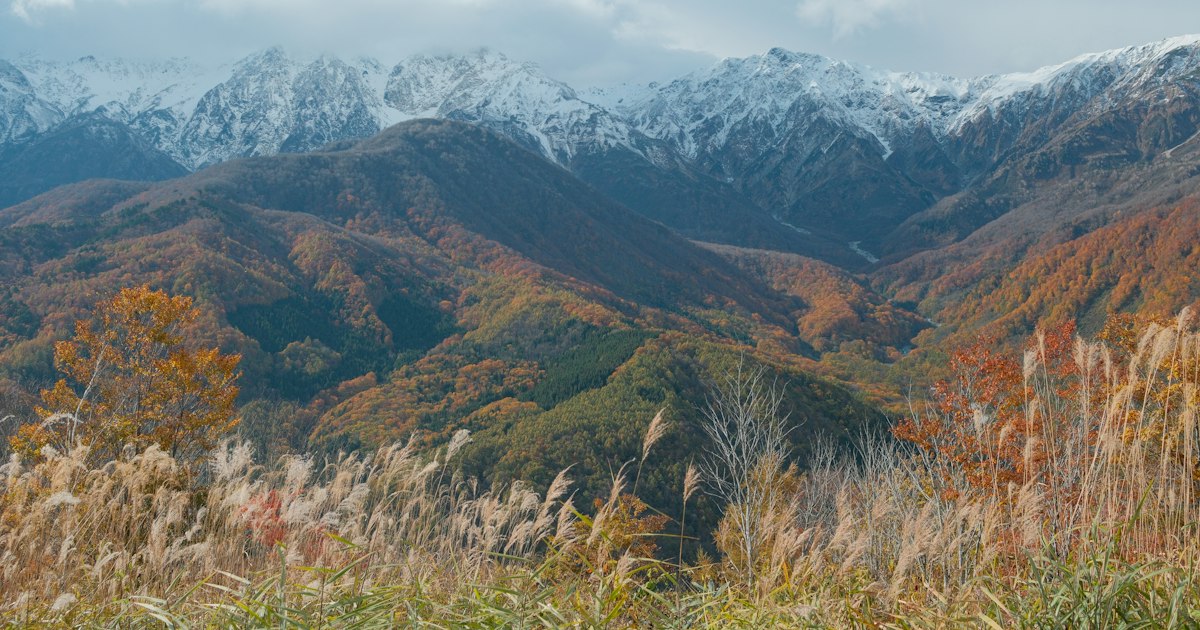
Hakuba Valley isn’t one ski resort — it’s ten of them, strung along a single valley in the Northern Japan Alps that hosted the alpine events at the 1998 Nagano Winter Olympics. For foreign visitors, that scale is both the appeal and the confusion: which resort do you actually buy a lift ticket for, how do you get up there from Tokyo, and is it worth the trip compared to closer options? Here’s what you need to know before you book anything.
Why Hakuba, Specifically
Hakuba sits in Nagano Prefecture, roughly in the middle of Honshu, which means it catches heavy Siberian snowfall in a way that resorts closer to Tokyo simply don’t. The terrain is also more varied than most Japanese ski areas — steep alpine bowls and long vertical drops at Happo-One, tree runs and backcountry access at Cortina and Norikura, and gentle, wide-open slopes for beginners at Tsugaike Kogen. Unlike Hokkaido’s Niseko, which leans heavily into powder and nightlife for a mostly Australian crowd, Hakuba still feels more Japanese: onsen ryokan, small izakaya, and a village that functions as a real town outside ski season too.
Getting There
The fastest route from Tokyo is the Hokuriku Shinkansen from Tokyo Station to Nagano Station, which takes about 80–100 minutes. From Nagano Station, Alpico Kotsu runs direct buses to Hakuba (roughly 70 minutes, around ¥2,600–2,800 one-way). Door to door, budget 3 to 3.5 hours from central Tokyo.
If you’re traveling with ski or snowboard bags, check your Shinkansen reservation rules before you go — oversized luggage on the Shinkansen requires a separate reservation and fee if your bag exceeds the standard size limits, and ski bags often do. Our Shinkansen oversized luggage guide covers exactly what counts and how to book the extra space in advance so you’re not turned away at the gate.
The budget alternative is a direct overnight or daytime highway bus from Shinjuku or Ikebukuro straight to Hakuba, which takes about 5 hours and costs roughly ¥5,000–8,000 one-way depending on the operator and season. It’s slower but skips the transfer and often costs less than half the Shinkansen route. Renting a car from Tokyo is another option if you’re comfortable with mountain driving in snow — expect around 3.5–4 hours depending on traffic and conditions.
Which Resort to Ski
All ten resorts are covered by one multi-resort pass (see below), and a free shuttle bus connects most of them, so you’re not locked into one area for your whole trip.
- Happo-One — the largest and most famous, with the Olympic downhill course. Best for intermediate-to-advanced skiers who want long runs and views of the Alps.
- Hakuba47 & Goryu — linked resorts with a strong terrain park and tree-run access, popular with snowboarders.
- Cortina & Norikura — smaller, less crowded, known among repeat visitors for reliably deep powder.
- Tsugaike Kogen — wide, gentle slopes and a dedicated kids’ area; the best pick for beginners and families.
- Iwatake — close to the village, good mountain-view gondola, decent for a shorter or half-day session.
Best Season and Timing
The season generally runs from early/mid-December through late April or early May, with higher-elevation areas like Tsugaike opening slightly earlier. Peak powder conditions are typically January and February, but this is also when the valley is busiest and priciest, especially over the New Year holiday and Chinese New Year. Late February into March brings milder temperatures, thinner crowds, and often discounted multi-day lift passes — a good window if flexible snow quality matters less to you than comfort and cost. Weekdays are noticeably quieter than weekends everywhere in the valley.
Lift Tickets, Rentals, and Costs
A single-resort day pass runs roughly ¥6,500–7,500 for an adult. The better value for most visitors is the Hakuba Valley multi-resort pass, which covers all ten resorts and the connecting shuttle for about ¥9,000–10,000 per day, with per-day rates dropping on 2-day, 4-day, and longer passes. Buy it online in advance or at ticket counters in the village.
Budget: rent a full ski or snowboard set (boots, skis/board, poles) for around ¥5,000–6,000 a day at shops like Rhythm Hakuba or Petite Montagne in the village center; book online ahead of peak weeks to guarantee sizing. Mid-range: a private lodge or pension near Happo or Wadano with breakfast included, generally ¥15,000–25,000 per night for two. Splurge: ski-in/ski-out chalets and higher-end onsen ryokan in the valley run well above ¥40,000 a night in peak season and book out months ahead.
Common Mistakes to Avoid
The biggest one is treating Hakuba like a single resort and buying a single-mountain ticket, then realizing the run or terrain you wanted is at a different resort ten minutes down the road — the multi-resort pass avoids that regret for a relatively small price difference. Second, underestimating transfer time: the shuttle buses between resorts run on a schedule, not on demand, so build in buffer time rather than planning a tight multi-resort day. Third, skipping travel insurance or gear insurance — mountain rescue and injury costs in Japan are not trivial, and most standard travel policies don’t automatically cover skiing. Finally, don’t assume English is widely spoken at every rental shop or lift ticket counter; the busier resorts near the village (Happo-One, Hakuba47) are used to foreign visitors, but smaller resorts may require more patience or a translation app.
After the Slopes
Hakuba’s onsen culture is a real part of the experience, not an afterthought — several ryokan offer day-use hot spring bathing for outside guests, typically ¥800–1,500, which is worth it after a full day on the mountain. If you want a lower-key alternative Japanese mountain getaway to compare Hakuba against, or you’re extending your trip beyond ski season, Nagano’s other big draw is Karuizawa, which is closer to Tokyo and geared more toward shopping and cooler-weather retreats than serious skiing. And if your trip lands in December or January, it’s worth timing a night or two around Japan’s seasonal light displays — our guide to Japan’s winter illuminations lists the best festivals if you’re routing through Tokyo or Nagano city on the way in or out.