Japan Trove

Author: JapanTrove Editorial

  • Used Kimono Shops Beyond the Flea Market: Tansu-ya and Japan’s Recycle-Kimono Chains

    Used Kimono Shops Beyond the Flea Market: Tansu-ya and Japan’s Recycle-Kimono Chains

    Photo by Damian Hutter on Unsplash

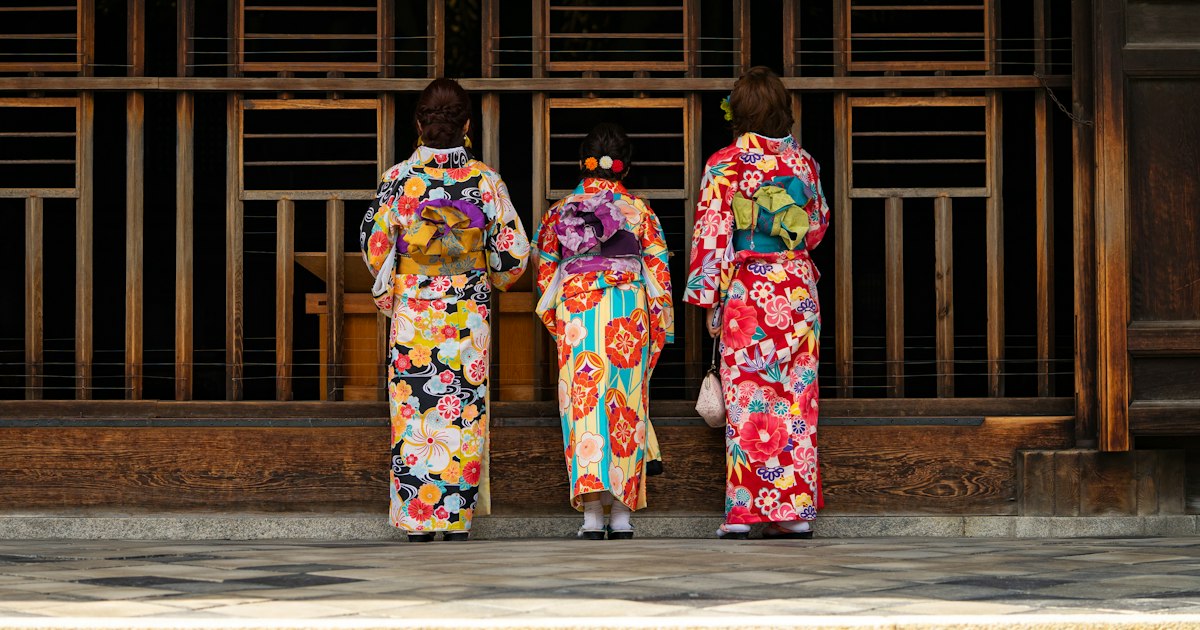
    If you’ve only ever heard of buying secondhand kimono at Tokyo’s Oedo Antique Market or Kyoto’s Toji temple flea market, you’re missing most of the market. Those monthly markets are fun, but they’re outdoors, weather-dependent, and only happen on specific dates. For a reliable, year-round, try-before-you-buy experience, Japan has something better suited to tourists: a network of dedicated used-kimono chain stores that operate like regular retail shops, with fixed locations, fitting rooms, and staff who can help you figure out sizing. The best-known of these is Tansu-ya, but it’s not the only option worth knowing about.

    Why Recycle-Kimono Shops Beat the Flea Market for Visitors

    Flea markets are genuinely great for atmosphere and rock-bottom prices, but they have real drawbacks if you’re on a short trip: vendors often don’t speak English, there’s no changing room, items aren’t always cleaned, and you’re at the mercy of whatever happened to be trucked in that day. Chain recycle shops solve all of this. Garments are inspected, laundered or dry-cleaned, and tagged with condition notes. You can try things on, ask staff to help with the obi (sash) and layering, and come back the next day if you change your mind. For a first-time kimono buyer, that hand-holding is worth more than saving an extra thousand yen at a market stall.

    Tansu-ya: The Chain to Know

    Tansu-ya (たんす屋) is Japan’s largest used-kimono retail chain, with branches scattered across Tokyo (including Kichijoji, Asakusa, and Jiyugaoka), as well as Kyoto, Osaka, Yokohama, and other cities. The business model is straightforward: Tansu-ya buys back kimono, obi, and related accessories from households that no longer need them — often inherited pieces — cleans and inspects them, then resells at a fraction of the original price. Because kimono were historically expensive, custom-made garments meant to be worn for decades, the secondhand stock includes genuinely high-quality silk pieces alongside everyday cotton ones.

    Expect a shop floor organized by garment type and formality level: casual komon and tsukesage kimono on one rack, formal houmongi and furisode (for unmarried women, heavily patterned with long sleeves) on another, men’s kimono and haori jackets usually in a smaller corner. Staff are used to walk-in browsers and, at larger branches, can usually manage basic English or simple Japanese works fine with pointing and calculators. Most branches open around 11:00 and close between 19:00 and 20:00, though hours and regular closing days vary by location, so check the specific branch’s signage or call ahead rather than assuming all stores match.

    Other Chains and Vintage Spots Worth Checking

    Tansu-ya isn’t alone. A few other names to watch for while you’re shopping:

    • Oshare Kura — a recycle-kimono chain with a similar buyback model, often slightly more budget-oriented, with locations in Tokyo and the Kansai region.
    • Chicago — the famous Harajuku vintage clothing store isn’t kimono-only, but its basement floor is well known among both tourists and locals for secondhand kimono, obi, and haori sold at approachable prices, sometimes discounted further by weight or bulk during sale periods. There’s also a Chicago branch in Osaka’s Amerikamura vintage and street-fashion district, which is worth combining with a browse through that neighborhood’s other secondhand clothing shops.
    • Ichiroya and other online recycle-kimono sellers — useful if you want to research typical pricing and styles before you fly, though buying unseen online removes the fitting advantage that makes physical shops worthwhile for first-timers.
    • Local kimono recycle shops near temples and shopping arcades — cities like Kyoto and Kanazawa have independent secondhand kimono shops tucked into older shopping streets; they’re less predictable in stock but sometimes have better prices on antique pieces than the big chains.

    What Things Actually Cost

    Pricing varies a lot by fabric, age, and formality, but here’s a realistic range to set expectations:

    • Budget (¥1,000–¥5,000): everyday cotton yukata, simple polyester komon, basic obi, and haori jackets with light wear. This is where most casual souvenir buyers land.
    • Mid-range (¥5,000–¥20,000): silk komon and tsukesage in good condition, nicer obi, men’s formal kimono sets.
    • Splurge (¥20,000–¥80,000+): furisode, houmongi, and antique silk kimono with hand-painted or embroidered detail, especially pieces from well-regarded weaving regions. Rare antique textiles at specialty shops can run higher still.

    Remember that a full outfit involves more than the kimono itself — you’ll likely also want an obi, an obi-jime cord, an obi-age scarf, a nagajuban underlayer, and tabi socks if you intend to actually wear it rather than display it. Chain shops sell these as separate line items, and a complete starter set often lands in the ¥8,000–¥15,000 range even when the kimono itself was cheap.

    Best Season and Timing to Shop

    Used kimono shops are open year-round, but a few timing quirks are worth knowing. Stock tends to be freshest in spring (after New Year cleanouts bring in inherited garments) and in early autumn (ahead of wedding and coming-of-age-ceremony season, which pushes families to sell older formal pieces). Summer is the best time specifically for yukata and cotton pieces, since chains stock up for the season and often run sales once Obon in mid-August passes. If your main goal is a light, easy-to-wear yukata for a summer festival, shopping in June or July gets you the widest selection; shopping in late August can get you clearance pricing on the same stock.

    Sizing, Fitting, and What to Bring

    Kimono sizing works differently from Western clothing — garments are measured by body length (mitake) and sleeve length (yuki) rather than S/M/L, and a kimono that’s technically “too long” is normal, since excess fabric is folded and tucked at the waist (ohashori) when worn. This means secondhand kimono are more size-flexible than they look on the hanger, but very petite or very tall visitors should still try before buying. Wear something you can change out of easily, and don’t hesitate to ask staff for help — most are happy to demonstrate basic tying even if you’re not purchasing lessons.

    Common Mistakes to Avoid

    • Buying the kimono but skipping the obi and underlayers, then discovering at the hotel that you can’t actually put the thing on without them.
    • Assuming all silk kimono are machine-washable — most need specialty kimono cleaning (arai-hari), which isn’t available outside Japan, so budget for professional care or stick to washable polyester pieces if you plan to wear it often back home.
    • Overlooking small stains or odors under shop lighting — ask to inspect collar and underarm areas, the most common wear points on used kimono.
    • Not asking about antique vs. modern cut — antique kimono (pre-1950s) tend to run narrower in the body and shorter in the sleeve than modern reproductions, which matters if you’re buying for everyday wear rather than display.
    • Packing it flat in a suitcase without the traditional folding method — ask the shop to fold it properly (tatamu) before wrapping; it prevents new creases from forming on the trip home.

    Whether you end up at a Tansu-ya branch, the Chicago basement in Harajuku, or a quiet recycle shop down a Kyoto side street, the real advantage over the flea market is simple: time to think, a place to try things on, and staff who’ve handled this exact question from a thousand visitors before you.
  • Robot Restaurant and Tokyo’s Theatrical Dinner Shows: What First-Timers Should Know

    Robot Restaurant and Tokyo’s Theatrical Dinner Shows: What First-Timers Should Know

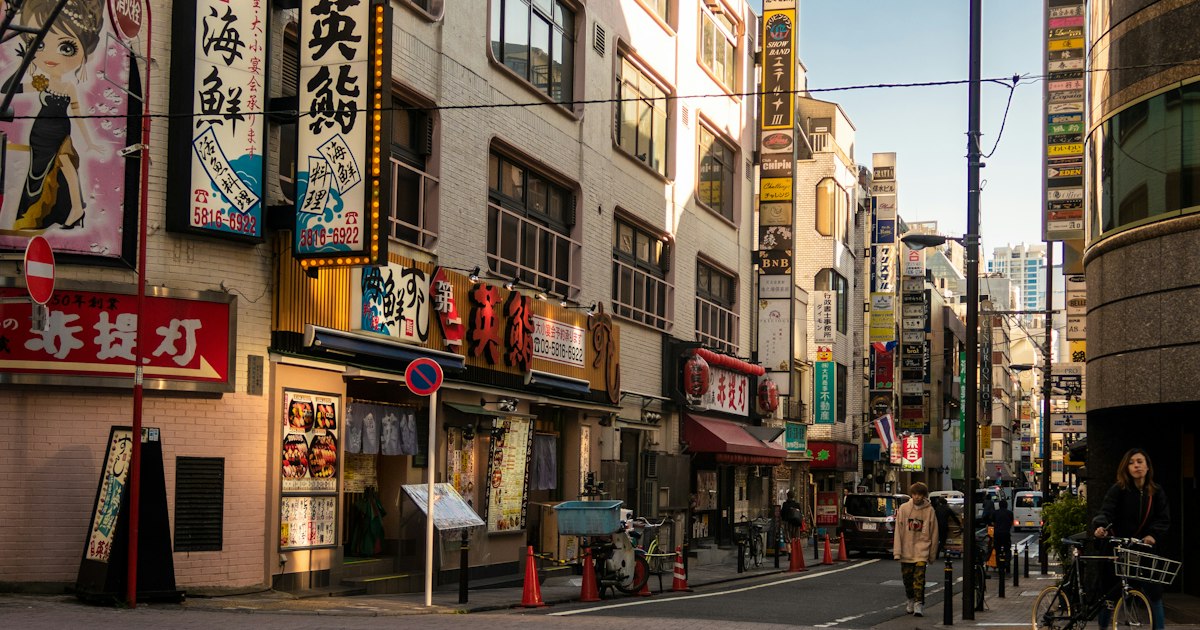
    Photo by Denys Nevozhai on Unsplash

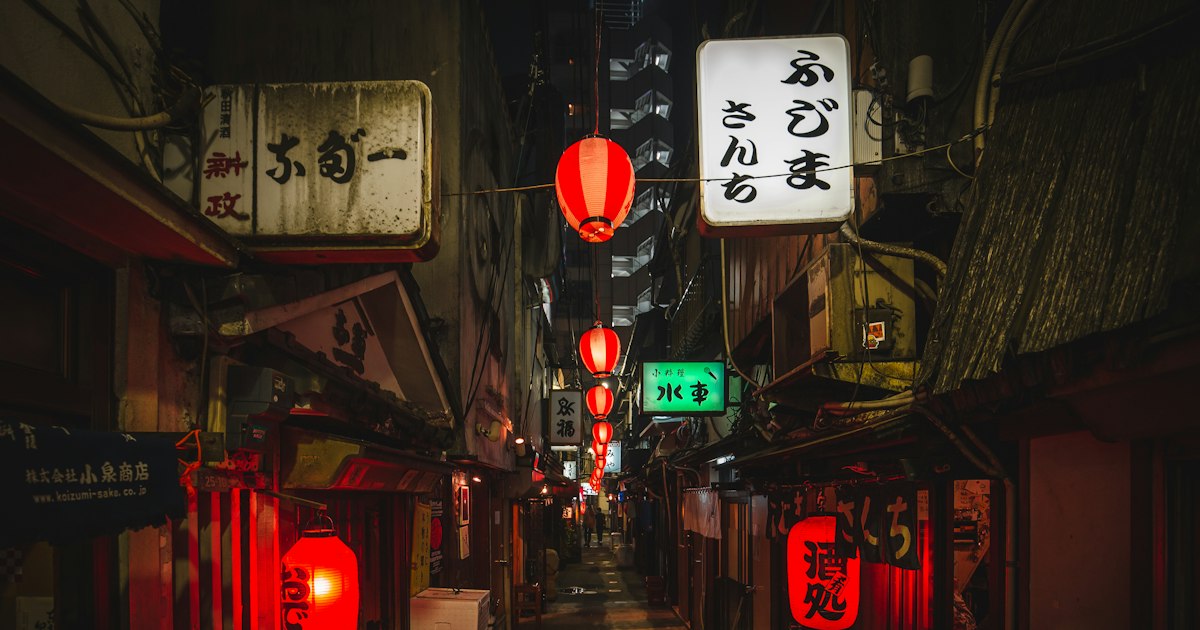
    For years, “Robot Restaurant” was the single most-asked-about night out in Tokyo — a strobe-lit, taiko-drumming, neon-robot spectacle in the back alleys of Kabukicho that showed up on every “weird Japan” listicle. If you’re planning a trip and have that exact show on your list, there’s some bad news and some good news: the original venue is gone, but Tokyo’s appetite for over-the-top theatrical dinner shows very much isn’t. Here’s what actually happened, what’s still running, and how to pick an experience that’s worth your yen.

    What happened to the original Robot Restaurant

    The Robot Restaurant that opened in 2012 in Shinjuku’s Kabukicho district — the one with the oversized LED robots, taiko drums, and bikini-clad dancers riding dinosaurs — shut its doors for good in the years following the pandemic. It never fully recovered from the 2020–2021 closures, and the venue has not reopened under that name. If you see a site offering “Robot Restaurant Tokyo tickets,” treat it with caution: it’s either reselling tickets to an unrelated show, listing a venue that no longer exists, or trying to capture search traffic from the old brand’s fame. Always check a venue’s official site and recent reviews (within the last few months) before paying for anything labeled “Robot Restaurant” — don’t rely on a listing’s photos alone, since many still use old publicity shots.

    This matters because Kabukicho is also Tokyo’s densest nightlife touting zone. Street staff offering to walk you to a “robot show” or “bar with a show” are almost always commission-based touts, and some have led tourists into bars with inflated bills. The rule in Kabukicho is simple: never follow someone who approaches you on the street with a show or bar offer, no matter how official their lanyard looks.

    What’s still running: Tokyo’s current theatrical dinner shows

    The closest thing to that same “loud, costumed, only-in-Japan” energy today is the ninja-themed restaurant chain with locations in Akasaka and Shinjuku. Staff dressed as ninja perform tableside sleight-of-hand (coin and card tricks, small “magic” flourishes before your dishes arrive), the interior is built like a dim stone maze with hidden doors, and the food is a genuine multi-course dinner rather than a snack box — expect course menus in the roughly ¥8,000–15,000 per person range, before drinks. Reservations are essential, especially for Friday/Saturday evening slots and parties of 4+; same-day walk-ins can usually only be fit in on weeknights.

    A second category worth knowing about is the fantasy/anime-adjacent themed restaurants (Alice in Wonderland-style interiors, costumed staff, elaborate plated desserts) scattered around Shinjuku, Ginza, and Omotesando. These lean more “immersive themed dining” than “stage show,” with no fixed performance time — you’re paying for the room and the photo ops as much as the food, with set courses typically in the ¥4,000–7,000 range. They’re a good lower-stakes option if a full-blown show isn’t your priority.

    For something more purely theatrical with less emphasis on the meal, look at dinner-cruise shows on Tokyo Bay and hotel dinner shows (often jazz, magic, or variety acts paired with a set dinner) — these rotate seasonally and are usually booked through the hotel or cruise operator’s own site rather than general ticket resellers.

    How the format actually works

    Whichever venue you choose, the shape of the evening is fairly consistent: you check in 15–30 minutes before your reserved slot, are seated at communal or semi-private tables, and the show runs in waves between courses rather than as one continuous performance — so there’s usually a 60–90 minute total runtime once you include the meal. Photography without flash is almost always allowed and even encouraged (staff will often offer to take your photo), but video with flash or using tripods/selfie sticks is commonly restricted because it blocks other guests’ sightlines in small rooms. Alcohol is typically available but not always included in the course price — check this before you order, since drink packages can add ¥2,000–4,000 per person.

    Budget, mid-range, and splurge options

    • Budget (~¥4,000–6,000): Themed cafés and fantasy-restaurant lunch sets — lighter on spectacle, but a real taste of Tokyo’s costumed-dining culture without a dinner-show price tag.
    • Mid-range (~¥8,000–12,000): Standard ninja-restaurant dinner course, or a hotel dinner show with a set menu and a 45-minute variety act.
    • Splurge (¥15,000+): Premium course menus with private-room options, Tokyo Bay dinner cruises with a full show, or add-on experiences like a personal ninja “lesson” before the meal.

    Across all tiers, book 1–2 weeks ahead in peak travel seasons (late March–April for cherry blossoms, July–August summer break, late December–early January); weeknight slots in quieter months (June, September, February) are far easier to get same-week and sometimes slightly cheaper.

    Common mistakes first-timers make

    The biggest one is booking “Robot Restaurant” tickets from a third-party site without checking whether the venue still exists — read the most recent reviews, not just the star rating, since defunct listings can sit online for years. The second is underestimating travel time within Kabukicho or Akasaka: these districts are a maze of narrow streets and basement entrances, and Google Maps pins can be off by a block, so budget an extra 10–15 minutes to find the actual door. Third, people often skip eating beforehand assuming the “dinner” course will be filling — portions at theatrical dinner shows are usually modest since the point is the performance, so eat a proper meal earlier if you’re hungry. Finally, don’t assume every show is kid-friendly; some ninja and fantasy-restaurant shows involve loud noise, strobe lighting, or mildly suggestive theming, so check the venue’s own age guidance if you’re bringing children.

    Getting there and timing your visit

    Akasaka is served by the Akasaka or Akasaka-mitsuke stations (Chiyoda, Ginza, and Marunouchi lines), a short walk from most venues; Shinjuku locations are a 5–10 minute walk from Shinjuku Station’s east exit through Kabukicho. Both areas are safe to walk through in the evening but busy and bright — if you need a restroom before or after the show, train stations and konbini are your most reliable option in these districts, and it’s worth knowing the general tactics for finding one in Japan before you’re stuck between stops. Evening shows typically run two or three seatings between 5:30pm and 9:30pm, so if you’re also sightseeing that day, plan the show as your last stop rather than squeezing it between other activities — rushing from a shrine visit across town rarely leaves enough buffer once trains and check-in time are factored in.

    If the robot-and-neon aesthetic was the actual draw for you rather than the dinner format, it’s worth noting that Tokyo’s tokusatsu and kaiju fandom runs much deeper than one restaurant — there’s a whole retail and collectible side to that world worth exploring, covered in our guide to hunting Ultraman, Kamen Rider, and Godzilla merch in Japan. And if you want a different kind of immersive, participatory Tokyo night out that doesn’t involve food at all, Japan’s real-life escape room craze scratches a similar “only in Japan” itch and is easy for English-speaking tourists to join.

  • Agedashi Dofu and Japan’s Deep-Fried Tofu Dishes: Where to Try Them

    Agedashi Dofu and Japan’s Deep-Fried Tofu Dishes: Where to Try Them

    Photo by Sherman Kwan on Unsplash

    Ask a Japanese home cook what they’re making for dinner and “tofu” is rarely the whole answer — it’s agedashi dofu with a dashi-soy glaze, or atsuage straight off the grill, or aburaage stuffed into inari sushi. Deep-fried tofu is one of the most underrated categories in Japanese cooking, and it’s also one of the easiest to get wrong as a visitor: order the wrong dish at the wrong kind of restaurant and you’ll get a sad, soggy cube instead of the crisp-outside, custardy-inside version that made this dish famous. Here’s how to find the real thing, from 500-yen izakaya plates to full tofu kaiseki courses.

    What Agedashi Dofu Actually Is

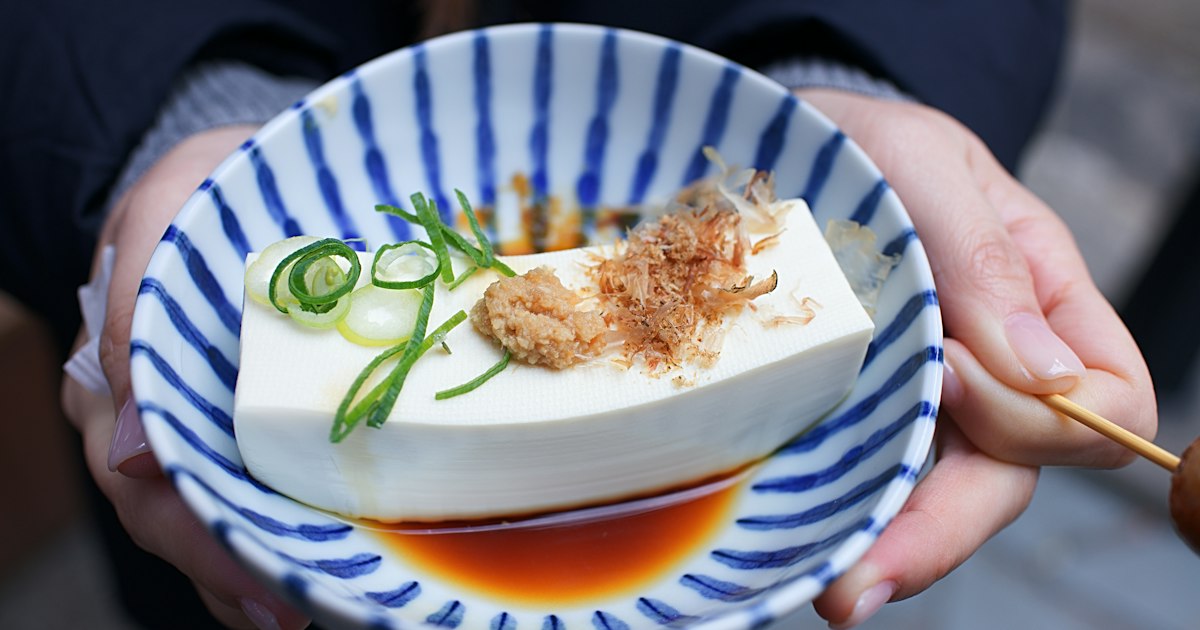
    Agedashi dofu (揚げ出し豆腐) is silken or soft tofu, lightly dusted in potato starch (katakuriko) or flour, deep-fried just until the surface sets into a thin, golden shell, then served in a pool of warm dashi broth seasoned with soy sauce and mirin. It’s topped with grated daikon, sliced scallion, and often bonito flakes or a touch of ginger. The point isn’t crunch that lasts — it’s the contrast between that fragile fried skin and the hot, barely-set tofu underneath, all swimming in savory broth. Done well, you eat it with a spoon, broth and all. Done badly (reheated, over-fried, bottled sauce), the coating turns rubbery and the tofu goes watery. It’s a staple on izakaya menus nationwide, usually priced between ¥400 and ¥600 as a shared small plate.

    Beyond Agedashi: Japan’s Other Fried Tofu Dishes

    Agedashi dofu is the gateway dish, but it’s part of a bigger family worth knowing by name:

    • Atsuage (厚揚げ) — a thick slab of tofu deep-fried until the outside is firm and golden while the center stays soft, usually grilled or pan-fried again and eaten with ginger and soy sauce, or simmered in oden pots.
    • Aburaage (油揚げ) — thin tofu sliced and deep-fried until it puffs up, used for inari sushi pouches, in miso soup, or simmered with kitsune udon.
    • Ganmodoki (がんもどき) — a fried tofu-and-vegetable patty mixed with carrot, mushroom, and hijiki seaweed, common in oden and home cooking, especially in autumn and winter.
    • Koya-dofu (高野豆腐) — freeze-dried tofu, not deep-fried but worth knowing since it originated at Mount Koya’s temples and shows up in the same shojin ryori (Buddhist vegetarian) meals as agedashi dofu.

    Knowing these names helps you read a Japanese-only menu at a neighborhood izakaya, where agedashi dofu might sit right next to atsuage without English translation.

    Budget Option: Izakaya and Teishoku Chains (¥400–700)

    You don’t need a special trip for your first agedashi dofu — any decent izakaya has it. Chains like Watami, Tsukada Nojo, or local standalone izakaya in any station neighborhood serve a reliable version for ¥450–600. Teishoku (set meal) restaurants and some ramen-adjacent shokudo also offer it as a side dish for around ¥350–500. The quality varies: ask for it “age-tate” (freshly fried) if you can, since izakaya kitchens sometimes pre-fry in batches during a rush. If you’re building a casual dinner crawl, pair it with grilled skewers and a cold beer — this is standard, no-reservation-needed eating.

    Mid-Range: Kyoto’s Tofu Restaurants Near Nanzenji and Arashiyama

    Kyoto is the undisputed capital of tofu cuisine, thanks to centuries of Zen temple cooking and the city’s famously soft, mineral-light water. The temple district around Nanzenji in eastern Kyoto has several restaurants built specifically around tofu kaiseki — multi-course meals where agedashi dofu, yudofu (simmered tofu), and ganmodoki all appear alongside seasonal vegetables.

    Okutan Nanzenji, just outside Nanzenji temple’s gate, has served tofu dishes to temple visitors for over 350 years. A set course with yudofu, a small agedashi-style dish, tempura, and rice runs roughly ¥3,500–5,500 per person. It’s open for lunch (typically 11:00–16:00; check seasonal hours before visiting, as it closes irregularly in winter) and seating is on tatami overlooking a garden — arrive before noon on weekends or expect a wait.

    In Arashiyama, several tofu restaurants near the bamboo grove and Tenryuji temple offer similar set menus in the ¥3,000–6,000 range, making it easy to combine a tofu lunch with a morning temple walk. If you’re spending a full day in the Kyoto/Uji area, consider pairing a tofu lunch with a stop at Uji, Kyoto’s matcha capital, about 20 minutes south by train — tofu for lunch, fresh matcha for the afternoon is a genuinely good combination, and both cuisines share the same restrained, dashi-and-umami sensibility.

    If you’re driving between temple districts rather than taking trains, note that Kyoto’s old city streets have very limited roadside parking; it’s worth reading up on coin parking lots and apps before you go, since circling for a spot near Nanzenji eats into lunch time fast.

    Splurge: Tofu Kaiseki in Tokyo

    For a formal tofu-centric meal, Tokyo has two well-known names. Tofuya Ukai, near Tokyo Tower in a converted sake-brewery building with a traditional garden, serves multi-course tofu kaiseki from roughly ¥9,000 up to ¥20,000+ per person depending on the course, with agedashi dofu typically appearing as one of the early courses alongside housemade yuba and grilled dishes. Reservations are essential, ideally weeks ahead for dinner, and smart-casual dress is expected. Sasa no Yuki in Negishi (northeast Tokyo), operating since the 1690s, is more accessible — tofu-focused set meals run around ¥3,000–7,000 for lunch — and is a good middle step between an izakaya plate and a full kaiseki splurge.

    Best Season, Timing, and Common Mistakes

    Tofu dishes are eaten year-round, but yudofu and agedashi dofu both feel most natural in autumn and winter, when the hot broth is genuinely comforting — many Kyoto tofu restaurants extend hours and add seasonal vegetables (chestnut, yuzu) to menus between November and February. Summer versions lean toward cold hiyayakko instead, so if you specifically want the fried, broth-soaked version, don’t assume every tofu restaurant serves it in August; check the menu or ask.

    Common mistakes to avoid: ordering agedashi dofu expecting a crunchy, batter-heavy dish like tempura (it’s meant to be delicate, not crispy-crunchy); eating it slowly while sightseeing-planning at the table, since the fried coating softens fast once it hits the hot broth; and skipping reservations at the famous Kyoto and Tokyo spots during peak cherry blossom (late March–early April) and autumn foliage (mid-November) weeks, when even modest tofu restaurants fill up by 11:30am. If you’re touring temples all day and need a bathroom break between tofu-restaurant stops, Kyoto’s temple areas aren’t always well-supplied — it’s worth knowing the toilet-finding apps and konbini options before you’re far from a station.

    Finally, if you want to try making it at home after your trip, agedashi dofu is genuinely simple: press firm or soft tofu briefly, pat dry, dust with potato starch, shallow-fry in neutral oil until golden, and serve over warmed dashi-soy broth with grated daikon. It’s one of the few “restaurant” dishes that travels well from Japan to your own kitchen with almost no special equipment.

  • Uji: Kyoto’s Matcha Capital and Where to Taste It Fresh

    Uji: Kyoto’s Matcha Capital and Where to Taste It Fresh

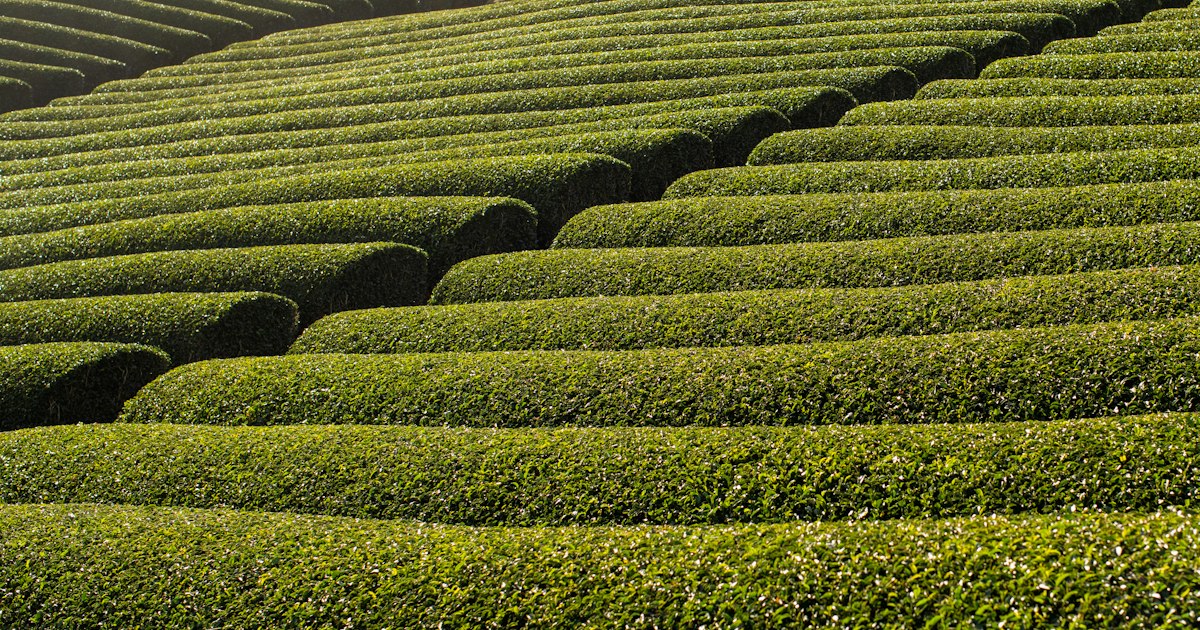
    Photo by Bret Lama on Unsplash

    Twenty minutes south of Kyoto Station, the town of Uji has been growing and processing Japan’s finest tea since the 13th century — long before matcha lattes existed anywhere else in the world. This is where shogun-era tea masters sourced their leaves, where temple gardens line a jade-green river, and where you can still buy matcha ground to order at shops that have been doing it for thirty generations. It’s an easy half-day trip, but knowing the right station, the right shop hours, and which lines to skip makes the difference between a rushed photo stop and an actual taste of why Uji matcha is considered the benchmark.

    Why Uji, specifically

    “Uji matcha” is a protected regional term, similar to Champagne or Parma ham — tea sold under that label must be grown and processed in Uji or the surrounding area using traditional methods. The town’s microclimate (river fog that filters sunlight) and centuries of cultivar breeding produce tea with more umami and less bitterness than mass-market matcha. Big-name producers like Marukyu Koyamaen, Fukujuen, and Itohkyuemon all have their roots — and often their flagship shops — right here, not in Kyoto city.

    Getting there

    There are two separate Uji stations run by different railways, and mixing them up adds a 15-minute walk across the river, so check which one matches your plan:

    • JR Nara Line from Kyoto Station: take a Miyakoji Rapid train to JR Uji Station, about 17–20 minutes, ¥240 one-way. This side is closer to Byodoin Temple (about a 10-minute walk).
    • Keihan Uji Line from Gion-Shijo or Sanjo (central Kyoto): ride to Chushojima and transfer to the Uji Line, roughly 30–35 minutes total, around ¥330. Keihan Uji Station sits closer to Uji Bridge and Ujigami Shrine.

    Both stations are a 10–15 minute walk from each other along the river, so most visitors just pick one route and walk the loop. If you’re also visiting Fushimi Inari that day, it’s on the same JR Nara Line, so you can stack both stops in one morning.

    What to see first: Byodoin and Ujigami Shrine

    Byodoin Temple’s Phoenix Hall — the building on the back of the ¥10 coin — is the obvious anchor. Garden and museum (Hoshokan) admission is ¥700 for adults; stepping inside the Phoenix Hall itself costs an extra ¥300 and is capped at 50 visitors per 20-minute timed slot, tickets sold same-day only at the hall. On weekends these interior slots can sell out by late morning, so go right at opening (8:30 AM) if seeing the inside matters to you. The garden alone, with its reflecting pond, is worth the visit even without the interior ticket.

    A short walk across Uji Bridge, Ujigami Shrine is one of the oldest Shinto shrine buildings in Japan and a UNESCO World Heritage Site — and refreshingly, admission is free. It’s small, so pair it with a stroll along the river rather than treating it as a standalone stop.

    Where to actually taste matcha fresh

    This is the main event, and it’s worth planning around opening times rather than wandering in blind:

    • Nakamura Tokichi Honten — a 19th-century tea merchant’s shop with a tatami café attached, famous for its matcha parfait and matcha jelly. Open roughly 10:00–17:00 (closed Wednesdays); weekend waits often run 45–90 minutes. Arrive at opening or order takeaway soft serve from the window to skip the line.
    • Itohkyuemon — right by Byodoin, another long-running tea house with similarly serious queues for its parfaits (around ¥1,200–1,800). The retail counter selling tins of matcha and hojicha moves faster than the café seating.
    • Fukujuen Uji Chaho — part museum, part shop. You can watch (and for a fee, try) a traditional stone-mill tea-grinding demonstration, and the retail shop sells a wide range of grades without the café crowds.
    • Taihoan — a municipally-run teahouse overlooking the river, built specifically to give visitors an accessible introduction to tea ceremony. A seated matcha-and-sweet set runs about ¥500–600; a short ceremony experience is roughly ¥1,500–2,000. It’s one of the few places in Japan where a drop-in tourist can sit through an actual ceremony without advance booking or ceremony-hall formality.
    • Tsuen Tea — right next to Uji Bridge, and reputedly the oldest tea shop in Japan, dating to 1160. Smaller crowds, good for a quick cup and tins to take home.

    Street-level matcha soft-serve cones from small stalls near Byodoin’s approach run about ¥400–500 and are a perfectly good budget option if you don’t want to sit down anywhere.

    Buying matcha to take home

    Every shop listed above sells retail tins, and this is where Uji earns its reputation: ceremonial-grade matcha here starts around ¥1,500–2,000 for a small tin (20–40g) and climbs well past ¥5,000 for competition-grade leaf, noticeably pricier than the souvenir-shop matcha sold in central Kyoto — but it’s fresher and stone-ground rather than machine-processed. If you’re planning to actually whisk it at home rather than just display the tin, you’ll want a proper bamboo whisk (chasen) and bowl, which most of these shops also stock. If you’d rather brew loose-leaf sencha or hojicha instead of whisking matcha, a traditional kyusu teapot makes a big difference in flavor — our guide to Tokoname ware and where to buy a kyusu covers how to pick one up elsewhere in the Kansai/Chubu area.

    If the parfaits and soft-serve here leave you wanting to recreate matcha shaved ice at home, it’s worth knowing Japan sells dedicated countertop machines for exactly that — see our piece on home kakigori machines for options you can actually pack in a suitcase.

    Best time to go, and common mistakes

    Early May is harvest season (shincha), when tea bushes along the hillsides are at their most vivid green and some farms allow tea-picking experiences — check locally, as these aren’t standing offers at every field. Autumn (November) pairs well with Byodoin’s garden foliage. Avoid midsummer afternoons if you can; there’s little shade on the main shopping street and the café queues get worse, not better, in the heat.

    The most common mistake is treating Uji as a quick 90-minute stop — the queues alone can eat that. Budget a half-day minimum: temple, shrine, one sit-down tea café, and time to browse the shops. The second mistake is skipping bathroom planning; Uji’s main street has limited public facilities outside the station and temple grounds, so use a toilet-finding resource like our guide to finding a public restroom in Japan before you’re deep into a café queue with no exit.

    Uji rewards slowing down rather than checklist tourism — one good cup of properly whisked matcha, drunk where it was grown, tells you more about Japanese tea culture than a dozen rushed souvenir-shop samples back in central Kyoto.

  • Tokusatsu Collectibles: Hunting Ultraman, Kamen Rider and Godzilla Merch in Japan

    Tokusatsu Collectibles: Hunting Ultraman, Kamen Rider and Godzilla Merch in Japan

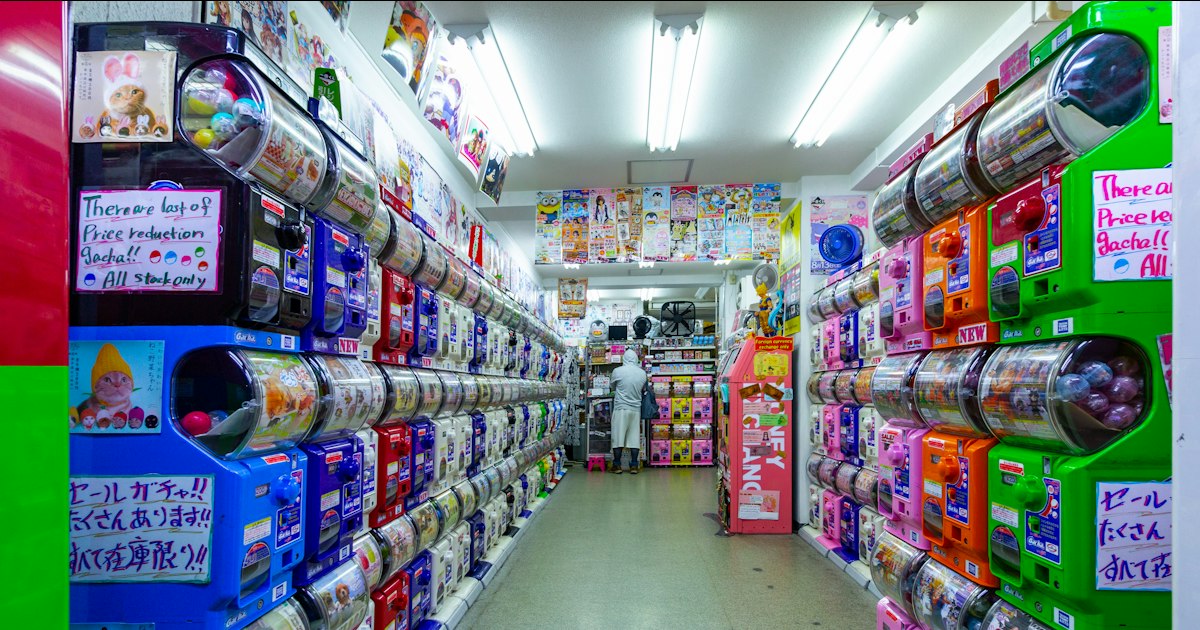
    Photo by C M on Unsplash

    If you grew up watching a man in a rubber suit punch a monster into a model city, Japan is the one place where that love of tokusatsu (“special filming”) actually pays off. Ultraman, Kamen Rider, Super Sentai and Godzilla aren’t nostalgia acts here — they’re live franchises with new toy lines dropping every few months, decades of vintage sofubi (soft vinyl) figures circulating in secondhand shops, and entire stores built around a single character universe. This guide covers where to actually go, what things cost, and the mistakes that trip up first-time hunters.

    Akihabara: the obvious starting point, for good reason

    Akihabara in Tokyo is still the densest concentration of tokusatsu merch anywhere. Three stops matter most:

    • Mandarake Complex (Akihabara) — eight floors of secondhand goods; vintage sofubi figures, model kits, and out-of-print DVDs live on different floors, so check the floor directory at the entrance. Open 12:00–20:00. Vintage Ultraman sofubi from the 1970s–80s runs roughly ¥3,000–¥15,000 depending on condition and maker (Bullmark and Marusan pieces command the highest prices).
    • Kotobukiya and Volks — for new-release garage kits and resin statues, pricier but pristine. A mid-size Godzilla resin figure can run ¥8,000–¥30,000.
    • Super Festival (Super Fes) — not a shop but a twice-yearly garage kit convention held in Tokyo (usually around February and August) at venues like Tokyo Big Sight. This is where small sculptors sell limited-run resin kits of obscure kaiju and rider forms you’ll never see in a retail store. Dates shift yearly, so check before planning a trip around it.

    Bandai’s own stores: where the new stuff actually launches

    Bandai owns Kamen Rider, Super Sentai, and most current Ultraman merchandising, and its flagship retail arm is Premium Bandai and the physical Bandai Namco stores. The Ikebukuro and Namba (Osaka) locations of Bandai Namco’s “Gee! Store” and the Tamashii Nations stores carry the current Soul of Chogokin and S.H.Figuarts lines — these are the premium, highly articulated figures serious collectors want, typically ¥6,000–¥16,000 per figure. New releases sell out fast online, so in-store stock is often your best shot at getting one without reseller markup. Check opening hours on the store’s own page before going, as Bandai retail hours vary by location and season.

    Nakano Broadway: quieter, cheaper, deeper vintage

    If Akihabara feels too crowded or too focused on anime, Nakano Broadway (a short walk from Nakano Station on the JR Chuo Line, about 10 minutes from Shinjuku) is the connoisseur’s alternative. Multiple small, independently run stalls specialize in tokusatsu — some exclusively in Ultra Series, others in kaiju vinyl. Prices skew lower than Akihabara for comparable vintage condition because foot traffic is thinner and rent is cheaper, but selection varies stall to stall, so budget at least an hour to walk all three floors. Most stalls open around 12:00 and many close by 20:00; Wednesdays see reduced hours at some shops, so avoid that day if possible.

    Osaka and beyond: Den Den Town and Amerikamura

    Osaka’s Nipponbashi Den Den Town is Kansai’s answer to Akihabara, with several Mandarake and Super Potato-style shops carrying tokusatsu alongside retro games. It’s smaller than Tokyo’s scene but less crowded, and prices are comparable. If you’re shopping Osaka anyway, pair it with a stop at Amerikamura, which has vintage and secondhand shops that occasionally surface 80s–90s toy stock mixed in with clothing — it’s not a dedicated toy district, but worth a detour if you’re already in the area.

    Budget, mid-range and splurge: what to actually expect to spend

    • Budget (under ¥3,000): gashapon (capsule toys, ¥200–¥500 per pull) from machines in any Akihabara arcade or station; loose, well-worn vintage sofubi missing accessories; keychains and standees from convenience store collaborations.
    • Mid-range (¥5,000–¥20,000): boxed S.H.Figuarts or S.H.MonsterArts figures, mid-condition vintage Bullmark/Marusan sofubi, Godzilla resin kits from hobby shops.
    • Splurge (¥30,000+): mint-in-box vintage 1960s–70s sofubi (a first-run Bullmark Ultraman in excellent condition can exceed ¥100,000), limited garage kits from Super Festival, and X-Plus Toho large-scale Godzilla statues, some of which retail well above ¥50,000.

    Best timing and seasonal events

    There’s no single “collecting season,” but a few timing notes matter. New Kamen Rider and Sentai toy lines launch alongside each show’s TV season change, typically early March and late August/September — shops restock heavily right after these transitions. Godzilla merch spikes around any new theatrical release (Toho has released a new Godzilla film roughly every few years, most recently with major anniversary tie-ins), so check what’s currently in theaters before your trip, and if you want to watch one while you’re there, see our guide to subtitled screenings at TOHO Cinemas. For vintage hunting specifically, weekday mornings right after a shop opens are quietest — serious local collectors often sweep new secondhand intake within hours of a weekend drop-off.

    Common mistakes to avoid

    • Assuming “vintage” means authentic. Reproduction sofubi has existed since the 1990s. Ask staff directly (“kore wa fukkoku desu ka?” — “is this a reissue?”) at Mandarake-style shops; reputable dealers will tell you straight and price accordingly.
    • Not checking export/customs rules for size. Large resin statues and Figuarts dioramas are heavier and bulkier than they look boxed — factor checked-baggage weight or shipping costs before buying multiples.
    • Skipping gashapon machines because they seem like “kid stuff.” Many exclusive, short-run tokusatsu designs only ever appear in capsule form and are never sold as standalone figures.
    • Shopping only in Akihabara. Prices for identical vintage condition are frequently lower in Nakano Broadway or Osaka’s Den Den Town simply because rents are lower there.
    • Forgetting cash. Smaller secondhand stalls, especially in Nakano Broadway, are far more likely to be cash-only than larger chain stores.

    Whichever route you take, build in unstructured browsing time — the best finds in this hobby are rarely the ones you planned for, they’re the beat-up Showa-era kaiju figure sitting in a ¥500 bargain bin that nobody else recognized.

  • Amerikamura: Osaka’s Vintage and Street-Fashion District

    Amerikamura: Osaka’s Vintage and Street-Fashion District

    Photo by Svetlana Gumerova on Unsplash

    Tucked a few blocks west of the Shinsaibashi arcade and Dotonbori’s neon canals, Amerikamura (“American Village,” often shortened to Amemura) is where Osaka’s street fashion actually lives. It’s a dense grid of narrow lanes packed with secondhand clothing warehouses, sneaker shops, skate brands, and tiny boutiques run by designers who sell nowhere else. If you care about vintage denim, Americana, or just want to see how Osaka teenagers actually dress — as opposed to what’s marketed to tourists — this is the neighborhood to spend an afternoon in.

    Where It Is and How to Get There

    Amerikamura sits in Nishi-Shinsaibashi, Chuo-ku, roughly bounded by Midosuji Avenue to the east and Yotsubashi-suji to the west. The closest station is Yotsubashi Station (Yotsubashi Line), exit 5, about a 5-minute walk into the heart of the district. Shinsaibashi Station (Midosuji Line) works too, but it’s a 7–8 minute walk and dumps you into the busier shopping arcade first, so you have to cut through to reach Amerikamura proper. Either way, it’s an easy add-on to a day that already includes Dotonbori or Shinsaibashi — the three areas form a walkable triangle.

    If you’re driving in, note that street parking doesn’t really exist in this part of Osaka; you’ll need a coin-operated lot, and rates in central Osaka can run ¥300–¥500 per 30 minutes. Our guide to coin parking lots and parking apps in Japan explains how to find and pay for one without guesswork — though honestly, the subway is simpler for this trip.

    Triangle Park: The Unofficial Town Square

    Sankaku Koen, universally known as Triangle Park, is a small paved plaza at the center of Amerikamura and the easiest landmark to navigate from. It’s not a park in any green sense — just a concrete gathering spot — but on weekend afternoons it fills with street dancers, local musicians, and teenagers in full fashion-forward outfits, making it as much a people-watching destination as a shopping one. Use it as your mental zero-point: shop names and addresses in this area are notoriously inconsistent on maps, so most locals give directions relative to the park (“two streets north of Sankaku Koen”) rather than by address.

    Vintage Shopping: What to Expect

    Amerikamura’s reputation rests on its secondhand and vintage shops, many of which have operated here since the 1980s. Kinji is the best-known name — a multi-floor, warehouse-style store (with a couple of branches in the area) where racks are loosely sorted by era and type rather than size, so budget real browsing time. Big Step, the area’s landmark multi-story complex, houses dozens of smaller boutiques, streetwear brands, and sneaker resellers under one roof, which is a good first stop if you want to survey the range quickly before committing to the smaller shops.

    A few things that trip up first-time visitors:

    • Hours are later than you’d expect. Most boutiques open between 11:00 and 12:00, not in the morning, and close around 20:00–21:00. Showing up at 10am means half the street is still shuttered.
    • Many smaller shops take an irregular weekday off (often Tuesday or Wednesday) — if you have one specific shop on your list, it’s worth a quick search for its current hours before you go, since Google Maps listings for small vintage stores here are often out of date.
    • Cash still matters. Larger shops and chains take cards, but plenty of one-room vintage dealers are cash-only or have a card minimum. Carry some yen.
    • Sizing runs larger than typical Japanese retail, since most of the stock is genuine American-imported clothing from past decades — good news if you’ve struggled to find your size elsewhere in Japan.
    • Fitting rooms exist but are often just a curtained corner. Layer accordingly, and don’t expect mirrors everywhere.

    Budget, Mid-Range, and Splurge Picks

    At the budget end, plain vintage T-shirts and basic secondhand items run roughly ¥1,000–¥3,000, and you can walk out of a bargain bin shop with a full outfit for under ¥5,000. Mid-range buys — band tees in good condition, vintage Levi’s, letterman jackets, or branded streetwear — tend to land between ¥5,000 and ¥15,000. For splurges, rare vintage denim, military surplus in exceptional condition, or limited-run sneakers from the resale shops can climb well past ¥30,000; serious collectors come to Amerikamura specifically for these finds, and prices are generally lower than equivalent pieces in Tokyo’s Harajuku or Shimokitazawa, simply because there’s less tourist traffic driving up prices.

    Best Time to Visit

    Weekday mornings and early afternoons are noticeably calmer — you’ll get shop staff’s full attention and first pick of new stock. Weekends, especially Saturday afternoon into evening, are when Triangle Park comes alive with performers and the street fashion scene is at its most visible, but the narrow lanes get crowded fast. If you want photos of the scene without the crush, aim for a weekday around 2–4pm, after shops have opened but before the after-school and evening crowds arrive.

    Seasonally, Amerikamura works year-round since almost everything is indoors, but Osaka’s rainy season (tsuyu, mid-June to mid-July) and the muggy height of summer make the covered arcades of nearby Shinsaibashi a more comfortable retreat between shop visits. If you’re planning to explore wider Osaka by rental bicycle on the same trip, it’s worth knowing about Japan’s clip-on kappa rain poncho, a cheap and genuinely useful buy for sudden downpours.

    Beyond Clothes: Sneakers, Records, and Toys

    Fashion is the headline, but Amerikamura’s side streets also hold a solid cluster of sneaker consignment shops, record stores specializing in hip-hop and soul imports, and shops selling American toys, pins, and ephemera. It’s worth a slow wander off the main strip — some of the best finds are in shops with no English signage at all, just a handwritten price tag in the window.

    Practical Tips Before You Go

    Amerikamura has fewer large public facilities than Dotonbori, so plan ahead for basics. Public restrooms are limited to konbini, the Big Step building, and the subway stations; our guide to finding a public restroom in Japan covers the apps and etiquette for using konbini facilities politely. Bring a tote bag for purchases — not every small shop supplies one — and set aside at least two to three hours if you actually want to dig through the racks rather than just window-shop. Pair the visit with lunch or dinner in Dotonbori afterward; it’s a five-minute walk and the contrast between the two neighborhoods’ energy is part of the fun.

  • Finding a Public Restroom in Japan: Toilet-Finding Apps, Konbini & Station Facilities

    Finding a Public Restroom in Japan: Toilet-Finding Apps, Konbini & Station Facilities

    Photo by Levi Meir Clancy on Unsplash

    Japan has a reputation for being the easiest country in the world to find a clean toilet, and for the most part that’s true — but “easiest” doesn’t mean “obvious.” Konbini policies vary by chain and by branch, station restrooms are sometimes inside the ticket gates and sometimes outside, and the apps that locals use aren’t the ones that show up first in an English app store search. Here’s how to actually find a restroom in Japan, fast, wherever you are.

    Convenience Stores: Usually Fine, Not Always Free-For-All

    Seven-Eleven, Lawson, and FamilyMart are the backbone of Japan’s public restroom network, and most branches will let you use the toilet without buying anything. But this isn’t a universal legal right — it’s a courtesy that varies by store, and a few things matter:

    • Ask first. A quick “sumimasen, toire wa arimasu ka?” (excuse me, is there a toilet?) at the register is expected, especially at smaller or older branches where the toilet is staff-controlled and may require a key or code written on a card.
    • Urban flagship stores sometimes say no. Densely packed locations in areas like Shinjuku or Shibuya occasionally restrict restroom use to customers only, or close it for cleaning. If one branch says no, the next konbini is rarely more than a few minutes’ walk away.
    • Buying something is good manners, not a requirement. A ¥120 bottle of tea is a cheap way to say thank you if you’ve used the facilities and have five minutes to spare.

    Konbini toilets are almost always Western-style with a washlet (heated seat, bidet function), and most now stock toilet paper reliably, though it’s still smart to carry a small pack of tissues as backup.

    Train and Subway Stations: Your Most Reliable Default

    Every JR station and most private-line and subway stations have free public restrooms, and in larger stations there are usually two sets — one inside the paid area (past the ticket gates) and one outside it, so you don’t need a valid ticket just to use the toilet. Look for the pictogram signage near station exits or consult the station’s posted floor map, which almost always marks restrooms in multiple languages.

    A few practical notes:

    • Major terminal stations (Tokyo, Shinjuku, Osaka, Kyoto) have large, well-maintained restroom banks with baby-changing tables and accessible stalls, usually near the central concourse or Shinkansen platforms.
    • Smaller rural or older stations may still have a squat-style (washiki) toilet alongside the Western one — not a problem, just budget a little extra time if you’re unfamiliar with the style.
    • Coin-operated toilets (around ¥20–100) have mostly disappeared, but you’ll occasionally still find one at an older regional station or roadside rest stop. Keep a bit of small change on hand just in case.

    If you’re road-tripping rather than training, the same logic applies at highway service areas (SA) and parking areas (PA), which have free, well-kept restrooms open 24 hours — useful to know if you’re also navigating where to park in Japan on a longer drive.

    Toilet-Finding Apps That Actually Work

    Skip the generic “find a bathroom” apps built for other countries — they have poor Japan coverage. Use these instead:

    • Japan Official Travel App (JNTO) — the national tourism board’s free app includes a restroom layer alongside its offline maps, Wi-Fi finder, and disaster alerts. Good baseline coverage in cities and tourist areas.
    • Google Maps — searching “toilet” or “restroom” near your current location works surprisingly well in Japanese cities, pulling in konbini, station, and park facilities with user ratings and photos.
    • NAVITIME for Japan Travel — the English tourist version of Japan’s most-used transit app includes a restroom search filter alongside train routing, handy if you’re already using it to plan your route.
    • Check A Toilet (トイレ情報共有サービス) — a Japanese-language crowdsourced map specifically for accessible and multipurpose toilets; worth trying even with basic Japanese, since it’s more granular on wheelchair access and ostomate facilities than general map apps.

    In Shibuya specifically, keep an eye out for The Tokyo Toilet project — 17 architect-designed public restrooms (by names like Tadao Ando and Kengo Kuma) scattered around the ward since 2020–2023, all free, all immaculately maintained, and worth a detour if you’re nearby and curious about design as much as plumbing.

    Department Stores, Malls, and Other Backup Options

    When you want guaranteed cleanliness and don’t mind a short walk, department stores (Takashimaya, Isetan, Daimaru, Mitsukoshi) have restrooms on nearly every floor, typically open during store hours (roughly 10:00–20:00), with baby rooms and lounge-style waiting areas near the women’s facilities on several floors. Shopping malls and large electronics stores (Bic Camera, Yodobashi) follow similar hours and standards.

    Cinemas are another reliable option if you happen to be near one — the restrooms at TOHO Cinemas and other major theater chains are open to anyone passing through the lobby, not just ticket holders, and tend to be spacious and well-stocked.

    Parks and shrine/temple grounds usually have at least a basic public toilet near the entrance, though standards vary more here — some are modern and spotless, others are older squat-style blocks with no soap or hand dryer, so carrying tissues and a small bottle of hand sanitizer is a good habit for temple-hopping days.

    Common Mistakes to Avoid

    • Not carrying tissues. Most restrooms have toilet paper, but older park and shrine facilities sometimes run out or never had a dispenser to begin with. A small pocket pack solves this permanently.
    • Assuming hand dryers exist. Many public restrooms, including some konbini and older stations, have neither dryers nor paper towels post-pandemic. A small handkerchief is standard carry for locals for exactly this reason.
    • Forgetting store-hour restrictions. Department store and mall restrooms close with the building — don’t count on them late at night or very early morning; stations and konbini are open far longer (many 24 hours).
    • Panicking in a crowded station. Signage can be easy to miss in rush-hour crowds at places like Shinjuku Station. Look up, not around — restroom signs are almost always mounted overhead with a running-figure pictogram, visible above the crowd.

    Between konbini, stations, and a decent map app, you’re rarely more than a five-minute walk from a clean, free restroom anywhere in urban Japan — the main skill is just knowing where to look first.

  • Japan’s Onsen Bathing Tax (Nyuyokuzei): The Small Local Fee on Your Hot Spring Stay

    Japan’s Onsen Bathing Tax (Nyuyokuzei): The Small Local Fee on Your Hot Spring Stay

    Photo by Tayawee Supan on Unsplash

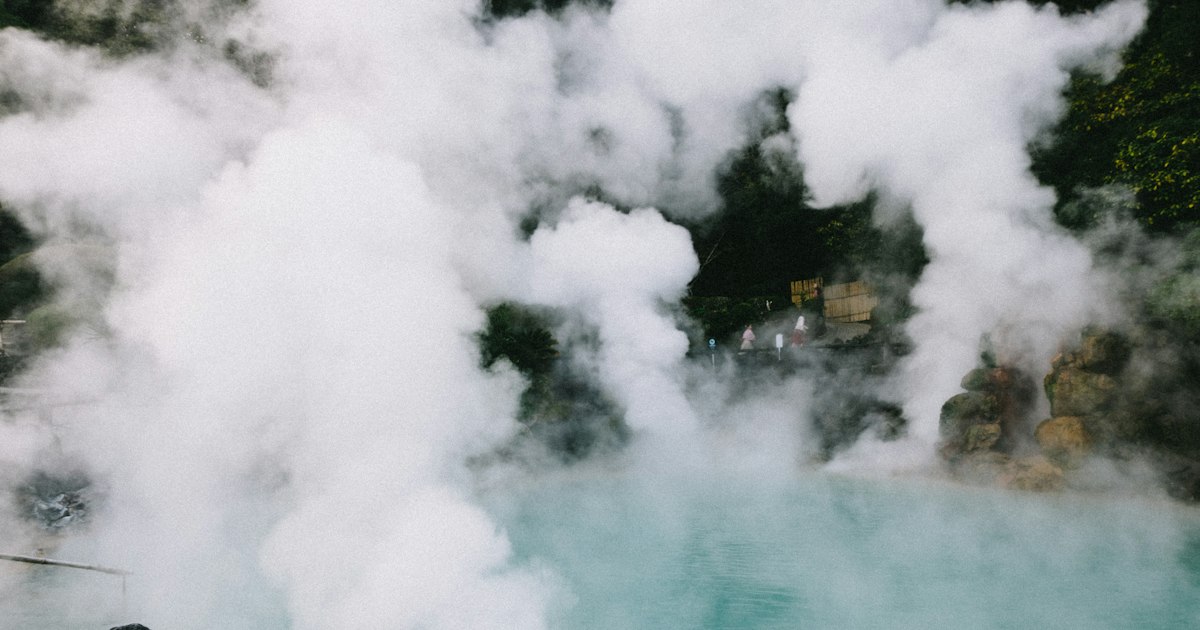
    If you’ve ever checked out of a ryokan in Japan and noticed a mysterious ¥150 line item you don’t remember ordering, you’ve met the nyuyokuzei (入湯税), Japan’s local onsen bathing tax. It’s tiny, it’s legal, and almost nobody explains it to foreign visitors before they see it on the bill. Here’s exactly what it is, how much to budget for it, and how to avoid the confusion that trips up first-time onsen guests.

    What Exactly Is the Nyuyokuzei?

    Nyuyokuzei literally means “bathing entry tax.” It’s a municipal tax authorized under Japan’s Local Tax Act, charged by cities, towns, and villages that have designated hot spring (onsen) facilities within their borders. Unlike national consumption tax, this money stays local — it’s what’s called a “purpose tax” (mokutekizei), meaning the municipality is required to spend it on specific things related to the hot spring itself, rather than folding it into the general budget.

    It only applies to genuine onsen — water that meets the mineral content or temperature standards defined under Japan’s Hot Springs Act. A standard municipal sento (public bathhouse) using heated tap water generally isn’t subject to it, though a sento that pipes in real hot spring water usually is.

    How Much Will You Actually Pay

    The long-standing national reference amount is ¥150 per person, per night, which is what most onsen towns actually charge — you’ll see it at well-known destinations like Hakone, Kusatsu, Atami, and Yunoyama. Some municipalities charge less for day-trip bathing (higaeri onsen) than for overnight stays, often ¥50–100 for a single soak versus the full ¥150 for an overnight guest. A few towns scale the rate by type of lodging, charging large hotels with their own fire brigade obligations slightly more per guest than small family-run inns.

    The important thing to know: it’s charged per person, per night, not per bath. If you stay two nights at a ryokan in a town with the ¥150 rate, expect ¥300 added to your total bill, not ¥150 regardless of length of stay. For a family of four staying one night, that’s roughly ¥600 on top of the room rate — not enough to change a budget, but enough to notice if you’re counting exact cash for checkout.

    How and When It’s Collected

    Ryokan and hotels are the ones legally required to collect it and pass it on to the municipality, so in practice you’ll almost never pay it directly to a government office. Most properties simply add it as a separate line item on your final bill, labeled 入湯税 (nyuyokuzei) in Japanese, sometimes written in English as “bathing tax” or “onsen tax.” It’s usually settled at checkout alongside your room charge, and most places accept it by card along with everything else — though smaller family-run inns in rural onsen towns may still prefer cash, so keep a bit of small change on hand just in case.

    Large day-use bathing facilities and “super sento” onsen theme parks that use genuine hot spring water often build the tax into their posted admission price rather than itemizing it, so you may never see the charge broken out at all — it’s simply baked into the ¥800–¥1,500 entry fee typical of these facilities.

    Who Is Exempt

    Exemptions vary by municipality, but a few patterns are common across most onsen towns. Young children — typically defined as those not yet in elementary school, so around age 6 and under — are usually exempt entirely. Elementary school-age children are often charged a reduced rate or exempted as well, though the cutoff age differs town to town. Some municipalities also exempt day-trip bathers if the bathing fee itself falls under a low threshold (often around ¥300–500), on the logic that a quick, cheap soak shouldn’t carry the same levy as a full overnight stay. None of this is standardized nationally, so if you’re traveling with kids, it’s worth asking your ryokan directly rather than assuming.

    Where the Money Goes

    Because it’s a purpose tax, municipalities can’t spend nyuyokuzei revenue on just anything — it’s earmarked for things that keep the onsen town functioning as an onsen town. That typically includes maintaining public foot baths (ashiyu) and bathing facilities, environmental monitoring and protection of the hot spring source itself (natural onsen sources can and do deplete or shift if overused), sewage and wastewater treatment for mineral-heavy bath water, and — somewhat surprisingly — local fire service funding, since many classic onsen towns are dense with older wooden ryokan buildings that carry real fire risk. If you’ve enjoyed a free public foot bath in a hot spring town like the ones around Nasu Highland, that facility was very likely funded in part by this tax.

    Common Mistakes and Confusions

    The most frequent mix-up is confusing nyuyokuzei with the separate “accommodation tax” (shukuhakuzei) that cities like Tokyo, Osaka, Kyoto, and Kanazawa now charge on hotel stays generally, onsen or not. Accommodation tax is based on your room rate per night (for example, Tokyo’s tiers run roughly ¥100–¥200 depending on price, Kyoto’s up to ¥1,000 for higher-end stays) and has nothing to do with hot springs. If you’re staying at a city hotel in one of these cities and it also happens to have an onsen bath, you could legitimately see both taxes on the same bill — it’s not a duplicate charge or an error.

    The second common mistake is assuming the tax applies only to traditional ryokan. It applies equally to business hotels with an onsen bathing floor, to campgrounds and glamping sites with a hot spring tap, and to day-use facilities — so don’t be surprised to see it attached to a modern hotel stay far from anything that looks like a classic hot spring resort.

    Practical Tips for Planning Your Onsen Trip

    Budget an extra ¥150–300 per adult per night when pricing out an onsen stay — it’s small enough that it rarely changes a decision, but it explains why your final receipt doesn’t quite match the room rate you booked online. If you’re visiting a riverside or rural destination like Takaragawa Onsen in Gunma, ask at check-in whether the tax is itemized or already included in your quoted rate, since remote ryokan sometimes fold it into an all-inclusive per-person price rather than listing it separately. And if the main appeal of your trip is the soak-and-relax experience rather than the scenery, pair your onsen stay with a proper shiatsu or amma massage booking — many onsen ryokan offer this on-site, and it’s a nice way to round out a trip where you’ve already budgeted for the bathing tax anyway.

    In the end, nyuyokuzei is one of the more harmless small fees you’ll encounter in Japan — far smaller than tipping culture or service charges elsewhere, clearly itemized when it does appear, and reinvested directly into the town you’re visiting. Knowing it’s coming just means one less surprise on your final bill.

  • Tokoname Ware: Aichi’s Historic Clay Teapot Town and Where to Buy a Kyusu

    Tucked between Nagoya and Chubu Centrair International Airport, Tokoname doesn’t look like much from the train window — low rooftops, a few smokestacks, the sea in the distance. But this small city in Aichi Prefecture has been firing clay almost continuously since the late Heian period, roughly 900 years, making it one of Japan’s “Six Ancient Kilns” (Nihon Rokkoyaku) alongside Seto, Shigaraki, Tamba, Bizen, and Echizen. It’s also the undisputed home of the kyusu, the small side-handled teapot that defines how Japanese green tea is actually brewed. If you want one that’s real rather than a souvenir-shop copy, this is where to buy it.

    Why Tokoname Clay Is Different

    Most Tokoname kyusu are made from shudei (朱泥), a reddish-brown clay dug locally that’s naturally high in iron oxide. Fired unglazed, it comes out a deep vermillion-to-chocolate color, and the iron content is said to react with tannins in the tea, rounding off bitterness and astringency — particularly noticeable with sencha. This is the practical reason tea drinkers reach for Tokoname ware over porcelain: it’s not just aesthetic, it changes the cup. The clay is also fine-grained enough to be thrown thin and finished without glaze, so the pots feel light and warm rather than heavy and cold like stoneware.

    Because the ware is unglazed, each pot is porous and will slowly absorb the character of whatever tea you brew in it. Serious tea drinkers keep one kyusu dedicated to a single tea type (sencha, hojicha, etc.) rather than switching — something worth knowing before you buy just one “do everything” pot.

    Getting to Tokoname

    Tokoname is genuinely easy to reach. From Nagoya Station, take the Meitetsu Tokoname Line (limited express or express) to Tokoname Station — about 30–40 minutes, roughly ¥700–900 depending on train type. If you’re flying in or out of Chubu Centrair Airport, even better: Tokoname Station is just one stop and about 5 minutes away, for under ¥300. That makes Tokoname a natural stopover on your way to or from the airport rather than a dedicated day trip, which is how most visitors end up fitting it in.

    Driving is also workable — there’s coin parking near the pottery footpath and around Tokoname Station, though spaces are limited on weekends. If you’re not used to Japan’s pay-by-the-hour coin parking system, it’s worth reading up on how it works before you go; see our guide to parking in Japan for how the lots and apps function.

    Walking the Pottery Footpath

    The main reason to visit in person, not just order online, is the Tokoname Pottery Footpath (やきもの散歩道), a roughly 1.6km self-guided walking course through the old kiln district. Highlights include:

    • Dokanzaka — a sloped alley literally paved and walled with old ceramic clay pipes and shochu bottles, stacked there decades ago when they were cheap building material.
    • The preserved climbing kiln (noborigama) — a ten-chamber brick kiln with eight chimneys dating to the Meiji era, designated an important tangible cultural property. It stopped firing decades ago but still stands exactly as it was.
    • Tokonyan — a 3.8-meter-wide ceramic maneki-neko (beckoning cat) face set into a hillside wall, one of the most photographed spots in town, part of a longer “Maneki Neko Street” lined with dozens of smaller cat statues made by local potters.
    • INAX Live Museum — a ceramics and tile museum (open roughly 10:00–17:00, closed Mondays, admission around ¥700 for adults) with kiln exhibits and hands-on tile-making workshops. Worth an hour if you want context before buying.

    Budget half a day for the walk at a relaxed pace, including stops in shops along the way — the path is dotted with small kilns and retail storefronts, many of them family-run workshops that also sell direct.

    Where to Actually Buy a Kyusu

    Shops along the footpath and around Tokoname Station sell everything from mass-produced tourist pieces to museum-grade artisan work. Roughly:

    • Budget (¥2,500–5,000): Simple shudei kyusu, often unsigned or stamped with a workshop (not individual) mark. Fine for daily use, perfectly authentic, just not a named artist’s work.
    • Mid-range (¥8,000–20,000): Pieces from a named kiln or individual potter, usually with a maker’s seal (mei) stamped into the base. This is the sweet spot for most visitors — real craftsmanship, still reasonable to carry home.
    • Splurge (¥30,000–100,000+): Work by recognized master potters, sometimes with competition awards or gallery representation. These are sold more as functional art than everyday tableware, and some shops will only have one or two examples on display.

    Prices are generally not negotiable, but shop staff are usually happy to explain the clay type, firing method, and strainer construction if you ask — most speak at least some English or have laminated English explanation cards for tourists, since this is a well-established stop for foreign buyers.

    Common Mistakes to Avoid

    A few things trip up first-time buyers specifically:

    • Buying one that’s too big. Traditional Japanese tea culture uses small kyusu — often 150–250ml — because sencha and gyokuro are brewed concentrated in small amounts and refilled often, unlike a Western-style teapot meant to steep a large pot at once. A huge kyusu will actually make it harder to brew tea properly.
    • Ignoring the strainer type. Better kyusu use a built-in ceramic mesh strainer (seimei-ami or similar fine ceramic lattice molded into the spout opening), which doesn’t rust or impart metallic taste. Cheaper pieces sometimes use a removable stainless mesh insert — not bad, just different, and worth knowing which you’re buying.
    • Skipping the pour test. If the shop allows it, ask to test-pour with water before buying — a good kyusu shouldn’t dribble down the spout or drip when you tilt it back. Reputable shops expect this question.
    • Underestimating fragility in luggage. Unglazed clay chips and cracks more easily than you’d expect. Most shops will wrap pieces well, but pack it in the center of soft clothing in checked luggage, or carry it on if it’s a splurge piece — don’t just drop it in a side pocket.

    Best Time to Visit

    Tokoname works year-round, but spring (April–May) and autumn (October–November) are the most comfortable for walking the footpath — summers get humid and the slopes have little shade, and several shops along the route keep irregular hours or close without much notice on weekdays, so a weekend visit is generally more reliable if you have a specific shop in mind. There’s no major pottery festival overlap to plan around specifically, which makes Tokoname a flexible add-on to a Nagoya or Centrair-based itinerary rather than something you need to time precisely.

    If you’re building out a Japan-sourced kitchen collection beyond tea ware, it’s worth knowing Tokoname isn’t the only small-appliance or kitchenware detour worth making near a major transit point — our guide to home kakigori machines covers another distinctly Japanese kitchen item that’s easy to bring home and genuinely useful once you’re back.

  • Watching a Movie in Japan: TOHO Cinemas, Subtitled Screenings & Discount Days for Tourists

    Watching a Movie in Japan: TOHO Cinemas, Subtitled Screenings & Discount Days for Tourists

    Photo by Rina Kemppainen on Unsplash

    Catching a movie in Japan is one of the easiest ways to kill a rainy afternoon, cool off during a humid summer week, or just see how a different country does the moviegoing ritual. TOHO Cinemas, the country’s largest chain, runs the screens most tourists end up at — including the Godzilla-topped multiplex in Shinjuku’s Kabukicho — and nearly every Hollywood release there comes with Japanese subtitles rather than a dub. Here’s how to find the right screening, pay the right price, and avoid the mistakes that catch first-timers off guard.

    Why TOHO Cinemas Is the Easiest Chain for Tourists to Navigate

    TOHO Cinemas operates dozens of multiplexes across Japan, usually inside shopping malls or entertainment complexes, which means clean restrooms, food courts, and air conditioning are never far away. Compared to smaller independent theaters (mini-shiatā), TOHO’s booking site and in-app seat maps are more consistently laid out, and major locations in Tokyo and Osaka get the widest release slate, including subtitled prints of new Hollywood films day-and-date with — or within a few weeks of — their US release. Other big chains worth knowing are Aeon Cinema and United Cinemas, which follow similar pricing and subtitle conventions, so the advice below largely applies to them too.

    Finding Subtitled Screenings: 字幕 vs 吹替

    This is the single most important thing to understand before you book. Foreign live-action films in Japan are shown almost exclusively with Japanese subtitles (字幕版, jimakuban) — dubbing is rare for anything that isn’t aimed at young children. Foreign animated films, however, are usually offered in both a subtitled version (字幕版) and a Japanese-dubbed version (吹替版, fukikaeban), and theaters list these as separate showtimes. When you pull up showtimes on the TOHO Cinemas website or app, look for “字幕” next to the time slot; “吹替” means the dialogue has been re-recorded in Japanese with no English audio or subtitles at all. If a listing shows no label, it’s a live-action film and is safe to assume it’s subtitled — but double-check for kids’ animation, where the dubbed version often outnumbers subtitled showtimes.

    Japanese Films With English Subtitles (Yes, They Exist)

    If you want to watch a Japanese-language blockbuster rather than a Hollywood import, your options are narrower but real. Flagship Tokyo screens — particularly TOHO Cinemas Hibiya, TOHO Cinemas Roppongi Hills, and TOHO Cinemas Shinjuku — periodically run big domestic hits (major anime films, Studio Ghibli re-releases, popular live-action adaptations) with a dedicated 英語字幕版 (English-subtitled version) showtime, aimed squarely at tourists and resident expats. These showings are limited in number and tend to run for a few weeks after a title’s general release, so they won’t appear for every film or at every branch. The only reliable way to confirm one exists is to search the film’s name plus “英語字幕” on the theater’s site, or check the showtime grid for that exact label — regular showtimes of the same film will not have subtitles.

    Ticket Prices and the Discount Days Worth Planning Around

    Standard adult tickets at TOHO Cinemas run about ¥2,000, with university and college students (ID required) at roughly ¥1,500, and children from toddler age through junior high around ¥1,000. Seniors 60 and over get a discounted rate near ¥1,300. A few discount days make a real dent in the price:

    • TOHO Cinema Day — the 1st of every month, all tickets drop to around ¥1,500 regardless of age.
    • Ladies’ Day — Wednesdays, women pay a discounted rate (around ¥1,300–1,400) at most locations.
    • Late Show / Early Show — the last screening after roughly 8pm and the first screening of the day are both discounted, usually to around ¥1,500.
    • Couple discounts — if you’re traveling with a partner and your combined age is 100 or more, ask about the “husband and wife” discount, which brings two tickets to about ¥2,500 total.

    Premium formats — IMAX, 4DX, Dolby Cinema — add a surcharge of roughly ¥600–1,000 on top of the base ticket, which is worth it for a big action or anime release but unnecessary for most dramas. Popcorn runs about ¥600–700 and a drink around ¥500, both noticeably cheaper than many Western chains.

    Booking Your Seat: App, Website, and Kiosk

    Every TOHO Cinemas screening uses assigned seating, selected at the time of booking — there’s no general-admission scramble for seats like at some older theaters. You can book through the TOHO Cinemas website, the TOHO Cinemas smartphone app, or a touch-screen kiosk in the lobby, all of which let you pick your exact seat from a map before paying by credit card or cash. Arriving even five minutes after showtime risks missing the opening minutes, since Japanese theaters start promptly and don’t tend to run long pre-show trailers. If you’d rather lock in a seat without fumbling through a Japanese-only kiosk screen, book online in advance and just scan your QR code or print voucher at the gate.

    Getting There: Flagship Screens Worth the Trip

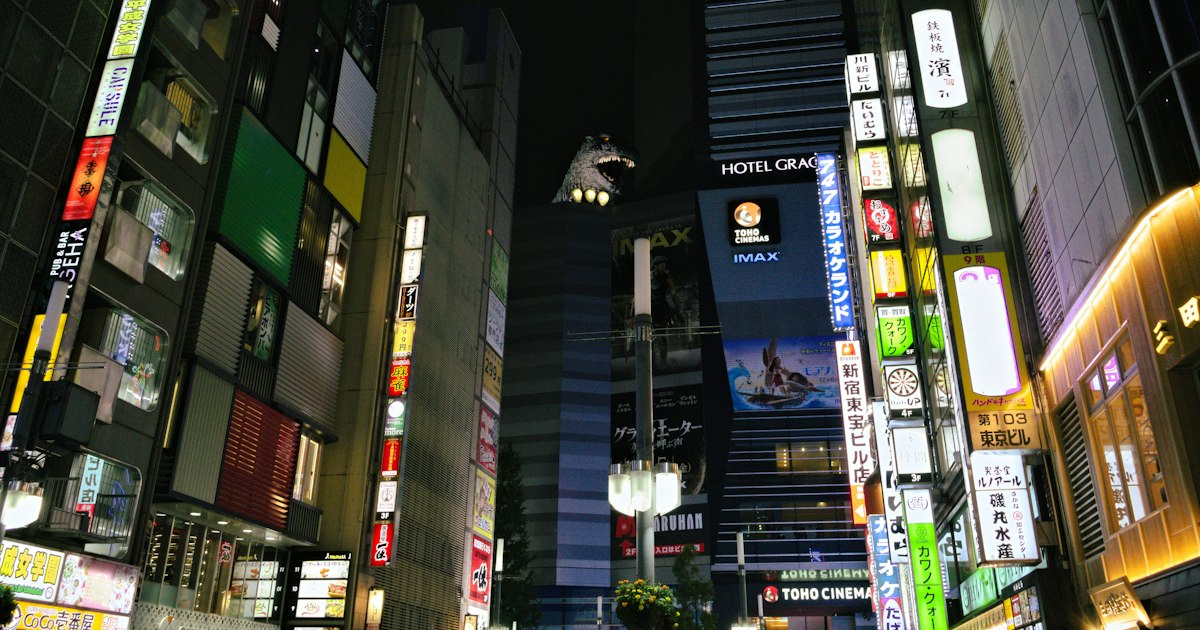
    TOHO Cinemas Shinjuku, inside Shinjuku Toho Building in Kabukicho, is the one with the giant Godzilla head looming over the rooftop terrace — a free photo stop even if you’re not seeing a film, a two-minute walk from Shinjuku Station’s east exit. TOHO Cinemas Roppongi Hills, inside the Roppongi Hills Mori Tower complex, has some of Tokyo’s largest screens and is a five-minute walk from Roppongi Station. Suburban multiplexes attached to shopping malls are often the cheapest and least crowded option, especially on weekday afternoons, but they’re usually built around car access rather than train lines — if you’re driving out to one, it’s worth knowing the rules around coin parking lots and parking apps in Japan before you set off, since mall parking isn’t always free for cinema-only visits.

    Common Mistakes to Avoid

    The most frequent misstep is assuming a popular Japanese anime film will have English subtitles just because it’s playing at a tourist-friendly theater — check for the explicit 英語字幕 label rather than guessing. The second is confusing 字幕 (subtitled) and 吹替 (dubbed) when booking a foreign animated film, which can mean sitting through two hours of Japanese dialogue with no English support at all. Third, don’t show up expecting open seating; if you book a seat at the back and the theater is empty, you can’t simply move to the front — reserved seating is enforced. Finally, remember theaters here expect near-total silence during the film: no talking, and phones should be off rather than just on silent, since even the glow is considered disruptive in a dark room.

    If you’re building out a full day of offbeat Tokyo entertainment around your movie, two solid pairings are a nazotoki escape room beforehand or a night of live puroresu wrestling afterward — both are the kind of distinctly Japanese experiences that make more sense once you’ve figured out how ticketing and reserved seating work at a place like TOHO Cinemas.