Japan Trove

Author: JapanTrove Editorial

  • Otedama: Japan’s Traditional Beanbag Juggling Game and Where to Find a Set

    Otedama: Japan’s Traditional Beanbag Juggling Game and Where to Find a Set

    Photo by Yanhao Fang on Unsplash

    Long before cat cafes and capsule toys, Japanese children were tossing fabric beanbags into the air while singing counting songs — a game called otedama (お手玉). It’s one of those quietly charming traditions that most visitors walk right past, because otedama sets don’t shout for attention in a souvenir shop the way a Hello Kitty keychain does. But track one down and you’ll come home with something genuinely rooted in Japanese craft history, usually for less than the price of a coffee. Here’s what otedama actually is, how to play it, and exactly where to buy a set depending on your budget.

    What Is Otedama, Exactly?

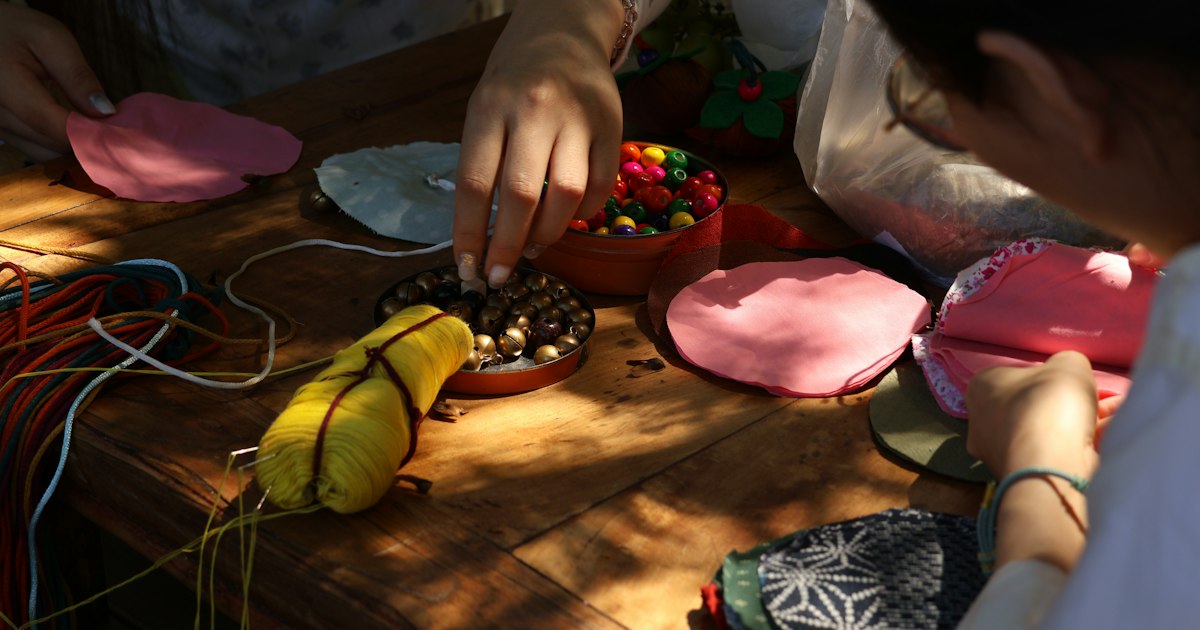
    Otedama are small cloth pouches, usually 4-6cm across, filled with azuki beans, rice, or (in modern versions) plastic pellets, and stitched from cotton or chirimen — the crinkled silk crepe also used in traditional kimono accessories and furoshiki wrapping cloth. The game itself is a juggling and tossing exercise: a player keeps two, three, or more beanbags moving between hand and air in rhythm, often while reciting a children’s song (otedama uta). It dates back centuries, with real popularity during the Edo and Meiji periods, and was a common pastime for girls well into the Showa era before manufactured toys took over.

    It’s easy to confuse otedama with temari, the embroidered thread balls also sold in Japanese craft shops — they’re related in spirit (both are traditional handmade “ball” toys) but temari are decorative, stuffed, and meant to be displayed or bounced gently, while otedama are functional, lightweight, and built to be thrown and caught repeatedly. If a shop clerk shows you something stiff and elaborately embroidered, you’ve found temari, not otedama.

    How the Game Is Actually Played

    The simplest version: hold one beanbag, toss it up, catch it, repeat in rhythm with a song. The classic multi-bag version has a player keep two or three beanbags cycling — toss one, catch another, toss again — similar to basic juggling patterns but played low and close to the body rather than high and wide. A popular format used in schools and at grandparents’ houses pits players against each other to see who can keep bags airborne longest, or who can complete a set routine (tossing behind the back, under the knee, into a sleeve) without dropping one. If you want to try it with kids, start with a single beanbag and a basic up-catch rhythm before introducing a second — most adults drop everything the first few tries, which is half the fun.

    Where to Buy a Set: Budget to Splurge

    Otedama sets are sold at wildly different price points depending on how traditional and handmade you want them.

    Budget (¥110-¥550): Daiso and other 100-yen shops carry simple three-pack otedama sets in the toy or seasonal-games aisle, usually made from printed cotton with plastic bead filling. They’re not elegant, but they’re real otedama and perfect for kids or casual practice. Look in the same section as koma (spinning tops) and hanetsuki paddles.

    Mid-range (¥1,000-¥3,000): Traditional toy and craft shops sell handmade sets using chirimen fabric scraps, often in sets of 3-5 beanbags inside a small drawstring pouch. In Tokyo, the toy shops lining Nakamise-dori in Asakusa (the pedestrian street leading to Sensoji Temple from Asakusa Station, exit 1 on the Tokyo Metro Ginza Line) stock these alongside kendama and other Edo-era toys; most shops are open roughly 9:00am-6:00pm and close on no fixed day, though a few individual stalls take irregular days off. In Kyoto, Nishiki Market and the nearby Teramachi covered arcade (a short walk from Kyoto Shiyakusho-mae Station or Shijo Station) have craft stalls selling similar chirimen-fabric otedama, often bundled with other small textile goods.

    Splurge (¥4,000-¥8,000+): Vintage or craftsman-made sets using genuine antique kimono silk turn up at flea and antique markets — the monthly Oedo Antique Market at Tokyo International Forum (near Yurakucho/Tokyo Station) is a reliable hunting ground for older, hand-stitched otedama sold individually or in small lots by collectors; check the current month’s schedule before going, since it runs on selected Sundays rather than every week. These older pieces are worth seeking out specifically for the fabric — many were cut from obi or kimono remnants decades ago and carry patterns you won’t find reproduced today.

    Secondhand Kimono Shops Are an Underrated Source

    Because otedama are traditionally sewn from leftover kimono fabric, secondhand kimono shops are one of the best places to find both finished sets and raw material. Recycle-kimono chains occasionally stock handmade otedama as small accessory items near the register, and even when they don’t, the fabric scrap bins are a goldmine if you or someone you know sews. For a fuller rundown of where these shops are and how to navigate them, see our guide to used kimono shops beyond the flea market — Tansu-ya locations in particular are worth a look if you’re building a beanbag set from real antique silk rather than buying one ready-made.

    Best Time to Buy and Common Mistakes

    Otedama sets are sold year-round, but New Year (Oshogatsu, roughly January 1-3) is the traditional high season — shrine fairs and New Year markets, including the stalls around Sensoji in Asakusa, sell otedama alongside hanetsuki and koma specifically because these are classic New Year games for children. If you want the fullest selection and the most festive atmosphere, time a visit around then.

    • Mistake 1 — buying temari thinking it’s otedama. Check that the item is a soft, flat beanbag you can toss and catch, not a round, firmly embroidered ball meant for display.
    • Mistake 2 — assuming every toy shop stocks them. Modern toy stores skew heavily toward anime and character merchandise; you’ll have better luck at shops specifically selling traditional or Edo-period toys, craft markets, or antique fairs than at a general toy retailer.
    • Mistake 3 — overpaying for “handmade” sets with no provenance. Some tourist-area shops mark up basic machine-sewn sets as artisan work. If the fabric looks printed rather than pieced from genuine kimono remnants, it’s likely a mid-range mass-made item — fine to buy, just don’t pay splurge prices for it.
    • Mistake 4 — packing bean-filled sets without checking customs rules. Older or handmade otedama sometimes use real dried azuki beans as filling. This is rarely an issue for most countries in small quantities, but if you’re traveling onward to a country with strict agricultural import rules, ask the shop whether the set uses beans or synthetic pellets before buying.

    Bringing It Home

    A set of otedama packs flat, weighs almost nothing, and makes a genuinely distinctive gift — it’s a toy with centuries of history behind it rather than a mass-produced souvenir, and it photographs beautifully if you’ve picked up pieces with old kimono patterns. If you’re already building a small collection of Japanese folk crafts or toys during your trip, it pairs naturally with other collectible-hunting detours — our guides to randoseru charm collecting and hunting tokusatsu merch cover two very different but equally rewarding corners of Japan’s collectible culture, from mini backpack charms to classic hero-show figures. Whichever direction you go, otedama is one of the cheapest, lightest, and most genuinely traditional finds you can bring home from a Japan trip.
  • Japanese Acne Patches and Spot Treatments: Drugstore Picks Worth Buying

    Japanese Acne Patches and Spot Treatments: Drugstore Picks Worth Buying

    Photo by Nathan Cima on Unsplash

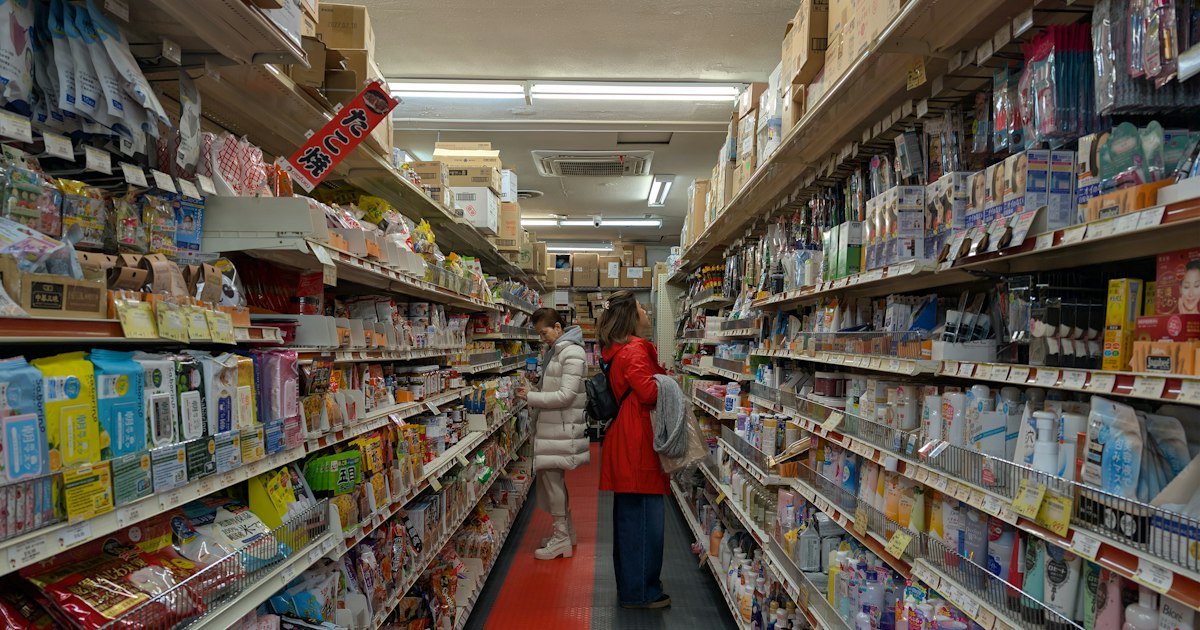
    If you’ve scrolled past “glass skin” videos praising Japanese spot treatments, there’s a reason the hype sticks: Japan’s drugstores stock some of the most effective, inexpensive acne care on the planet, and most of it never gets exported. A single trip to a Matsumoto Kiyoshi or Sundrug can replace half your skincare cabinet for under 3,000 yen. Here’s what’s actually worth buying, where to find it, and the mistakes that trip up first-time shoppers.

    What Makes Japanese Spot Treatments Different

    Japanese OTC skincare is regulated more conservatively than in the US or Korea, so active ingredients tend to be dosed gently — think lower-percentage salicylic acid and isopropylmethylphenol rather than aggressive benzoyl peroxide. The upside is less redness and peeling; the trade-off is that a Japanese spot treatment usually calms and shrinks a pimple over two or three days rather than nuking it overnight. Patches, meanwhile, lean on thin hydrocolloid or silicone discs designed to sit invisibly under makeup and survive humid summer air without curling at the edges — a real engineering problem in a country where August humidity regularly tops 70%.

    Packaging is almost entirely in Japanese, so it helps to recognize a few words on the shelf: ニキビ (nikibi) means acne or pimple, 薬用 (yakuyō) means medicated, and パッチ (patchi) is just “patch.” Products labeled 医薬品 (iyakuhin) are regulated drugs with active ingredients; 医薬部外品 (iyakubugaihin) is the “quasi-drug” category most patches and spot gels fall into.

    The Drugstore Picks Worth Buying

    Budget (under 1,000 yen): Nexcare Acne Patches by 3M are the default recommendation — a box of 36 thin hydrocolloid dots runs roughly 700–900 yen and works by drawing out fluid from an already-popped or close-to-surface blemish overnight. They’re genuinely invisible under a sheet mask or foundation, which is why they’ve become a staple photo-op product for visitors.

    Mid-range (1,000–1,800 yen): Rohto’s Melano CC Pimple Care Essence pairs vitamin C derivative with tranexamic acid to fade the red or brown mark a blemish leaves behind — it’s less about the active pimple and more about the aftermath, which Japanese skincare treats as a separate problem worth its own product. Lion’s PAIR Acne Medicated Cream W is the classic spot cream for an angry, not-yet-surfaced pimple; it contains isopropylmethylphenol and glycyrrhetinic acid to calm inflammation, and a small tube lasts months since you only need a pinhead amount per spot.

    Splurge (2,000–3,500 yen): Look for Hada Labo or Obagi’s concentrated spot serums, sold in small dropper bottles with a higher concentration of actives and a noticeably more “clinical” price tag. These are the ones worth grabbing if you have persistent, recurring breakouts rather than the occasional spot — and they make a genuinely useful souvenir for a skincare-obsessed friend back home.

    Where to Buy Them

    You don’t need to hunt — every major drugstore chain stocks all three tiers side by side. Matsumoto Kiyoshi (“matsukiyo”), Sundrug, Daikoku Drug, Tomod’s, Cocokara Fine, and Welcia are the big names, and you’ll find dense clusters of them around Shinjuku, Shibuya, Harajuku, and Dotonbori. Typical hours run 10am–9pm or later in city centers; some locations near major stations stay open past 10pm, and a handful of Don Quijote branches in Shibuya and Shinjuku run 24 hours, which is handy if a breakout strikes at midnight before a big day of sightseeing. If you’re navigating a Shinjuku branch, the station itself is notoriously disorienting — our Shinjuku Station wayfinding guide is worth a look before you head out. In Osaka, the drugstores lining Shinsaibashi and Dotonbori sit a short walk from Amerikamura, so it’s easy to combine a skincare run with an afternoon of vintage shopping.

    Duty-free counters inside these chains (look for a “Tax-Free” sign) will knock off the 10% consumption tax on purchases over 5,000 yen, but you’ll need your passport, and sealed cosmetics/medicines get bagged as “consumables” — don’t open them until you’ve left Japan, or the tax exemption can be voided at departure.

    Best Season and Timing to Shop

    Breakouts in Japan track the weather more than most visitors expect. Humidity spikes from June through September bring on more congestion and oil, which is exactly when patches and lightweight gels outsell heavier creams. In winter, drugstores shift shelf space toward thicker, more occlusive spot creams since dry heated air can aggravate healing blemishes — it’s the same seasonal swing that drives demand for other drugstore staples like the disposable kairo hand warmers you’ll see stacked near the registers from October onward. If you’re buying for a long trip, grab patches in summer and a cream or essence in winter rather than assuming one product covers both climates.

    Common Mistakes Foreign Buyers Make

    • Expecting benzoyl-peroxide strength. If you’re used to 5–10% BP spot treatments from home, Japanese actives will feel mild by comparison — that’s intentional, not a weaker formula.
    • Applying patches to oily or sweaty skin. Hydrocolloid needs a clean, dry surface to stick; in humid months, pat the spot dry and wait a minute before applying or it’ll peel off by lunchtime.
    • Buying fragranced versions by accident. Some product lines sell both a 無香料 (mukōryō, unscented) and a scented variant on the same shelf — scan the label if sensitivity is a concern.
    • Overbuying regulated drugs. A few spot treatments are classed as regulated OTC drugs rather than quasi-drugs, which occasionally means limited stock per customer or a staff member needing to be present at checkout — don’t be surprised if a clerk asks a quick question before ringing you up.

    Bringing Them Home

    Quantities for personal use are rarely an issue, but if you’re stocking up heavily, keep purchases within what looks like a reasonable multi-month supply for one person — customs in your home country is more likely to flag an unlabeled bulk shipment than a shopping bag of drugstore skincare. Keep the original boxes if you can; the printed ingredient list is useful if a pharmacy back home asks what’s in something, since most of these products have no English packaging at all.

  • Nagoro: Inside Tokushima’s Scarecrow Village Where Dolls Outnumber Residents

    Nagoro: Inside Tokushima’s Scarecrow Village Where Dolls Outnumber Residents

    Photo by Siraj Shahjahan on Unsplash

    Deep in Tokushima’s Iya Valley, a hamlet called Nagoro has become one of Japan’s strangest and most photographed destinations — not for a temple, a festival, or a view, but for hundreds of life-sized scarecrow dolls standing in for the neighbors who moved away or passed on. Locals and foreign media alike call it the “Scarecrow Village” or Kakashi no Sato. If you’re planning a detour from the famous Iya vine bridges, here’s what you actually need to know before you drive out there.

    What Is Nagoro, and Why Do Dolls Outnumber People?

    Nagoro is a small settlement in Higashi-Iya, part of Miyoshi City in western Tokushima Prefecture. Like much of rural Shikoku, it has been steadily depopulated for decades as younger generations moved to cities for work. Around 2002, a resident named Tsukimi Ayano, who had returned to care for her aging father, began making life-sized cloth-and-straw dolls modeled on people who used to live there — neighbors, relatives, and former classmates, many now deceased or relocated.

    What started as a few figures in a garden grew into hundreds of dolls posed throughout the valley: farmers working in fields, children waiting at a bus stop, fishermen by the river, shopkeepers behind counters. Estimates commonly put the doll population at around 350, compared with fewer than 30 actual human residents — roughly a ten-to-one ratio that’s the whole reason the village draws visitors from overseas at all. It’s an unusual, slightly melancholy place rather than a theme park, and that tone is worth going in prepared for.

    Getting to Nagoro: The Journey Is Part of the Experience

    There is no train station in Nagoro, and this is genuinely remote, mountainous terrain — plan for a half-day commitment just to get in and out. The most realistic route for most visitors:

    • By train + rental car: Take the JR Dosan Line to Oboke Station (reachable via limited express from Okayama or Takamatsu), then rent a car or arrange a taxi for the roughly 40–50 minute drive into Higashi-Iya. The road narrows considerably as you climb, with hairpin turns and limited passing room — this is not a route for a first-time nervous mountain driver.
    • By car from Tokushima City: Figure on about 2–2.5 hours each way via mountain roads.
    • By local bus: Miyoshi City runs community bus services into the Iya area, but schedules are infrequent (sometimes just a couple of runs a day) and change seasonally. Confirm current timetables with the Miyoshi Tourist Information office before relying on one.

    A rental car is by far the least stressful option, and it also lets you combine Nagoro with the Iya Valley’s other main draw, the Kazurabashi vine bridges, which are about 30–40 minutes away. If your mountain roads get muddy — common after rain on these unpaved shoulders — a coin-operated car wash near Oboke or Awa-Ikeda before you return the rental can save you a cleaning surcharge.

    The Nagoro Doll School

    The emotional centerpiece of a visit is the former Nagoro Elementary School, which closed in 2012 after enrollment dropped to almost nothing. Ayano and local volunteers repopulated its classrooms with dolls seated at desks, standing at chalkboards, and lined up as a faculty — a direct, poignant stand-in for the last generation of students who graduated before the school shut its doors. The building and grounds are generally accessible to visitors during daylight hours, and there’s typically a donation box rather than a fixed admission fee — bring some coins. Treat it like you would a small shrine: look, photograph respectfully, and don’t rearrange or touch the dolls, some of which are fragile and all of which represent real people’s memories.

    Best Time to Visit and How Long to Stay

    Most visitors spend 45 minutes to 1.5 hours walking the main road through the hamlet, since the dolls are scattered along a short stretch of the valley rather than concentrated in one park. Spring and autumn are the most comfortable seasons for the drive and the walk — autumn foliage (mid-to-late November) adds a nice backdrop, similar timing to when you’d see displays for Kiku no Sekku chrysanthemum season elsewhere in Japan, though Nagoro itself has no connection to that festival. Avoid winter unless you’re confident driving snow routes: Iya Valley roads can ice over, and some sections see occasional closures. Summer is fine but humid; go earlier in the day to avoid both heat and afternoon mountain fog that can reduce visibility on the drive.

    Where to Eat, Stay, and Soak Nearby

    Nagoro itself has essentially no shops or restaurants — this is a residential hamlet, not a tourist facility, so bring water and snacks. Budget travelers typically base themselves in Oboke or Awa-Ikeda, where guesthouses and business hotels run roughly ¥6,000–9,000 a night. Mid-range travelers can look at the ryokan and hot-spring inns scattered through the Iya Valley itself, several of which overlook the gorge. If you want to soak after a day of mountain driving without sharing a bath with strangers, it’s worth booking a private onsen room (kashikiri buro) in advance, since many of the smaller Iya inns have just one or two private bath slots per evening. Note that many onsen facilities in Tokushima and neighboring prefectures now add a small local bathing fee on top of the entry price — see our guide to Japan’s onsen bathing tax (nyuyokuzei) so the extra few hundred yen on your bill doesn’t catch you off guard.

    Common Mistakes First-Time Visitors Make

    • Underestimating the drive time. Google Maps distances look short on paper but mountain switchbacks mean you should budget 25–50% more time than the estimate suggests.
    • Treating it as a quick photo-op detour. Because there’s no single “entrance,” some visitors drive through without realizing dolls are spread along a longer stretch of road and miss the school entirely.
    • No cash on hand. There are no convenience stores in Nagoro itself, and the school’s donation box and any small roadside honesty-stalls expect coins, not cards.
    • No restroom plan. Facilities are sparse in this stretch of the valley. Use the restroom at Oboke Station or a convenience store in Awa-Ikeda before you head up — our guide to finding a public restroom in Japan covers apps that can help if you’re caught out elsewhere on the trip.
    • Visiting right at dusk. The dolls are genuinely effective at distance in low light, and some visitors find the atmosphere less charming and more unsettling after sunset. If you’re sensitive to that, aim for midday.

    Practical Tips & Etiquette

    Nagoro is still someone’s home, not a museum exhibit — the remaining residents live alongside the dolls year-round. Keep voices down, stay on the road and designated paths rather than wandering into private yards or fields, and ask before photographing any dolls placed very close to an occupied house. If you’re combining this with other Shikoku stops, Tokushima City makes a reasonable overnight base with better food options than the valley itself, and it connects easily back to Takamatsu or Okayama if you’re continuing your Japan itinerary by rail.

  • Botan Ebi: Hokkaido and Toyama’s Sweet Shrimp Sashimi and Where to Eat It

    Botan Ebi: Hokkaido and Toyama’s Sweet Shrimp Sashimi and Where to Eat It

    Photo by KJ Gonzales on Unsplash

    If you’ve only ever had the small pink “sweet shrimp” (amaebi) draped over a nigiri in a Japanese restaurant abroad, botan ebi will reset your expectations. It’s bigger, deeper orange, and has a soft, almost custardy sweetness that makes most visitors assume it’s been doctored with sugar — it hasn’t. Botan ebi (牡丹海老, literally “peony shrimp,” named for the flower-petal pattern of its shell) is a deep-sea prawn pulled from cold trawling grounds off Toyama Bay and Hokkaido, and it’s one of the better reasons to plan a detour to either region. Here’s what it actually is, when to eat it, and where to go without overpaying.

    Botan Ebi vs. Amaebi: What’s the Difference?

    Menus in Japan often use “amaebi” (甘えび, sweet shrimp) as a catch-all, which causes confusion. True amaebi (Pandalus eous) is smaller, pale pink, and farmed/caught more widely, including frozen imports from Russia and Canada that show up on conveyor-belt sushi year-round. Botan ebi (Pandalus nipponensis) is a distinct, larger species — adults can reach 15-20 cm — with a richer, almost briny-sweet flavor and a texture that genuinely melts rather than just being soft. It’s caught by deep trawling at depths of 200-500 meters, mainly off Toyama Prefecture and in Hokkaido’s coastal waters (Rumoi, Nemuro, and the Okhotsk side), which keeps supply limited and prices higher than standard amaebi.

    A simple tell on a menu or at a market stall: if it’s labeled specifically “botan ebi” and priced noticeably higher per piece than the house amaebi, it’s the real thing. If everything on the tank or tray is just “amaebi,” ask before assuming you’re getting the premium version.

    Best Season and Timing

    Toyama Prefecture enforces a closed fishing season for botan ebi roughly from December through March to protect spawning stock, so the fishery reopens around April 1 and runs through November. That makes spring through autumn the reliable window for fresh, local catch in Toyama — winter menus will mostly be frozen or sourced from Hokkaido instead. Hokkaido’s botan ebi fishery isn’t on the same strict calendar and lands catch across more of the year, though quality and volume are generally best from late spring into early autumn when the water is colder and the shrimp are heavier with roe. If you’re visiting in deep winter, don’t rule it out — just ask whether what’s on offer is fresh or frozen, since both regions will serve frozen stock honestly if you ask.

    Where to Eat It in Toyama

    Toyama is the pilgrimage destination for botan ebi obsessives, and it’s an easy add-on to a Hokuriku Shinkansen itinerary — Tokyo to Toyama Station takes about 2 hours 10 minutes on the Kagayaki and costs roughly ¥12,000-13,000 one way.

    • Budget: Local kaiten-zushi (conveyor belt) chains native to Toyama, such as Sushi Kuine (すし食いねぇ!), run plates of botan ebi nigiri for around ¥300-500 per piece — pricier than their standard amaebi plates, but still far cheaper than a sit-down sushi counter, and the quality bar in Toyama is unusually high for a chain.
    • Mid-range: Fish markets with attached eateries, like Himi Kaisen Issa or the port market in Shinminato (reachable from Toyama Station via the Toyama Light Rail), sell botan ebi kaisendon (seafood rice bowls) for about ¥2,000-3,500, often with the shrimp served alongside Toyama’s other two local treasures, shiroebi (white shrimp) and buri (yellowtail).
    • Splurge: A proper sushi-ya counter in Toyama City will work botan ebi into an omakase course priced from roughly ¥10,000-20,000, serving the body as sashimi or nigiri and sometimes deep-frying the head and shell separately as a crisp, salty garnish — ask for this if it isn’t offered, since it’s a shame to waste it.

    Where to Eat It in Hokkaido

    Hokkaido spreads botan ebi across several morning markets, which makes it one of the easiest premium seafoods to try without a reservation.

    • Sapporo’s Nijo Market and the nearby stalls sell botan ebi sashimi sets and donburi bowls from about ¥1,500-3,000, and several counters will let you build a custom kaisendon and add botan ebi à la carte by weight or piece.
    • Hakodate’s morning market (Hakodate Asaichi) has multiple “catch your own” squid stalls alongside straightforward sashimi vendors; botan ebi plates run roughly ¥1,000-2,500 depending on size and season.
    • Kushiro’s Washo Market, home of the build-your-own “katte-don” bowls, is a good spot to pair botan ebi with uni or salmon roe for a custom bowl in the ¥2,500-4,000 range.

    If you’re building a Hokkaido trip around seafood like this, it’s worth pairing a seafood-heavy evening with a slower, quieter night afterward — a private onsen room (kashikiri buro) is an easy way to book a soak without sharing a bath after a long day of market-hopping.

    How to Order It (and Avoid Overpaying)

    At markets where seafood is priced by weight or by the piece rather than on a fixed menu, ask the price before the vendor starts preparing your order — “ikura desuka?” (いくらですか, “how much?”) said while pointing works fine, and most stall owners dealing with tourists are used to this. Prices can swing quickly based on size, and a particularly large specimen may cost two or three times a standard one. At sushi counters, botan ebi is almost always priced per piece on a separate, higher tier than regular amaebi, so if you’re watching a budget, ask the price of a single piece before it’s included in an omakase course.

    The most common visitor mistake is skipping the head. Many stalls and restaurants will deep-fry the shrimp head and shell into a crunchy, salty snack (sometimes offered free, sometimes for a small extra charge) — it’s a different experience entirely from the raw body and worth asking for even if it’s not listed. The second common mistake is assuming every “sweet shrimp” on a menu is botan ebi; if the price looks like standard amaebi, it probably is.

    Pairing It With the Rest of the Meal

    Botan ebi’s richness holds up well against a simple cup of chilled sake rather than anything sweet or heavily flavored — most market restaurants and sushi counters in both regions offer a local junmai by the glass for ¥500-800. If you’re rounding out a seafood-focused meal with something lighter, Toyama and Hokkaido counters often also serve agedashi dofu as a simple, non-seafood side that won’t compete with the shrimp’s flavor. And if regional specialty food is becoming a theme of your trip, it’s worth comparing botan ebi’s deep-sea sweetness against something entirely different, like Nagasaki’s soy-braised kakuni pork belly — a useful reminder of how differently “comfort food” is defined from one end of Japan to the other.

    Whether you reach it via a short Shinkansen hop to Toyama or build it into a longer Hokkaido itinerary, botan ebi is one of the few dishes in Japan where the premium price is genuinely tied to geography and season rather than marketing — which is exactly why it’s worth timing your visit around.

  • Kairo: Japan’s Disposable Body and Pocket Warmers and Where to Stock Up for Winter

    Kairo: Japan’s Disposable Body and Pocket Warmers and Where to Stock Up for Winter

    Photo by Plainery n. on Unsplash

    If you’re visiting Japan between November and March, you’ll see locals quietly slipping small white packets into their coats, pockets, and shoes. Those are kairo (カイロ) — Japan’s ubiquitous disposable heat packs — and they’re one of the cheapest, most effective ways to survive a cold day of sightseeing. They’re sold everywhere, cost next to nothing, and most travelers don’t discover them until halfway through their trip. Here’s how to use them properly and where to buy them in bulk before you need them.

    What Kairo Actually Are

    A kairo is a sealed, non-woven pouch containing iron powder, water, salt, and activated charcoal. Once you tear open the outer plastic wrapper, the contents react with oxygen in the air and start generating heat — no shaking, batteries, or microwaving required. A standard pack reaches around 50-65°C within 10-20 minutes and stays warm for 10-24 hours depending on the brand and size. They’re single-use: once the reaction runs out, you throw the pack away as burnable trash (moeru gomi).

    There are two main categories sold in Japan:

    • Haru-kairo (貼るカイロ, “stick-on”) — has an adhesive backing so you stick it directly to the inside of clothing, not skin. Common placement spots are the lower back, between the shoulder blades, and the abdomen.
    • Haranai-kairo (貼らない, “non-stick”) — the classic loose pocket warmer you hold in your hand or drop into a coat pocket, mitten, or shoe.

    Within those, you’ll find regular size (roughly 9.5 x 13cm, good for 12-18 hours), mini size for gloves and shoes, and extra-large “regular plus” packs that run 20+ hours, often marketed for outdoor work or stadium events.

    Prices and What to Expect to Pay

    Kairo are genuinely cheap, which is part of why they’re worth stocking up on rather than rationing:

    • Budget: Convenience store singles run about ¥100-150 for one pack.
    • Mid-range: Drugstores and supermarkets sell boxes of 10-30 for ¥300-800, which works out to roughly ¥25-40 per pack — by far the better value if you’re staying more than a couple of days.
    • Splurge: Premium brands like Pigeon’s “Megumi” (marketed as gentler on sensitive skin) or extra-long-duration 24-hour packs cost a bit more, around ¥500-900 for a box of 10. Toe-warmer versions with a sticky sole-shaped backing are also pricier per unit but worth it if you’ll be standing outside for hours, say waiting in line at a shrine or an outdoor market.

    The best-known brands are Kiribai’s “Kairo,” Lotte’s “Hokkaron,” and Mycoal — all widely available and reliable. There’s little quality difference between them; buy whatever’s cheapest at the store you’re in.

    Where to Stock Up

    You don’t need to hunt for a specialty shop — that’s the beauty of kairo. Options in rough order of value:

    • Drugstores (Matsumoto Kiyoshi, Sundrug, Daikoku Drug, Tsuruha): The best source for boxes at bulk pricing, and most have multilingual signage in tourist-heavy areas. Hours are typically 9am or 10am to 9pm or 10pm, seven days a week.
    • Supermarkets (Life, Seiyu, Aeon): Similar box pricing, and useful if you’re already stopping in for snacks or drinks.
    • 100-yen shops (Daiso, Seria, Can Do): Smaller boxes of 5-10 for ¥100-110, a good option if you just want to try them before committing to a bigger box.
    • Convenience stores (7-Eleven, Lawson, FamilyMart): The most convenient but priciest per-unit option — fine for a single emergency pack, not for stocking up.
    • Don Quijote: Many locations are open 24 hours and stock large multi-packs alongside travel-size toiletries, making it a good one-stop top-up if you’re out late.

    If you’re navigating a big hub station to find any of these, a station concourse like Shinjuku’s labyrinth usually has a drugstore or Don Quijote branch within the underground shopping arcades — worth checking before you surface into the cold.

    Best Season and Timing to Buy

    Kairo appear on shelves around late September to October and stay in stock through March or early April. Supply is never an issue — these aren’t a seasonal rush item like heating oil — but selection (sizes, toe-warmers, premium brands) is widest from November through February. If your trip overlaps with Setsubun in early February, you’ll likely see kairo displays near the roasted soybeans sold for the festival — both are classic seasonal convenience-store end-caps that are easy to miss if you’re not looking down at the lower shelves.

    How to Use Them Well (and Common Mistakes)

    • Never put a stick-on kairo directly on skin. It needs a layer of fabric between it and you, or it can cause a low-temperature burn — this happens even at “safe” temperatures if the pack is left in one spot for hours without moving, especially overnight or while sleeping. Don’t sleep with one stuck to you.
    • Don’t use them inside tightly packed shoes if you have reduced circulation or diabetes — the combination of restricted blood flow and sustained heat raises burn risk. Toe-warmer kairo are a known culprit for mild burns among tourists who wear them all day without checking in.
    • Air exposure matters. If you open a pack and it feels lukewarm rather than hot, it needs more oxygen — open your coat briefly or expose it to air rather than assuming it’s defective.
    • Don’t pack opened kairo in checked luggage for your flight home — once activated they keep reacting until the iron oxidizes fully, and airlines generally want them in carry-on or simply used up before departure. Unopened, sealed packs are fine to bring home and reactivate later; just remember the outer bag must stay airtight until use.
    • Layering placement: Lower back and between the shoulder blades warm your whole body more effectively than pockets alone, since you’re warming blood near major vessels.

    Beyond Disposable: Reusable Alternatives

    If you’re trying to cut down on throwaway packaging, Japan also sells electric rechargeable hand warmers (USB-charged, often doubling as a phone power bank) in the same drugstores and at electronics retailers like Bic Camera and Yodobashi. They cost more upfront — typically ¥2,000-5,000 — but can be recharged hundreds of times. They run cooler and shorter per charge than a chemical kairo, so most travelers still carry a few disposable packs as backup, especially for an all-day outdoor itinerary like a day at Hakone’s open-air sculpture gardens or an evening soak arranged through a private onsen booking, where you’ll want a warm pack waiting for the walk back to your room.

    Either way, kairo are one of those small, unglamorous purchases that make a real difference to how much you enjoy a winter trip. Grab a box on day one rather than waiting until you’re cold enough to need it.

  • Kiku no Sekku: Japan’s Lesser-Known Chrysanthemum Festival and Where to See the Displays

    Kiku no Sekku: Japan’s Lesser-Known Chrysanthemum Festival and Where to See the Displays

    Photo by Luke Ow on Unsplash

    Ask most visitors about Japan’s seasonal festivals and you’ll hear about cherry blossoms, Tanabata, or Setsubun. Almost nobody mentions Kiku no Sekku, the Chrysanthemum Festival — and that’s exactly why it’s worth building a few hours of your autumn itinerary around it. There are no crowds, no reservations needed, and in several cities the displays are completely free. Here’s what the festival actually is, why the date on the calendar is misleading, and where to find the best chrysanthemum shows this year.

    What Is Kiku no Sekku?

    Kiku no Sekku (菊の節句), also called Chōyō (重陽), is one of Japan’s five traditional sekku, or seasonal festivals, imported from China over a thousand years ago. It falls on the ninth day of the ninth month — a date considered doubly auspicious because nine was regarded as the most powerful “yang” number. The chrysanthemum, prized in both China and Japan as a symbol of longevity and nobility (it’s still the flower of the Japanese Imperial family’s crest), became the festival’s centerpiece.

    Traditional customs include drinking kiku-zake (sake with a chrysanthemum petal floated in the cup) and kiku no wata, in which cotton is laid over chrysanthemum blossoms overnight to collect the dew and then used to wipe the skin for health and long life. You won’t stumble onto these rituals as a tourist — they’re mostly practiced quietly at home or in Shinto contexts — but they explain why the chrysanthemum displays you can actually visit carry this old symbolism of longevity and good fortune.

    Why September 9th Doesn’t Match Chrysanthemum Season

    This is the detail that trips people up. Kiku no Sekku’s date comes from Japan’s old lunar calendar, where the ninth lunar month lined up with mid-to-late autumn. On the modern Gregorian calendar, September 9th is still summer-hot in most of Japan, and chrysanthemums haven’t even budded yet. As a result, the public festival — the actual flower exhibitions you can go see — has shifted to when the flowers really bloom: late October through late November. If you show up on September 9th expecting gardens full of chrysanthemums, you’ll be disappointed; the real show happens about six to eight weeks later.

    Tokyo’s Free Chrysanthemum Displays

    Two of Tokyo’s longest-running chrysanthemum exhibitions cost nothing to see:

    • Hibiya Park Chrysanthemum Exhibition — Running since 1934, this is one of the city’s oldest kiku displays, set up in the park’s flowerbeds near Hibiya and Yurakucho stations. It typically runs for about two weeks in early-to-mid November, with large single-stem blooms trained into dense, perfectly symmetrical domes alongside cascading and bonsai-style arrangements. There’s no admission fee and no set hours beyond the park itself, which is open 24 hours, though the flowers are best viewed in daylight.
    • Meiji Jingu Autumn Grand Festival — Held around November 1st–3rd each year, Meiji Shrine’s approach and inner garden area fill with chrysanthemum exhibits as part of the shrine’s autumn festival, alongside traditional performing arts. Entry to the shrine grounds is free (the separate Inner Garden has a small fee). It’s an easy add-on if you’re already near Harajuku or Yoyogi.

    Shinjuku Gyoen’s Kiku-ten: Tokyo’s Most Polished Display

    If you only see one chrysanthemum exhibition in Tokyo, make it Shinjuku Gyoen National Garden’s Kiku-ten (chrysanthemum exhibition). It’s smaller in scale than Hibiya’s but more refined, showing the full range of traditional cultivation styles — ozukuri (hundreds of blooms trained from a single root into one giant dome), thousand-bloom cascades, and the dramatic oversized single-stem flowers used in formal competitions. The display usually runs for about two weeks starting in early November, inside the garden’s regular grounds.

    Shinjuku Gyoen’s standard admission is 500 yen for adults, 250 yen for students, and free for children under 15; no extra charge applies for the chrysanthemum display itself. The garden is open 9:00 a.m. to 4:00 p.m. (last entry 3:30 p.m.) and is closed on Mondays, except when a public holiday falls on Monday, in which case it closes the following Tuesday instead. It’s a short walk from Shinjuku Station’s New South or Okido gates — if you’ve never navigated that station before, it’s worth reading up on Shinjuku Station’s layout beforehand so you don’t burn 20 minutes finding the right exit.

    Beyond Tokyo: The Chrysanthemum Doll Festivals

    For something you genuinely can’t see anywhere else, two regional festivals are worth planning a day trip around:

    • Nihonmatsu Chrysanthemum Doll Festival (Fukushima) — At Kasumigajo Park, the ruins of Nihonmatsu Castle, artisans dress life-sized doll figures entirely in living chrysanthemum blooms arranged to look like elaborate kimono, depicting scenes from history and folklore. It’s one of only a handful of places in Japan still practicing this century-plus-old craft (kiku-ningyo). The festival typically runs from mid-October to late November, with admission around 600 yen. Nihonmatsu is reachable by Tohoku Shinkansen to Koriyama, then a local JR Tohoku Line train — plan on roughly 2.5 hours from Tokyo door to door.
    • Kasama Chrysanthemum Festival (Ibaraki) — Centered on Kasama Inari Shrine, one of Japan’s three major Inari shrines, this is a free, large-scale display of competition-grade chrysanthemums running from late October through late November. Kasama is also a well-known pottery town, so it pairs naturally with browsing kiln shops for the afternoon. It’s about 90 minutes from Tokyo via the JR Joban Line and a local connecting line, or a direct highway bus from Tokyo Station.

    Both towns sit in onsen-friendly regions — if you’re staying overnight, it’s worth looking at booking a private onsen room rather than a shared public bath, especially if you’re traveling as a couple or with young kids after a long day of walking.

    Common Mistakes and Practical Tips

    • Don’t go looking on September 9th. As covered above, the real displays happen in November. If a shrine or garden website lists a “Chōyō” or “Kiku no Sekku” ceremony on the actual date, it’s usually a small, private ritual, not a public flower show.
    • Check the exact dates each year. Unlike cherry blossom forecasts, chrysanthemum exhibition dates are set by each venue in advance rather than tracked by bloom forecasts, but they can still shift by a few days year to year. Confirm on the specific garden or shrine’s official page before building a day around it.
    • Go on a weekday morning. None of these festivals get anywhere near cherry-blossom crowd levels, but weekends at Shinjuku Gyoen and Hibiya Park still draw local garden clubs and photographers. Weekday mornings mean you can actually get close to the ozukuri domes for photos.
    • Bring cash for regional festivals. Nihonmatsu and Kasama are smaller towns where card payment at ticket booths and food stalls is less reliable than in central Tokyo.
    • Facilities can be sparse at park venues. Hibiya Park and the castle ruins at Nihonmatsu don’t have the restroom density of a train station — it’s worth knowing your options in advance, which this guide to finding public restrooms in Japan covers well.

    Budget, Mid-Range, and Splurge Options

    Budget: Hibiya Park or Meiji Jingu, both free, plus a 3-minute standing soba breakfast on the way — see our guide to Tokyo’s best standing soba stalls — for a half-day outing costing almost nothing.

    Mid-range: Shinjuku Gyoen’s Kiku-ten at 500 yen, combined with lunch nearby, makes for a relaxed half-day in central Tokyo without a long commute.

    Splurge (in time, not money): A full day trip to Nihonmatsu for the chrysanthemum dolls, followed by a night at an onsen ryokan in the Fukushima region, turns a niche festival into a genuine off-the-beaten-path travel experience — one that almost no other foreign visitors will have on their itinerary that week. If you want to be thorough about the seasonal angle, pair it mentally with Japan’s other under-the-radar seasonal tradition, Setsubun in February, and you’ll have bookended the year with two festivals almost no guidebook covers.

  • Osaka’s Nakazakicho: The Indie Cafe Neighborhood Behind Umeda Sky Building

    Osaka’s Nakazakicho: The Indie Cafe Neighborhood Behind Umeda Sky Building

    Photo by Julien on Unsplash

    Most visitors ride the elevator up Umeda Sky Building, snap a photo of the Floating Garden Observatory, and head straight back to the station. Few of them realize that a short ride or walk away sits one of Osaka’s best-kept neighborhoods for slow mornings: Nakazakicho, a grid of pre-war wooden houses turned into coffee shops, bakeries, and secondhand boutiques. It’s not literally behind the tower, but it is the low-key counterpart to it — the neighborhood you duck into when you want Osaka without the observation-deck crowds.

    Where Nakazakicho Is, and Why It Survived

    Nakazakicho (中崎町) sits in Kita-ku, on the northeast side of Umeda, roughly 1.5km from Umeda Sky Building on the opposite side of the station complex. What makes it unusual is architectural: this small pocket of Osaka escaped the WWII firebombing that leveled most of the surrounding city, so it still has intact nagaya — narrow, single-story wooden row houses from the Taisho and early Showa eras. Since the early 2000s, independent owners have been renting these houses cheaply and turning them into one- or two-table cafes, galleries, and zakka (miscellaneous goods) shops rather than knocking them down. That’s the whole appeal: you’re wandering through actual old Osaka, not a reconstruction of it.

    Getting There

    The easiest route is Osaka Metro’s Tanimachi Line to Nakazakicho Station, one stop from Higashi-Umeda (itself connected to the main Umeda/Osaka Station complex by underground passageways — budget 5-10 minutes for that walk alone, since the underground network beneath Umeda is genuinely confusing). Exit 2 or 3 puts you directly in the cafe district. Alternatively, it’s a flat 15-20 minute walk from Osaka/Umeda Station through the Ogimachi area, which is a pleasant way to arrive if the weather’s decent. If you’re coming from Umeda Sky Building itself, plan for a 20-25 minute walk or a short taxi (around ¥900-1,200) rather than assuming it’s next door — the two are often paired in itineraries but aren’t adjacent.

    What to Actually Do There

    There’s no single “sight” in Nakazakicho — the activity is cafe-hopping and browsing. A typical visit looks like: one coffee stop, a wander through two or three vintage clothing or zakka shops, maybe a used bookstore, and a second coffee or dessert stop before heading out. Shops are tiny, often fitting 10-15 customers, and many are run solo by the owner, so service is slow by design — that’s part of the charm, not a flaw. If you also like Osaka’s fashion districts, pair this with Amerikamura, which has a completely different, louder street-fashion energy — the two make a good contrast if you’re spending a full day exploring Osaka’s secondhand scene. Nakazakicho also has a handful of used-clothing shops that stock older kimono and yukata alongside Western vintage; if that’s a specific interest, it’s worth reading up on Japan’s recycle-kimono shop chains first so you know what grading and pricing to expect before you start comparing what you find locally.

    Prices and Opening Hours

    Budget roughly ¥500-700 for a drip coffee, ¥800-1,200 for a toast or pancake set, and ¥1,000-1,500 for a lunch plate at the sit-down cafes. Vintage clothing runs anywhere from ¥1,000 for small accessories to ¥5,000+ for standout jackets or dresses; zakka items (stationery, ceramics, small housewares) are generally ¥500-3,000. Most cafes open between 11am and noon and close around 6-8pm — this is not a nightlife district, so don’t plan an evening visit expecting much to be open. Closing days vary shop by shop (some close Mondays, others Wednesdays or Tuesdays), with no neighborhood-wide pattern, so if there’s a specific cafe you want to visit, it’s worth checking its own social media or Google listing the morning of your visit rather than assuming it’s open.

    Best Time to Go

    Because the appeal is indoor cafes and narrow pedestrian alleys rather than outdoor scenery, Nakazakicho works well as a rainy-day or extreme-heat backup plan for an Osaka itinerary — the old houses are shaded and the cafes are air-conditioned. That said, spring and autumn make the walking between shops more pleasant. Weekday mornings (opening time through early afternoon) are noticeably quieter than weekend afternoons, when the most photogenic cafes can have a short wait for a table. Two to three hours is enough to cover the core streets at a relaxed pace; treat it as a half-day add-on paired with Umeda Sky Building or Osaka Station City, not a full-day destination on its own.

    Budget, Mid-Range, and Splurge Options

    Budget travelers can do a full visit — one coffee, one light snack, browsing only — for under ¥1,500. Mid-range visitors adding a proper lunch plate and a dessert stop should expect ¥3,000-4,000 per person. The closest thing to a splurge here isn’t food, it’s vintage clothing: a well-preserved secondhand leather jacket or a designer piece from one of the better-curated shops can run ¥8,000-15,000, which is still considerably less than you’d pay for the equivalent in Amerikamura or Tokyo’s vintage districts, since Nakazakicho’s shops lean more toward everyday secondhand than curated resale.

    Common Mistakes to Avoid

    • Assuming it’s next to Umeda Sky Building. It’s a 20+ minute walk in the opposite direction from the station; budget transit time accordingly rather than trying to squeeze both into a tight window.
    • Going on a whim without checking a specific cafe’s closing day. With no neighborhood-wide rest day, the one shop you came for might be shuttered.
    • Not carrying cash. Many of the smallest cafes and vintage shops are cash-only or have low-value card minimums; keep ¥3,000-5,000 in small bills on hand.
    • Treating it as a checklist. There’s no must-see landmark — rushing between shops defeats the point. Slow down, and don’t be afraid to skip a shop if it’s crowded and come back later.
    • Underestimating how residential it is. Outside the main cafe streets, Nakazakicho is quiet housing; keep noise down and be mindful that you’re walking through someone’s actual neighborhood, not a shopping arcade. Public restrooms are scarce on these back streets, so plan around a cafe visit or a konbini — see this guide to finding a public restroom in Japan if you need options on the move.

    Nakazakicho won’t give you a single dramatic photo the way Umeda Sky Building’s observatory does, but it’s the better neighborhood for actually slowing down in Osaka — and at these prices, an afternoon there costs less than the tower’s admission ticket.

  • Booking a Private Onsen Room (Kashikiri Buro): A Guide for Travelers Who Don’t Want to Share a Bath

    Booking a Private Onsen Room (Kashikiri Buro): A Guide for Travelers Who Don’t Want to Share a Bath

    Photo by Marc Wieland on Unsplash

    Japan’s communal onsen are a beautiful tradition, but they’re not for everyone. Maybe you have tattoos that many bathhouses still turn away, maybe you’re traveling with young kids or a partner and want to soak together, or maybe the idea of being naked in a room full of strangers just isn’t your thing. The good news is that you don’t have to skip hot springs entirely. A huge number of ryokan and onsen hotels offer kashikiri buro — literally “rental bath” — a private bathing room you reserve for your own exclusive use, usually in 45- to 60-minute slots. Here’s how the system actually works and how to book one without overpaying or showing up at the wrong time.

    What exactly is a kashikiri buro?

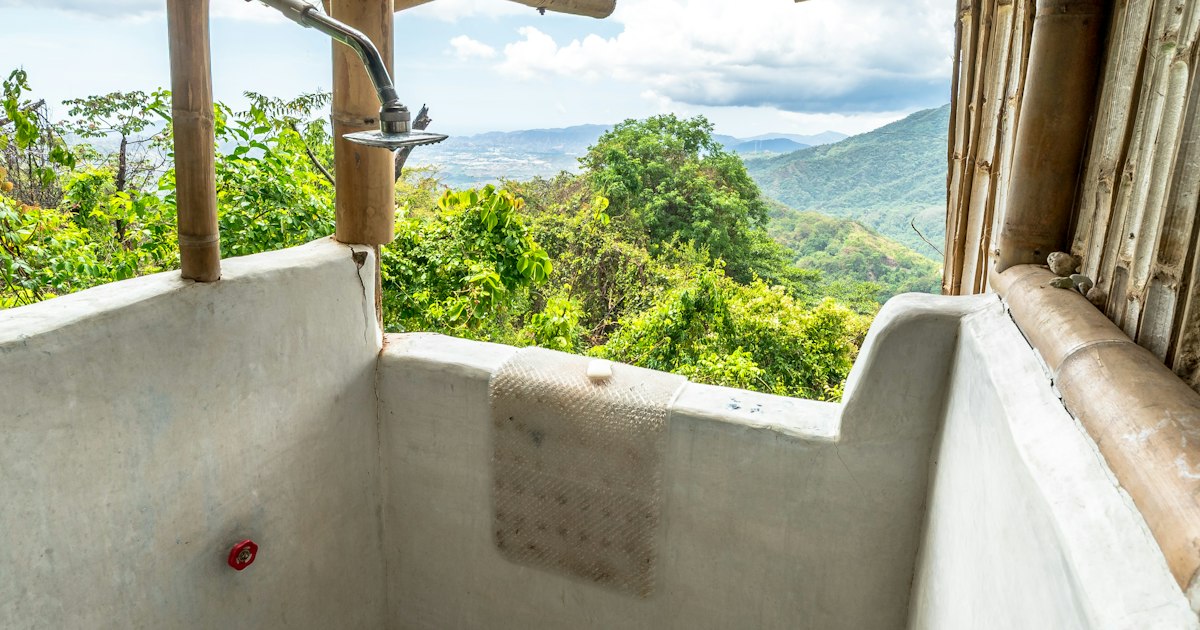
    A kashikiri buro is a small, private bath — sometimes indoor, sometimes a rotenburo (open-air bath) with a garden or mountain view — that’s locked and reserved for one party at a time. Unlike the main communal baths (daiyokujo), you don’t need to worry about tattoo policies, nervous kids splashing near strangers, or language barriers over bathing etiquette. Many are large enough for two to four people, making them popular with couples, families, and friends who want to soak together rather than split up by gender, which is how most communal baths are organized.

    There are two common formats. Some ryokan have a handful of dedicated kashikiri rooms separate from the main baths, bookable in time slots throughout the day. Others simply let you reserve the entire communal bath for a window when it’s normally closed to the public, often late at night or early morning. Either way, the mechanics are similar: you sign up for a slot, you get the room to yourselves, and you lock the door from inside while you’re in there.

    How to book: in-room, front desk, or online

    Three main booking methods exist, and it’s worth knowing all three before you arrive:

    • Pre-booked with your stay: Some ryokan include a free kashikiri session as part of a room package, especially at higher-end properties. This is usually confirmed when you book your stay or upon check-in.
    • Reserved at check-in: The most common method. A sign-up sheet or digital tablet at the front desk lists available time slots for that evening and the next morning. Slots fill up fast at popular ryokan, so ask about kashikiri availability the moment you check in, not after dinner.
    • In-room reservation system: Larger properties sometimes use a phone extension or in-room tablet where you dial a code to book directly from your room.

    If you’re booking your accommodation yourself rather than through a travel agent, search listings for the terms “kashikiri buro,” “private onsen,” or “family bath” (kazoku-buro) — these are the keywords Japanese booking sites use, and many international booking platforms now translate them directly.

    What it costs: budget, mid-range, and splurge

    Pricing varies widely by region and property tier:

    • Budget (free–¥1,500 per slot): Many mid-range ryokan include one or two kashikiri sessions per stay at no extra charge, especially if you book directly. Some simple hot spring inns charge a small flat fee of around ¥1,000–¥1,500 for a 45-minute slot regardless of party size.
    • Mid-range (¥2,000–¥5,000 per slot): This is the most common pricing bracket, typically for 45–60 minutes, charged per room rather than per person. Hakone, Kinosaki, and Kusatsu properties frequently fall in this range.
    • Splurge (¥6,000–¥15,000+, or a private in-room bath): Top-tier ryokan often build a private rotenburo directly into select guest rooms, so the “booking” is really just reserving that room type when you reserve your stay. These rooms cost significantly more per night but remove the time-limit pressure entirely — you can soak whenever you like, as often as you like.

    Note that many onsen towns also charge a small local bathing tax on top of your room rate — if you’re budgeting for a hot spring trip, it’s worth reading about Japan’s onsen bathing tax (nyuyokuzei) so the extra charge on your final bill doesn’t surprise you.

    Best times to book and how long you get

    Slots are usually sold in 45-minute or 60-minute blocks, run back-to-back from around 3pm (after rooms open) until as late as midnight, then again from early morning (around 6am) until breakfast. The two most popular windows — right after check-in before dinner, and first thing after waking up — book out fastest, so grab one of those if you want convenient timing, or take an off-peak slot (late evening or right at opening) if you’d rather have a longer, less rushed soak without anyone waiting outside the door.

    Seasonally, kashikiri rooms with outdoor views are at their best in late autumn (November) for foliage and in winter (December–February) for snow-rimmed baths with steam rising off the water — both are peak demand periods, so book your ryokan stay, and your bath slot, well in advance.

    Common mistakes to avoid

    • Not booking early enough. Kashikiri slots are limited — often just 4-8 per day at a given property — and the best times go first. Ask at check-in, not after you’ve unpacked.
    • Overstaying your slot. Another guest is often waiting right after you. Rinse and dress with a few minutes to spare rather than right at the buzzer.
    • Bringing soap or shampoo into the tub water. Even in a private bath, the same onsen rule applies everywhere in Japan: wash and rinse completely at the shower station before entering the tub. The bathwater is shared conceptually with the next guest, and keeping it clean matters.
    • Assuming kashikiri means swimwear is fine. Nearly all kashikiri baths still follow the no-swimsuit, bathe-naked convention, same as communal onsen — the “private” part refers to who’s in the room with you, not a looser dress code.
    • Forgetting to lock the door. Slide the “in use” sign or lock the latch from inside; this is what signals to staff and other guests that the room is occupied.

    A good option if you’re nervous about communal bathing

    If tattoos, modesty, or simply being new to the onsen tradition are holding you back from trying a hot spring at all, kashikiri buro is the easiest on-ramp. You get the full experience — the mineral-rich water, the ritual of washing first, the quiet soak — without the social pressure of a shared space. It’s a popular choice for first-time visitors easing into Japanese bathing customs the same way many ease into other traditions, the way someone might try on a secondhand kimono before committing to buying one new, low-pressure, and on their own terms.

    If you’re planning a hot spring getaway as part of a broader Hakone itinerary, pair your soak with a cultural stop like the Hakone Open-Air Museum earlier in the day, then return to your ryokan in the afternoon to book that evening’s kashikiri slot before dinner — that’s the sweet spot many repeat visitors aim for.

    The bottom line

    Kashikiri buro turns Japan’s onsen culture from something you might feel you have to opt out of into something you can comfortably opt into, on your own terms. Ask about availability the moment you check in, expect to pay anywhere from nothing to around ¥5,000 for a standard 45–60 minute slot, and treat the bathing etiquette exactly as seriously as you would in a communal bath. Do that, and a private soak becomes one of the most relaxing parts of any Japan trip — not a hurdle to work around.

  • Setsubun Mame: Japan’s Roasted Soybean Snack You’ll Only Find Around February 3rd

    Setsubun Mame: Japan’s Roasted Soybean Snack You’ll Only Find Around February 3rd

    Photo by Seiya Maeda on Unsplash

    Walk into almost any Japanese supermarket or convenience store in the last days of January and you’ll notice small paper bags of roasted soybeans suddenly taking over an entire end-cap display, often next to demon masks and triangular sushi rolls. This is setsubun mame, one of the most specific “blink and you’ll miss it” seasonal products in Japan — on shelves for roughly a week, then gone until next year. If you happen to be visiting Japan in late January or early February, it’s a cheap, easy, and genuinely fun souvenir to pick up, and understanding what it is will help you make sense of a street scene that otherwise looks baffling: people throwing beans at family members while shouting at demons.

    What Is Setsubun, and Why Beans?

    Setsubun (節分) marks the day before the start of spring under Japan’s old lunar calendar. Depending on the year’s astronomical calculations it falls on February 2, 3, or 4, though February 3rd is the most common date and the one most people associate with the holiday. The tradition is called mamemaki, or “bean scattering”: family members throw roasted soybeans (called fukumame, or “lucky beans”) around the house and sometimes at a person wearing an oni (demon) mask, chanting “Oni wa soto! Fuku wa uchi!” — “Demons out, good fortune in!” The idea is to drive out bad luck and disease for the coming year and welcome good fortune in their place. Afterward, everyone eats one bean for each year of their age, plus one extra for good luck in the year ahead.

    Where to Buy Setsubun Mame

    You don’t need to seek out anything special — the beans are everywhere during the right week:

    • Convenience stores (7-Eleven, Lawson, FamilyMart): small bags of roasted soybeans with a paper demon mask printed on the back, typically ¥108–216.
    • Supermarkets (Life, Seiyu, Ito-Yokado): larger multipacks, often bundled with a small wooden or cardboard masu (measuring box) for scattering, ¥300–600.
    • Department store food halls (depachika): this is where it gets interesting — Isetan Shinjuku, Takashimaya, and Mitsukoshi stock artisanal roasted beans, chocolate-dipped versions, and oni-themed gift boxes, usually ¥500–1,500. If you’re navigating one of these basements for the first time, the station complexes above them can be genuinely disorienting; the Shinjuku Station wayfinding guide is worth a look before you go hunting for the Isetan basement.
    • 100-yen shops (Daiso, Seria): not usually the beans themselves, but cheap plastic oni masks and decorations if you want to do the full ritual.

    What’s Actually in the Bag

    Classic setsubun mame are iri-mame — soybeans dry-roasted until hard and nutty, similar in texture to a roasted chickpea. A few regional and product variations are worth knowing:

    • Peanuts-in-shell: in Hokkaido, Tohoku, and parts of Kyushu, whole peanuts (still in the shell) are often scattered instead of soybeans — easier to sweep up afterward, and still eaten for the ritual.
    • Chocolate-coated versions: major confectioners like Meiji and Fujiya release seasonal chocolate-covered soybean packs around setsubun, aimed more at snacking and gift-giving than the actual throwing ritual.
    • Gift sets: department stores sell decorative tins or ceramic masu boxes filled with beans, sometimes paired with a small sake bottle — a nice splurge souvenir in the ¥1,500–3,000 range if you want something that lasts beyond the holiday.

    Mamemaki Events Worth Seeing

    Several major Tokyo-area temples turn the bean-throwing ritual into a public event, with celebrities, sumo wrestlers, or local officials throwing beans into the crowd:

    • Sensoji Temple (Asakusa): one of the best-known public mamemaki events, held on February 3rd with ceremonies typically around midday and again in the afternoon. Expect large, cheerful crowds.
    • Zojoji Temple (near Tokyo Tower): a smaller, more low-key version of the same ritual.
    • Narita-san Shinshoji (Narita): famous for inviting sumo wrestlers and entertainers to throw beans, drawing big crowds given its proximity to Narita Airport.

    Exact times shift slightly year to year, so check the temple’s own announcements a few days beforehand if you plan to attend — but simply being in the neighborhood on February 3rd is usually enough to stumble into the atmosphere, free of charge.

    How to Eat Them (and a Safety Note)

    The ritual is simple: eat one bean for every year of your age, plus one more for luck in the coming year. In practice, most adults just eat a small handful rather than counting precisely. One real caution worth knowing: Japan’s consumer safety agencies issue an annual reminder around setsubun that hard roasted soybeans are a choking hazard for young children (especially under age 5) and elderly people, because of their size and hardness. If you’re sharing a bag with kids, consider the softer chocolate-coated version instead, or supervise closely.

    The Companion Snack: Ehomaki

    Alongside the beans, you’ll see uncut sushi rolls called ehomaki sold at the same time, meant to be eaten whole while facing that year’s “lucky direction” (which changes annually based on the zodiac). Convenience stores and supermarkets sell these for roughly ¥500–1,500 depending on the fillings, and they make a fun, filling lunch if you’re in Japan on the day itself. If you’re building out a wider soy-based food tour while you’re exploring, Japan has plenty of other soy-forward dishes to try, from agedashi dofu and other deep-fried tofu dishes to Nagasaki-style soy-braised pork belly (kakuni).

    Common Mistakes to Avoid

    • Assuming you can find them any time in winter. Shelves are stocked for roughly a week before February 3rd and cleared out almost immediately after — if you arrive mid-February expecting to buy some, you’ll be out of luck until the following year.
    • Buying the cheapest bag without checking for a mask or instructions. If you want the mask/box included for photos or to actually try the ritual, look at supermarket multipacks rather than the plain convenience-store bags, which sometimes include only beans.
    • Not budgeting for ehomaki too. If you want the full experience, plan for both the beans and an uncut sushi roll on the same day — stores sell out of popular ehomaki fillings by early afternoon on February 3rd.
    • Forgetting it’s a one-day product in most households. Unlike year-round snacks, setsubun mame is bought, used, and eaten within a day or two — buying a large bag “to save for later” isn’t really how it’s meant to be enjoyed, though the beans themselves don’t spoil quickly if sealed.

    Setsubun mame is a small thing — a ¥100–300 bag of roasted beans — but it’s a neat window into how closely Japan’s retail calendar tracks its traditional one. If your trip happens to land in late January or early February, picking up a bag, throwing a few at a willing travel companion, and eating one per year of your age is a five-minute cultural experience that costs almost nothing.

  • Tokyo’s Best Vintage Eyewear Shops for Deadstock Japanese Frames

    Tokyo’s Best Vintage Eyewear Shops for Deadstock Japanese Frames

    Photo by wu yi on Unsplash

    Japan quietly supplied some of the best eyewear acetate in the world for decades, and a lot of that stock never made it onto a single face. Boxes of unsold 1960s–80s frames sat in optician storerooms and manufacturer warehouses until collectors, stylists, and secondhand dealers started digging them out in the 2000s. Today, Tokyo has a small but serious scene of shops specializing in this “deadstock” — new-old-stock frames that are decades old but have literally never been worn. If you’re building a wardrobe around one great pair of glasses instead of ten disposable ones, this is where to look.

    Why Japanese Deadstock Frames Are Worth Seeking Out

    Japan’s eyewear industry centers on Sabae, in Fukui Prefecture, which has manufactured frames — including OEM work for European and American brands — since the early 20th century. The acetate and hinge work from that era is a big reason vintage Japanese frames have a cult following among eyewear nerds abroad: thicker, higher-grade cellulose acetate that ages better and holds its shape, paired with construction details (saddle bridges, riveted hinges) that modern mass production rarely bothers with. A lot of what circulates as “vintage Japanese eyewear” is genuinely old inventory, not reproductions, which is part of the appeal and part of why prices have crept up over the last decade.

    Shimokitazawa: The Center of Gravity

    If you only have time for one neighborhood, make it Shimokitazawa (下北沢), a few minutes from Shinjuku on the Keio Inokashira Line or Odakyu Line. It’s Tokyo’s densest concentration of secondhand and vintage shops generally, and eyewear is a specific strength here — several shops carry racks or glass cases of unworn old stock alongside their vintage clothing.

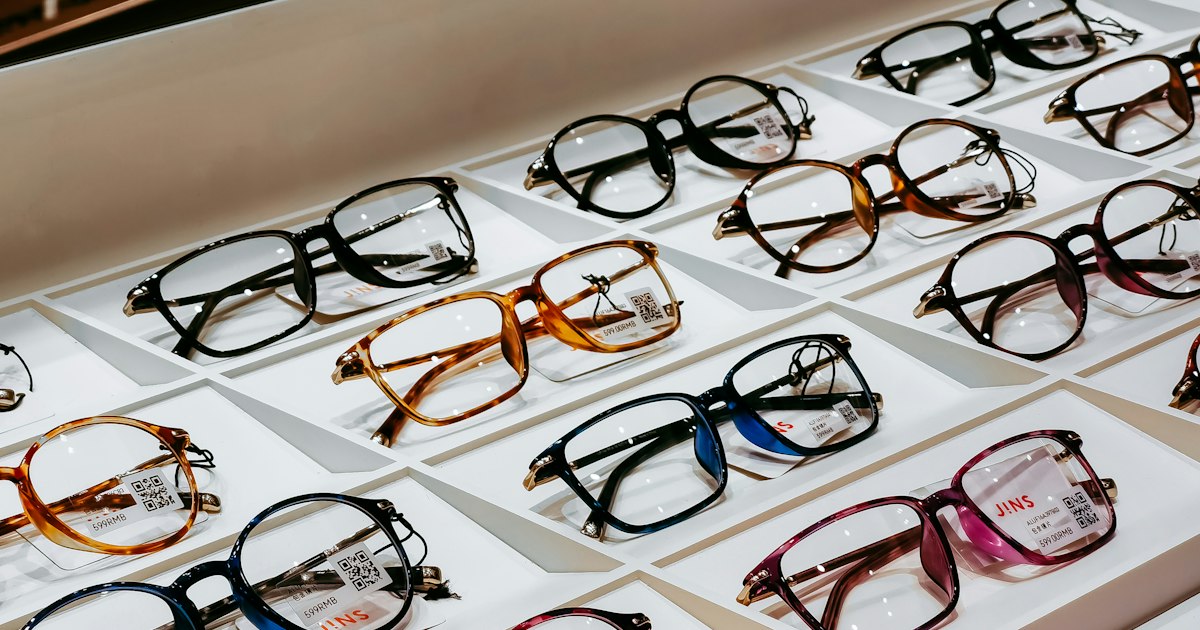
    • Megane Ichiba is the budget entry point: bins and walls of deadstock frames, mostly Japanese-made from the 1970s–90s, priced roughly ¥2,000–¥6,000 for most frames. Selection is huge but unsorted by quality, so expect to spend real time trying pairs on.
    • Globe Specs curates more tightly — a mix of Japanese and European deadstock, cleaned and checked, with prices generally running ¥8,000–¥30,000+ depending on the maker and condition. This is the better stop if you want someone to talk through what you’re looking at rather than dig blind.

    Most Shimokitazawa vintage shops open around noon and close by 8–9pm, and several take an irregular weekday off, so it’s worth treating this as an afternoon-into-evening outing rather than a morning one. Weekends get crowded with local shoppers, so a weekday afternoon gives you more room at the mirror and more patience from staff.

    Koenji: Rougher Digging, Better Surprises

    One stop further out on the JR Chuo Line, Koenji has a similar secondhand-shop density to Shimokitazawa but a slightly grittier, less tourist-aware feel. Eyewear here tends to show up inside general vintage clothing stores rather than in dedicated optical shops, mixed in with accessories. You won’t always find a specialist, but when you find a good frame here it’s often underpriced simply because the shop isn’t marketing itself as an eyewear destination. Budget extra time and don’t expect English signage.

    What “Deadstock” Actually Looks Like on the Shelf

    Not everything labeled vintage is deadstock, and it’s worth knowing the difference before you pay vintage prices for a frame that’s actually just secondhand and worn. True deadstock usually shows:

    • Uncut demo lenses still in the frame (flat plastic lenses with no prescription ground in)
    • No scratches on the temple tips or nose pads, which wear quickly with actual use
    • Original packaging, tags, or a manufacturer stamp — look for “JAPAN” stamped inside the temple arm, often with a size code like 52□18
    • Spring hinges or screws that feel tight, not loose from years of opening and closing

    This same logic — condition grading, originality checks, knowing what separates “new old stock” from merely old — comes up constantly in Japan’s secondhand gear culture generally. If you’re also hunting for used cameras while you’re in town, the grading codes explained in this guide to buying a used camera lens in Japan use a similar logic and are a good primer on how Japanese secondhand retailers think about condition.

    Budget, Mid-Range, and Splurge Picks

    Budget (¥2,000–¥6,000): Megane Ichiba and similar bin-shops in Shimokitazawa. Expect to try on 20+ pairs to find one that fits well; frames are rarely adjusted for you at this price point.

    Mid-range (¥8,000–¥20,000): Globe Specs and comparable curated shops, where staff have already filtered for condition and can usually tell you the maker and rough era.

    Splurge (¥25,000+): Rare branded deadstock — Japanese-made frames from defunct makers, or OEM runs for well-known European houses — show up occasionally in Shimokitazawa’s pricier cases or at specialist eyewear boutiques elsewhere in Tokyo. These are collector pieces, priced accordingly, and worth it only if the frame genuinely fits your face.

    Common Mistakes First-Time Buyers Make

    • Buying before checking fit in a mirror with your own face shape — vintage frame sizing runs smaller than most modern Western frames, especially temple length and bridge width.
    • Assuming the shop will fit your prescription lenses on the spot. They won’t. Buy the frame, then take it to any optician (or back home) to have lenses cut — ask the shop if they can remove the demo lenses for you first, since some older frames are brittle around the rim.
    • Expecting returns or holds. Deadstock shops in Japan are almost universally final-sale and cash-or-card-on-the-spot; there’s no “I’ll think about it and come back tomorrow” with one-of-a-kind stock.
    • Not budgeting for lens costs. The frame might be ¥5,000, but new prescription lenses from a Japanese optician can add ¥10,000–¥30,000+ depending on your prescription and coatings.

    Timing Your Visit

    There’s no strong seasonal pattern to deadstock eyewear the way there is with, say, kimono resale around festival season — stock turns over based on what dealers source, not the calendar. That said, shops restock after estate and warehouse buys, so asking staff “when did new stock come in?” is a legitimate way to gauge whether you’re seeing fresh inventory or the same picked-over shelf as last month. If you’re combining this with a broader vintage-shopping day, pair Shimokitazawa with a trip to Amerikamura in Osaka on a different leg of your trip — it’s the closest thing Japan has to a second vintage-fashion capital, and worth comparing against Tokyo’s scene if you’re serious about the hunt.

    Finally, if eyewear turns out to be a gateway into Japan’s broader secondhand retail culture, it’s worth knowing that chains built around resale aren’t limited to clothing — the same model shows up in Japan’s recycle-kimono shop chains, which follow comparable grading and pricing logic to what you’ll see on an eyewear shelf.