Japan Trove

Category: Uncategorized

  • Sukayu Onsen: Inside Aomori’s Giant Mixed-Bathing “Thousand Person Bath”

    Sukayu Onsen: Inside Aomori’s Giant Mixed-Bathing “Thousand Person Bath”

    Photo by Nichika Sakurai on Unsplash

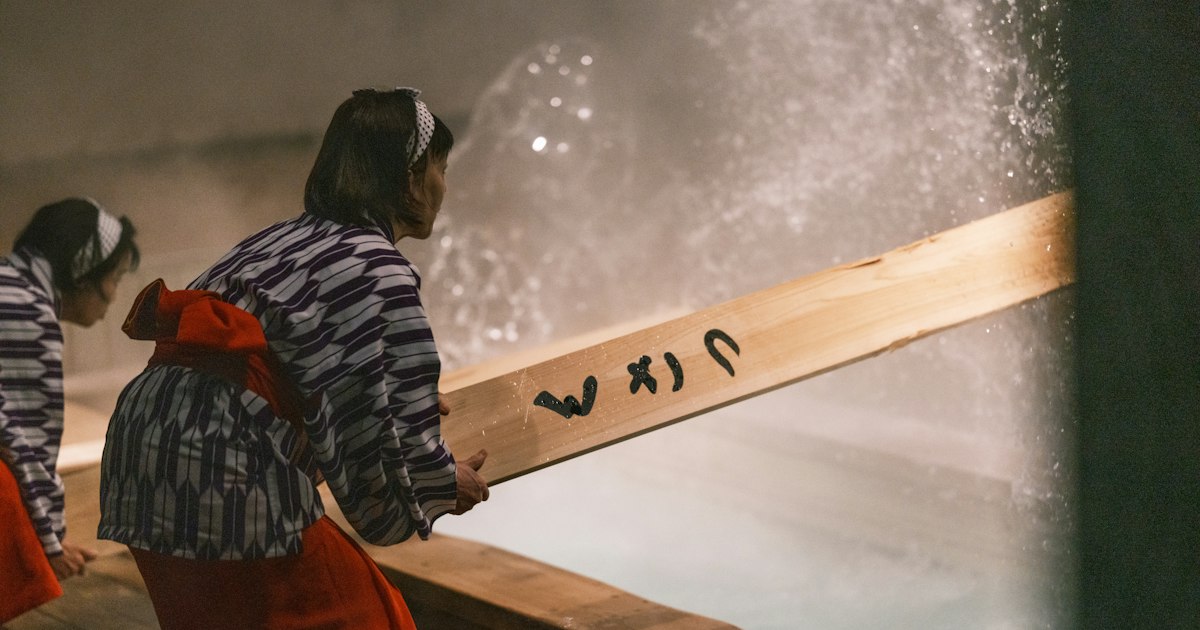
    Deep in the Hakkoda mountains of Aomori Prefecture, a single wooden bathhouse has been drawing bathers for over 300 years with a promise that sounds almost too simple: soak in acidic, sulfur-rich water said to ease everything from joint pain to skin conditions, in a room big enough — according to local legend — to fit a thousand people at once. That’s Sukayu Onsen, home to the Sennin Buro, or “Thousand Person Bath,” one of the last large-scale mixed-bathing halls still operating in Japan. It’s rustic, it’s a little intimidating for first-timers, and it’s one of the most memorable onsen experiences in the Tohoku region.

    What Makes Sukayu Onsen Special

    Sukayu Onsen Ryokan sits at roughly 900 meters elevation on the slopes of Mt. Hakkoda, inside Towada-Hachimantai National Park. The name itself — “sukayu,” literally “vinegar hot water” — refers to the spring’s strongly acidic quality, among the most acidic hot spring water in Japan. For generations it’s been promoted as a “spring that cures many ailments,” and the bathhouse still has the worn wooden beams, cloudy milky-white water, and faint sulfur smell to prove its age.

    The Sennin Buro itself is the draw: a single cavernous hall with several stone and wood-lined pools of varying temperature, lit by skylights and framed by huge timber columns. It’s not fancy, and that’s the point — this is an onsen experience closer to a 19th-century mountain cure resort than a modern spa.

    Inside the Sennin Buro: What to Expect

    This is genuine mixed-gender bathing (konyoku), which still catches some visitors off guard. A few practical notes: you bathe nude, as at any traditional onsen — no swimsuits are permitted in the main pool. Most visitors carry a small modesty towel to hold in front of themselves while walking between pools, though it shouldn’t go in the water itself. Because the water is used for its mineral/therapeutic qualities rather than for washing, there are no shower stations or soap inside the Sennin Buro — you rinse off with a bucket of spring water before entering rather than showering, and you don’t shampoo or scrub inside.

    If mixed bathing isn’t for you, Sukayu also operates a separate gender-divided bathing building elsewhere on the property, and the Sennin Buro itself sets aside specific women-only time slots each day (the current schedule is posted clearly at the entrance and changes occasionally, so check on arrival rather than assuming a fixed hour).

    Because the water is so acidic, remove contact lenses and metal jewelry before soaking — sulfur water will tarnish silver and gold over a long stay — and don’t linger as long as you would in a milder bath. Ten to fifteen minutes per soak, with breaks to cool down, is the local rhythm.

    Getting to Sukayu Onsen from Aomori

    The easiest approach is by bus from JR Aomori Station (reachable via Shinkansen to Shin-Aomori, then a short local transfer). JR Bus Tohoku runs the Sukayu Onsen Line directly from the station, taking about 1 hour 10 minutes one-way, with fares in the ¥1,400–1,600 range depending on current pricing. Buses run several times a day but are not frequent, so check the timetable before you go and plan your return trip in advance — missing the last bus back means an expensive taxi down the mountain.

    By rental car, it’s about 45–60 minutes from central Aomori via Route 103 through the Hakkoda mountain pass — a scenic but winding drive. In winter, snow tires or a 4WD rental and caution on the pass are essential; the road stays open because Sukayu is also a base for Hakkoda’s famous backcountry skiing, but conditions can turn quickly.

    From the Lake Towada/Oirase Gorge side, a seasonal sightseeer bus (running roughly late April through early November) connects Towada-ko and Aomori via Sukayu, making it easy to combine the onsen with a day exploring the gorge.

    Best Time to Visit

    Sukayu is a year-round destination, and each season changes the experience. Early-to-mid June brings fresh green foliage (shinryoku) across the Hakkoda range. Late September into early October is peak autumn color — Hakkoda is known for turning early compared to the rest of Tohoku, so it’s a good target if you’re chasing foliage ahead of the crowds further south. Winter (December–March) buries the area in deep snow, and soaking in the steaming, half-outdoor-feeling Sennin Buro while snow piles up outside is its own reward, though access takes more planning. Summer is the easiest season logistically but also the busiest with day-trippers.

    Day Trip vs. Overnight Stay

    Budget (day bathing): Non-staying visitors can use the Sennin Buro for around ¥1,000 for adults and roughly half that for children, with day-use hours typically running from about 7:00 am to 5:30 pm (last entry around 30 minutes before close — times can shift seasonally, so confirm when you arrive).

    Mid-range (standard overnight): Staying at Sukayu Onsen Ryokan with two meals (a kaiseki-style dinner featuring local Aomori ingredients, plus breakfast) generally runs from around ¥13,000 to ¥18,000 per person, depending on room grade and season. Staying overnight also means access to the baths outside the day-tripper hours, including very early morning, when the hall is quietest.

    Splurge: Larger or renovated rooms, and peak-season weekend stays, can push ¥20,000+ per person. It’s still modest compared to upscale ryokan elsewhere in Japan — the appeal here is the bath and the mountain setting, not luxury furnishings.

    Common Mistakes to Avoid

    • Not knowing it’s mixed bathing. Read up before you go — some visitors are caught off guard and feel too uncomfortable to enjoy it. If that’s a concern, use the women-only hour or the separate gender-divided bath building instead.
    • Bringing soap or shampoo into the Sennin Buro. There are no washing facilities in the main hall; it’s strictly for soaking.
    • Missing the last bus back to Aomori. Services are infrequent — confirm the return schedule before you relax too long in the water.
    • Overstaying in the water. The acidity is intense compared to most onsen; take breaks rather than one long soak, especially if you have sensitive skin or open cuts.
    • Driving the mountain pass unprepared in winter without proper tires or chain experience.

    Combining Sukayu with the Rest of Your Tohoku Trip

    Sukayu pairs naturally with a day at Oirase Gorge and Lake Towada if you’re traveling via the seasonal sightseeing bus. If you’re building a broader Tohoku itinerary around nature and mountain escapes, it’s worth comparing with other regional highlights like Zao Fox Village in Miyagi or the midwinter spectacle of Yokote Kamakura in Akita, both reachable within a multi-day Tohoku loop. If what you’re really after is a quieter mountain retreat with hiking and local dining rather than a bathhouse, the Kyoto-area day trip to Kurama and Kibune offers a similar change of pace, just much further south.

    However you build the trip, give Sukayu at least half a day — between the bus ride up, the soak itself, and the walk around the surrounding beech forest, it’s not a quick stop, and it isn’t meant to be.
  • Dango Jiru: Oita’s Flat Hand-Pulled Dumpling Soup and Where to Try It

    Dango Jiru: Oita’s Flat Hand-Pulled Dumpling Soup and Where to Try It

    Photo by Cody Chan on Unsplash

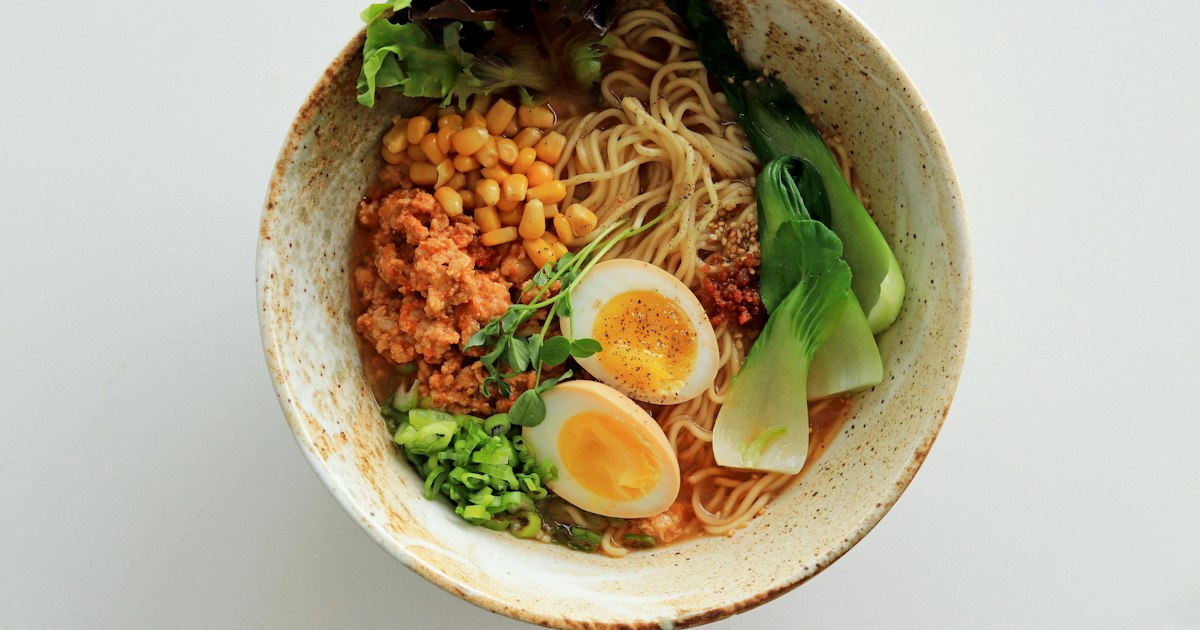
    Ask for “dango” in most of Japan and someone will hand you a skewer of sweet, chewy rice balls. Ask for dango in Oita Prefecture, on the eastern coast of Kyushu, and you’ll get something entirely different: a steaming bowl of miso-based soup filled with wide, flat ribbons of hand-stretched wheat dough, root vegetables, and pork. This is dango jiru (団子汁), one of Kyushu’s most comforting regional dishes and one that rarely makes it onto a first-time visitor’s radar because it’s almost never translated well on menus. Here’s what it actually is, how it differs from its sweeter cousin, and where to find a genuinely good bowl.

    What Is Dango Jiru?

    Dango jiru is a hearty soup built around flat, chewy wheat-flour dumplings that are pulled and stretched by hand rather than rolled out with a pin or cut with a knife. The dough rests for at least 30 minutes to relax the gluten, then cooks are supposed to tear off portions and stretch them thin between their fingers directly into the simmering pot — a technique locals call tenobe (手延べ, “hand-stretched”). The result looks more like wide, irregular pasta ribbons than a dumpling, with a pleasantly uneven, slightly slippery texture.

    The broth is almost always miso-based, though some households and restaurants use a soy-based (shoyu) version instead. It’s loaded with daikon radish, carrot, burdock root (gobo), satoimo taro, shiitake mushrooms, green onion, and usually thin slices of pork. It’s a one-bowl meal rather than a side dish — filling, inexpensive, and built for cold weather, though you’ll find it served year-round.

    The dish traces back to Oita’s mountainous interior — areas like Bungo-Ono, Taketa, and Kusu — where rice paddies were scarce and wheat was grown as a practical substitute staple. Dango jiru became a way to stretch a modest amount of flour into a filling family meal, and it has stayed a point of local pride ever since.

    Dango Jiru vs. Yaseuma: Don’t Mix Them Up

    The most common point of confusion, even among Japanese visitors from other regions, is the relationship between dango jiru and yaseuma (やせうま). They use the same hand-stretched wheat dough, but yaseuma is served dry, dusted with kinako (roasted soybean flour) and sugar, as a sweet snack rather than a soup. Think of dango jiru as the savory, meal-sized version and yaseuma as the dessert or afternoon-snack version made from the same technique.

    If you see “yaseuma” on a menu expecting soup, you’ll get something closer to a sweet breadstick snack — not wrong, just a different dish. Many kyodo ryori (local-cuisine) restaurants in Oita serve both, so it’s worth ordering one of each to understand the range of what hand-stretched wheat dough can become.

    Where to Try Dango Jiru in Oita

    Budget (¥700–900): The most reliable and least touristy way to eat dango jiru is at a michi-no-eki (roadside rest station) in the rural areas where the dish originated — Bungo-Ono, Taketa, and Kusu all have them. These stations typically run a simple food counter alongside a produce market, open roughly 9:00 to 17:00, and sell a bowl of dango jiru as a quick lunch, often paired with rice or a small side for well under ¥1,000. Quality varies by region and season, but this is where you’ll find the dish closest to its home-cooking roots.

    Mid-range (¥900–1,300): In Oita City, Beppu, and Yufuin, look for teishoku-ya (set-meal diners) and kyodo ryori restaurants that list Oita specialties together. A typical set pairs dango jiru with toriten (Oita’s answer to fried chicken, dipped in a tangy ponzu-based sauce) and sometimes ryukyu, a local dish of marinated raw fish over rice. These three dishes essentially make up Oita’s signature food trio, so a set menu featuring all of them is a good way to sample the prefecture’s cooking in one sitting.

    Splurge (¥3,000–6,000): Kappo-style restaurants in Yufuin and Beppu that build multi-course menus around Oita’s local cuisine will often include a small dango jiru course alongside seasonal vegetables, local beef, or seafood from the Bungo Channel. It won’t be the centerpiece of the meal, but it’s a chance to taste a more refined, kitchen-honed version of a dish that’s usually rustic by design.

    Because dango jiru is a home-style dish rather than a destination food like ramen or sushi, there isn’t a single famous shop everyone travels for — the better strategy is to simply order it whenever you see it on a menu in Oita, rather than hunting for one specific restaurant.

    Getting to Oita and Best Timing

    Oita Prefecture is reachable by air via Oita Airport, with flights from Tokyo Haneda taking around 1 hour 40 minutes. By train, the Sonic limited express connects Hakata Station in Fukuoka to Oita Station in roughly two hours, and the scenic Yufuin no Mori limited express runs from Hakata to Yufuin, a hot spring town where several restaurants serve Oita kyodo ryori. Beppu is also reachable by overnight ferry from Osaka or Kobe, which is a slower but memorable way to arrive.

    Dango jiru is sold year-round, but it earns its reputation in the colder months — late autumn through early spring — when a hot bowl of miso soup with chewy wheat ribbons is genuinely restorative after a day of hiking around Yufuin’s hot springs or exploring Taketa’s castle ruins. If you’re visiting in summer, you’re more likely to see yaseuma on menus instead, since the sweet, dry version is easier to eat in the heat.

    Common Mistakes to Avoid

    The biggest mistake is expecting round, bite-sized dumplings — dango jiru’s dumplings are flat and stretched, closer in shape to broad noodles than to the ball-shaped dango most visitors picture. Don’t assume you’re being served the wrong dish if it looks more like torn pasta than dumplings.

    Another frequent mix-up is ordering yaseuma expecting a soup and being surprised by a sweet, dry snack — know the distinction before you order if you specifically want the soup version. Finally, don’t confuse dango jiru with hoto (Yamanashi’s flat-noodle squash soup) or suiton (a flour-dumpling soup found in various regions); they’re conceptually similar comfort foods, but Oita’s version is distinct in its stretching technique and its root-vegetable, pork-and-miso base.

    If you’re building out a wider Kyushu food itinerary, it’s worth pairing a dango jiru stop with other regional specialties nearby — Miyazaki’s chilled hiyajiru and Kagoshima’s kurozu black vinegar are both easy additions if you’re traveling through southern Kyushu. And if deep-fried comfort food is more your speed between soup stops, Japan’s menchi katsu cutlets are a reliable find almost anywhere you go.

    Dango jiru isn’t a dish you’ll see celebrated in guidebooks the way ramen or sushi are, but that’s part of its appeal — it’s the kind of food locals actually eat, made with a technique that rewards paying attention. Order it once in Oita and you’ll understand why residents still make a point of stretching the dough by hand rather than reaching for a shortcut.

  • Why Fax Machines Still Run Japan’s Offices, Clinics, and City Halls

    Why Fax Machines Still Run Japan’s Offices, Clinics, and City Halls

    Photo by Hama Haki on Unsplash

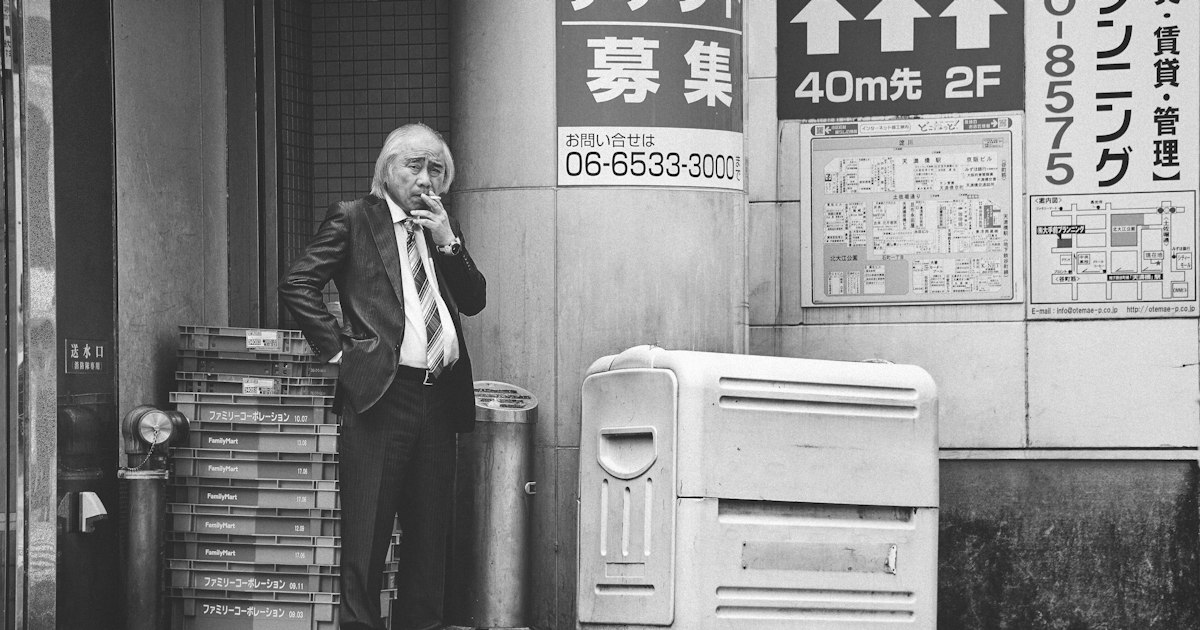
    Pick up a phone in a Tokyo real estate office, a rural clinic, or a ward city hall, and there’s a good chance you’ll hear it: the chirping handshake of a fax machine receiving a document. Japan is one of the most technologically advanced countries on earth, yet fax (FAX, pronounced “fakkusu”) remains a default communication tool in government offices, healthcare, and small businesses. For visitors and long-term residents navigating paperwork, understanding why — and where you’ll bump into it — saves real time and confusion.

    The Hanko-and-Paper Logic Behind the Fax Machine

    Fax survived in Japan for the same reasons the personal seal (hanko) survived: legal and institutional habits built around physical, verifiable paper. A faxed document with a signature or stamp has historically been treated as a valid original in ways that an emailed PDF was not, especially inside government procedures. Add an aging workforce in many back offices — city hall clerks, clinic receptionists, small company owners — who learned fax as the professional standard decades ago, and you get a tool that nobody has had strong enough incentive to rip out. Japan also runs on NTT’s widely available fixed-line phone network, which made fax cheap and dependable long before broadband was universal, and that infrastructure never fully went away.

    Where Visitors and Residents Actually Run Into It

    As a tourist doing sightseeing, you’ll rarely need to touch a fax machine yourself. But a few situations bring foreign visitors and residents face-to-face with Japan’s fax culture:

    • City hall (kuyakusho/shiyakusho) procedures — residence card registration, National Health Insurance enrollment, or verifying documents issued by your home country’s embassy.
    • Clinics and hospitals — referral letters (shoukaijou) between doctors, insurance pre-authorizations, and prescription transfers to pharmacies.
    • Real estate and apartment/storage rentals — older management companies still fax lease contracts and guarantor forms rather than emailing scanned PDFs.
    • Small shops, ryokan, and family-run businesses — reservation confirmations and supplier orders.

    If you’re a long-term resident going through bureaucratic processes like converting a foreign driver’s license, the same institutional paper-trail habit shows up — see our guide to Gaimen Kirikae, converting a foreign driver’s license to a Japanese one, which still often involves verifying documents that were faxed or hand-stamped rather than digitally issued.

    City Halls: Hours, What to Expect, and Why Fax Shows Up

    Most ward and city offices are open weekdays only, typically 8:30 a.m. to 5:00 or 5:15 p.m., closed weekends and national holidays (some larger wards in Tokyo and Osaka open one Sunday a month for limited services — check the specific ward’s website before visiting, since this varies). When a clerk needs to confirm something with another office or an outside agency — say, verifying a document from your home country’s consulate — fax is often still the fastest officially-sanctioned channel between two government departments, faster in practice than email because it requires no account setup, no attachment-size limits, and produces an instant paper record with a transmission confirmation slip that itself functions as a receipt.

    Common mistake: assuming you can simply email a scanned document to a city office and have it processed the same day. Many offices will ask you to bring the physical original, or will fax a request onward themselves, which can add a day or two to anything involving cross-department verification. Build buffer time into any paperwork timeline, especially if you’re also handling something like a storage rental agreement — our piece on renting a storage unit (trunk room) in Japan for extended stays notes that older management companies in particular may still want a faxed or hanko-stamped contract rather than a digital signature.

    Clinics and Hospitals: Referrals and Prescriptions

    Japan’s healthcare system relies heavily on referral letters when a patient moves from a general clinic to a specialist or larger hospital. These shoukaijou are frequently faxed directly between the two institutions’ front desks, same-day, rather than scanned and emailed — partly for speed, partly because hospital IT security policies are often stricter about email attachments than about a dedicated fax line. If you’re arranging specialist care as a visitor (for example, getting a contact lens prescription checked, as covered in our guide to buying circle contact lenses in Japan as a tourist), don’t be surprised if the clinic asks for a fax number rather than an email address when transferring your prescription to a pharmacy or optician.

    Practical tip: if a clinic or hospital asks “FAX bangou wa arimasu ka?” (do you have a fax number?), you can simply say you don’t have one and ask whether email or a printed copy works instead — most front-desk staff have a workaround, but you have to ask.

    How to Send a Fax Yourself

    If you do need to send one — confirming an appointment, submitting a form to an office that won’t accept email — the easiest option as a visitor is a convenience store multicopy machine:

    • Seven-Eleven, FamilyMart, Lawson — nearly every branch has a multicopy machine with fax send capability, available 24 hours. Domestic faxes run roughly ¥50–100 per page; international faxes cost more and are less commonly offered.
    • Hotel business centers — many mid-range and upscale hotels will send a short fax for guests, sometimes free, sometimes a small per-page fee.
    • Post offices and some print shops (Kinko’s) also offer fax services during business hours, typically 9:00 a.m.–5:00 or 6:00 p.m. on weekdays.

    Budget option: the konbini machine is cheapest and always open. Splurge option: ask your hotel concierge to handle it for you, which is worth the small fee if the form is in Japanese and you want someone to confirm it transmitted correctly — unlike email, a failed fax transmission doesn’t always announce itself clearly.

    Is This Actually Changing?

    Slowly, yes. The Japanese government has pushed “paperless” and “hanko-less” initiatives since 2020, partly spurred by the pandemic exposing how much remote work was blocked by needing to physically go into an office to receive or send a fax. Some ministries and larger hospital networks have reduced fax dependency, and digital residence-card and “My Number” systems are expanding. But change moves at the pace of the smallest counterpart in any given paper trail — a city hall can digitize its own systems, but if it still needs to coordinate with a rural clinic or an elderly-run supplier who only has a fax line, the fax stays in use. For visitors, the practical takeaway is simple: carry physical copies of important documents, don’t assume email will be accepted everywhere, and treat a fax number request as a normal, non-suspicious part of doing business in Japan.

  • Ume Blossom Season: Where to See Japan’s Plum Blossoms Before the Cherry Trees Bloom

    Ume Blossom Season: Where to See Japan’s Plum Blossoms Before the Cherry Trees Bloom

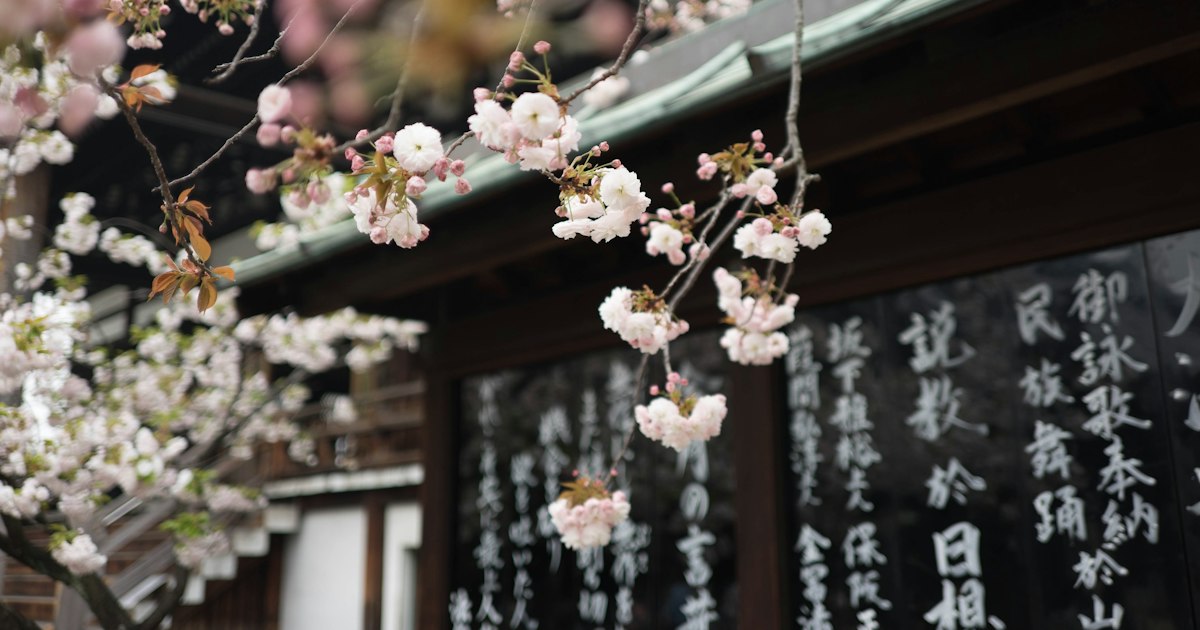
    Photo by Galen Crout on Unsplash

    Long before the cherry trees get their moment, Japan’s plum trees are already putting on a show. Ume (梅) blossoms open as early as January in warmer coastal towns and keep going into March, overlapping with the tail end of winter and the first hints of spring. The flowers are smaller and more fragrant than sakura, the gardens are far less crowded, and the whole season is a genuinely underrated time to visit. Here’s where to go and when.

    Why Ume Season Is Worth Planning Around

    Cherry blossom season in late March and early April is beautiful but brutal — packed trains, fully booked hotels, and viewing spots so crowded you’re shuffling past the trees rather than sitting under them. Ume season gives you a quieter version of the same ritual: hanami-style picnics, plum-themed sweets and sake, and photogenic gardens, but with room to actually enjoy them. Entry fees are modest (usually free to around ¥1,000), and because the season stretches over roughly ten weeks across the country, you have far more flexibility in timing a trip than you do with the two-week sakura window.

    When to Go: The Ume Timeline, Region by Region

    Ume blossoms follow a long, loose wave from south and coastal Japan toward the inland and northern regions:

    • Early January–February: Atami (Shizuoka) and other warm coastal spots, where the first blossoms of the year appear
    • Mid-February–mid-March: Tokyo, Kyoto, Osaka, and Fukuoka — the peak window for most of the famous gardens
    • Late February–late March: Mito (Ibaraki) and other Kanto gardens further from the coast, which bloom a few weeks later than central Tokyo

    Unlike sakura, ume doesn’t have a single nationwide “peak day” forecast that dominates the news, so check individual garden websites or local tourism sites in the two weeks before you travel — bloom dates can shift by 1–2 weeks depending on that year’s winter temperatures.

    Atami Baien: Japan’s Earliest Plum Blossoms

    If you want to see ume at its earliest, head to Atami Plum Garden (Atami Baien) in Shizuoka, about 50 minutes from Tokyo on the JR Tokaido/Shinkansen line. Thanks to the warm coastal climate, some of its roughly 470 trees across 60 varieties start blooming in early January, with the Atami Ume Matsuri festival typically running from early January through early March. Entry during the festival is around ¥300 for adults. From Atami Station, it’s a short bus ride (about 10–15 minutes) or a 25-minute walk to the garden. This is the one spot on this list where you can realistically combine ume viewing with a winter trip that has nothing else to do with spring.

    Tokyo’s Plum Gardens

    You don’t need to leave the city for a solid ume outing. Three spots stand out:

    • Yushima Tenjin (Yushima Tenmangu): A compact shrine near Ueno with around 300 plum trees and the Yushima Ume Matsuri, usually running early February to early March. Free entry, and easy to reach via Yushima Station on the Chiyoda Line or a 10-minute walk from Ochanomizu.
    • Koishikawa Korakuen: An Edo-period strolling garden near Tokyo Dome with plum trees scattered among its ponds and bridges. Admission is ¥300 for adults, and it’s open 9:00 am–5:00 pm daily (last entry 4:30 pm).
    • Hanegi Park (Setagaya): A local favorite with about 650 plum trees and free admission, slightly off the typical tourist path. The Setagaya Ume Matsuri runs for a few weeks around mid-February; it’s a 15-minute walk from Umegaoka Station on the Odakyu Line.

    Since you’re likely booking Tokyo accommodation around an early-morning garden visit, it’s worth knowing that many city hotels now use unmanned kiosks for check-in — see our guide to self check-in hotels in Japan if you’re arriving late or leaving before staffed hours.

    Kairakuen in Mito: One of Japan’s Three Great Gardens

    For the single best ume experience in the country, make the trip to Kairakuen in Mito, Ibaraki — ranked alongside Kenroku-en and Korakuen as one of Japan’s three most celebrated gardens. It holds roughly 3,000 plum trees across about 100 varieties, and the Mito Plum Festival runs from mid-February to late March, later than most Tokyo gardens because of the cooler inland climate. Adult admission is around ¥300 (free on designated festival days). To get there, take the JR Joban Line Limited Express from Tokyo or Ueno Station to Mito Station — about 70–80 minutes — then it’s a 25-minute walk or a short bus ride. Because this trip eats most of a day, pair it with an early train and treat it as a standalone day trip rather than trying to bolt it onto other Tokyo sightseeing.

    Kyoto, Osaka, and Fukuoka: Plum Blossoms With History

    Kyoto’s Kitano Tenmangu shrine is dedicated to Sugawara no Michizane, a 9th-century scholar famously devoted to plum blossoms, and its grounds hold about 1,500 trees across 50 varieties. The shrine itself is free to enter; the dedicated plum garden (Baika-en) charges roughly ¥1,000, which includes matcha and a sweet, and is typically open mid-February through mid-March. Kyoto in ume season is a good alternative to the sakura-season crush — if you’re also visiting temples, it’s worth timing things the same way we recommend for beating the crowds at Kiyomizu-dera: go right at opening or in the late afternoon. If you have an extra day, the quiet mountain villages of Kurama and Kibune make a scenic, uncrowded add-on to a Kyoto ume trip.

    In Osaka, Osaka Castle Park’s plum grove (Baika-en) has around 1,250 trees and 100 varieties, with free admission and a backdrop of the castle itself — a strong budget option if you’re based in Kansai. In Fukuoka, Dazaifu Tenmangu is home to the legendary “flying plum” (Tobiume), said to have flown from Kyoto to be near Michizane after his exile; the shrine grounds are free, and the surrounding plum trees bloom from mid-February into March.

    Common Mistakes to Avoid

    • Confusing ume with sakura in photos and forecasts. Plum blossoms grow directly against the branch with no stalk and have rounder, single-notch petal edges, while cherry blossoms hang on short stalks and have a notched petal tip. Tourism sites sometimes mislabel photos, so double-check before planning a trip around a specific bloom forecast.
    • Assuming one national bloom date. Because ume season spans ten weeks and varies by region, a Tokyo bloom report tells you nothing reliable about Mito or Kyoto. Check each garden’s own site closer to your travel dates.
    • Skipping the smaller neighborhood gardens. Hanegi Park and similar local spots are usually emptier and free, while the famous names like Kairakuen can still get busy on weekends during peak bloom — go on a weekday morning if you can.
    • Treating it as a quick stop. Many of the best gardens (Mito especially) are a half-day commitment once you factor in travel time, so build your itinerary around them rather than squeezing them between other stops.

    Budget travelers can see excellent ume displays for free at Yushima Tenjin, Hanegi Park, Osaka Castle, or Dazaifu Tenmangu. Mid-range options like Koishikawa Korakuen or Kairakuen add a manicured garden setting for a few hundred yen. For a splurge-adjacent experience, Kitano Tenmangu’s ¥1,000 Baika-en ticket buys you tea, a sweet, and a seat among 1,500 trees — a small price for one of the most atmospheric hanami alternatives in the country.

  • Tansu: Japan’s Antique Wooden Chests and Where to Buy an Original or Reproduction

    Tansu: Japan’s Antique Wooden Chests and Where to Buy an Original or Reproduction

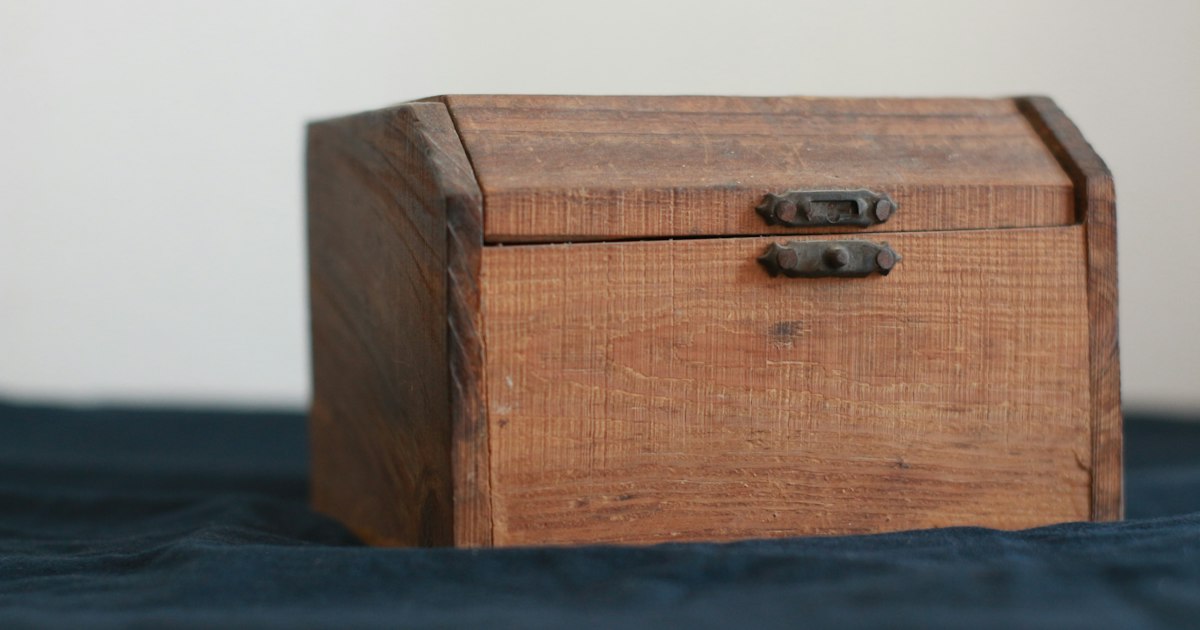
    Photo by OWN FILTERS on Unsplash

    A tansu is more than a chest of drawers. These joinery-and-iron cabinets were built for merchants, farmhouses, and kitchens across Edo- and Meiji-era Japan, and the good ones were made to survive earthquakes, fires, and a few generations of hard use. If you’ve seen one in a Kyoto machiya guesthouse or a design magazine and want to bring one home, here’s what you’re actually buying, what it should cost, and where to find a real one — or an honest reproduction — without overpaying for either.

    What “tansu” actually covers

    Tansu is a catch-all term, and knowing the subtypes helps you avoid paying antique prices for a mislabeled piece. The most commonly seen types in shops:

    • Kaidan tansu — staircase chests, originally built into the stairs of merchant houses. Genuinely old examples are rare and expensive (¥300,000–¥1,200,000+); most “kaidan tansu” sold today are later reproductions sized for display, not actual stairs.
    • Choba tansu — low merchant’s accounting chests with a hinged writing surface, often the most affordable antique category (¥60,000–¥250,000).
    • Mizuya tansu — kitchen cabinets with sliding doors and small drawers, popular with Western buyers for their grid-like look (¥80,000–¥400,000 depending on wood and age).
    • Funa tansu — ship chests, heavily iron-banded and built to survive being thrown overboard in a storm. These are the priciest and most faked category; expect ¥200,000 to well over ¥1,000,000 for verified originals.

    Most “antique” tansu on the market date from late Meiji to early Showa (roughly 1890s–1930s), not the Edo period. A dealer who says “Edo period” without hesitation on a piece priced under ¥500,000 should be questioned — true Edo-era tansu are museum-grade and priced accordingly.

    Buying an original: markets and dealer streets

    The best prices and the most fun come from Japan’s outdoor antique markets, held monthly rather than daily, so timing matters:

    • Oedo Antique Market — held at Tokyo International Forum roughly twice a month, typically 1st and 3rd Sunday, 9am–4pm (check the current calendar before going, as dates shift). Furniture dealers are a minority among ceramics and textiles, but tansu does turn up, often at better prices than fixed shops because dealers want to move bulky items.
    • Toji Temple Kobo-ichi Market in Kyoto — held on the 21st of every month, 5am–4pm, with a handful of furniture and tool dealers among the hundreds of stalls. Go early; good pieces move fast.
    • Kitano Tenmangu Tenjin-ichi Market in Kyoto — held on the 25th of every month, similar hours, slightly more antique-focused than Toji.
    • Furumonzen-dori and Shinmonzen-dori in Kyoto — two parallel streets near Gion lined with established antique shops (most open roughly 10am–6pm, closed irregularly, so call ahead). Prices are fixed and higher than market stalls, but dealers here generally provide a written description of era and wood, which matters for export paperwork and your own peace of mind.

    Winter and early spring tend to have thinner crowds at these markets than the autumn foliage season, which is worth knowing if you want time to actually inspect joinery and hardware rather than queue behind other shoppers.

    What to check before you buy

    A few minutes of inspection prevents an expensive mistake:

    • Wood — kiri (paulownia) is light, fine-grained, and used for the best mizuya and clothing chests; keyaki (zelkova) is heavier and more prized, often used for drawer fronts over a cheaper cedar or pine carcass. Ask which parts are which — a “keyaki tansu” with only a thin veneer of keyaki is common and should be priced accordingly.
    • Hardware — hand-forged iron pulls and locks show hammer marks and slight asymmetry. Machine-stamped, perfectly uniform hardware usually signals a later restoration or an outright reproduction.
    • Repairs — old tansu were repaired for generations, and replaced panels or drawer bottoms aren’t dealbreakers, but ask what’s original. A fully “restored” piece with new lacquer and new hardware is really a reproduction shell with an old frame, and should be priced closer to a reproduction.
    • Smell and insect damage — a musty, damp smell or small bore holes mean the piece spent decades in a humid storehouse (kura). This isn’t automatically disqualifying, but factor in a proper airing-out period before the chest comes anywhere near your home.

    Buying a reproduction instead

    If you want the look without the restoration gamble, several Japanese furniture makers still build tansu using traditional joinery, just with new wood and finishing. Reproductions run roughly ¥100,000–¥500,000 for a mid-size piece, and they have real advantages: no insect history, drawers that still run smoothly, and hardware you don’t have to baby. Kyoto and Takayama both have small workshops producing these, and department stores like Takashimaya occasionally carry curated traditional-furniture selections in their home goods floors. A reproduction is also the sensible choice if you’re furnishing a vacation rental or an Airbnb rather than collecting — nobody needs museum-grade joinery under a TV stand.

    Shipping, customs, and sizing reality

    This is where tansu shopping differs from buying a koro or a set of mahjong tiles you can carry home in a suitcase — see our guide to koro incense burners and riichi mahjong tile sets for examples of compact antique buys. A tansu has to be crated and shipped. Reputable Kyoto and Tokyo antique dealers can arrange international shipping, usually quoting separately from the furniture price; budget ¥30,000–¥80,000 for crating and sea freight to North America or Europe on a mid-size chest, with transit taking six to ten weeks. Air freight is faster but can double or triple that cost. If you’re mid-trip and don’t want to commit to shipping yet, or you’ve bought a piece you need to store while you keep traveling, a short-term option is a Japanese storage unit — our guide to renting a trunk room in Japan covers how these work for visitors with awkward timing.

    Common mistakes to avoid

    • Buying on era claims alone. Ask for the wood type and construction details, not just a century. Dealers at fixed-location shops on Shinmonzen-dori are generally more reliable on this than market stalls, but always ask.
    • Ignoring humidity at home. Kiri and keyaki move with seasonal humidity. A chest that fit perfectly in a Kyoto shop can have sticking drawers in a centrally heated apartment; ask the dealer about seasonal care.
    • Forgetting the hardware is often the valuable part. Original hand-forged locks and pulls get swapped onto cheaper frames by less scrupulous sellers. If the hardware looks exceptional but the wood looks ordinary, ask directly whether they were married later.
    • Underestimating total cost. The sticker price is rarely the final price once crating, shipping, and possible customs duties are added — get a full landed-cost estimate before you commit.

    Done carefully, a tansu is one of the few souvenirs from Japan that gets more interesting with age rather than less — a piece of furniture with a biography, sitting in your living room instead of a museum case.

  • Kurozu: Kagoshima’s Amber Black Vinegar and Where to Taste It at the Source

    Most visitors to Kagoshima come for Sakurajima’s smoking cone or the black pork on every menu. Few know that just across the bay, in a quiet farming town called Fukuyama, thousands of ceramic jars sit in open fields slowly turning brown rice into one of Japan’s most distinctive condiments: kurozu, or “black vinegar.” It’s amber, not black, with a deep, almost sherry-like funk that bears little resemblance to the sharp white rice vinegar in most Japanese kitchens. If you’re tracing food origins the way other travelers chase temples, this is a worthwhile detour.

    What Makes Kurozu Different From Ordinary Rice Vinegar

    Regular Japanese rice vinegar is typically brewed indoors in stainless tanks over a few weeks, using polished rice. Kurozu from Fukuyama uses a method developed roughly 200 years ago in the late Edo period: unpolished brown rice, rice koji, and water are layered directly into a single outdoor earthenware jar, where saccharification, alcohol fermentation, and acetic fermentation all happen in that one vessel, driven by wild yeasts and bacteria in the air and soil. There’s no stirring, no temperature control, and no shortcuts — the process takes a minimum of one year, and the most prized grades are aged two to three years or longer.

    The result is darker, thicker, and more savory-sweet than standard vinegar, with a flavor closer to balsamic in body but distinctly umami rather than sweet. Locals drink it diluted as a health tonic, cook with it in simmered dishes, and use it to glaze Kagoshima’s famous black pork.

    Fukuyama: The Town Where Vinegar Ferments in the Sun

    Fukuyama (now part of Kirishima City) sits on the northeastern shore of Kinko Bay, directly across the water from Sakurajima. The town’s mild, sunny, relatively stable climate is exactly why the jar-fermentation method took hold here and nowhere else at scale — the jars need steady warmth and sunlight to work. Driving in, you’ll see entire sloped fields packed with rows of brown clay pots instead of crops, which is a genuinely strange and photogenic sight the first time you encounter it.

    Two producers run visitor-facing facilities in Fukuyama: Sakamoto Kurozu, which calls its jar fields “Tsubo Batake,” and Fukuyama Kurozu, whose site is known as “Tsubo no Sato.” Both are working production sites, not recreations — the jars you’re looking at are the same ones producing the vinegar sold in the shop.

    Visiting the Jar Fields and Tasting On-Site

    At either facility, expect a small museum or exhibit hall explaining the history and process, a walking path through the outdoor jar fields, a shop, and a café or restaurant serving kurozu-based food and drinks. Entry to the exhibit and fields is free at both; you only pay for what you eat, drink, or buy. Typical offerings include diluted kurozu drinks (often mixed with honey or fruit juice to soften the acidity), kurozu-marinated pork set meals, and soft-serve ice cream with a kurozu syrup drizzle — a better introduction than drinking it straight if you’re new to the flavor.

    Hours at both sites generally run from around 9:00 to 17:00, with closures around New Year’s; it’s worth confirming current hours before you drive out, since rural facilities in Japan do shift seasonal schedules. Give yourself 45–60 minutes to walk the jar fields and browse the shop, longer if you want to eat.

    Best Time to Visit

    The jars ferment best, and look their best, on clear days — overcast weather makes for a duller visit since the whole point is sunlight hitting thousands of pots. The real photographer’s secret is going at dawn, especially on cool mornings in autumn through early spring: the temperature difference between the warm fermenting liquid inside the jars and the cold morning air makes visible steam rise off the whole field, a scene locals call “jar mist.” Most facilities open mid-morning, so this effect is really only visible if you’re staying nearby overnight or driving out very early before opening hours — ask the facility directly if early viewing from the perimeter is possible, since access to the fields themselves is usually restricted to opening hours.

    Midsummer is viable but hot and humid for walking the open fields; spring and autumn are the most comfortable.

    Getting There From Kagoshima City

    There’s no train station in Fukuyama itself, which is the main reason this stays off most itineraries. The most practical option is a rental car, about 50–60 minutes from Kagoshima City via Route 10 along the bay — and the coastal drive with Sakurajima in view is part of the appeal. Without a car, the nearest JR stations are Kokubu or Hayato on the Nippo Line; from either, you’ll need a taxi (roughly 15–20 minutes) since local bus service to the jar fields is infrequent and not tourist-friendly. If you’re staying in Kagoshima City the night before, many budget and mid-range hotels there now use self-check-in kiosks and key lockers, which is handy if you want to leave early for the dawn jar-mist effect without waiting on a front desk.

    Common Mistakes to Avoid

    • Expecting it to taste like balsamic. It’s thinner and more savory-tart, not syrupy-sweet — don’t buy a bottle expecting a dessert glaze.
    • Assuming all “kurozu” on supermarket shelves is the same. Mass-market black vinegar is often aged only a few months in tanks, not fermented for years in outdoor jars. Look for labeling that specifies jar fermentation (壺づくり, tsubo-zukuri) and an aging period if you want the real thing.
    • Underestimating the drive. Treating Fukuyama as a quick add-on to a Sakurajima ferry day trip usually backfires — budget it as its own half-day excursion.
    • Drinking it undiluted on a dare. Straight kurozu is intensely acidic; locals dilute it roughly 1 part vinegar to 4–8 parts water or juice.

    What to Buy, at Every Budget

    Both facility shops and department store food halls in Kagoshima City carry the full range:

    • Budget (around ¥600–900): a small 200ml cooking-grade bottle, aged roughly one year — good for trying it in a dressing or marinade at home.
    • Mid-range (around ¥1,500–2,500): a 500ml bottle aged two years, or a bottled kurozu drink pre-mixed with honey — the most popular souvenir size.
    • Splurge (around ¥3,000–6,000+): long-matured kurozu (three years or more), sold in smaller gift bottles or boxed sets, sometimes alongside kurozu-based skincare items, which both major producers also sell as a sideline.

    Pack bottles carefully in checked luggage or a dedicated liquids bag — vinegar leaks are unforgiving in a suitcase. If you’re building out a wider list of distinctive regional Japanese foods worth bringing home, it’s worth comparing kurozu against other single-origin specialties like Okinawa’s kokuto black sugar — both are products you genuinely can’t replicate outside their home region, which is exactly what makes them worth the suitcase space.

    If your Kyushu trip continues south into Miyazaki, you’ll find another regional specialty worth seeking out in hiyajiru, Miyazaki’s chilled fish and miso soup poured over rice — a good pairing for anyone treating this part of Kyushu as a food-first itinerary rather than a sightseeing checklist.

  • Hiyajiru: Miyazaki’s Chilled Fish and Miso Soup Poured Over Rice

    Hiyajiru: Miyazaki’s Chilled Fish and Miso Soup Poured Over Rice

    Photo by Sam Lee on Unsplash

    If you ask someone from Miyazaki what they eat to survive the subtropical summer, there’s a good chance they’ll say hiyajiru. It’s a cold miso soup studded with flaked grilled fish and cucumber, poured over a bowl of hot rice until the grains soften and soak up the broth. It sounds strange on paper — cold soup on hot rice — but it’s one of the most genuinely refreshing things you can eat in Japan, and it’s almost unknown outside Kyushu. Here’s what it is, where to find it, and how to order it without making a rookie mistake.

    What Is Hiyajiru?

    Hiyajiru (冷や汁, literally “cold soup”) is a home-style dish from Miyazaki Prefecture, built to fight natsubate — the appetite loss and fatigue that hits during Kyushu’s long, humid summers. The base is a cold miso broth, usually chilled dashi mixed with toasted miso, into which cooks fold flaked grilled fish (most commonly aji, horse mackerel, or saba, mackerel), crumbled tofu, thinly sliced cucumber, and fragrant herbs like myoga and shiso. The whole thing gets ladled over a bowl of rice at the table, so the rice is warm while the soup on top stays cold — that temperature contrast, plus the crunch of raw cucumber, is the whole point of the dish.

    It’s traditionally a farmhouse and fisherman’s meal rather than restaurant food, which is part of why it stayed regional. You’ll sometimes see a very different “hiyashijiru” from Yamagata Prefecture mentioned online — that’s a cold vegetable soup with a completely different base, so don’t confuse the two when searching or ordering.

    How It’s Made and What It Tastes Like

    The classic method starts with grilling the fish and sometimes lightly charring the miso itself (yaki-miso) over the same flame, which gives the broth a smoky depth you wouldn’t expect from a cold dish. The miso is ground with roasted sesame seeds — many cooks still use a traditional wooden pestle called a suribachi — then loosened with cold dashi or ice water until it’s soup-thin. Cucumber, tofu, and herbs go in just before serving so they stay crisp.

    The flavor is savory, nutty, and briny from the fish, with a cooling lift from the cucumber and shiso. Texturally it’s closer to ochazuke than to a Western soup — you’re meant to eat it with a spoon straight down into the rice bowl, mixing as you go, rather than sipping it separately.

    Where to Eat Hiyajiru in Miyazaki

    You won’t find hiyajiru everywhere in Japan, so it’s worth seeking out specifically while you’re in Kyushu rather than hoping to stumble on it.

    • Budget (around 800–1,200 yen): Local teishoku diners (shokudo) around Miyazaki Station and the Tachibana-dori covered arcade often run hiyajiru as a lunch set with grilled fish, pickles, and rice. Roadside rest stops (michi-no-eki) scattered across the prefecture are another reliable, cheap option, especially if you’re driving.
    • Mid-range (around 1,500–2,500 yen): Izakaya and specialty rice-and-fish restaurants in central Miyazaki City plate it more generously, often with a wider fish and shellfish selection alongside. This is the sweet spot if you want a proper sit-down meal rather than a quick lunch.
    • Splurge (5,000 yen and up): Ryokan and resort restaurants near Aoshima Beach or the Kirishima hot spring area sometimes include a refined version of hiyajiru as one course in a multi-dish kaiseki-style dinner, paired with local Miyazaki beef or fresh-caught fish. It’s a nice way to taste an elevated version after trying the everyday kind.

    Menus will usually just list it as 冷や汁 (hiyajiru), sometimes with 定食 (teishoku, set meal) attached. Staff are generally happy to explain it to curious foreign visitors if you point and ask.

    Getting to Miyazaki

    Miyazaki doesn’t have a shinkansen stop, so plan around one of these routes:

    • By air: The fastest option. Flights from Tokyo Haneda to Miyazaki Airport take about 1 hour 45 minutes, with multiple daily departures; there are also direct flights from Osaka and Nagoya.
    • By train: Take the shinkansen to Kagoshima-Chuo, then transfer to the limited express “Kirishima,” which takes roughly 2 hours to reach Miyazaki. Alternatively, from Hakata (Fukuoka) the limited express “Nichirin” runs directly to Miyazaki in around 3.5–5 hours depending on the service.
    • By ferry: An overnight ferry connects Kobe/Osaka to Miyazaki Port, a scenic if slow option if you’re already road-tripping through Kansai.

    Once there, a rental car is genuinely useful if you want to combine hiyajiru hunting with sights like Aoshima’s Devil’s Washboard rock formations or the drive down toward Kirishima — Miyazaki’s bus network covers the city but thins out fast outside it.

    Best Time to Try It

    Hiyajiru is fundamentally a summer dish, and it shows: it’s most widely available and at its best from June through September, when Miyazaki’s heat and humidity make a cold bowl over rice genuinely appealing rather than a novelty. Some shokudo and izakaya do serve it year-round, but in winter you’ll have a smaller pool of restaurants to choose from, so if trying it is a priority, build your trip around the warmer months.

    Common Mistakes to Avoid

    • Treating it as a soup course. Hiyajiru is meant to go over rice, not be sipped from its own bowl. If it arrives separately, pour it over the rice yourself rather than eating the two in parallel.
    • Assuming it’s always on the menu. It’s a regional specialty, not a nationwide staple — don’t expect to find it outside Miyazaki Prefecture, and even within Miyazaki, confirm a shokudo serves it before you sit down in winter.
    • Confusing it with Yamagata’s “hiyashijiru.” Same-sounding name, different dish entirely — double-check you’re reading about Miyazaki’s version if you’re researching ahead of your trip.
    • Letting it sit too long. Part of the appeal is the contrast between cold broth and warm rice; order it to eat immediately rather than as a starter you nurse slowly.

    Bringing Hiyajiru Home

    If you want to recreate the dish after your trip, Miyazaki souvenir shops, the airport, and department stores like Yamakataya sell shelf-stable hiyajiru-no-moto kits — a packet of miso-sesame soup base plus freeze-dried fish and vegetable toppings that you rehydrate with cold water and pour over rice at home. They typically run 400–800 yen per packet and pack flat, making them an easy, lightweight souvenir compared to fresh food. It’s the same instinct behind other regional specialty souvenirs worth tracking down while you travel, like Okinawa’s kokuto black sugar candy or Hokkaido’s squid-stuffed ikameshi — foods tied so tightly to one place that seeking them out becomes part of the trip itself.

    Miyazaki rewards this kind of regional food curiosity generally. If hiyajiru gets you interested in Japan’s lesser-known prefectural dishes, it’s worth pairing it with other regional classics like Nagoya’s ankake pasta on a longer Kyushu-to-Chubu itinerary — each one is a small, specific reason to get off the main tourist track.

  • Toshima: The Smallest and Least-Visited of Tokyo’s Izu Seven Islands

    Technically part of Tokyo, Toshima feels like another country. It’s a near-perfect volcanic cone rising out of the Pacific roughly 140 kilometers south of the capital, home to fewer than 300 people, no convenience stores, and no traffic lights. Of the Izu Seven Islands administered by the Tokyo Metropolitan Government, Toshima is the smallest in population and arguably the hardest to reach on a schedule — which is exactly why it’s worth the effort if you want a genuinely remote island day or two without leaving the Tokyo prefecture on paper.

    Where Toshima Is and Why So Few Visitors Make It There

    Toshima is about 4 square kilometers, shaped almost like a perfect circle around its central peak, Mt. Miyatsuka, which tops out around 508 meters. There’s one village, one port, one school, and one road that circles the coast. Unlike several of its neighbors in the Izu chain, Toshima has no airport and no helicopter link — Oshima, Niijima, and Hachijojima all have air access, but Toshima can only be reached by boat. That single bottleneck, combined with a harbor that’s exposed to swell, keeps visitor numbers low even in peak season.

    How to Get There

    Tokai Kisen runs the only scheduled service. The large overnight ferry departs Tokyo’s Takeshiba Pier around 22:00 and reaches Toshima before dawn, roughly 8 hours later, with second-class one-way fares typically landing somewhere around ¥7,500–8,000 (fares are adjusted periodically, so check Tokai Kisen’s site before booking). From spring through autumn, a faster jet ferry also runs daytime service from Takeshiba, cutting the trip to around 2.5–3 hours for a higher fare, usually in the ¥12,000–14,000 range one-way.

    The detail that catches people out: Toshima’s port only has deep, sheltered water on one side of the island. When swell comes from the wrong direction, the ferry simply can’t dock and continues on to the next island without letting anyone off — or picks up without stopping for pickup. This happens more often here than at most other Izu islands. Build at least one buffer day into your itinerary, avoid booking a tight flight or shinkansen connection for the day you’re due back in Tokyo, and check the Tokai Kisen operational status page the morning of travel.

    Best Time to Visit

    There are really two seasons worth planning around. Camellia (tsubaki) blossoms peak from December through February, when the hillsides that cover most of the island turn into a dense canopy of dark green leaves and red flowers — this is also the quietest, coolest, and roughest-sea time of year, so expect more cancellations. Summer, roughly June through September, brings calmer crossings, warm water for diving and snorkeling, and the best odds of the ferry actually running on schedule. If your priority is simply setting foot on the island and getting back reliably, summer is the safer bet; if you want to see what Toshima is actually famous for, winter is the payoff.

    What Toshima Is Actually Known For

    Camellia oil is the island’s defining industry. An estimated 200,000 or so camellia trees blanket Toshima’s slopes, planted generations ago to stop erosion on the steep volcanic terrain, and their seeds are pressed into tsubaki oil — a clear, light cosmetic and hair oil that islanders say accounts for a large share of all the camellia oil produced in Japan. Small bottles are sold at the one or two general stores near the port and occasionally directly from producers; prices for a small bottle (around 30–50ml) are usually in the ¥1,500–3,000 range. As with any small-batch regional craft product, it’s worth asking whether what you’re buying was actually pressed on Toshima rather than blended elsewhere — the same buyer-beware instinct that applies to shopping for genuine Kiso Shikki lacquerware in Nagano applies here.

    The other reason divers specifically seek Toshima out is water clarity and pelagic sightings — the island sits in a current that keeps visibility exceptionally high, and early summer occasionally brings schools of hammerhead sharks past well-known local dive points. The one or two dive shops on the island rent gear and run guided boat dives; expect to pay roughly ¥15,000–20,000 for a two-tank day including equipment, in line with typical Izu Islands dive shop rates, though it’s worth confirming current pricing directly since options are limited and seasonal.

    Where to Stay and Eat

    There are no hotels on Toshima — accommodation is a handful of family-run minshuku (guesthouses), maybe five or six in total, almost all clustered near the port village. Most operate on a two-meals-included basis, with dinner built around whatever was caught that day, and typical per-person rates with breakfast and dinner run somewhere around ¥8,000–12,000 a night. Because the island is so small, book well ahead — there’s no overflow capacity if a place is full, and a cancelled return ferry can leave you needing an unplanned extra night. There’s no campground to fall back on, so don’t treat camping as a backup plan. Budget travelers should expect Toshima to cost more per night than a comparable stay in central Tokyo, simply because everything — food, fuel, supplies — arrives by the same ferry you did.

    Common Mistakes to Avoid

    • Booking a same-day return connection. With no air option and a harbor that can close without much notice, treat the ferry schedule as a rough guide, not a guarantee.
    • Assuming you can buy supplies on arrival. There’s no convenience store and only a couple of small general stores with limited stock and limited hours — bring cash, any specific snacks or drinks you want, and sunscreen.
    • Underestimating the terrain. The island’s one road climbs steeply from the port; comfortable footwear matters more here than on flatter islands.
    • Not checking cell coverage expectations. Signal exists in the village but can be patchy elsewhere on the island, so don’t rely on real-time navigation once you’re off the main road.

    If You Like Toshima, Where Else to Look

    Toshima rewards the same instinct that drives people toward other under-the-radar day-trip destinations in Japan — somewhere quiet enough that you notice the difference immediately. If a slower, nature-first escape appealed to you here, Kyoto’s Kurama and Kibune river valley offers a similarly low-key alternative without the ferry logistics, and Toyama’s Shomyo Falls is another record-holding natural site that most visitors to Japan never get around to seeing, despite being far easier to reach than Toshima is.

  • Koro: Japan’s Ceramic and Metal Incense Burners and Where to Buy One

    Koro: Japan’s Ceramic and Metal Incense Burners and Where to Buy One

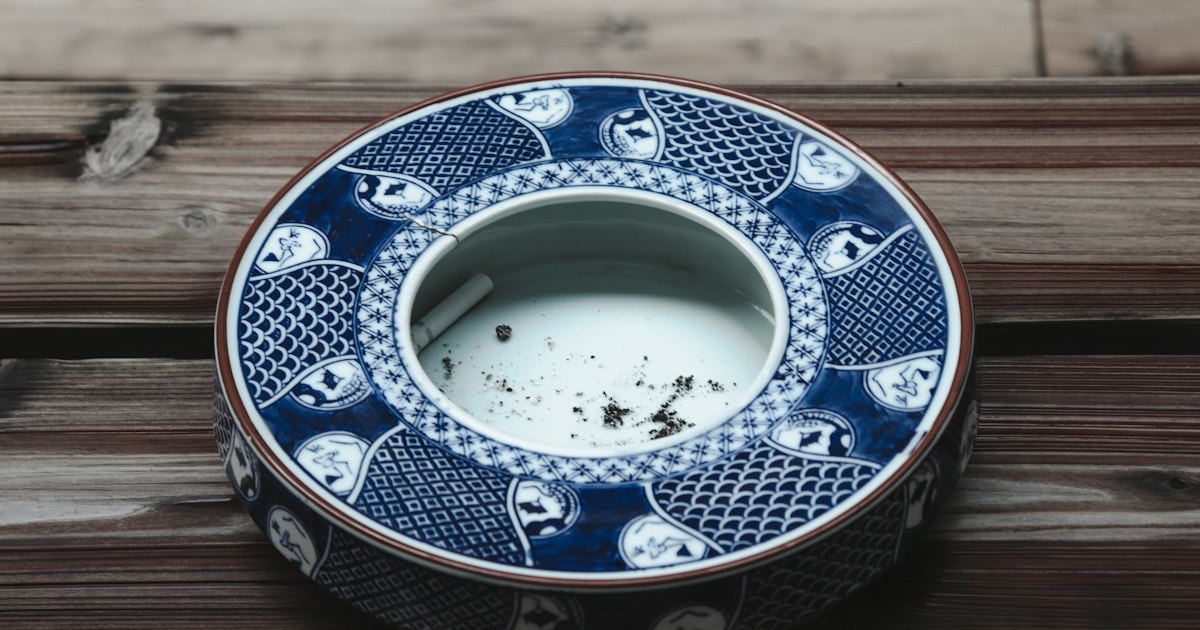
    Photo by SLNC on Unsplash

    Walk into almost any traditional Japanese home, temple, or tea room and you’ll eventually spot one: a small vessel, often footed and lidded, with a faint curl of smoke or the warm scent of sandalwood drifting from its perforated top. That’s a koro (香炉), Japan’s incense burner, and it’s one of the most underrated souvenirs a visitor can bring home — compact, genuinely useful, and available in everything from ¥1,500 drugstore versions to museum-quality bronze pieces costing hundreds of thousands of yen. Here’s how to find the right one and avoid the mistakes most first-time buyers make.

    What Exactly Is a Koro?

    Koro covers a wide family of objects united by one function: holding burning or smoldering incense safely. That includes the small brass burners placed on home Buddhist altars (butsudan), the elegant footed censers used in formal incense appreciation (kodo), and the simple ceramic dishes sold for everyday stick incense. The word itself just means “incense furnace” — ro, the same character used for a hearth or kiln.

    Most koro share a few features: a bowl to hold ash (which insulates the heat), a perforated lid or open top to let scent escape, and often three small feet. Ceramic versions are usually glazed porcelain or stoneware and tend to be lighter and less expensive. Metal versions — bronze, brass, or cast iron — are heavier, often more ornate, and considered more durable for daily use since they won’t crack from heat over decades.

    Ceramic vs. Metal: Which One Should You Buy?

    If you’re buying mainly for the aesthetic — as a decorative object or a holder for cone/stick incense at home — ceramic is the easier entry point. Regional kilns like Kutani (Kanazawa), Kiyomizu-yaki (Kyoto), and Arita/Imari (Saga) all produce koro, and the hand-painted glazes make each piece distinct. Expect simple glazed dishes from around ¥2,000–¥4,000, and hand-decorated Kutani or Kiyomizu pieces from ¥8,000 up to ¥30,000 or more depending on the artist.

    Metal koro are the choice if you actually burn incense regularly or want something that will be handed down. Cast bronze and brass resist heat damage indefinitely and develop a pleasant patina over years of use. Budget metal koro (often mass-produced, sold at Buddhist altar shops) start around ¥3,000–¥6,000; hand-cast pieces from recognized metalworking towns run ¥15,000–¥60,000, and signed artisan work can exceed ¥100,000.

    Where to Buy in Tokyo

    Asakusa is the best Tokyo neighborhood for this hunt, almost by accident: the streets around Senso-ji, especially toward Kappabashi, are lined with butsugu-ten (Buddhist ritual-goods shops) that have supplied temples and home altars for generations. These shops carry both everyday brass koro and finer lacquer-trimmed sets, generally open around 10:00–18:00, closed irregularly on weekdays — call ahead if you’re making a special trip. It’s a fitting stop if you’re also curious about Japan’s quieter memorial customs; the same ritual-goods culture underlies traditions like the one described in Hari-Kuyo and Ningyo Kuyo, where incense and small ceremonial burners play a quiet supporting role.

    For a more contemporary take, Lisn — the modern incense line run by the centuries-old Kyoto maker Shoyeido — has a Tokyo shop in Aoyama (near Omotesando) selling minimalist ceramic and glass koro designed for small apartments, from roughly ¥3,000. Department store craft floors (Nihonbashi Takashimaya and Mitsukoshi Ginza both have strong ceramics sections) are a reliable fallback if you want English-speaking staff and guaranteed shipping options.

    Where to Buy in Kyoto

    Kyoto is arguably the best single city for koro shopping because it has both ceramic production and the country’s two oldest incense houses. Kungyokudo (founded in the 16th century) and Shoyeido both run shops in central Kyoto selling incense alongside burners suited to it — simple ceramic koro from around ¥2,500, and nicer sets with ash and tools from ¥8,000–¥15,000.

    For ceramics specifically, head to the Kiyomizu-yaki pottery lanes — Chawan-zaka and Sannen-zaka — on the approach to Kiyomizu-dera, where dozens of small studios and shops sell Kiyomizu ware, including footed incense burners with the glossy, finely crackled glazes the style is known for. If you’re combining this with sightseeing, our guide to Kiyomizu-dera and how to beat the crowds covers the best timing — arriving before 9:00 lets you shop the lane in relative quiet before tour groups arrive. Shops here typically open 9:00–10:00 and close by 17:30–18:00.

    Takaoka: Japan’s Metal Incense Burner Capital

    If a metal koro is what you’re after, it’s worth the detour to Takaoka in Toyama Prefecture, which has cast bronze and brass goods for over 400 years and still produces the majority of Japan’s cast metalware, including Buddhist altar fittings and incense burners. Nousaku, the city’s best-known modern foundry, sells tin and bronze homeware (including incense burners and holders) at prices from around ¥8,000 for small pieces to ¥40,000+ for larger cast work, with a shop and factory tour in Takaoka itself. The older trade association shops in the Kanaya-machi historic district sell more traditional, heavier cast koro, often ¥20,000 and up, with some artisan-signed pieces well into six figures.

    Takaoka is roughly 2.5 hours from Tokyo via Hokuriku Shinkansen to Toyama, then a short local transfer — doable as a long day trip, or pair it with a stop at Shomyo Falls if you’re exploring the rest of Toyama.

    Common Mistakes to Avoid

    • Buying a koro with no ash. Most koro need a layer of incense ash inside to insulate the base and hold the incense upright or embed smoldering charcoal. Cheap sets often don’t include it — ask, or buy a small bag separately (usually ¥500–¥1,000 at the same shop).
    • Assuming all koro take the same incense. Stick incense, cone incense, and kneaded/powdered incense (used with charcoal) often need different burner shapes. Tell the shop staff what kind of incense you plan to use.
    • Packing it badly. Ceramic koro are more fragile than they look, especially lids. Ask shops for proper box packing (most will do this for free), and carry delicate pieces in your carry-on rather than checked luggage.
    • Overlooking import rules. Antique metal koro are fine to bring home in almost all cases, but if you’re buying something represented as a genuine antique (rather than new artisan work), ask for documentation — partly for customs peace of mind, partly because it affects resale value later.

    Whichever route you take — a ¥2,500 ceramic dish from a Kyoto lane or a hand-cast Takaoka bronze piece — a koro is a rare kind of souvenir that’s both decorative and genuinely functional, and one that tends to get used for years rather than shelved. If you’re assembling a broader collection of Japanese craft souvenirs, it pairs naturally with lacquerware pieces like those covered in our guide to Kiso Shikki from Nagano, which share the same slow, regional-craft shopping approach.

  • Hari-Kuyo and Ningyo Kuyo: Japan’s Memorial Rites for Retiring Needles and Dolls

    Hari-Kuyo and Ningyo Kuyo: Japan’s Memorial Rites for Retiring Needles and Dolls

    Photo by Van Peng on Unsplash

    In most countries, a broken sewing needle goes in the trash and an old doll ends up at a charity shop or in a landfill. In Japan, both get a funeral. Hari-Kuyo (針供養), the needle memorial, and Ningyo Kuyo (人形供養), the doll memorial, are two of the country’s most quietly moving rituals — rooted in the Shinto and Buddhist idea that objects used with care, especially ones shaped like or in service of the human body, deserve to be thanked and retired properly rather than simply discarded. For visitors, both are genuinely accessible: you don’t need a connection or an invitation, just the right date and a bit of respect for what’s happening.

    Why Japan Holds Funerals for Objects

    The underlying concept is mottainai — a sense of waste or disrespect when something that served its purpose faithfully is tossed aside without acknowledgment. Needles are considered to have “worked hard,” piercing tough fabric their entire lives, so at the end of their use they’re given a soft, gentle place to rest. Dolls go further: many Japanese dolls, especially Hina dolls and Ichimatsu dolls, are traditionally believed to absorb a bit of the owner’s spirit or to watch over a child, which makes putting one in a garbage bag feel genuinely uncomfortable for a lot of Japanese families. These ceremonies exist to resolve that discomfort — part religious rite, part practical disposal service.

    Hari-Kuyo: A Soft Resting Place for Needles

    Hari-Kuyo is held on February 8 in most of eastern Japan (Tokyo and the Kanto region), tied to the old calendar’s “Koto-yoka” work-pause days; some temples in Kansai hold their version on December 8 instead. The ritual itself is simple and striking: sewing professionals, kimono makers, and anyone who sews bring their year’s worth of broken, bent, or dulled needles and push them gently into a block of soft tofu or konnyaku (konjac jelly) laid out on an altar. After a lifetime of piercing stiff cloth, the needles finally get to sink into something soft. Priests chant sutras over the offerings, and the needles are later collected and ritually disposed of.

    You don’t need to be a sewer to watch — the public is welcome to observe, and some temples will let visitors bring their own needles to add to the tofu. If you have a sewing kit with you, bring a couple of spent needles along.

    Where to Experience Hari-Kuyo

    • Sensoji, Asakusa-do Hall (Tokyo) — the Awashima-do hall within Sensoji’s grounds holds its hari-kuyo ceremony on February 8, open to the public and free to attend. Nearest station: Asakusa (Ginza, Asakusa, Tobu, and Tsukuba Express lines), a 5–10 minute walk.
    • Horin-ji (Arashiyama, Kyoto) — a well-known February 8 hari-kuyo with monks chanting over a large block of konnyaku stuck full of needles; free entry to watch. Reachable from JR Saga-Arashiyama Station or Randen Arashiyama Station, about a 5-minute walk.
    • Awashima Jinja (Kada, Wakayama) — the head shrine of the Awashima faith, which specifically protects women’s health and needlework; it holds its own needle memorial on December 8. Take the Nankai Kada Line to Kada Station, then walk about 10 minutes.

    Arrive 20–30 minutes early for a good vantage point — these are small-scale ceremonies, not festivals, and crowds of even a hundred people can make it hard to see the altar. The same instinct to mend and preserve rather than discard shows up elsewhere in Japanese home life too, like the culture around repairing a torn shoji screen instead of replacing it outright.

    Ningyo Kuyo: Retiring Dolls With Dignity

    Ningyo Kuyo serves a more practical, year-round need: Japanese households accumulate an enormous number of dolls over generations — Hina dolls displayed every March 3rd, Ichimatsu dolls, Kokeshi, even stuffed animals and mascot figures in some cases — and eventually someone has to decide what to do with them. Rather than throw them out, families bring them to a shrine or temple (or a specialty doll shop that partners with one) for a blessing, after which the dolls are ritually burned or otherwise disposed of in a ceremony called otakiage.

    The single most famous ningyo kuyo site in Japan is Awashima Jinja in Kada, Wakayama — the same shrine mentioned above for needles. Visitors who step inside find literally thousands of donated dolls stacked floor to ceiling along the walls and altars; it’s one of the more visually overwhelming small shrines in the country, equal parts touching and unsettling. Dolls can be dropped off here year-round for a donation, and the shrine periodically performs memorial burnings.

    Where to Bring a Doll for Kuyo

    • Awashima Jinja (Wakayama) — accepts dolls by mail or in person, donation-based; no fixed opening hours restrict viewing the doll hall, but arrive during daylight for the full effect. Access as above via Kada Station.
    • Asakusabashi doll shops (Tokyo) — Asakusabashi, a few minutes from Akihabara, is Tokyo’s traditional doll and craft wholesale district. Long-established shops such as Yoshitoku and Kyugetsu offer a ningyo kuyo drop-off or mail-in service, typically charging in the range of ¥1,000–¥3,000 per doll depending on size; the shop forwards dolls to an affiliated temple for periodic blessing and disposal. Nearest station: Asakusabashi (JR Sobu Line, Toei Asakusa Line).
    • Imado Jinja (Asakusa, Tokyo) — a smaller shrine a 15–20 minute walk from Asakusa, historically tied to doll-making, which also conducts doll memorial services; check with the shrine office for current scheduling before bringing a doll.

    Practical Tips, Costs, and Common Mistakes

    Budget option: attending a public hari-kuyo ceremony costs nothing beyond transport — just show up and watch respectfully, or add your own spent needles to the tofu if the temple allows it. Mid-range: mailing a single doll to a shop like Kyugetsu or Yoshitoku for ningyo kuyo runs roughly ¥1,000–¥3,000 plus shipping. Splurge: some shrines offer a private blessing specifically for a treasured heirloom doll or a large collection, with a dedicated priest reading and a personalized offering, which can run ¥5,000–¥10,000 or more depending on the shrine.

    Common mistakes to avoid:

    • Assuming these ceremonies run year-round on any date — hari-kuyo is tied to February 8 (or December 8) specifically, not a general-purpose service you can request anytime.
    • Showing up with a large box of dolls to a shrine expecting immediate drop-off; many sites prefer advance contact, and some, like Asakusabashi’s doll shops, require mailing rather than walk-in service.
    • Treating the ceremony as a photo-op spectacle. Quiet observation is fine; intrusive photography of mourners or priests mid-ritual is not well received.
    • Forgetting that these are solemn, not festive, events — unlike many of Japan’s seasonal matsuri, there are no food stalls or performances, just a short, sincere ritual.

    If this kind of under-the-radar, deeply human side of Japanese culture appeals to you, it’s worth pairing a visit with another niche traditional experience, like a session at one of Japan’s traditional ear-cleaning salons, or picking up a piece of enduring craftsmanship such as Kiso Shikki lacquerware from Nagano — objects built to be used for decades, then one day, perhaps, retired with the same care.