Japan Trove

Category: Uncategorized

  • Takaragawa Onsen: Gunma’s Riverside Mixed-Bathing Hot Spring

    Takaragawa Onsen: Gunma’s Riverside Mixed-Bathing Hot Spring

    Photo by Artem Shuba on Unsplash

    Deep in the mountains of Minakami, Gunma, where the Takaragawa river tumbles down from the Niigata border, sits one of Japan’s most famous — and most misunderstood — hot spring experiences. Takaragawa Onsen is known for its enormous open-air baths built directly along the riverbank, for the fact that most of them are mixed-gender (konyoku), and for a setting so remote and forested that soaking here feels nothing like a city spa. If you’ve seen a photo of bathers sitting in a snow-dusted rock pool next to a rushing river, there’s a good chance it was taken here. This guide covers what you actually need to know before you go: prices, hours, how to get there without a car, and how mixed bathing really works for foreign visitors.

    What Makes Takaragawa Different

    Takaragawa Onsen is really one historic inn, Osenkaku (汪泉閣), built around a cluster of four riverside rotenburo (outdoor baths) that are often described as among the largest open-air baths in Japan — the operator’s own figures put combined capacity at roughly 100 bathers across the baths. Three of the four are mixed-gender; one is reserved for women only. The baths sit at slightly different levels along the river’s edge, separated by rock and wood, with the water itself a milky, slightly sulfurous alkaline spring said to be good for skin and muscle fatigue.

    What draws people here isn’t luxury — the baths are rustic, the changing areas are basic, and the inn itself is an old-fashioned wooden ryokan rather than a polished resort. The appeal is the setting: forest on all sides, the river running past at arm’s length, and (depending on season) snow piling up on the rocks while you sit in steaming water.

    Mixed Bathing, Explained for Visitors

    Konyoku (mixed-gender bathing) was once common across Japan and survives today mostly at remote, traditional onsen like this one. At Takaragawa, men typically bathe nude as is standard onsen custom, while women almost always wear a yugi — a thin cotton bathing robe available to rent on-site for a small fee (budget around ¥300–500). Towels are not meant to go in the water itself, but the yugi is specifically designed for this purpose, so don’t be shy about using one if you’re uneasy about mixed nude bathing. If you’d rather skip mixed bathing entirely, the women-only bath (sometimes called Maha-no-yu) is available, and staff can point you to it.

    A few etiquette basics apply regardless of which bath you choose: rinse off at the washing area before entering, don’t swim or splash, keep long hair tied up and out of the water, and know that tattoos may be an issue — call ahead or check the inn’s current policy if you have visible tattoos, as some traditional onsen still restrict them.

    Prices and Hours

    Takaragawa welcomes day-trippers (higaeri onsen), not just overnight guests. Expect to pay roughly ¥1,500 for adults and around ¥1,000 for elementary-school-age children, with young children often free; bring cash, as rural onsen facilities frequently don’t take cards. Day bathing is generally available from around 9:00 a.m. to mid-afternoon (last entry typically around 3:00–4:00 p.m.), so this is not an evening soak — plan your trip for daytime hours and build in time to get back to the bus stop or your car before dark, especially in winter when daylight is short. If you stay overnight at Osenkaku, bathing hours extend later and you can visit the baths multiple times, including early morning before day-trippers arrive.

    How to Get There

    Takaragawa Onsen is genuinely remote, and this is the part most first-time visitors underestimate. The most practical route without a car is: take the Joetsu Shinkansen from Tokyo Station to Jomo-Kogen Station (about 75–90 minutes), then transfer to a local bus bound for Takaragawa Onsen. Buses run only a handful of times per day, so check the timetable before you leave Tokyo — missing the last return bus means an expensive taxi or an unplanned overnight stay. The bus ride itself takes roughly 45–50 minutes and winds through mountain roads. A taxi from Jomo-Kogen Station covers the same distance in about 40 minutes but will cost somewhere in the ¥8,000–9,000 range one-way, so it’s best split among a group.

    Driving gives you the most flexibility and lets you combine Takaragawa with other stops in the Minakami area, but the roads narrow considerably near the onsen and can be genuinely treacherous in winter without snow tires or chains. If you’re renting a car for this trip, it’s worth reading up on how parking works in Japan before you set off, since rural facilities like this one have their own small lots rather than the coin-parking systems you’ll find in cities.

    Best Season and Timing

    Takaragawa is a year-round destination, but the experience shifts dramatically with the seasons. Autumn (mid-October through early November) brings koyo foliage in brilliant reds and golds along the river valley, and this is arguably the most popular — and most crowded — time to visit. Winter (December through February) is when the famous snow-rimmed bath photos happen; soaking in hot water while snow falls around you is the signature Takaragawa experience, but access becomes harder, bus service can be disrupted, and you should only attempt this by car if you’re confident driving on snow. Spring brings fresh green leaves and milder access conditions, while summer offers lush greenery and the sound of the rushing river, though humidity and insects are more noticeable in the forest setting. Weekday visits, regardless of season, are noticeably quieter than weekends and holidays.

    Common Mistakes to Avoid

    • Not checking bus times in advance. With only a few departures daily, arriving at Jomo-Kogen Station without a return time in mind can strand you.
    • Assuming it’s an evening or late-night onsen. Day-bathing hours end mid-afternoon; this isn’t a place to show up at 6 p.m. expecting a soak.
    • Forgetting cash. Card payment is unreliable this far into the mountains.
    • Expecting a private, boutique experience. This is a large, communal, rustic bathing facility — wonderful for the setting and history, but not a quiet luxury spa.
    • Underestimating winter driving conditions if self-driving in the colder months.

    Where to Stay: Budget to Splurge

    Most visitors treat Takaragawa as either a day trip from Tokyo or Minakami, or an overnight stay at Osenkaku itself. For budget travelers, the day-trip bathing fee of around ¥1,500 is the cheapest way to experience the baths without committing to a stay. Mid-range visitors can book a standard overnight room at Osenkaku with the entrance fee included, typically running from around ¥15,000–25,000 per person with two meals (kaiseki-style dinner featuring local mountain vegetables and river fish is standard at this type of ryokan). For a splurge, look at the inn’s larger or river-view rooms, which command a premium but let you step almost directly from your room to the baths. Whichever tier you choose, remember that checking into any Japanese ryokan requires presenting your passport — if this is your first stay in Japan, it’s worth reading up on what to expect when checking into a Japanese hotel so there are no surprises at the front desk.

    If you enjoy this kind of remote, nature-set hot spring resort, Gunma’s neighboring prefecture Tochigi offers a very different but equally rewarding option in Nasu Highland, which pairs onsen culture with an imperial villa and safari park and is easier to reach without a strict bus schedule. Either way, Takaragawa rewards visitors willing to put in the extra travel effort with a hot spring experience that feels genuinely out of step with modern Japan — in the best way.
  • Appi Kogen: Iwate’s Quiet Powder Ski Resort Beyond Niseko and Hakuba

    Niseko has the Australian crowds and Hakuba has the Tokyo day-trippers, but Appi Kogen, tucked into the mountains of Iwate Prefecture, still skis like it’s 1998 — long empty groomers, dry Tohoku snow, and lift lines that rarely exist even on a Saturday. It’s one of Japan’s largest resorts by trail area, yet most foreign visitors have never heard of it. Here’s what you need to know to plan a trip.

    Why Skiers Are Discovering Appi Kogen

    Appi Kogen sits in Hachimantai City, on the inland side of Iwate Prefecture in the Tohoku region, roughly three hours north of Tokyo. The resort was built for cruising: wide, machine-groomed boulevards cut through white birch and beech (buna) forest, with the longest run, Morinomiya, stretching about 5,500 meters from summit to base. The vertical and terrain are genuinely large by Japanese standards, but the pitch is mostly gentle-to-intermediate, which is why it’s long been a favorite for Japanese ski schools and families rather than freeride extremists. If you want steep chutes, this isn’t Niseko’s Hanazono backcountry — but if you want to log 20,000 vertical meters of uncrowded groomed skiing in a day, few places in Japan deliver it as reliably.

    Getting to Appi Kogen from Tokyo

    The trip is simpler than it sounds. Take the Tohoku Shinkansen (Hayabusa or Komachi) from Tokyo Station to Morioka — about 2 hours 10 minutes to 2.5 hours, with a reserved seat running roughly ¥14,000–15,000 one-way. From Morioka Station, you have two options:

    • Direct ski bus: In winter, buses run from Morioka Station directly to the Appi Kogen resort village, taking about 60–70 minutes and costing around ¥1,500–2,000 one-way. This is the easiest option with luggage.
    • JR Hanawa Line + shuttle: Local trains run from Morioka to Appi-Kogen Station (about 50 minutes), where a free shuttle bus connects to the resort base, roughly 10–15 minutes further.

    Driving is also an option — take the Tohoku Expressway to Matsuo-Hachimantai IC, then about 20 minutes to the resort. Parking at Appi Kogen itself is free and plentiful, unlike city driving in Japan, where you’ll run into coin-parking lots and strict no-street-parking rules; if your itinerary includes stops in Morioka or Sendai on the way, it’s worth skimming Parking in Japan: Coin Parking Lots, Apps & Why You Can’t Just Park on the Street before you go.

    Lift Tickets, Rentals, and Lessons

    A one-day adult lift pass typically runs around ¥6,000–6,500, with discounts for multi-day passes, half-day (afternoon) tickets, and early/late-season dates — prices shift slightly year to year, so check the resort’s official site before you travel. Full ski or snowboard rental sets (boots, skis or board, poles) run roughly ¥5,000–6,000 per day, and the resort’s international ski school offers English-language lessons during peak winter weeks, though availability is more limited than at Niseko, so book ahead if you need an English-speaking instructor. Night skiing is available on select slopes most of the season, a nice option after a full day on the mountain.

    Where to Stay: Budget to Splurge

    Lodging options cluster right at the resort base and in the surrounding Nishine district:

    • Budget: Local minshuku and pensions around Appi and Nishine, roughly ¥6,000–9,000 per person per night with breakfast. These tend to be family-run and heated the old-fashioned way — many rural Tohoku guesthouses still rely on kerosene stoves rather than central heating, so don’t be surprised to find one in your room; it’s worth knowing how they work before your trip, as covered in Kerosene Stoves (Sekiyu Stove): Japan’s Old-School Winter Heating and Where to Buy Fuel.
    • Mid-range: Hotels and lodges within the resort village, generally ¥15,000–25,000 per night for a double, often with ski-in/ski-out convenience.
    • Splurge: The ANA InterContinental Appi Kogen Resort sits right at the base of the slopes, with rates typically starting around ¥30,000–50,000+ per night depending on season and room category — the most comfortable base for a multi-day ski trip.

    Whichever tier you choose, remember Japanese hotels require a passport check and registration at check-in for foreign guests; if this is your first stay, it’s worth a quick read of Checking Into a Japanese Hotel: Passport Rules, ID Checks & What Foreign Guests Need to Know so there are no surprises at the front desk after a long travel day.

    Après-Ski: Onsen, Food, and Rest

    Several resort-area hotels have their own hot spring baths, and nearby Matsukawa Onsen and Tsunagi Onsen make good day-trip soaks if you want to venture slightly off-property. After a day of skiing, a shiatsu or amma massage is also easy to find at larger resort hotels and makes a genuine difference for tired legs — if you’ve never booked one as a visitor, see Shiatsu & Amma Massage: Booking a Traditional Japanese Massage as a Tourist for what to expect. On the food side, the resort village has casual cafeterias and izakaya, but it’s also worth driving or taking a bus into Morioka to try wanko soba (bottomless small bowls of soba, a local specialty) or Iwate’s regional beef before heading home.

    Best Time to Go and Common Mistakes

    The season generally runs from late November or early December into early May, thanks to Tohoku’s heavy, reliable snowfall — one of the longest ski seasons in Japan. The deepest, driest powder days tend to cluster in January and February; March brings milder temperatures and good spring-corn skiing on the lower runs. A few things catch first-time visitors off guard:

    • Assuming it’s as internationalized as Niseko. English signage and English-speaking staff exist but are less universal — basic Japanese phrases or a translation app help more here than in Hokkaido’s biggest resorts.
    • Flying in directly. There’s no major international airport nearby; Hanamaki Airport near Morioka has mostly domestic routes, so almost everyone connects through Tokyo via Shinkansen rather than flying straight in.
    • Underestimating the cold. Tohoku’s inland winter cold is dry but sharp, often well below freezing at the summit. Pack real base layers and a windproof shell, not just a city coat.
    • Expecting steep terrain. If big-mountain lines are your priority, Appi Kogen’s strength is long, confidence-building groomers and tree-lined cruisers, not cliff drops.

    For skiers who’ve already done Niseko or Hakuba and want something quieter — or for anyone building a wider Tohoku itinerary — Appi Kogen is an easy, well-run resort that rewards the extra travel time with space, snow, and a noticeably calmer mountain.

  • Nasu Highland: Tochigi’s Imperial Villa, Safari Park and Hot Spring Resort Town

    Nasu Highland: Tochigi’s Imperial Villa, Safari Park and Hot Spring Resort Town

    Photo by Bill Michaud on Unsplash

    Two and a half hours north of Tokyo, Nasu Highland climbs the slopes of an active volcano into cool forest, steaming hot spring villages, and grasslands where lions and giraffes roam in sight of the Imperial family’s old summer retreat. It’s one of Tochigi Prefecture’s most-visited escapes, but also one of the most spread-out — attractions here are scattered across a mountainside rather than clustered in a walkable town, which trips up a lot of first-time visitors. Here’s how to actually plan it.

    Getting There: Shinkansen, Bus, or Car

    The fastest route from Tokyo is the Tohoku Shinkansen to Nasushiobara Station — note that only the Yamabiko and Nasuno trains stop there, not the faster Hayabusa, so check your train type when booking. The ride takes roughly 70 minutes and costs around ¥5,500 one-way unreserved. From Nasushiobara Station, local buses (the JR Bus Kanto and Tohoku Bus lines) run up to the Nasu Onsen area in about 40–50 minutes; from there, individual sights like the safari park or the imperial villa grounds need another short bus hop or taxi, since they sit several kilometers apart on the mountain.

    Driving is far more convenient if you’re visiting more than one attraction in a day. Take the Tohoku Expressway to Nasu IC, then follow Route 17/Nasu Kogen Line up the mountain — about 2.5–3 hours from central Tokyo depending on traffic. If you’re renting a car for the trip and have only driven in Japanese cities before, it’s worth knowing that rural Tochigi parking works differently from the coin-parking lots you’ll have used in Tokyo; our guide to parking in Japan covers how to read the signage and apps before you head out of the city.

    The Nasu Imperial Villa and Heisei Forest

    Nasu’s imperial connection dates to 1926, when the Imperial Household built a summer villa here — following the lead of Western missionaries who’d already discovered the highland’s cool air decades earlier and built their own cottages nearby. The villa itself isn’t open to the public, but a large portion of its grounds were opened in 2011 as Nasu Heisei no Mori (Nasu Heisei Forest), named for the era of the emperor who chose to share it.

    Admission is free. There are two walking options: a short, self-guided forest loop near the visitor center that takes about 50 minutes and needs no reservation, and a deeper “Okunomori” course that requires a nature guide and advance booking, with a cap on daily visitor numbers — book this one online a few days ahead if you want it, especially on weekends and during autumn leaf season. The park is typically closed on Mondays; plan your visit day accordingly.

    Nasu Safari Park and Nasu Animal Kingdom

    Nasu Safari Park is the area’s original drive-through animal park: you can tour the lion and tiger enclosures in your own car (or a park ranger bus if you didn’t drive) before walking through a separate zone with elephants, bears, and smaller animals. Expect to pay roughly ¥2,600–2,800 for adults, with discounted child tickets. Hours generally run around 9:00–16:30, with reduced hours and some closed days in winter, so check the current schedule before you go.

    A few kilometers away in neighboring Nasushiobara, Nasu Animal Kingdom is the newer, more polished alternative — famous online for its hands-on capybara and otter feeding, plus a separate “Big Cat” safari bus tour sold as an add-on ticket. If you only have time for one, families with young kids tend to prefer Animal Kingdom’s interactive feel; visitors who want a classic drive-through safari experience should stick with Nasu Safari Park.

    Nasu Onsen: One of Japan’s Oldest Hot Spring Towns

    Nasu Onsen has been in continuous use for over a thousand years, name-checked in classical poetry and visited by the haiku poet Matsuo Basho on his famous journey north. It’s actually a cluster of smaller spring villages — Yumoto, Benten, Taka, Kita, and others, collectively called the Nasu Shichito (“seven hot springs”) — each with a slightly different water mineral profile, ranging from clear sulfur springs to cloudy white ones.

    Most visitors base themselves in Nasu-Yumoto, the oldest and most developed of the villages, where you’ll find public bathhouses charging a few hundred yen for a soak alongside full ryokan (traditional inn) stays. If a multi-day soak leaves your shoulders tight, many onsen towns in Japan — Nasu included — have shiatsu and amma massage parlors or in-room services; our guide to booking a traditional Japanese massage as a tourist explains how to arrange one even if you don’t speak Japanese.

    Right by Yumoto is Sessho-seki (“Killing Stone”), a volcanic rock tied to the legend of a fox spirit, Tamamo-no-Mae, said to have been sealed inside it. The rock made international news in 2022 when it cracked in two, which locals read as an old omen loosening its grip. It’s a free, 10-minute walk from the nearby parking area through a short volcanic gully — worth the detour even if you’re skeptical of the folklore.

    Mt. Nasu Ropeway and Best Season to Visit

    For views over the whole highland, the Nasu Ropeway carries visitors most of the way up Chausu-dake, Nasu’s active volcanic peak, where steam vents are still visible near the summit trail. A round trip runs around ¥1,800 for adults, with service roughly 8:30–16:30 depending on season and weather — strong wind can shut it down, so build in a backup plan if you’re visiting on a gusty day.

    Summer (June–August) is peak season for a reason: nighttime temperatures run noticeably cooler than Tokyo, which is exactly why missionaries and the Imperial family chose this spot in the first place. Autumn color usually peaks in early-to-mid October up near the ropeway and progresses down the mountain through late October. Winter brings skiing at the Nasu Onsen Family Ski Resort, while spring (late April–May) is quieter and good for fresh greenery without summer crowds.

    Where to Stay, and Common Mistakes to Avoid

    Budget travelers can find guesthouses and pensions around Nasu Kogen for roughly ¥5,000–8,000 per person a night. Mid-range visitors typically book a family-run ryokan in Yumoto or Nasu Kogen with dinner and breakfast included, around ¥15,000–25,000 per person. For a splurge, several higher-end resort ryokans on the upper mountain offer private rotenburo (outdoor baths) attached to the room, often ¥40,000+ per person per night. Whichever tier you pick, remember that Japanese accommodation requires ID at check-in; if it’s your first ryokan stay, our guide to checking into a Japanese hotel walks through what foreign guests need to have ready.

    The single biggest mistake visitors make is assuming Nasu Highland is walkable like a town center — it isn’t. The imperial villa grounds, the safari park, Yumoto Onsen, and the ropeway base are all several kilometers apart on a mountain road with infrequent bus service, sometimes just one bus an hour. Rent a car or budget for taxis between stops. Second, don’t underestimate the altitude: even in midsummer, evenings on the highland can be genuinely cold, and older ryokans up here sometimes still warm guest rooms with kerosene stoves in the shoulder seasons rather than central heating — if that sounds unfamiliar, our piece on Japan’s old-school kerosene heaters explains how they work and what that faint kerosene smell in your room is. Finally, if you want the guided forest course at the imperial villa grounds or a weekend ropeway slot in peak autumn, book ahead — same-day availability during leaf season is unreliable.

  • Numazu: Shizuoka’s Fresh-Catch Port Town and Its Kaisendon Capital

    Numazu: Shizuoka’s Fresh-Catch Port Town and Its Kaisendon Capital

    Photo by Red Shuheart on Unsplash

    An hour and a half from Tokyo, on the edge of Suruga Bay, Numazu does one thing better than almost anywhere else in Japan: it puts the morning’s catch on your plate before lunch. This is a working fishing port first and a tourist destination second, which is exactly why the kaisendon (seafood rice bowls) here taste the way they do. If you want to understand why Shizuoka Prefecture punches so far above its weight for seafood, a half-day in Numazu will show you.

    Why Numazu Port Is Worth the Detour

    Suruga Bay is one of the deepest bays in Japan, plunging to over 2,000 meters just offshore. That depth means boats based in Numazu haul in an unusually wide range of fish within a short run — shallow-water staples like aji (horse mackerel) and tachiuo (hairtail) alongside deep-sea species that rarely show up on menus elsewhere in the country. The port itself, Numazu Uogashi, is a working wholesale market with sushi counters and donburi shops built right into the building, so the fish moving through the auction floor downstairs is the same fish going into your bowl upstairs, often within hours.

    Getting There from Tokyo

    Numazu is easier to reach than its “regional day trip” reputation suggests. The simplest route is the Tokaido Shinkansen from Tokyo Station to Mishima (about 50–55 minutes on a Kodama, since Hikari and Nozomi don’t stop there), then a short local JR Tokaido Line transfer to Numazu Station, about 5 minutes and one stop. Total travel time is roughly an hour and a quarter.

    Budget travelers can skip the Shinkansen entirely and ride the JR Tokaido Line local or rapid train directly from Tokyo Station to Numazu — no transfer needed, just a longer ride of around 1 hour 45 minutes to 2 hours at a fraction of the cost. From Numazu Station, the port area (Numazu Uogashi) is about a 20-minute walk or a short taxi/bus ride; signs toward “沼津港” (Numazu Port) make it easy to follow on foot. If you’re driving down from Tokyo or combining the trip with the Izu Peninsula, note that the streets right around the port fill up fast on weekends — look for the marked coin lots near the market rather than circling for street parking, which Japan generally doesn’t allow casually (see our guide to coin parking lots and apps in Japan if you’re unfamiliar with how that system works).

    Numazu Uogashi: Where to Eat Kaisendon

    The market complex has two adjoining sections — Numazu Uogashi proper and the neighboring Minato Shin Sengyo Center — packed with seafood restaurants, sushi counters, and retail stalls selling dried fish, fish cakes, and souvenirs. Most restaurants open between 8:00 and 9:00 AM and start winding down mid-afternoon, around 16:00–16:30; this is a breakfast-and-lunch destination, not a dinner one.

    Expect to pay roughly ¥1,500–2,000 for a solid standard kaisendon, ¥2,500–3,500 for a mid-range bowl with a wider variety of cuts, and ¥4,000 or more for premium versions loaded with uni, ikura, and otoro. A bowl of just-caught aji or a daily sashimi set can run even cheaper, closer to ¥1,200–1,500, if you’re happy with fewer varieties. Arrive before 11:00 AM if you can — the most popular counters routinely form 30–60 minute lines by midday on weekends, and the fish selection is at its freshest and most varied earlier in the day anyway.

    If you’re eating at a sushi or donburi counter, the usual Japanese dining etiquette applies, including a few habits that trip up first-time visitors — our rundown on chopstick taboos in Japan is worth a quick read before you sit down, since sticking chopsticks upright in rice or passing food chopstick-to-chopstick are both easy mistakes to avoid once you know them.

    What to Order: Suruga Bay’s Signature Catches

    A few items are worth seeking out specifically because they’re regional specialties rather than generic sushi-counter staples:

    • Numazu aji (horse mackerel) — served raw as sashimi or tataki, prized for its clean, slightly sweet flavor; available nearly year-round but best in late spring and summer.
    • Sakura ebi (sakura shrimp) — a translucent pink shrimp fished in Suruga Bay during two short seasons, roughly mid-March through early June and again late October through December; outside those windows most shops serve frozen or dried versions, which are still good but noticeably different from the fresh catch.
    • Tachiuo (hairtail/beltfish) — a long, silvery fish usually served grilled or as sashimi, in season through summer and into autumn.
    • Deep-sea specialties — because of the bay’s depth, some shops serve unusual catches like deep-sea crab or firefly squid depending on the day’s landings; ask staff what came in that morning rather than ordering from a fixed photo menu.

    Beyond the Market: Byuo Tower and the Deep Sea Aquarium

    Right next to the port stands Byuo (びゅうお), a tsunami floodgate with a public observation deck on top. For a ¥100 entry fee, you get an elevated view over the harbor, the fishing boats, and — on a clear day, especially in winter — Mt. Fuji across the bay. It’s a five-minute visit, but hard to beat for the price.

    A few minutes’ walk away is the Numazu Port Deep Sea Aquarium (沼津港深海水族館), a small but genuinely distinctive aquarium built around Suruga Bay’s deep-water ecosystem, including coelacanth specimens and other creatures you won’t see at Japan’s larger aquariums. Admission for adults runs around ¥1,800. It pairs naturally with a market visit since it’s built on the same theme — the bay’s unusual depth is the reason both the fish on your plate and the aquarium’s exhibits are so distinctive.

    Anglers will also notice Numazu’s fishing-town character extends to its tackle shops near the harbor, which stock the same serious gear used by local boat crews. If you’re into fishing gear, it’s worth knowing that two of Japan’s best-known reel makers trace back to this coast — see our guide to Shimano and Daiwa fishing reels for where enthusiasts actually shop in Japan.

    Best Time to Visit and Common Mistakes

    Go on a weekday morning if your schedule allows — the market is noticeably calmer and the fresh-catch selection hasn’t been picked over. Weekend late mornings and early afternoons are the busiest window by far. Winter is a particularly good season for a visit: the air is clearer for Mt. Fuji views from Byuo, and several seasonal fish, including aji and tachiuo variants, are at good quality.

    The most common mistake visitors make is treating Numazu as a dinner destination — nearly everything in the market closes by late afternoon, so plan this as a morning or lunchtime trip rather than building an evening itinerary around it. The second is assuming every stall keeps the same hours or rest days; individual shops within the complex close on rotating days (often a Wednesday, but not uniformly across the whole market), so if a specific restaurant you had in mind is your main goal, it’s worth a quick search the day before to confirm it’s open. Finally, when buying dried fish, fish cakes, or other packaged souvenirs to take home, remember that the displayed price typically excludes Japan’s consumption tax — it’s added at checkout, which can be a small surprise if you’re budgeting precisely; our explainer on Japan’s consumption tax breaks down why sticker prices and register totals don’t match.

    Numazu isn’t trying to be a polished tourist attraction, and that’s the point — it’s a real port town where the main event is simply very good, very fresh fish, eaten close to where it was caught.

  • Miki House & Familiar: Japan’s Premium Baby and Kids Clothing Brands

    Miki House & Familiar: Japan’s Premium Baby and Kids Clothing Brands

    Photo by Baby Natur on Unsplash

    If you’ve ever seen a Japanese baby in an impossibly soft cardigan or a toddler in rubber boots shaped like a bear, there’s a decent chance it came from Miki House or Familiar. These two brands sit at the top of Japan’s baby and kids clothing market, and for visitors shopping for a new niece, nephew, or grandchild, they’re worth seeking out deliberately rather than stumbling into. This guide covers what makes each brand distinct, where to find their flagship stores, what things actually cost, and how to avoid the mistakes most first-time shoppers make.

    Miki House vs. Familiar: What’s the Difference?

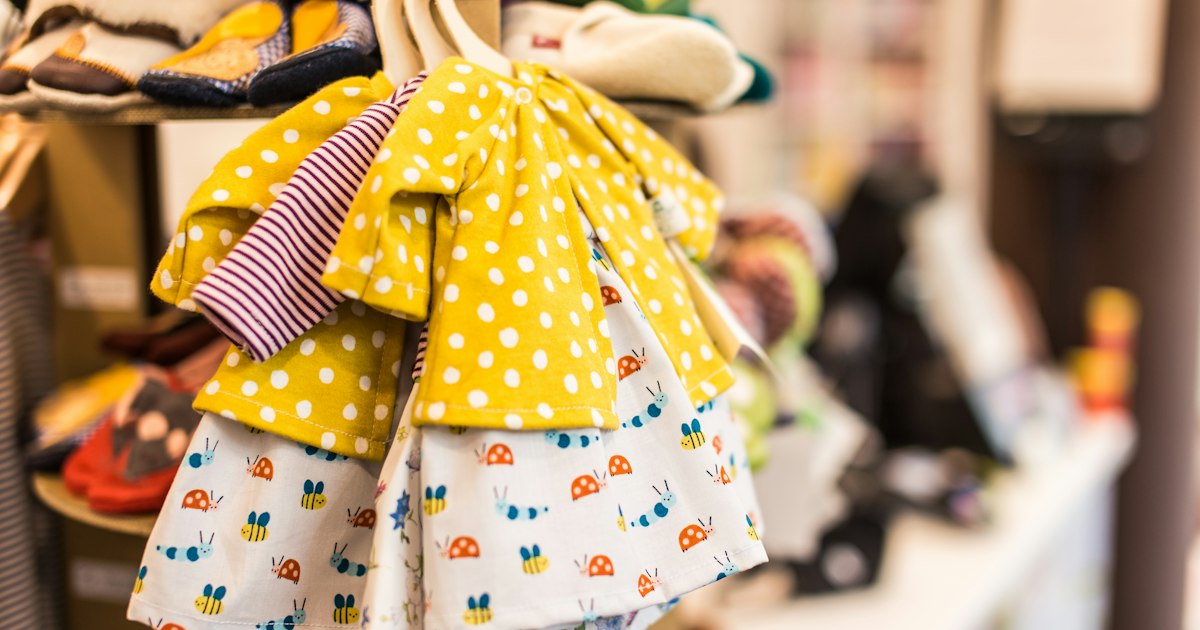
    Miki House was founded in Osaka in 1971 and is the brand you’ll recognize instantly by its logo of two running children. It’s playful, colorful, and famous for durable, slightly oversized basics — sweatshirts, rompers, and especially its tsumugi-weave cotton bodysuits, which are a go-to baby gift among Japanese parents. Miki House also has an unusually strong connection to Japan’s Imperial Family; the brand has outfitted young royals for decades, which locals are well aware of even if it’s never advertised loudly.

    Familiar, founded in Kobe in 1948, has a gentler, more old-money aesthetic — think smocked dresses, Peter Pan collars, and a pastel, slightly European sensibility. It’s the brand grandparents buy for a baby’s first photoshoot or shichi-go-san ceremony outfit. Both brands are considered “department store tier” quality — thicker fabric, reinforced seams, and construction meant to survive being handed down to a younger sibling — and both price accordingly, roughly 2 to 4 times what you’d pay for an equivalent item at a mass retailer like Uniqlo or Nishimatsuya.

    Where to Shop: Flagship Stores and Locations

    Miki House’s flagship is in Osaka’s Shinsaibashi area (Miki House Head Office Shop), but the most convenient stop for most travelers is inside major department stores — Isetan Shinjuku, Hankyu Umeda, and Takashimaya locations all carry full Miki House sections, typically open 10:00–20:00 matching store hours. There’s also a dedicated Miki House store in Tokyo’s Omotesando area with a wider range than a typical department store corner.

    Familiar’s flagship is in Kobe, its birthplace, in the Motomachi/Sannomiya shopping district, but it also maintains well-stocked counters inside Isetan, Mitsukoshi, and Hankyu stores nationwide. If you’re based in Tokyo and don’t have time for a Kobe or Osaka day trip, Isetan Shinjuku’s children’s floor (usually the 5th or 6th floor) is the single best place to compare both brands side by side, along with other premium Japanese kids labels like Family and Comme Ça Ism.

    If you’re already planning a Kansai itinerary, it’s easy to fold a Miki House or Familiar stop into a day that includes other Osaka or Kobe shopping — and if you’d rather not plan the routing yourself, this is exactly the kind of errand a private guide or concierge service can handle efficiently, especially if you’re juggling kids of your own while shopping for someone else’s.

    What Things Actually Cost

    Prices vary by line, but here’s a realistic range as of 2026:

    • Budget-conscious splurge: Miki House baby socks or a single bodysuit, ¥2,200–¥3,800
    • Mid-range: A Miki House sweatshirt or Familiar casual dress, ¥6,000–¥12,000
    • Splurge: Familiar’s formal/ceremony dresses or coordinated outfit sets, ¥18,000–¥35,000
    • True splurge: Miki House’s signature tsumugi cotton gift sets in presentation boxes, ¥15,000–¥25,000

    Both brands run seasonal sales twice a year — late June to July for summer stock, and late December to early January for winter stock — with discounts of 20–40%. If your trip timing is flexible, shopping during these windows is the single best way to make the splurge items feel more reasonable.

    Sizing Notes for Foreign Shoppers

    Japanese kids’ sizing runs by height in centimeters (50, 60, 70, 80cm for infants, then 90, 100, 110cm for toddlers), not by age or Western “months” labeling, though most tags do list an approximate age range alongside the cm size. Japanese cuts also tend to run slightly narrower through the shoulders than European or American baby clothes, though both Miki House and Familiar are cut a bit more generously than ultra-slim domestic brands. If you’re buying for a baby you can’t measure in person, size up one increment from what the age suggests, or ask staff — most department store locations have at least one English-speaking staff member, particularly in Tokyo and Osaka flagship locations.

    Tax-Free Shopping and Common Mistakes

    Both brands qualify for Japan’s consumer tax exemption for tourists at flagship and department store locations, provided you spend over ¥5,000 (pre-tax) in a single transaction and show your passport at checkout or a dedicated tax-free counter. If you’re not familiar with how this actually works at the register, it’s worth reading up on how Japan’s consumption tax and tax-free purchases work before you go, since the displayed price and your final total won’t match, and department stores often process the refund at a separate counter rather than at the till where you paid.

    The most common mistake visitors make is buying newborn-size (50–60cm) items as “safe” gifts — these get outgrown within weeks and Japanese parents often already have plenty from baby showers. Sizes in the 80–100cm range (roughly 1–3 years) get more wear and are generally a safer gift choice. The second common mistake is skipping the rain and outerwear sections entirely; both brands make excellent kids’ rain boots and jackets built for Japan’s wet seasons, and if you’re shopping during typhoon season or just curious what Japanese families use their kids in during downpours, it’s worth a look alongside the broader category covered in our guide to nagagutsu, Japan’s rubber rain boots.

    Best Time to Shop

    Outside the biannual sales, late autumn (October–November) is a good window: new winter collections have just launched, stock is full, and stores are less crowded than the pre-New Year gift-buying rush in December. If your main goal is ceremony or formal wear — for shichi-go-san (ages 3, 5, 7) or hatsumode New Year visits — shop at least a month ahead, since the most popular sizes and styles in Familiar’s formal line sell out before the season itself.

  • Puroresu: Watching Japanese Pro Wrestling Live and Where to Buy Tickets

    Puroresu: Watching Japanese Pro Wrestling Live and Where to Buy Tickets

    Photo by mos design on Unsplash

    Japanese professional wrestling — puroresu — is one of the country’s most underrated live-event experiences. It’s part sport, part theater, and the crowds are unlike anything you’ll find at a baseball game or a concert: disciplined, deeply knowledgeable, and capable of going completely silent during a slow-building submission hold before erupting the second a wrestler kicks out of a near-fall. If you’ve only seen clips online, nothing prepares you for how physical and how quiet a Korakuen Hall crowd can be between the big moments. Here’s how to find a show, get a ticket, and not embarrass yourself at ringside.

    The Major Promotions and Where They Perform

    New Japan Pro-Wrestling (NJPW) is the biggest and most internationally known promotion, with a style that leans toward hard-hitting, long-form matches. Its spiritual home is Korakuen Hall in Tokyo’s Bunkyo ward (near Suidobashi and Korakuen stations), a roughly 1,800-seat hall shared with boxing that hosts NJPW events most months. For its biggest cards, NJPW moves to the Tokyo Dome or Ryogoku Kokugikan (the sumo arena), both of which seat tens of thousands.

    Beyond NJPW, there’s All Japan Pro Wrestling (AJPW), one of the oldest promotions in the country; DDT Pro Wrestling, known for absurdist comedy matches that still land genuinely great wrestling; and Stardom, Japan’s leading joshi (women’s) promotion, which runs smaller halls but has a passionate, vocal fanbase. Many of these smaller promotions run shows in venues like Shinkiba 1stRING in Tokyo, which seats only a few hundred people — a completely different, much more intimate experience than a Dome show.

    How to Buy Tickets as a Foreign Visitor

    Ticketing is the part that trips up most visitors, because Japan’s major vendors — Ticket Pia, e+ (eplus), and Lawson Ticket — are built for a domestic audience and often expect a Japanese phone number for SMS verification. For NJPW specifically, start with the promotion’s own site, which runs international ticket sales for its bigger shows (Wrestle Kingdom, the G1 Climax finals) with credit card payment and will-call pickup at the venue — no Japanese address needed. For Stardom, DDT, and several other promotions, tickets and live streams are sold through Wrestle Universe, an app and website built with overseas fans in mind that accepts foreign credit cards directly.

    If a show is only listed on a Japanese-only vendor, a few workarounds help: some convenience stores (Lawson, FamilyMart) let you complete purchase and payment at an in-store kiosk even without a Japanese phone number, though instructions are in Japanese. If you’re not comfortable navigating this alone, this is exactly the kind of task a private concierge service can handle for a flat fee — worth it if you’ve set your heart on a sold-out or hard-to-book card.

    Listed ticket prices in Japan already include consumption tax, so the number you see at checkout is what you pay — no surprise markup at the register, unlike some souvenir pricing where sticker prices and checkout totals diverge. Ticket resale sites and scalpers do exist for sold-out Dome shows; stick to official vendors or the venue box office where possible.

    Best Shows and Timing to Plan Around

    If your trip lands around New Year, NJPW’s Wrestle Kingdom at the Tokyo Dome on January 4th is the single biggest date on the puroresu calendar — the equivalent of WrestleMania, with a multi-day build of undercard shows at Korakuen Hall in the week prior. Tickets for Wrestle Kingdom go on sale months in advance and the best seats sell out quickly, so if you know your travel dates by autumn, buy early.

    Outside of January, NJPW’s summer G1 Climax tournament (roughly July–August) runs cities across Japan with nightly shows building to a finals card, usually at a large arena. For a simpler plan, NJPW runs Korakuen Hall shows on a near-monthly basis year-round, and these are far easier to get into last-minute — often with tickets available a few weeks out, sometimes even at the door for upper-level seats.

    At the Venue: What to Expect

    Doors typically open 30–60 minutes before bell time, and it’s worth arriving early — not for seating (assigned seats are assigned), but to browse the merchandise (“goods”) tables, which are usually cash-only and sell out of popular wrestler T-shirts and towels fast. Photography without flash is generally tolerated for personal use at most shows, but flash and video recording are commonly restricted — look for signage or ask venue staff, since rules vary by promotion and even by show.

    Crowd behavior is more restrained than Western wrestling crowds: no boisterous chanting throughout, but distinct call-and-response chants for specific wrestlers, and a wave of applause rather than shouting during technical sequences. Some devoted fans bring promotion-branded or wrestler-themed paddle fans to cheer with — if that sounds familiar, it’s the same uchiwa fan culture you’ll see at festivals and idol concerts, just repurposed for ringside support. Vendors inside smaller halls like Korakuen are limited, so eat beforehand — there’s no shortage of ramen and set-meal restaurants in the surrounding Suidobashi/Korakuen area.

    Budget, Mid-Range, and Splurge Options

    • Budget (~¥3,000–5,000): Unreserved or upper-tier balcony seats at a Korakuen Hall show, or general admission at a small indie promotion like DDT or a joshi card at a 300–500 seat hall.
    • Mid-range (~¥6,000–9,000): Reserved arena-level seating at Korakuen Hall, or mid-tier arena seats for a Dome-sized show — close enough to follow facial expressions and hear the mat impact.
    • Splurge (¥15,000 and up): Ringside seats at a major NJPW show, or premium ringside packages for Wrestle Kingdom at the Tokyo Dome, which can run ¥25,000–30,000+ for front-row seats with the clearest sightline to the ring.

    Common Mistakes to Avoid

    • Assuming day-of tickets are always available. Big cards sell out; smaller monthly shows usually don’t, but don’t gamble on a one-night trip through Tokyo.
    • Not checking last-train times. Main cards can run past 9 or 10pm, and shows at suburban venues can leave you stranded if you don’t check the train schedule before the main event.
    • Bringing only cards for merchandise. Goods stands at most venues, including Korakuen Hall, are predominantly cash-only.
    • Skipping the undercard. Early matches often feature rising young wrestlers and are far more technically focused than Western “squash match” openers — worth arriving on time for.

    Puroresu rewards a bit of advance planning more than spontaneity, but once you’re in the seat, it’s one of the most purely entertaining nights out Japan has to offer — equal parts sport, spectacle, and a crowd that somehow manages to be both reverent and roaring at exactly the right moments.

  • Japanese Wine: Koshu Grapes, Yamanashi Wineries & Where to Taste Them

    Most visitors associate Japan with sake, not wine — but tucked into the mountain valleys west of Tokyo is a wine region with over a century of history and a grape variety that exists almost nowhere else on earth. Yamanashi Prefecture, and specifically the town of Koshu (home to the Katsunuma district), is Japan’s wine heartland, built around a pale pink-skinned grape called Koshu. If you want to taste something genuinely Japanese that isn’t food, a day trip to this region is one of the most rewarding — and least touristed — things you can do within range of Tokyo.

    What Makes Koshu Grapes Different

    Koshu is Japan’s only indigenous grape variety grown specifically for wine, and it’s been cultivated in the Katsunuma area for well over 1,000 years, according to local legend tracing back to a monk who planted vines near Daizenji Temple. Genetic testing has shown the grape’s ancestry stretches back through the Silk Road to the Caucasus region, which is part of why in 2010 the OIV (the international body that regulates wine grape naming) officially recognized Koshu as a true Vitis vinifera variety — a rare distinction that lets Japanese producers label and sell it in the EU as “wine” rather than a generic fruit product.

    In the glass, Koshu is almost always a dry or off-dry white. It’s light-bodied, low in tannin, often around 11–12% alcohol, with delicate citrus, white peach, and sometimes a faint saline minerality. It’s built for pairing with Japanese food — sashimi, tempura, delicate dashi-based dishes — rather than the bold, oaky profile many visitors expect from “wine country.” Don’t go in looking for a Napa Cabernet; the pleasure here is in the subtlety.

    Katsunuma: Japan’s Wine Valley

    The district of Katsunuma, within Koshu City, is the center of it all — a valley of terraced vineyards ringed by mountains, with dozens of wineries within a few kilometers of each other. The easiest way in is by train: from Shinjuku Station in Tokyo, take a limited express (the “Kaiji” or “Azusa” line) to Katsunuma-budokyo Station, a ride of about 1 hour 20 minutes to 1.5 hours, costing roughly ¥4,000–¥4,500 one way with a reserved seat. Slower rapid/local trains run the same route for less (closer to ¥2,500) but take nearly two hours.

    From Katsunuma-budokyo Station, some wineries are a 10–15 minute walk, but many are spread across the hillsides and are easier reached by rental bicycle (available near the station), taxi, or by joining a tour. If you’re driving yourself, remember that tasting and driving don’t mix — and designated-driver services are uncommon outside major cities, so plan a non-drinking driver or stick to wineries within walking distance of the station.

    If navigating a rural wine region without Japanese and coordinating multiple winery visits sounds stressful, this is one of the situations where hiring a private guide or driver for the day genuinely pays off — Katsunuma’s wineries don’t always have English signage or English-speaking staff, and a guide can also handle reservations that are otherwise hard to arrange in advance.

    Wineries Worth Visiting

    Budget: Many wineries offer free self-serve tasting corners where you buy small pours by the glass, typically ¥300–¥600 each. Mercian Wine Market’s Katsunuma facility and several smaller family wineries along the main road operate this way — you can sample four or five wines for under ¥2,000 total with no appointment needed.

    Mid-range: Lumiere Winery and Marufuji Winery (which produces the well-regarded Rubaiyat label) both offer guided cellar tours with structured tastings, generally ¥1,000–¥2,000 per person, often requiring a reservation made a few days ahead, especially on weekends. Lumiere also has a striking stone-walled underground cellar built in 1901 that’s worth seeing even if you’re not a serious wine drinker.

    Splurge: Grace Wine (Château Grace Yamanashi), one of Japan’s most internationally respected Koshu producers, offers premium tasting flights pairing their top cuvées, and their single-vineyard bottles run ¥4,000–¥8,000+, well above the ¥1,500–¥2,500 you’ll pay for an entry-level Koshu elsewhere. Suntory’s Tomi no Oka Winery, a bit further out, has a more polished visitor center with a restaurant and panoramic vineyard views, suited to travelers who want a full afternoon rather than a quick stop.

    Best Time to Visit

    Harvest runs roughly early September through October, and this is when the vineyards look their best and wineries are at their busiest — book tastings ahead if visiting on a weekend during this window. Early December brings a joint wine festival in the Katsunuma area where multiple wineries pour together at a central venue, a good option if you want to sample widely without visiting each winery separately. Spring (April–May) is quieter and pleasant for walking the vineyard roads, though the vines themselves are unremarkable to look at before leaf-out. Winter is low season — some smaller family-run tasting rooms reduce their hours or close for stretches, so call ahead if visiting December through February.

    Common Mistakes Visitors Make

    • Assuming it’s like sake. Koshu wine and sake share nothing beyond being Japanese alcoholic drinks — different raw material, different production method, different flavor profile entirely. Staff are used to this confusion but it’s worth knowing before you ask for “the house sake” at a winery.
    • Not checking opening hours. Many smaller, family-run wineries in Katsunuma close by 5pm and may shut entirely on irregular weekdays, especially outside harvest season. Larger operations like Suntory and Mercian keep more predictable hours (typically 9:30am–4:30 or 5pm), but it’s worth confirming before making the trip.
    • Underestimating the walking distance between wineries. On a map, Katsunuma’s wineries look clustered, but the terrain is hilly and distances between the farther-flung properties can be 3–4 km — manageable by bike, tiring on foot in summer heat.
    • Forgetting tasting fees are often cash-only at smaller family operations, even though card payment has become more common at larger wineries.

    Buying Bottles to Bring Home

    Most wineries sell their own bottles on-site, usually cheaper than you’ll find in Tokyo department stores, and some offer shipping within Japan if you don’t want to carry glass bottles for the rest of your trip. If you’re buying at a duty-free counter in an airport or at a tax-free-registered shop, remember that the price tag you see isn’t necessarily what you pay — Japan’s consumption tax rules around exported goods and alcohol have specific conditions, which is worth understanding before you assume a bottle is cheaper than it looks; see our guide to Japan’s consumption tax and checkout pricing for how this works.

    If you’re making a full day of it and staying overnight in nearby Kofu city rather than rushing back to Tokyo, note that check-in procedures at Japanese hotels require showing your passport regardless of nationality — our guide to hotel check-in rules for foreign guests covers what to expect at the front desk.

    Koshu wine isn’t going to dethrone Bordeaux, and nobody in Yamanashi is pretending it will. What makes the trip worthwhile is tasting something that genuinely couldn’t exist anywhere else — a 1,000-year-old grape, grown in one small valley, made by people who are quietly serious about getting it right.

  • Hanami Picnic Etiquette: Reserving Spots, Blue Tarps & Park Rules Under the Cherry Blossoms

    Hanami Picnic Etiquette: Reserving Spots, Blue Tarps & Park Rules Under the Cherry Blossoms

    Photo by Clark Gu on Unsplash

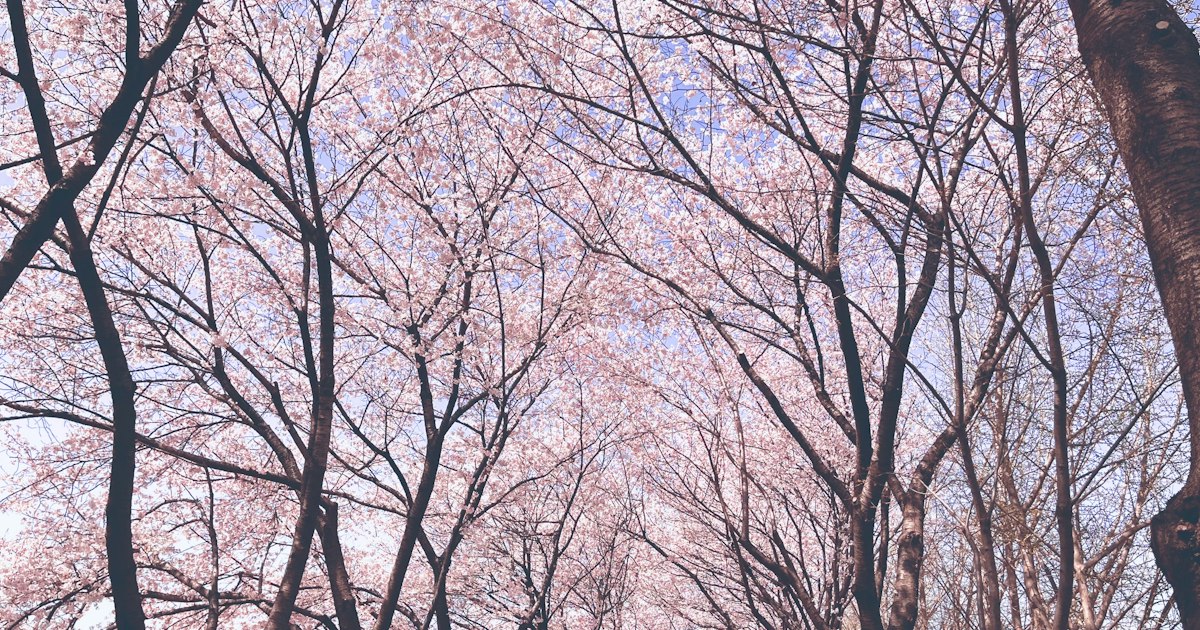
    Every spring, Japan’s parks turn into open-air dining rooms. Blue plastic tarps spread under blooming cherry trees, convenience store beer cracks open at 10am, and office workers take “reserving the spot” duty as seriously as a client meeting. For a visitor, hanami (flower viewing) looks simple — bring a blanket, sit under a tree, enjoy the view. But there’s a real etiquette system underneath it, and breaking it (even accidentally) can get you some pointed stares or a tap on the shoulder from a park official. Here’s how to do it properly, where to do it, and what it actually costs.

    When and Where: Timing the Bloom

    Cherry blossoms (sakura) typically peak in Tokyo and Kyoto between late March and early April, though this shifts year to year — the Japan Meteorological Corporation and local tourism boards publish bloom forecasts starting in February. The full bloom (mankai) window lasts only about a week before petals start falling, so flexibility in your travel dates matters more than almost anything else for this activity.

    Famous, reliably crowded spots include:

    • Ueno Park, Tokyo — open 5am–11pm (the park itself; no entry fee), roughly 1,000 trees along the main path. Closest station: JR Ueno or Keisei Ueno, both a 1–2 minute walk.
    • Shinjuku Gyoen, Tokyo — a paid garden (500 yen for adults), which actually works in your favor: it bans alcohol and loud groups, so it’s calmer and easier for solo travelers or families. Open 9am–6pm (last entry 5:30pm), closed Mondays.
    • Maruyama Park, Kyoto — free, near Gion, busiest in the evening when the famous weeping cherry tree is lit up.
    • Osaka Castle Park — free entry to the grounds, roughly 3,000 trees, with Tenmabashi or Osakajokoen stations nearby.

    Weekday mornings (before 10am) are dramatically less crowded than weekend afternoons, when entire company departments and university clubs claim ground by noon.

    The Tarp Ritual: How Spot-Reserving Actually Works

    The blue plastic tarp (burushiito) is the unofficial uniform of hanami. At popular parks, especially in Tokyo, it’s common and culturally accepted for someone to show up at dawn — sometimes 6 or 7am for a prime noon picnic — roll out a tarp, and leave a bag, a sign, or occasionally a colleague to guard it until the rest of the group arrives. This isn’t queue-jumping; it’s a recognized system, often literally called “the junior staff’s job” in Japanese offices, where the newest hire is sent out early to secure ground for the team’s evening party.

    For visitors, the practical takeaway: don’t assume an empty tarp with nothing on it is free to use, even if no one is sitting there. If it’s weighted down with a bag, shoes, or a handwritten sign, it’s claimed. On the other hand, most parks have unofficial size norms — a tarp large enough for 30 people in a park meant for everyone is considered poor form, and park staff or other picnickers may ask a group to shrink it. A 2m x 2m or 2m x 3m tarp for 4–6 people is a reasonable, well-mannered size. You can buy a basic one at any 100-yen shop (Daiso, Seria) for 100–300 yen, which is cheaper than almost anything you’d pack from home.

    If you want a guaranteed, low-stress version of this experience rather than competing for ground yourself, some visitors arrange a private guide to handle logistics — see our guide on hiring a private tour guide or concierge service in Japan for when that’s worth the cost, particularly during peak bloom when prime spots fill before 9am.

    What to Actually Bring

    You don’t need camping gear. A realistic hanami picnic kit:

    • Tarp or picnic blanket — 100–500 yen at a 100-yen shop or outdoor retailer.
    • Food — convenience stores (Lawson, FamilyMart, 7-Eleven) sell dedicated hanami bento boxes every spring, typically 500–900 yen, often with sakura-themed rice or pink-colored items. Supermarkets like Life or Seiyu are cheaper for larger groups.
    • Drinks — canned beer or chu-hai (300–250 yen each from a convenience store) is standard in parks where alcohol is allowed. Bring your own cups if sharing bottles; plastic cups are sold in packs of 10 for about 100 yen.
    • Trash bags — this is the single most important item. Most Japanese parks have few or no public trash bins, precisely because hanami crowds generate so much waste. Bring your own bags and plan to carry trash out with you.
    • A portable fan or paper fan for early-April warmth once the sun is up — the folding paper fan or paddle-style uchiwa sold at festival stalls and souvenir shops works well here; see our guide to uchiwa, Japan’s flat paddle fan, for where to find good ones and which festivals hand them out free.

    Food and drink prices at convenience stores include Japan’s consumption tax already baked into the shelf price in most cases, but it’s worth understanding why some receipts still show a separate tax line — our explainer on Japan’s consumption tax covers the dine-in vs takeout rate difference, which matters if you buy hot food to eat in the park (takeout rate is 8%, not 10%).

    Table Manners Under the Trees

    Hanami food is usually eaten with disposable chopsticks straight from a bento box, and the same chopstick taboos apply outdoors as at any restaurant table — don’t stick chopsticks upright in a rice bowl, don’t pass food chopstick-to-chopstick, and don’t point them at people while talking. If you’re unsure of the details, our guide to chopstick taboos in Japan covers the ones most likely to come up at a casual group meal like this.

    Shoes are generally fine to keep on when sitting on a tarp in a public park (unlike indoor settings), but it’s polite to sit at the tarp’s edge if you’re joining a group you don’t know well, and to avoid stepping directly across someone else’s food or drinks.

    Common Mistakes Visitors Make

    • Picking or shaking branches for photos. This damages trees that take decades to mature and is explicitly prohibited in most parks, sometimes with posted signs and patrol staff.
    • Leaving trash behind. Park cleanup crews after peak bloom weekends are a known civic embarrassment in Japan; leaving garbage under “your” tree reflects badly on foreign visitors specifically when it happens, since locals notice.
    • Assuming all parks allow alcohol. Shinjuku Gyoen bans it outright. Some smaller municipal parks restrict it during peak weekends due to past incidents. Check signage at the entrance.
    • Overstaying a reserved tarp spot you didn’t actually reserve. If you see a totally bare patch of grass with no tarp at all, that’s fair game — but a tarp with any items on it, even seemingly abandoned ones, should be treated as occupied.
    • Bringing speakers for loud music. Quiet conversation and music low enough not to carry to neighboring groups is the norm; blasting speakers draws complaints fast, especially in parks near residential areas.

    Budget, Mid-Range, and Splurge Options

    Budget (under 1,500 yen per person): Convenience store bento, canned drinks, a 100-yen tarp, free park entry. This is how most locals do it.

    Mid-range (2,000–4,000 yen per person): Pre-order a hanami bento from a department store food hall (depachika) — these run 1,500–3,000 yen and are noticeably better quality, with seasonal sashimi, tempura, and sakura-mochi. Add a bottle of sake (800–1,500 yen) to share.

    Splurge (8,000 yen+ per person): Some hotels and restaurants near famous bloom spots — the Chidorigafuchi moat area and parts of Kyoto’s Philosopher’s Path among them — offer reserved hanami terrace seating or boxed kaiseki-style hanami meals with table service, no tarp-guarding required. These sell out fast and are usually bookable only a few weeks ahead once bloom forecasts firm up.

    However you approach it, the core etiquette boils down to three things: don’t claim more ground than your group needs, don’t damage the trees, and carry your trash out. Get those right and you’ll fit in just fine under the blossoms.

  • Ojigi: How and When to Bow in Japan (A Visitor’s Practical Guide)

    Ojigi: How and When to Bow in Japan (A Visitor’s Practical Guide)

    Photo by James Pere on Unsplash

    You don’t need to master Japanese bowing to travel comfortably in Japan — nobody expects a foreign visitor to execute a perfect 45-degree keirei. But knowing the basics of ojigi (お辞儀), the general term for bowing, will help you read social situations correctly, avoid a few common awkward moments, and show respect in places where it genuinely matters, like shrines, ryokan, and family-run shops. This guide covers the main bow types, when each is used, and the mistakes visitors make most often.

    The Three Main Types of Bow

    Japanese bowing isn’t one gesture — it’s a scale of formality measured mostly by the angle of the bend from the waist, with hands at your sides (for men, typically) or clasped in front (common for women). You don’t need to memorize the exact degrees, but it helps to recognize what you’re seeing:

    • Eshaku (会釈) — about 15 degrees. A light nod-bow used for casual greetings, passing a coworker in the hallway, or acknowledging a shopkeeper. This is the one you’ll use most as a tourist.
    • Keirei (敬礼) — about 30 degrees. The standard business and service bow. Staff at hotels, department stores, and restaurants use this when greeting or thanking customers.
    • Saikeirei (最敬礼) — 45 degrees or deeper. Reserved for formal apologies, deep gratitude, religious settings, or addressing someone of significantly higher status. You’ll rarely need this one, but you’ll see it from staff during apologies or at shrine ceremonies.

    As a visitor, a simple head nod or a slight bow from the shoulders in response to a bow is almost always sufficient and appreciated — nobody is grading your form.

    Where You’ll Actually Encounter Bowing

    You don’t need to bow constantly, but a handful of situations come up often enough to know what’s expected:

    • Checking into hotels and ryokan. Staff will often bow when greeting you and again when handing over your key or passport. If you’re staying somewhere that requires passport presentation — which is mandatory for foreign guests at Japanese accommodations — a small nod when the staff hands it back is a natural, polite response. See our guide on checking into a Japanese hotel for the full ID process.
    • Restaurants, izakaya, and shops. Staff bow when you enter (“irasshaimase”) and when you leave. You don’t need to bow back deeply — a nod is fine. This is a good moment to also brush up on chopstick etiquette, since table manners and bowing etiquette tend to get asked about together by first-time visitors.
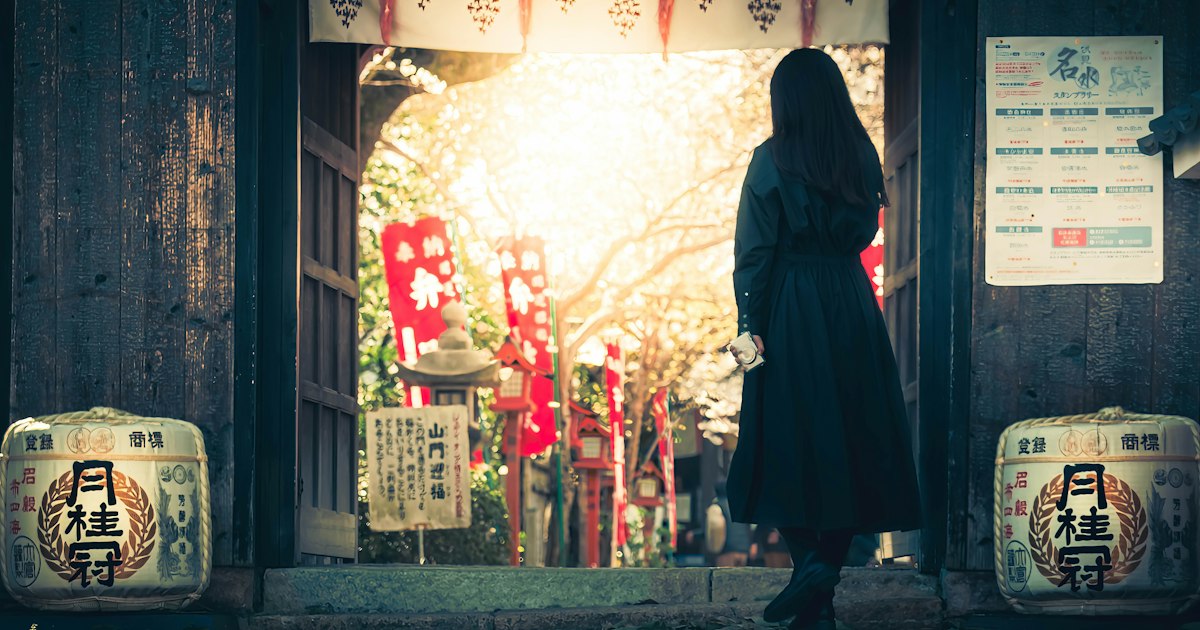
    • Shrines and temples. This is where bowing has real ritual meaning, not just social politeness. At a Shinto shrine, the standard sequence at the offering hall is: bow once, toss a coin (¥5 or ¥1 coins are traditional, though any small coin works), ring the bell if there is one, bow twice deeply, clap twice, make a silent wish, then bow once more deeply. This two-bow, two-clap, one-bow pattern is consistent nationwide. A central Tokyo spot to practice this is the Toyokawa Inari Shrine tucked into the Akasaka embassy district — read more in our Akasaka neighborhood guide.
    • Weddings and formal gift-giving. If you’re invited to a Japanese wedding, bowing comes up when presenting your cash gift (goshugi) to the receptionist — a small bow as you hand over the envelope is standard. We cover exact amounts and envelope etiquette in our goshugi guide.

    Common Mistakes Visitors Make

    None of these will cause real offense — Japanese hosts are generally forgiving toward foreign visitors — but avoiding them will make your interactions smoother:

    • Bowing and shaking hands at the same time. If someone extends a hand, go with the handshake; mixing a deep bow with a handshake looks confused rather than respectful. Many Japanese businesspeople who deal with foreign visitors will offer a handshake specifically to simplify things.
    • Over-bowing. Repeatedly bowing back and forth (sometimes jokingly called the “bow-off”) is a real phenomenon between two polite people, but as a tourist, one bow per exchange is enough. You don’t need to match a 45-degree staff bow with your own 45-degree bow.
    • Bowing with hands in pockets or while holding items awkwardly. It’s a minor thing, but tucking phones away and freeing your hands before a bow — especially at a shrine — looks more natural and respectful.
    • Treating a nod as disrespectful. Some visitors overcorrect and attempt full deep bows everywhere, which can actually read as odd or overly formal from a foreigner. A relaxed head nod in casual settings is completely normal and expected.
    • Forgetting the shrine sequence order. Clapping before bowing, or bowing once instead of twice at the offering hall, is the most common visitor slip-up. If you forget the sequence, just watch the person in front of you in line — shrines are self-explanatory once you’ve seen it done once.

    Timing and Season Notes

    Bowing isn’t seasonal, but certain high-bow-frequency occasions cluster at specific times of year, which is worth knowing if you want to see it in context:

    • New Year (early January) brings hatsumode, the first shrine visit of the year, when millions of people perform the full bow-clap-bow sequence at shrines nationwide — lines at major shrines like Meiji Jingu can stretch for hours, but smaller neighborhood shrines are quieter and just as valid.
    • Wedding season (spring and autumn) means more opportunities to see formal bowing at hotel banquet halls and shrines if you happen to be invited to one.
    • Graduation and job-hunting season (March–April) fills train stations with students in formal suits practicing deep, formal bows — a distinctly Japanese sight if you’re visiting during this window.

    Do You Need to Bow at All?

    Honestly, no — not in the sense of being required to. Japan is used to foreign visitors, and a polite nod, a smile, and “arigatou gozaimasu” (thank you very much) will serve you well in nearly every interaction, from convenience stores to department stores. Bowing becomes more relevant the deeper you go into formal or traditional settings: a kaiseki dinner, a tea ceremony, a shrine visit, a stay at a traditional ryokan, or if you’re working with a private guide who can walk you through etiquette in real time at temples and historic sites. If you’re unsure, matching the intensity of the bow offered to you — a nod for a nod, a slight bow for a slight bow — is a safe rule that works almost everywhere.

    The Bottom Line

    Ojigi is less about rigid rules and more about reading the room. Shopkeepers and hotel staff bow as a matter of professional courtesy and don’t expect a mirrored performance from tourists; shrines are the one place where the specific bow-clap-bow sequence genuinely matters and is easy to pick up by observation. Relax, nod when nodded to, bow when it feels ritually appropriate, and you’ll be doing exactly what’s expected of a respectful visitor.

  • Chopstick Taboos in Japan: What Not to Do at the Table

    Chopstick Taboos in Japan: What Not to Do at the Table

    Photo by Yosuke Ota on Unsplash

    Nobody expects a visitor to use chopsticks like a lifelong local, and most servers in Japan won’t bat an eye if you fumble a piece of tofu off a shared plate. But a handful of chopstick habits carry real weight here—several are tied directly to funeral rites, and doing them at a dinner table, even by accident, can make your hosts visibly uncomfortable. The good news is that the full list of taboos is short, easy to remember, and once you know it, you’ll eat with more confidence at everything from a neighborhood ramen counter to a formal kaiseki dinner.

    Why Some Chopstick Habits Are Off-Limits

    Most chopstick taboos in Japan trace back to one source: Buddhist funeral customs. Two gestures in particular are considered genuinely unsettling rather than just impolite, because they echo rituals performed around a body before cremation. Knowing the “why” makes the rules much easier to retain than memorizing a list of arbitrary don’ts.

    The Two Rules You Must Never Break

    Tate-bashi (立て箸) — Never stick your chopsticks upright into a bowl of rice and leave them standing. This mirrors incense offerings placed upright in rice at a household altar during funerals. If you need to set your chopsticks down mid-meal, rest them on the small ceramic or wooden hashioki (chopstick rest) provided, or lay them flat across the top of your bowl.

    Hashi-watashi (箸渡し) — Never pass food from your chopsticks directly to someone else’s chopsticks. This recreates the funeral practice where family members pass a cremated person’s bones to each other using chopsticks. If you want to share food, place it on the other person’s plate first, or use the thicker serving chopsticks (saibashi) that usually sit beside a shared dish—turning your own chopsticks around to use the clean handle-end is also acceptable in a pinch.

    Taboos at the Communal Table

    Japan’s shared-pot dining culture makes these rules especially relevant. At a nabe hot pot dinner—Hakata’s famous mizutaki chicken hot pot is a good example, typically running ¥4,000–¥7,000 per person at a sit-down restaurant—everyone fishes ingredients out of the same simmering pot. Always use the communal serving chopsticks to transfer food to your own bowl, then switch back to your personal chopsticks to actually eat. Reaching in directly with the chopsticks you’ve been putting in your mouth (called jika-bashi, “direct chopsticks”) is considered unhygienic and a minor faux pas, though many casual izakaya have relaxed about it among friends.

    The same logic applies at a robatayaki fireside grill, where skewers are handed to you on a long wooden paddle. Take the food off the paddle with your chopsticks or hands rather than grabbing the paddle itself—the chef is performing a bit of ceremony, and grabbing the serving implement interrupts it. Expect to pay roughly ¥500–¥1,500 per skewer at these counters, with a full dinner landing around ¥5,000–¥8,000 per person.

    Other Gestures to Avoid

    • Sashi-bashi — Pointing at people or things with your chopsticks. Treat them like a knife in Western dining: not a gesture tool.
    • Mayoi-bashi — “Hovering” chopsticks indecisively over multiple dishes while you decide what to take next. It’s a minor habit many Japanese diners do themselves, but it reads as fidgety in a formal setting.
    • Neburi-bashi — Licking sauce or rice off your chopsticks. Set them down and use a napkin instead.
    • Sogi-bashi — Using chopsticks to cut or saw through food, pinning it down and tearing it apart. If something won’t break apart easily, it’s fine to use your hands (this is expected for things like whole grilled fish) or ask for a knife.
    • Yose-bashi — Dragging a dish or bowl toward you using your chopsticks instead of lifting it with your hand.
    • Watashi-bashi — Resting your chopsticks across the top of your bowl like a bridge between bites. It’s a surprisingly common slip-up for visitors; use the hashioki rest instead, or if none is provided, the paper sleeve the disposable chopsticks came in, folded into a small rest.

    Noodle Counters Have Their Own Logic

    Ramen and noodle shops relax some rules but tighten others. Slurping is genuinely fine—even encouraged—at a bowl of tantanmen (typically ¥900–¥1,300) or a soupless bowl of abura soba (around ¥800–�b¥1,000); it cools the noodles and is read as a sign you’re enjoying the food, not as bad manners. What you shouldn’t do is leave chopsticks standing in a broth-filled bowl between bites, or use them to repeatedly stab at ingredients instead of lifting them cleanly. Most counter-style noodle shops move fast and won’t correct you either way, so this is a low-stakes place to practice if you’re still getting comfortable.

    Small Everyday Mistakes Tourists Make

    Beyond the big taboos, a few habits mark someone as a first-time visitor rather than causing real offense: switching chopsticks between hands, holding them too close to the tips (which makes them harder to control and looks awkward rather than elegant), or resting disposable waribashi back in their paper sleeve after separating them—once split apart, lay them side by side on the table or hashioki instead. If you’re dining in a more formal context, such as a business dinner or a traditional ryokan kaiseki course, and you’re unsure what’s expected, it’s worth looking into hiring a private guide or concierge for that one evening—many specialize in exactly this kind of etiquette coaching, and it removes the guesswork for important meals. Expect guide fees to run roughly ¥20,000–¥40,000 for a half-day, which is often worth it for a once-in-a-trip dinner with hosts or business contacts.

    Quick Reference

    If you remember nothing else: never stand chopsticks upright in rice, never pass food chopstick-to-chopstick, use serving chopsticks at shared pots and grills, and don’t point or saw with them. Everything else—slurping noodles, eating with your hands when appropriate, asking for a fork if you’re struggling—is far more forgivable than most guidebooks suggest. Japanese diners are generally gracious with visitors who show they’re trying, and getting these few rules right goes a long way toward making a good impression at the table.