Japan Trove

Category: Uncategorized

  • Sukajan: Japan’s Embroidered Souvenir Jacket and Where to Buy an Original

    Sukajan: Japan’s Embroidered Souvenir Jacket and Where to Buy an Original

    Photo by Nik on Unsplash

    Walk through Harajuku or Yokosuka’s old base-town streets and you’ll spot them hanging in shop windows: satin bomber jackets with tigers, dragons and eagles embroidered across the back in thread so dense it catches the light. That’s a sukajan, and it’s one of the few souvenir garments from Japan that’s both genuinely wearable and genuinely collectible. It’s also one of the easiest souvenirs to overpay for or get fooled on, since the market ranges from ¥3,000 polyester prints to ¥80,000 hand-embroidered pieces that take weeks to make. Here’s how to tell the difference and where to actually buy one.

    What Is a Sukajan, Really?

    “Sukajan” is a contraction of “Yokosuka jumper” — a satin or rayon bomber jacket, usually with a ribbed collar and cuffs, embroidered front and back with motifs like tigers, eagles, dragons, koi, Mount Fuji, or “SOUVENIR OF JAPAN” lettering. The embroidery is the whole point: a real sukajan uses chain-stitch or satin-stitch embroidery worked directly into the fabric, not a printed or appliqued patch. That’s also the single biggest thing separating a ¥5,000 tourist-shop version from a ¥30,000+ original — the stitching, not the design.

    A Brief History: From Yokohama Souvenir to Global Icon

    Sukajan trace back to the Allied occupation after WWII, when American servicemen stationed around Yokohama and Yokosuka commissioned Japanese tailors to embroider flight jackets and souvenir bombers as mementos to bring home — hence the tiger-and-dragon imagery aimed at an American audience, not a Japanese one. Local tailors, some working from captured parachute silk and leftover military fabric, built a cottage industry around US naval bases that still exists today. The style nearly died out in the 1970s–80s before Japanese denim and Americana collectors revived serious embroidery craftsmanship in the 1990s, which is why the best modern sukajan still come from a handful of specialist workshops rather than mass-market brands.

    Budget, Mid-Range and Splurge: What to Actually Expect to Pay

    • Budget (¥3,000–8,000): Printed or machine-appliqued designs on polyester, sold in Harajuku’s Takeshita-dori souvenir shops and airport gift shops. Fine as a cheap travel memento, but the “embroidery” is often flat printing — check by running a finger over the design; real embroidery has raised texture and visible thread on the inside lining.
    • Mid-range (¥15,000–35,000): Genuine chain-stitch embroidery on rayon or acetate satin from established makers. This is the sweet spot for most visitors — durable, authentic, and still a reasonable souvenir budget.
    • Splurge (¥40,000–80,000+): Fully hand-guided embroidery from heritage specialists like Tailor Toyo (under parent company Toyo Enterprise), using vintage-spec acetate satin and dense, multi-color stitching that can take a single artisan days to complete. These are investment pieces that genuinely appreciate in resale value among Americana collectors.

    Where to Buy an Original Sukajan in Japan

    Tokyo — Harajuku and Shimokitazawa: Tailor Toyo has retail locations in both neighborhoods and is the most reliable name for new, fully embroidered sukajan; expect to pay mid-range to splurge prices. Shimokitazawa (a short ride from Shinjuku on the Odakyu or Keio Inokashira lines) is also Tokyo’s best neighborhood for secondhand and vintage Americana shops where older sukajan surface at a discount to new pieces.

    Yokosuka — Dobuita Street: This is the actual birthplace of the sukajan. Dobuita-dori, a narrow arcade near the US naval base, is lined with military surplus and souvenir-jacket shops that have sold sukajan to sailors for decades — it’s the most historically authentic place to buy one, and prices are often better than in Tokyo. Get there via the Keikyu Line to Yokosuka-Chuo Station, then walk about 5 minutes; most shops open around 10:00–11:00 and close by 19:00–20:00.

    Osaka — Amerikamura: Osaka’s “America Village” near Shinsaibashi has several vintage and Americana clothing stores carrying both new and used sukajan, worth combining with a day of shopping in that district.

    Online from established tailors: Toyo Enterprise and a few other heritage makers ship internationally, which is worth knowing if you find the right design in store but it’s sold out in your size.

    Vintage Hunting: Flea Markets and Secondhand Shops

    If you enjoy the slower hunt more than a guaranteed purchase, Tokyo’s recurring flea markets — Oedo Antique Market and the markets at Tomioka Hachimangu — occasionally turn up genuine vintage sukajan from the 1950s–70s at a fraction of new prices, though you need to check stitching and lining carefully since condition varies wildly. It’s the same patience that rewards collectors hunting vintage glass fishing floats at Japan’s coastal flea markets — go early, expect no English signage, and be ready to walk away if the price feels high. Shimokitazawa and Koenji’s secondhand shops are a more dependable bet than flea markets if you want something specific rather than a lucky find, and the mindset mirrors the way serious buyers approach vintage film camera hunting in Japan: know the hallmarks of the real thing before you shop, because sellers assume you do.

    Common Mistakes to Avoid

    • Assuming “embroidered” means embroidered. Many budget shops use the word loosely for printed or heat-pressed designs. Flip the jacket inside out — real embroidery leaves visible thread tails and slight puckering on the lining; printing doesn’t.
    • Buying the wrong size. Sukajan run on traditional Japanese sizing and are cut slim through the shoulders. Try it on; most specialist shops stock S–XL but splurge-tier pieces are sometimes made to order only in certain sizes.
    • Skipping care instructions. Satin and rayon sukajan generally need dry cleaning, not home washing — ask the shop, since this varies by fabric and isn’t always obvious from the label.

    Best Time to Buy and Practical Tips

    There’s no real seasonal pricing for sukajan, but shops in Harajuku and Shimokitazawa get noticeably more crowded around spring and autumn tourist peaks, so weekday mornings are easier for trying on jackets without a queue. If you’re budgeting carefully for a splurge-tier purchase, remember you can claim back your Suica or Pasmo deposit before you fly home, which is a small but easy bit of extra cash toward a nicer jacket. And if Dobuita Street in Yokosuka is on your list, pair it with an early start — the trains back to central Tokyo run until late, but checking a last train schedule before a long day trip saves you from an expensive taxi back.

    However much you end up spending, buy the sukajan you’ll actually wear. The embroidery is striking enough that a well-made one works as a genuine jacket at home, not just a jacket that lives in a closet as a souvenir — which is exactly what the original Yokosuka tailors were making it for in the first place.

  • Mizuwari & Oyuwari: How to Drink Whisky and Shochu the Japanese Way

    Mizuwari & Oyuwari: How to Drink Whisky and Shochu the Japanese Way

    Photo by Timothy James on Unsplash

    Walk into any izakaya or neighborhood bar in Japan and you’ll see glasses of pale amber liquid that look nothing like a Western whisky-on-the-rocks. Ask the regular next to you what they’re drinking and you’ll often hear one of two words: mizuwari or oyuwari. Both are dilution techniques — one with cold water, one with hot — built around the idea that spirits like whisky and shochu are meant to be stretched out and sipped slowly over a long evening, not knocked back in a single shot. Once you understand the logic behind them, you’ll order with confidence anywhere from a Tokyo standing bar to a rural onsen-town izakaya.

    What Mizuwari and Oyuwari Actually Are

    Mizuwari (水割り, literally “water-divided”) means spirit cut with cold water, almost always over ice. It’s the default way whisky is consumed in Japan, and it’s also common with shochu, the distilled spirit made from barley, sweet potato, or rice. Oyuwari (お湯割り) is the same idea with hot water instead — rarely used for whisky, but extremely common for shochu and awamori, especially from autumn through early spring.

    The standard ratio bartenders use is 1 part spirit to 2 parts water, though it flexes depending on proof and personal taste — some shochu drinkers prefer 6:4 (shochu-heavy) or 4:6 (water-heavy). If you don’t specify, staff will usually make a safe middle-of-the-road pour and ask if you’d like it stronger or weaker on the next round.

    Mizuwari: The Cold Version

    Mizuwari is built in a tall glass: ice first, filled about a third to halfway, then the spirit poured over, stirred a few times (never shaken), and topped with still water — ideally soft, mineral-light water, which is part of why Japanese whisky distillers talk so much about their water sources. The stirring matters: too much agitation dilutes the drink faster and melts the ice, throwing off the ratio you asked for.

    At a proper bar, a glass of Suntory Kakubin or Nikka mizuwari runs roughly ¥600–900. At an izakaya it’s often cheaper, especially as part of a set drink menu — if you’re also working through food and drink deals, it’s worth knowing how otoshi charges and nomihodai (all-you-can-drink) deals work before your tab arrives, since mizuwari is almost always included in nomihodai courses.

    Oyuwari: The Hot Version

    Oyuwari flips the order for a reason: hot water goes into the glass first, then the shochu is added on top. Pouring spirit into water releases more aroma than water into spirit, and starting with hot water also means you’re not pouring boiling water directly onto a spirit glass that might crack. The ideal water temperature is around 70–80°C, not a full boil — many shochu bars keep a dedicated hot water pot (yutanpo-style kettles, though not literally the same device used for bed warming — see our piece on yutanpo hot water bottles if you’re curious about that unrelated but equally hot-water-obsessed Japanese tradition) just for this purpose.

    Oyuwari is a cold-season drink almost by definition — it shows up on menus from October through March and often disappears entirely in summer, replaced by mizuwari or shochu on the rocks. If you’re traveling in winter and want to warm up after a day outdoors, oyuwari at a countryside izakaya is one of the most satisfying ¥400–700 drinks in Japan.

    Where and How to Order

    You don’t need much Japanese to order correctly. A few phrases that work almost everywhere:

    • “Mizuwari kudasai” — “Water-diluted, please” (cold)
    • “Oyuwari kudasai” — “Hot-water-diluted, please”
    • “Koime de” — “Stronger, please” (literally “deep/thick”)
    • “Usume de” — “Weaker, please”

    Most izakaya menus list the spirit first and let you choose the dilution style as a suffix — for example a shochu brand name followed by both “mizuwari” and “oyuwari” as options, each priced the same (typically ¥450–650). High-end whisky bars in Ginza or Shinjuku’s Golden Gai will make mizuwari with large hand-cut ice and filtered water for ¥1,200–2,500 a glass, which is the splurge end of the spectrum; a standing bar (tachinomi) near a train station will do a perfectly respectable version for under ¥500. If you’re new to ordering food and drink together in a set format, our teishoku ordering guide covers the broader etiquette of set meals, though izakaya drink ordering is more casual and conversational than lunch teishoku counters.

    Common Mistakes Visitors Make

    The most frequent error is treating mizuwari or oyuwari like a mixed cocktail you can request “extra strong” without consequence — Japanese drinking culture around these styles assumes a long, paced session, often across multiple rounds (ikkai, nikai, sankai), and ordering one very strong drink and nursing it for an hour reads oddly compared to ordering several balanced ones. The second mistake is stirring oyuwari too aggressively or too early; let it sit a few seconds after the shochu goes in so the aromas open up before mixing. The third is assuming all shochu is diluted the same way — honkaku (authentic, single-distilled) shochu is almost always drunk mizuwari, oyuwari, or on the rocks, while cheaper multi-distilled shochu is sometimes used in cocktails (chuhai) instead, which is a different category entirely and usually comes pre-mixed in a can or from a tap.

    Pairing and Timing Tips

    Mizuwari’s clean, light profile pairs well with grilled skewers (yakitori) and sashimi, since it doesn’t compete with delicate flavors the way a stronger pour would. Oyuwari’s warmth pairs naturally with hot pot dishes and oden in winter — if you’ve ever had Nagasaki’s guzoni hot pot while visiting Shimabara’s castle town, a glass of oyuwari alongside it is a very regionally appropriate match. Seasonally, expect oyuwari to vanish from many menus by late spring, and mizuwari to take over as the go-to year-round option once the weather warms.

    One practical note for travelers: these drinks are usually ordered by the glass and refilled individually rather than served from a shared pitcher, so there’s no awkwardness in ordering just one and nursing it while your companions order food — a normal pace at any izakaya, whether you’re deciding between courses after a long day of sightseeing or settling in after checking into a capsule hotel for the night.

  • Teishoku 101: How to Order Japan’s Set-Meal Lunch Like a Regular

    Teishoku 101: How to Order Japan’s Set-Meal Lunch Like a Regular

    Photo by Takafumi Yamashita on Unsplash

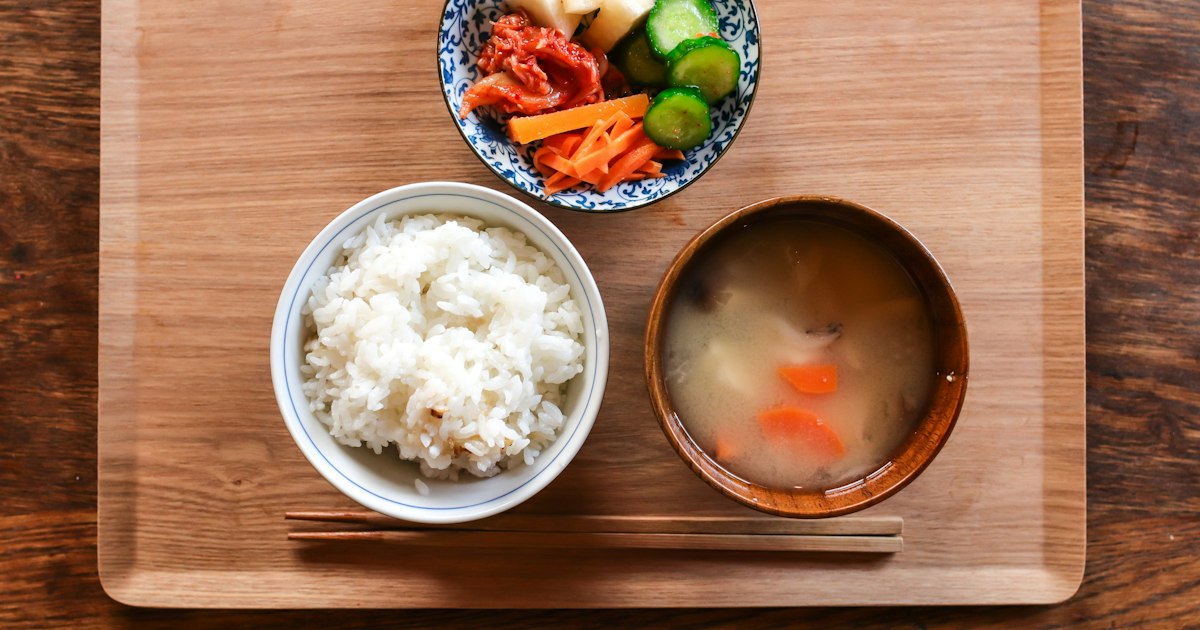
    Walk into almost any Japanese restaurant at lunchtime and you’ll see the same thing on most tables: a tray holding a bowl of rice, a bowl of miso soup, a small mound of pickles, and one main dish. This is teishoku (定食) — the set-meal lunch that keeps Japan’s office workers, students, and truck drivers fed quickly, affordably, and well. It’s one of the easiest ways to eat a real, balanced Japanese meal without speaking much Japanese or spending much money, but it does have its own small set of rules. Here’s how to find a good teishoku-ya and order like you’ve done it before.

    What exactly is a teishoku?

    Teishoku means “fixed meal” — a main dish (grilled fish, fried pork cutlet, simmered vegetables, karaage, whatever the shop specializes in) bundled with rice, miso soup, and tsukemono (pickles) for one set price. It’s different from a bento, which is packed to go, and different from donburi, which is everything piled into one rice bowl. A teishoku arrives on a tray with everything in separate dishes, and in most shops the rice and miso soup are refillable — look for a sign reading gohan okawari jiyu (rice refills free) or just ask “okawari dekimasu ka?”

    The format descends from ryokan and temple meal service, but the modern teishoku-ya as a fast, cheap lunch counter took shape in the postwar decades around train stations and factory districts, which is still exactly where you’ll find the best ones today.

    Where to find a good one

    Skip the restaurants with English menus and photos taped to the window near major stations — they’re priced for tourists. The real teishoku-ya are usually one street back, often with a vertical fabric curtain (noren) at the door, a handwritten paper menu, and a lunch crowd of local office workers between 11:30am and 1:30pm. Chains like Ootoya, Yayoiken, and Miyamoto Mutsugoro are reliable, English-menu-friendly entry points if you want a safe first try; independent, family-run shops near train stations, markets, or business districts are where you’ll eat better for less. If you’re near Saga and want to see where a lot of that fish actually comes from before it lands on a teishoku plate, the Yobuko morning fish market near Karatsu is worth the detour.

    Most teishoku-ya open for lunch around 11:00am or 11:30am and close the kitchen by 2:00pm or 2:30pm, then either close entirely until dinner or reopen around 5:00pm or 6:00pm with a different, pricier dinner menu. Going right at opening or after 1:00pm avoids the worst of the lunch rush; between 12:00pm and 12:45pm, expect a short line at anything popular.

    What it costs: budget to splurge

    Price is the whole appeal of teishoku. In most cities:

    • Budget (¥700–¥1,000): Standard lunch sets at neighborhood shops — saba shioyaki (grilled salted mackerel), karaage, or a simple katsu set with rice, soup, and pickles included.
    • Mid-range (¥1,000–¥1,800): Chain restaurants like Ootoya, or independent shops using better-sourced fish or pork, often with a choice of sides or a small bowl of extra vegetables added.
    • Splurge (¥2,500–¥6,000+): Lunchtime teishoku at restaurants that serve kaiseki or wagyu at dinner, offering a scaled-down, lunch-only version of their evening cooking at a fraction of the price. If you’re ever near Yamagata, a lunch teishoku built around Yonezawa beef is a genuine way to try a historic wagyu brand without paying dinner-course prices.

    Tax is included in the displayed price at almost all teishoku-ya, and there’s no tipping — service is already baked into what you pay.

    How to actually order

    Many teishoku-ya, especially chains, use a vending-machine ticket system (shokken) at the entrance: you pay first, select your set from buttons or photos, take the printed ticket, and hand it to staff when you sit down. At independent shops, you’ll instead sit down, and either point at a numbered item on a wall-mounted menu or just say the dish name plus “teishoku” — “saba teishoku, kudasai” gets you the grilled mackerel set, for example.

    A few phrases make this smoother:

    • “Kore, onegaishimasu” — pointing at a menu photo and saying “this, please”
    • “Gohan, sukuname de” — “small portion of rice,” useful if you don’t want a full bowl
    • “O-kaikei, onegaishimasu” — “check, please,” since table service rarely brings it unasked

    When your food arrives, you’ll usually get a hot towel first — see our oshibori etiquette guide if you’re unsure what to do with it. It’s for wiping your hands before eating, not your face or the table.

    Common mistakes foreign visitors make

    The biggest one is treating teishoku-ya like a restaurant where you linger — these are fast-turnover lunch counters, and sitting for an hour over coffee after finishing is noticeably out of place during the 12:00–1:00pm rush. Order promptly, eat, and clear out if there’s a line.

    Another common slip is trying to split or customize a set — asking to swap the fish for extra rice, or split one set between two people. Teishoku are priced and portioned as fixed combinations; substitutions are rarely possible and asking repeatedly will just confuse the staff. If you want less food, order a smaller set from the menu rather than trying to modify a bigger one.

    Visitors also sometimes miss that miso soup is drunk directly from the bowl (no spoon) while rice is eaten with chopsticks held in the other hand, switching between bowls rather than mixing everything onto one plate. And don’t pour soy sauce over the whole tray — it’s meant for dipping specific items like fish or tofu, not as a general seasoning poured over rice.

    Best times and seasons to go

    Teishoku is a year-round, everyday meal rather than a seasonal specialty, but the main dish often changes with what’s in season — expect more grilled fish like sanma (Pacific saury) in autumn, and cold soba or somen-based sets in midsummer. Lunch hours are busiest Monday to Friday near office districts and stations, since teishoku-ya largely serve the local workday crowd; weekends can mean shorter hours or closure entirely in business areas, while shops in residential or shopping neighborhoods stay busy throughout the week. If you’re traveling during peak school trip months, note that teishoku-ya near major temple and sightseeing circuits in Kyoto and Nara can get crowded with student groups — our guide to shugaku ryoko season covers the calendar if you want to plan around it.

  • Natsumatsuri Game Stalls: Goldfish Scooping (Kingyo-sukui) and Water Yo-Yo Fishing Explained

    Natsumatsuri Game Stalls: Goldfish Scooping (Kingyo-sukui) and Water Yo-Yo Fishing Explained

    Photo by Yu on Unsplash

    Walk through any Japanese shrine festival or Bon odori gathering between July and late August and you’ll find two stalls that outlast every trend: a shallow pool crowded with goldfish and a plastic tub bobbing with water-filled balloons. Kingyo-sukui (goldfish scooping) and mizu yo-yo tsuri (water yo-yo fishing) have been staples of natsumatsuri — summer festivals — for generations, and they’re far more skill-based than they look. Most first-time visitors lose their paper scoop in under ten seconds and walk away confused about what just happened. This guide explains the rules, the real cost, and the technique that separates a one-fish haul from an empty-handed walk back to the yakitori stand.

    What Kingyo-sukui Actually Is

    Kingyo-sukui is a scooping game: a shallow tank or inflatable pool holds dozens of small goldfish (and sometimes a few prized larger ones, called “dekakin”), and players try to lift fish out using a poi — a thin wire or bamboo ring with a sheet of tissue-like paper called gyorigami stretched across it. The paper is rated by thickness, usually numbered from around #4 (thickest, most durable) down to #7 or #8 (tissue-thin, used in competitions). Festival stalls almost always hand out a mid-range paper, somewhere around #5, which gives a casual player a realistic shot at one or two fish.

    The catch: wet paper weakens fast. The moment you submerge the poi, a countdown starts. Most stalls charge around ¥300–500 for either a fixed number of poi (often one, sometimes three) or a timed round of two to three minutes. When your paper tears through, your turn ends — whatever is still in your paper net (or that you’ve transferred into the holding bowl) is yours to keep, usually capped at two or three fish per stall policy.

    How to Actually Catch One

    The biggest mistake visitors make is chasing the fish like they’re using a net. The poi is not a net — once the paper tears, it’s a net with a hole, which catches nothing. Instead:

    • Enter the water at an angle. Dip the poi edge-first, tilted roughly 45 degrees, so water slides off the paper instead of pushing straight through it.
    • Let the fish come to the paper, don’t scoop at the fish. Hold the poi still just under the surface and guide a goldfish over it with your other hand or a second poi, then lift straight up and fast.
    • Go for small fish first. The bigger “prize” goldfish put more pressure on wet paper and tear it almost immediately — tempting, but a bad bet for beginners.
    • Minimize dips. Every re-entry into the water adds stress to the paper even if you don’t catch anything. Decide where you’re aiming before the poi touches the surface.
    • Don’t press down on the rim. Weight should stay centered on the paper, not the frame edge, or it tears at the seam instantly.

    If you want to see what expert-level kingyo-sukui looks like, Nara Prefecture’s Yamatokoriyama City — a town with a goldfish-farming history going back to the Edo period — hosts the All Japan Goldfish Scooping Championship most years in August. It’s held indoors at a city gymnasium near Kintetsu Yamatokoriyama Station on the Kintetsu Kashihara Line, a short hop from Yamato-Saidaiji Station and roughly 30–40 minutes from Kintetsu Nara or Osaka’s Namba area. Competitors there use ultra-thin tissue paper and routinely scoop dozens of fish in three minutes — a useful reality check before you judge your own two-fish festival haul too harshly.

    Water Yo-Yo Fishing (Mizu Yo-Yo Tsuri)

    The second classic stall uses balloon-like water yo-yos: small latex balloons filled with colored water, each with a tiny plastic ring looped through a rubber band at the top. They float in a tub, and players use a hook — a bent wire tipped with thin paper or vinyl coating, tied to a short string with a small weight — to snag the ring and lift the balloon out before the hook’s coating dissolves or tears in the water. Like kingyo-sukui, the hook is the fragile, timed part of the game, not the balloon.

    Technique here is gentler than it looks: lower the weighted string straight down through the loop rather than trying to “fish” sideways, and lift smoothly the instant the hook catches — jerking it snaps thin hooks instantly. Pricing runs similar to goldfish scooping, typically ¥300–500 per hook or per attempt. A successful catch is yours to keep and bounce around for the rest of the festival (the rubber band loop lets you flick it like a yo-yo), though it’s a water balloon at heart — treat it gently or it will eventually burst.

    Budget, Mid-Range, and Splurge

    For a casual evening at any neighborhood shrine festival, budget around ¥1,000–1,500 per person to try both games two or three times each, alongside a snack like ikayaki or soft-serve from a yatai (food stall). Mid-range festival-goers often spend ¥2,000–3,000 chasing a second or third goldfish after the first poi tears — it’s genuinely addictive once you get the angle right. For a splurge-level experience, attending a major festival such as a city’s largest Tanabata or hanabi (fireworks) festival means paying the same ¥300–500 per stall game, but you’ll find more stalls, better-maintained tanks, and often slightly thicker paper for tourists, making a successful catch more likely.

    Best Season and Timing

    Natsumatsuri season runs roughly from early July through the end of August, peaking around Obon (mid-August) and major fireworks weekends. Stalls typically set up in the late afternoon and run from around 5pm to 9 or 10pm, lit by paper lanterns once it gets dark — arrive by 6pm if you want shorter lines and goldfish that haven’t been “worked over” by a full evening of attempts. Because these are evening events timed around sunset and fireworks, it’s worth checking last train times before you go, especially at festivals outside central Tokyo or Osaka where the shuden (last train) can arrive earlier than you’d expect.

    Taking Your Goldfish Home

    This is the part most foreign visitors overlook: if you win, you’re handed live goldfish in a knotted plastic bag of water, not a souvenir you can pack. Airlines and most hotels won’t accommodate live fish, so this game is realistically for visitors staying with Japanese friends or family, or simply for the fun of trying — stall staff are used to tourists releasing their catch back into the tank or giving it to a local child nearby, and nobody will think it’s odd to ask. If you’re more interested in a portable festival souvenir, the water yo-yo balloon is the better bet, or look for festival vendors selling goldfish-patterned goods, which pop up seasonally near the same shrine grounds as a nod to the game itself.

    Both games are also a good entry point into the wider festival atmosphere — the same evenings usually feature taiko drumming, Bon odori dancing circles, and crews of festival carriers in traditional jika-tabi split-toe boots hauling the mikoshi shrine palanquin through the crowd. Budget an entire evening rather than a quick stop; the stalls are a small, satisfying piece of a much bigger scene.

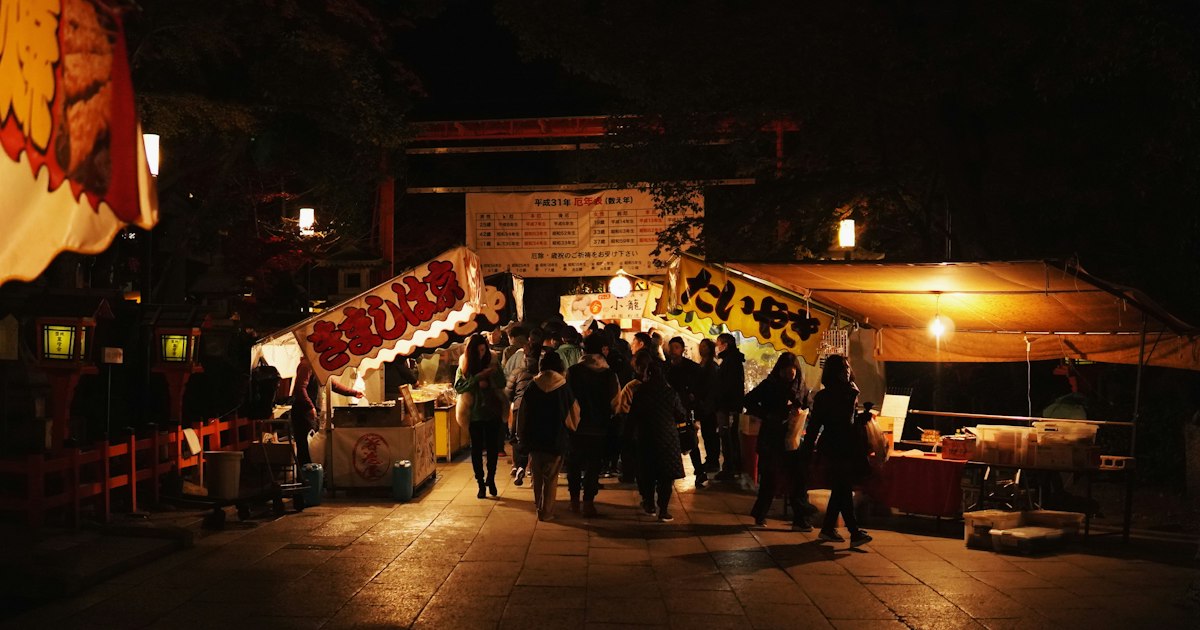
  • Oshibori Etiquette: Japan’s Hot Towel Custom at Restaurants and Izakaya

    Oshibori Etiquette: Japan’s Hot Towel Custom at Restaurants and Izakaya

    Photo by Ali Inay on Unsplash

    Before the menu, before the water, before anything else, a Japanese restaurant will often hand you a small rolled towel. This is the oshibori (お絞り), and it’s one of the first small rituals a visitor encounters at a Japanese table — and one of the easiest to get slightly wrong. It’s not complicated, but there are a few unwritten rules worth knowing before your first meal in Japan.

    What Exactly Is an Oshibori?

    Oshibori literally means “wrung out,” referring to the traditional method of wetting and twisting a cloth towel before serving it. You’ll encounter two main versions: a proper cotton or linen towel (sometimes warmed, sometimes chilled) at sit-down restaurants, ryokan, and izakaya, or a single-use paper version — individually wrapped, often lightly scented with citrus or green tea — at casual spots like ramen counters, conveyor-belt sushi, and curry shops. Convenience store bento also usually come with a small plastic-wrapped wet wipe that’s a budget cousin of the same idea.

    The custom predates Western-style napkins in Japan and is thought to go back centuries, originally offered to travelers at inns to wash road dust from their hands before eating. Today it’s purely a hospitality gesture — almost always free, and rarely itemized on the bill.

    How to Use One: The Dos and Don’ts

    The core rule is simple: oshibori are for your hands only, used before you start eating. Unfold it, wipe your palms and fingers, then fold it back roughly into its original shape and set it on the tray, holder, or edge of the table it came on. That’s it.

    • Do use it immediately when it arrives, before you start browsing the menu for too long — it’s meant to be used warm or cold, not lukewarm twenty minutes later.
    • Do re-fold it neatly rather than leaving it crumpled in a heap.
    • Don’t wipe your face, neck, or arms with it. You will occasionally see older Japanese men do this at casual izakaya after a hot day, and it’s tolerated among friends, but it’s considered a little rough around the edges — not something a visitor should imitate, especially in a nicer setting.
    • Don’t use it to wipe the table, clean up a spill, or wipe your mouth after eating. For that, ask for a napkin (napukin) or tissue — most restaurants have paper napkins in a dispenser or will bring one on request.
    • Don’t try to tip for it or ask whether it’s included in the bill. It’s a standard part of service, not an extra.

    Hot vs. Cold: Reading the Season

    Which temperature you get is seasonal and automatic — you don’t choose. From roughly June through September, expect a chilled oshibori, often kept in a small fridge or cooler by the entrance, genuinely refreshing after a humid walk in from the street. From October through May, towels are warmed, sometimes in an electric towel steamer kept near the register — the same kind of equipment barbershops use. High-end kaiseki restaurants and ryokan sometimes raise this further, scenting warm towels with yuzu, sakura, or hinoki essential oil and presenting a fresh one between courses rather than just at the start of the meal. If you’re staying somewhere with a kaiseki dinner, this is one of several small customs layered into the meal — much like the envelope-tipping custom covered in Kokorozuke: The Cash-in-an-Envelope Ryokan Tipping Custom Foreign Guests Rarely Know About, it’s a gesture visitors rarely anticipate but quickly appreciate.

    Where You’ll Encounter Oshibori (and Where You Won’t)

    Oshibori shows up almost everywhere food is served with any ceremony: izakaya, family restaurants (family-restaurant chains like Saizeriya and Royal Host included), sushi counters, soba and udon shops, and hotel breakfast rooms. At izakaya specifically, the oshibori usually arrives at the same moment as the otoshi — the small, often unordered starter dish that comes with your seat charge. If you’re new to izakaya dining, it’s worth reading Izakaya Ordering 101: Otsumami, Otoshi Charges & How Nomihodai Deals Work before your first visit, since the oshibori-and-otoshi combo together can otherwise feel like a confusing, unordered charge on the bill (it isn’t — the otoshi is standard, the towel is free).

    You’ll also get oshibori on JR limited express and Shinkansen Green Car seats, and on domestic ANA and JAL flights — a small cotton towel handed out shortly after boarding or departure, usually warm. Fast-food chains, standing noodle bars, and conveyor-belt sushi tend to skip the cloth version entirely and give you a packaged wet wipe instead, or nothing at all if there’s a sink nearby. Convenience store bento purchases almost always include a small plastic wet wipe tucked in the bag — functionally an oshibori, even if no one calls it that.

    Common Mistakes Foreign Visitors Make

    The most frequent misstep is simply not knowing what the towel is for and leaving it untouched, which is harmless but means missing a nice bit of hospitality. The second most common is using it throughout the meal like a napkin — fine at a casual family restaurant, slightly out of place at a quieter sushi counter or kaiseki room where a cloth napkin or paper tissue is the expected tool for mid-meal cleanup. The third is assuming a fee is hidden somewhere; it almost never is. If a restaurant does charge for oshibori — rare, but it happens at some budget izakaya as a small “oshibori-dai” of around ¥50–¥100 — it will usually be a line item you can ask about, not a silent surprise.

    Bringing the Custom Home: Oshibori-Style Products to Buy

    If you like the ritual enough to want it at home, Japan sells the whole ecosystem. Department stores and shops like Tokyu Hands and Loft stock cotton oshibori-style hand towels (often sold in sets of 5–10 for roughly ¥800–¥2,000) alongside small electric towel warmers for home use, generally ¥3,000–¥8,000, the same basic appliance restaurants use behind the counter. It sits comfortably alongside Japan’s broader culture of small heated-comfort objects for daily life — the same instinct behind products like the Megrhythm steam eye masks travelers stock up on, where a short burst of gentle heat is treated as a small, deliberate act of care rather than an afterthought.

    For a souvenir with a lower price point, scented single-use paper oshibori packs (often citrus, green tea, or lavender) are sold at drugstores and some souvenir shops for around ¥300–¥600 for a box of a dozen — easy to pack flat in a suitcase and a nice way to introduce the custom to people back home without needing an appliance at all.

    It’s a small gesture, but it sets the tone for a meal in Japan: a moment of simple, quiet hospitality before the food even arrives. Once you know what to do with it, it becomes one of those little rituals that’s easy to miss once you’re home.

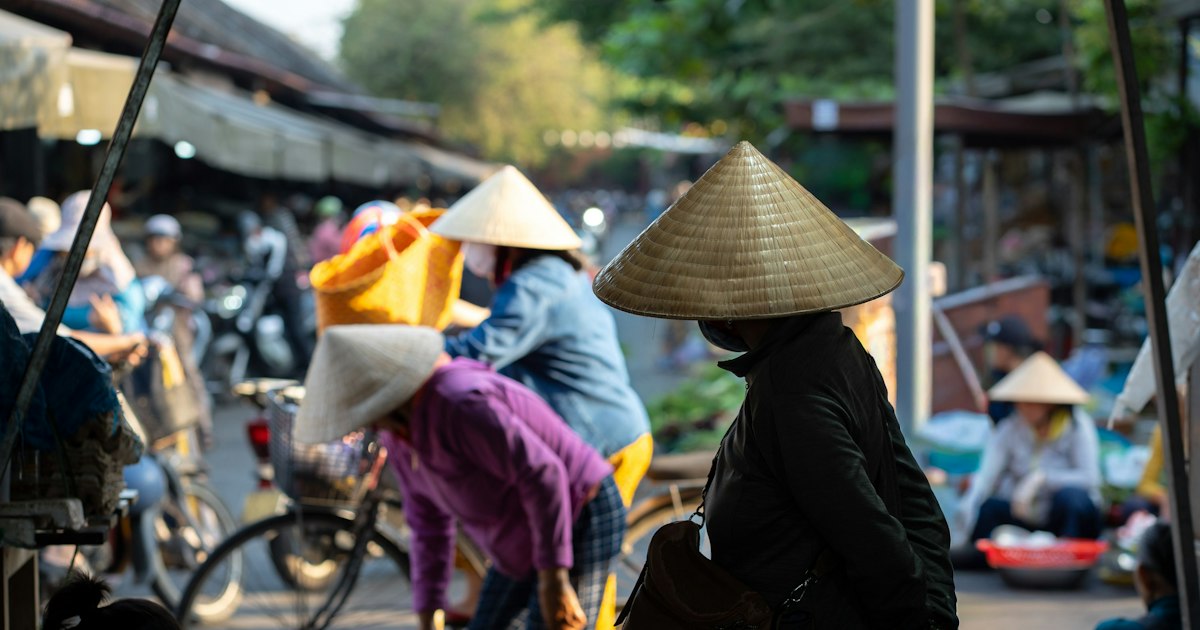
  • Yobuko Asaichi: Inside Saga’s 400-Year-Old Morning Fish Market Near Karatsu

    Yobuko Asaichi: Inside Saga’s 400-Year-Old Morning Fish Market Near Karatsu

    Photo by Pete Walls on Unsplash

    Most visitors to Kyushu never make it past Fukuoka and Nagasaki, which is exactly why Yobuko Asaichi is worth the detour. This small harbor market in Karatsu, Saga Prefecture, has been running since the Edo period and is still counted among Japan’s handful of great morning markets — a working fish market, not a tourist reconstruction, where local grandmothers haggle over mackerel next to tanks of live squid pulled from the Genkai Sea that same morning. It’s compact, it’s cheap, and it rewards anyone willing to show up early.

    What Makes Yobuko Asaichi Special

    Yobuko is a small fishing port on the Genkai Sea coast, about 10km northwest of central Karatsu. The morning market sets up along a single street roughly 400 meters long, lined with stalls selling whatever came in on the boats that night: squid, mackerel, horse mackerel (aji), sea bream, shellfish, dried fish, local vegetables, and seaweed. The town’s calling card is squid — Yobuko ika — prized for being firm and almost translucent when served alive within minutes of being caught. You’ll see it swimming in blue plastic tanks outside nearly every restaurant along the harbor.

    This isn’t a market built for photos first; it’s a genuine supply chain for the town, which is part of its charm. Vendors are used to tourists but conduct business in Japanese, often with simple hand gestures or a calculator for prices — don’t expect English menus at the stalls themselves (restaurants nearby are more used to visitors).

    Getting There from Fukuoka and Karatsu

    There’s no train directly to Yobuko, so the trip takes a bit of planning:

    • From Fukuoka (Hakata/Tenjin): Take a Showa Bus highway bus bound for Karatsu (around 70–80 minutes, roughly ¥1,200–1,500 one-way), then transfer to a local Showa Bus bound for Yobuko (around 30 minutes, roughly ¥500–600). Buses to Yobuko are not frequent — check the timetable before you leave so you’re not stranded waiting an hour.
    • From Karatsu Station: JR Karatsu Station connects to Fukuoka via the Karatsu Line/Chikuhi Line. From the station, local buses to Yobuko take about 25–30 minutes.
    • By car: This is genuinely the easiest option. It’s about 50–60 minutes from Fukuoka via the Nishi-Kyushu Expressway, and there’s free or low-cost parking near the market and harbor. If you’re renting a car anywhere in Kyushu, Yobuko is one of the better reasons to do it.

    Realistically, budget a half-day round trip from Fukuoka, or pair it with other stops in Karatsu so the bus transfers feel worthwhile.

    Best Time to Visit: Hours and Season

    The market runs every morning, roughly from 7:30 AM to noon, but it is very much a “the early catch gets the squid” situation. Vendors start packing up mid-morning once the best stock sells out, and by late morning several stalls are already closed. Aim to arrive by 8:00–9:00 AM for the fullest selection and to actually see live squid in the tanks rather than empty coolers.

    Squid is available most of the year, but quality and visible activity in the tanks tend to peak from late spring through autumn (roughly May–October), when the Genkai Sea squid catch is strongest. Winter trips are still worthwhile for other seafood — just temper expectations if ikizukuri (live sashimi) is the main goal.

    Weekday mornings are noticeably calmer than weekends, when domestic day-trippers and tour buses arrive. If you want the market to feel more like a real town errand than a tourist stop, go on a weekday.

    What to Eat and Buy

    Squid is the reason most people come, and it shows up in three main forms:

    • Budget: Grilled or dried squid snacks from the market stalls, generally ¥300–800 depending on size — easy to eat while walking the street. This is the same spirit as the whole-squid grilling culture you’ll find at ikayaki stalls elsewhere in Japan, except here the squid is often still alive seconds before it hits the grill.
    • Mid-range: Ikizukuri (live squid sashimi) at one of the small harbor-front restaurants, typically ¥1,500–3,500 for a single squid serving depending on size and season. Many places serve the tentacles still moving on the plate — a genuine spectacle the first time you see it, and part of what Yobuko is known for.
    • Splurge: A full seafood course at a sit-down restaurant — squid sashimi, tempura, grilled fish, and shiokara (salted fermented squid) — generally ¥5,000 and up per person. Several restaurants along the harbor road do this as a set lunch, which is an easier way to sample multiple squid preparations than ordering individually.

    Beyond squid, the market is a good place to pick up dried fish, seaweed, and local vegetables if you’re self-catering nearby, though these aren’t practical souvenirs for travelers heading straight back to a hotel room without a kitchen.

    Common Mistakes to Avoid

    • Arriving after 10:30 AM. The market is often described by its opening hours, but the best stalls and freshest squid thin out well before closing time. Treat “noon” as the hard outer limit, not the target.
    • Assuming a restaurant table will be free on the spot. On weekends and in peak squid season, the popular ikizukuri restaurants near the harbor can have a short wait. If you have a specific restaurant in mind, go straight there before browsing the stalls.
    • Only bringing cards. Market stalls and many small restaurants are cash-only or cash-preferred. Bring enough yen in small denominations.
    • Underestimating bus frequency. The Yobuko local bus doesn’t run every few minutes like city transit. Check return times when you arrive so you’re not waiting an hour at the end of the trip.
    • Treating it like a big attraction. This is a small, working market street, not a sprawling complex — most visitors cover it in 1–1.5 hours, which is worth knowing so you can plan the rest of the day around it rather than losing a full morning.

    Pairing Yobuko with the Rest of Karatsu and Saga

    Yobuko works best as part of a longer loop rather than a standalone trip. Central Karatsu, with its castle (Maizuru Park) and pottery kilns producing Karatsu-yaki ceramics, is a natural add-on since you’ll likely pass through on the bus anyway. If you’re basing yourself in the wider Nagasaki–Saga region, Yobuko also pairs well with a visit to Shimabara’s castle town and canals, another underrated coastal stop in the area that most Kyushu itineraries skip.

    If you end up staying in Karatsu or Fukuoka for dinner after your morning at the market, it’s worth brushing up on how izakaya ordering and seat charges work — Kyushu’s seafood izakaya are excellent, and knowing how otoshi and nomihodai pricing works (covered in this guide to izakaya ordering) will save you from surprise charges on the bill. And if you’re routing back to a city base the same night, double-check the last bus or train — Japan’s shuden cutoff times catch out more travelers in rural areas like this than in Tokyo, since local service simply stops running earlier.

    Yobuko isn’t going to be the headline of anyone’s Japan trip, but for a few hours on a quiet morning, it offers something increasingly rare: a market that exists for the town first, with visitors as an afterthought.

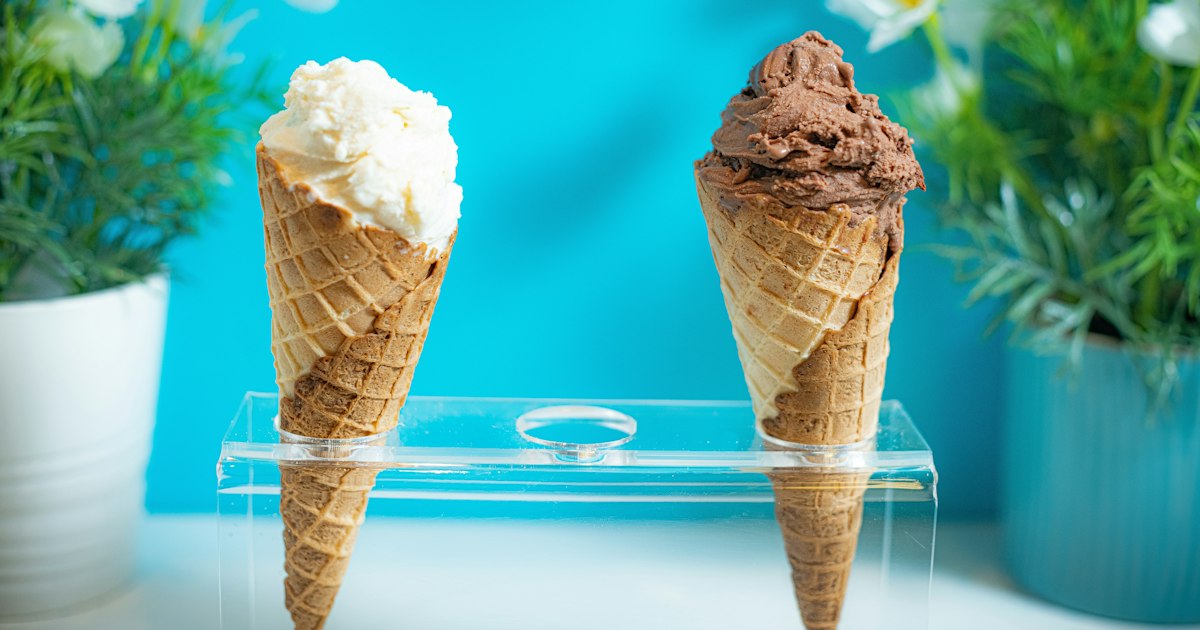
  • Japanese Soft Serve Flavors: Wasabi, Black Sesame and Other Regional Soft Cream Worth Hunting Down

    Japanese Soft Serve Flavors: Wasabi, Black Sesame and Other Regional Soft Cream Worth Hunting Down

    Photo by Nas Mato on Unsplash

    In most countries, soft serve means vanilla, chocolate, or maybe a swirl of both. In Japan, it’s a national obsession with a local twist: nearly every prefecture, hot spring town, and roadside rest stop has engineered its own signature flavor, often using whatever the region is famous for. That means you can eat your way across Japan one cone at a time — wasabi in Shizuoka, black sesame in Kyoto, salt in Kamakura, purple sweet potato in Okinawa. Here’s where the best “soft cream” (as it’s called in Japanese) is worth a detour, what to actually expect flavor-wise, and how to avoid the tourist-trap versions that taste like nothing at all.

    Wasabi Soft Serve: Shizuoka and Nagano’s Signature Shock

    Shizuoka Prefecture grows most of Japan’s wasabi, particularly around the Izu Peninsula and the Abe River valley, so it’s no surprise this is ground zero for wasabi soft serve. The best versions use real grated wasabi root swirled into fresh cream, not green food coloring — you’ll know the difference immediately because the fake ones just taste like vanilla with a vague bitterness, while the real thing gives a brief, sinus-clearing kick about three seconds after the first bite, then fades into a clean, almost herbal sweetness.

    Look for it at wasabi farm shops like Utougeno-Wasabien near Shizuoka City (open roughly 9:00–17:00, closed irregularly in winter) and at rest stops along Route 1 through the Amagi mountains, where cones run ¥400–¥500. If you’re riding the Oigawa Railway through Shizuoka’s tea country, several station kiosks near Kanaya and Senzu sell wasabi soft serve alongside matcha, making it an easy two-flavor comparison in one afternoon. Nagano’s wasabi farms near Azumino run a milder version worth trying if you’re doing the Matsumoto–Hakuba circuit instead.

    Common mistake: expecting it to be genuinely spicy. It’s a novelty flavor, not a dare — the heat is a light tingle, not a punch. If you want more intensity, ask for extra wasabi paste on the side (sometimes offered for an additional ¥50–¥100).

    Black Sesame (Kuro Goma): Kyoto and Nara’s Go-To

    Black sesame soft serve is less a regional novelty and more a default flavor across the Kansai area, especially in Kyoto and Nara, where it pairs naturally with the area’s tofu, yatsuhashi, and other subtly sweet, nutty snacks. The best versions are genuinely gray-black (not just dark brown) and taste roasted and slightly bitter under the sweetness — a world apart from the nearly flavorless black sesame soft serve sold at generic souvenir shops.

    In Kyoto, Arashiyama’s Nakamura-ya and shops along the approach to Kiyomizu-dera sell solid versions for ¥450–�003¥500. In Nara, stalls near Todai-ji and Nara Park do a good one too, and you can eat it while dodging the deer. Spring and autumn are the most pleasant times to eat it outdoors, but be aware that if you’re visiting Kyoto or Nara during shugaku ryoko season, when school trips flood the temples, the queues at the most famous soft serve stalls near Kiyomizu-dera and Nara Park can run 15–20 minutes deep on weekday afternoons in May, June, and October. Go before 10am or after 4pm to skip the worst of it.

    Hokkaido Milk: The Benchmark Everyone Compares To

    If you only try one “normal” soft serve in Japan, make it Hokkaido milk flavor — it’s the standard against which every other regional version gets judged, thanks to the prefecture’s dairy farms and genuinely higher butterfat content. It’s richer, slightly yellow rather than stark white, and has a faint grassy sweetness that mass-produced soft serve elsewhere doesn’t replicate.

    Furano and Biei, in central Hokkaido, have some of the best farm-stand versions (¥350–¥450), and Hakodate’s Morning Market and Otaru’s canal area both have reliable tourist-friendly stalls. Budget travelers can get a perfectly good version at Seicomart convenience stores across Hokkaido for under ¥300; if you want a splurge, farm cafes like Nakafurano Cheese Factory add fresh cheese curds or hand-made caramel for ¥600–¥700. Summer (July–August) is peak season for both flavor and crowds — the cows are on fresh pasture, but so is everyone else.

    Salt (Shio) Soft Serve: Kamakura and Enoshima’s Beach Classic

    Salt soft serve became a beach-town staple along the Shonan coast, and Enoshima in particular has leaned into it hard — you’ll find shio soft serve stands lining the approach to Enoshima Shrine, usually ¥400–¥450, often dusted with extra sea salt flakes on top. The effect is less “salty” than it sounds; it mostly intensifies the sweetness and cuts the richness, which is genuinely refreshing after a hot walk up the island’s stone steps in summer.

    This is a fair-weather food in the most literal sense: go between May and September when the stands are fully staffed and the queue moves fast, since several close early or operate limited hours in winter. It also pairs oddly well with a savory afternoon of coastal street snacking — if you’re the type who enjoys grazing your way through a day out, treat it the same way you’d approach hunting down grilled whole squid (ikayaki) at a street stall: one savory, one sweet, both eaten standing up.

    Purple Sweet Potato: Okinawa’s Beni Imo

    Okinawa’s beni imo (purple sweet potato) is a genuinely distinct regional crop, and the soft serve made from it is one of the few flavors in this list that would be hard to replicate convincingly with food coloring — the taste is earthy, mildly sweet, and a bit like chestnut. It’s sold island-wide, but the most famous version is at Yomitan Village’s Beni Imo Tart shop and at Kokusai-dori stalls in Naha, running ¥350–¥500.

    Okinawa is warm nearly year-round, so there’s no bad season for this one, though midsummer (July–August) is brutally hot and humid enough that a melting cone becomes a real hazard — eat fast or get a cup instead of a cone.

    Where It Falls Apart: Spotting the Fake Regional Flavor

    Not every “local” soft serve is actually local. Big tourist areas sometimes sell a rotating cast of novelty flavors (charcoal black, rainbow, gold-leaf-topped) that have nothing to do with the region and everything to do with Instagram. A few tells that a flavor is the real, worthwhile version: the shop is attached to or near the actual producer (a wasabi farm, a dairy, a sesame or tea processor); the color is muted and natural rather than neon; and the price is in the realistic ¥350–¥550 range rather than ¥700+ for a gold-flake gimmick cone near a train station.

    Budget-wise, convenience stores and rest stops (michi-no-eki) are your cheapest reliable option at ¥250–¥350, mid-range sit-down farm cafes run ¥400–¥600, and splurge versions with mix-ins (fresh fruit, roasted nuts, a shot of liqueur) can hit ¥800–¥1,000 at specialty shops in Tokyo or Kyoto. None of it requires a reservation — just good timing, since popular stalls sell out of specific flavors on hot weekend afternoons, especially matcha and uji flavors in Kyoto by early afternoon.

    Planning Around It

    Soft serve hunting works best as a side activity rather than the main event of a day, since the best versions are tied to farms, shrines, and rail lines you’d likely visit anyway. If you’re building a multi-region itinerary, it’s worth noting that most of these shops are cash-friendly and cheap enough that they won’t dent a daily budget — the bigger planning consideration is simply seasonality: wasabi and milk flavors are available year-round, but beach-town salt soft serve and some farm-stand specials genuinely shut down or scale back from November through March. Check this before building a winter itinerary around a specific flavor you saw online.

  • Kuruma Oharai: Japan’s Shrine Ritual for Blessing a New Car

    Kuruma Oharai: Japan’s Shrine Ritual for Blessing a New Car

    Photo by Juliana Barquero on Unsplash

    If you’ve ever driven past a Japanese Shinto shrine and seen a shiny new car parked in front of the main hall with a priest waving a wooden wand over its hood, you’ve witnessed kuruma oharai (車祓い) — the ritual purification of a vehicle. It’s one of Japan’s quieter cultural customs, rarely covered in guidebooks, but it shows up everywhere: car dealership lots, rental agency yards, and the overflow parking areas of neighborhood shrines across the country. For long-term residents, expats buying their first car, or even curious travelers settling in for an extended stay with a rental, it’s worth understanding — both as a window into how spiritual practice threads through everyday Japanese life, and as something you might genuinely want to do yourself.

    What Is Kuruma Oharai?

    Kuruma oharai (also called kuruma no oharai, or shinsha oharai when it’s specifically for a brand-new car) is a Shinto purification ceremony performed to cleanse a vehicle of bad luck and pray for traffic safety (kōtsū anzen) for everyone who rides in it. It sits in the same family of services as yakudoshi prayers for unlucky ages or anzan prayers for safe childbirth — a kigan, or formal prayer request, performed by a resident Shinto priest.

    It isn’t a legal requirement and has nothing to do with Japan’s mandatory shaken vehicle inspection. It’s entirely customary, rooted in the belief that a car, like a new home or a newborn, carries risk until it’s been spiritually cleared. Many Japanese drivers get it done for every new car they buy, whether brand new off the lot or a used car bought secondhand.

    How the Ritual Works

    The process is short, usually 15–20 minutes, and happens right where your car is parked. A typical sequence:

    • You drive to the shrine and park in a designated purification area — often marked off with a small portable table, white cloth, and sometimes a temporary shimenawa (sacred rope) strung in front of the car.
    • You turn off the engine, step out, and stand to the side while the priest performs a norito (ritual prayer) and waves a haraegushi (a wooden wand with paper streamers) over the car, including the interior, trunk, and sometimes the license plate.
    • Salt or sake may be sprinkled near the tires as a final purification step.
    • You receive an ofuda or kōtsū anzen omamori — a paper or cloth talisman — to place on the dashboard, clip to the sun visor, or hang from the rearview mirror.

    Photos are generally fine, but ask the shrine office first — some request that you not photograph the priest during the prayer itself.

    When to Schedule One

    Most people book this within the first few weeks of buying a car, often timed to a taian day — the most auspicious date on Japan’s rokuyo calendar, which many people still consult for big life events. Shrines get noticeably busier on taian weekends, so if you want flexibility, aim for a weekday.

    Spring is a popular season, since Japan’s fiscal and school year starts in April and dealerships see a bump in new car sales. New Year’s is the other major spike: taxi companies, bus operators, and trucking firms line up entire fleets at shrines during hatsumode (the first shrine visit of the year) for a mass blessing — a striking sight if you happen to be near a large shrine on January 2nd or 3rd.

    It’s also common to get a car blessed before a long road trip, especially a first big drive after buying a vehicle. If you’re planning a self-drive itinerary to somewhere remote — the caldera lake loop around Lake Shikotsu and Lake Toya in Hokkaido, or the mountain roads out to Lake Tazawa in Akita — this is exactly the kind of trip Japanese drivers traditionally get blessed before.

    Where to Get It Done

    You don’t need a famous shrine — almost any mid-size or larger Shinto shrine with a resident priest offers this, and it’s usually the same office that handles other kigan prayers. Tokyo’s Kanda Myojin is one of the better-known examples, with a dedicated car-blessing area right in front of the shrine that regularly handles everything from delivery vans to luxury sedans. Outside major cities, your best bet is simply the largest shrine in your area.

    Call ahead. Larger shrines often require a reservation since they need to reserve the parking space and schedule a priest, and walk-ins may face a wait on weekends or auspicious days. Smaller neighborhood shrines are sometimes more flexible, but it’s still polite to call first — ask for “kuruma no oharai” or “kuruma no kigan” specifically, and have your car’s make and approximate size ready, since some shrines charge differently for larger vehicles.

    What It Costs

    The fee is called tamagushiryo or oharairyo, and prices are usually posted at the shrine office or quoted when you book:

    • Budget: ¥5,000 — the baseline at most shrines for a standard passenger car.
    • Mid-range: ¥7,000–¥10,000 — a more elaborate blessing, sometimes including a slightly larger ofuda or small gift set.
    • Splurge: ¥15,000–¥30,000 — typical for commercial vehicles, trucks, buses, or fleet blessings with multiple cars at once.

    Pay in cash. Many shrines expect the fee presented in a noshi-bukuro (a decorative envelope), sometimes with tamagushiryo written on the front — a formality that will feel familiar if you’ve read about kokorozuke, the envelope-based tipping custom at traditional inns. The same instinct — money handed over plainly is a little too blunt, so it goes in paper first — applies here too. If you don’t have an envelope, plain cash is usually accepted without issue; shrine staff won’t make a fuss, but bringing exact change in a clean envelope is the more polished move.

    Common Mistakes to Avoid

    A few things trip up first-timers:

    • Showing up unannounced on a taian weekend. You may be turned away or told to come back; call ahead, especially in spring or around New Year.
    • Confusing it with shaken. This has no bearing on legal roadworthiness or registration — it’s purely a spiritual service.
    • Parking in the wrong spot. Shrine lots are often small; follow staff directions rather than parking wherever looks open.
    • Leaving the engine running during the prayer. Turn it off and step out — staying inside the car is considered disrespectful.
    • Not budgeting cash. Card payment is essentially never accepted for kigan fees.

    Keeping (and Returning) Your Charm

    The ofuda or omamori you receive is meant to stay with the car, not get carried around separately. Most people keep it for about a year, then return it to a shrine — ideally the same one, though any shrine will usually accept it — to be ceremonially burned, often during a New Year dontoyaki fire. You then get a fresh one if you’d like to keep the practice going. It’s a small, low-cost ritual, but it’s also a genuine piece of how many Japanese drivers relate to their cars, and a good reminder that the country’s spiritual customs extend well past temples and New Year’s visits into the most ordinary corners of daily life.

  • Shimabara: Nagasaki’s Castle Town of Carp-Filled Canals and Guzoni Hot Pot

    Most visitors to Nagasaki Prefecture never make it to Shimabara, and that’s exactly why it’s worth the detour. An hour or so from Nagasaki City on a small local railway, this castle town on the Shimabara Peninsula is famous for two unrelated but equally charming things: clear canals running with hundreds of koi carp, and a one-pot stew called Guzoni that’s been served here since the 17th century. It’s a half-day or full-day trip that rewards slow walking more than a packed itinerary.

    How to get to Shimabara

    The main approach is the Shimabara Railway (Shimatetsu), a single-track line that runs along the Ariake Sea coast from Isahaya Station. From Nagasaki Station, take a JR limited express or local train to Isahaya (about 30-40 minutes), then transfer to the Shimatetsu line to Shimabara Station (roughly 1 hour 20 minutes, around 1,500 yen one-way on the private line). The scenery along the way — Mount Unzen on one side, the Ariake Sea on the other — is part of the appeal, so don’t rush straight through on the fastest connection.

    There’s also a ferry option if you’re coming from Kumamoto: high-speed boats cross the Ariake Sea from Kumamoto Port to Shimabara Port in about 30 minutes (roughly 1,000-1,100 yen), with a slower car ferry taking about an hour. This is a genuinely useful shortcut if you’re combining Shimabara with Kumamoto Castle or Mount Aso rather than approaching purely from the Nagasaki side.

    Shimabara Station and Shimabara Port are both within a 15-20 minute walk of the castle and the old samurai district, and the town itself is compact enough to cover on foot. If you’re staying over, note that Shimatetsu’s last trains back toward Isahaya run earlier than you’d expect for a tourist town — check the timetable before you linger too long over dinner; the general rules around last trains in Japan apply just as much on small regional lines as they do in Tokyo.

    Shimabara Castle

    The castle (Shimabara-jo) is a reconstructed concrete keep built in 1964 on the original stone base, but the site’s history is the real draw. The original castle, completed in 1624 by lord Matsukura Shigemasa, became a flashpoint for the brutal taxation that triggered the 1637-38 Shimabara Rebellion, when tens of thousands of farmers and Christians under the teenage leader Amakusa Shiro rose up against the shogunate. The rebellion ended in a mass siege and execution at nearby Hara Castle, and it’s one of the reasons Japan sealed its borders for the next two centuries.

    Inside, the keep houses exhibits on the rebellion, local Christian history, and folk crafts. Admission is around 550 yen for adults, and it’s open daily from 9:00 to 17:30 (last entry around 17:00). Budget 45 minutes to an hour, less if you just want the view from the top floor over the town and the sea.

    The carp-filled canals of the samurai district

    This is Shimabara’s signature image, and it holds up in person. Just west of the castle, the old samurai residence street (Bukeyashiki) and the nearby Shimeikan spring-fed canal network are fed by groundwater melting down from Mount Unzen, so clear it looks tinted blue-green in places. Hundreds of ornamental koi swim freely in the open channels running alongside the street and through private gardens, giving the town its nickname “Mizu no Miyako” — the Water Capital.

    The Bukeyashiki street itself costs nothing to walk, and three preserved samurai houses along it (Yamamoto-tei, Shinozuchi-tei, and Tamura-tei) are open to the public free of charge, with tatami rooms you can step into. A short walk away, the Shimeikan garden has a dedicated koi pond and teahouse where you can sit beside the water for the price of a drink or a light meal. Go in the morning or late afternoon if you want photos without crowds — this area draws domestic day-trippers on weekends, especially in summer when the water looks its most vivid.

    Guzoni: Shimabara’s hot pot with a rebellion story

    Guzoni (具雑煮) is a hearty, individual-sized hot pot of mochi rice cakes, chicken, shiitake, burdock root, kamaboko fish cake, and seasonal vegetables simmered in a soy-based dashi, traditionally served bubbling in a small iron pot (hagama) at the table. It’s technically a style of zoni — the soup usually reserved for New Year’s in most of Japan — but in Shimabara it’s eaten year-round as the town’s signature dish.

    The local legend ties it directly to the 1637 rebellion: besieged farmers and samurai at Hara Castle are said to have combined whatever food they could gather — mochi, vegetables, seafood — into a single pot to stretch supplies during the siege. Whether or not that’s the literal origin, the dish has been a local specialty for centuries, and it rewards the same way Kanazawa’s Jibuni stew does — a regional hot pot that tells you something about the place’s history through what’s in the bowl.

    The best-known place to try it is Himematsuya, a long-running Guzoni specialty restaurant near the castle with a history going back to the early 1800s; a set meal typically runs 1,800-2,500 yen depending on portion size and extras. Several smaller shops around the castle and Bukeyashiki area serve their own versions at similar prices, usually 1,500-2,000 yen for a solo-pot set. It’s filling enough to count as a full meal, so plan it as lunch rather than a snack between sightseeing stops.

    Best time to visit and what to pair it with

    Shimabara works as a day trip in any season — the canals run year-round since they’re spring-fed rather than seasonal, and the castle grounds are pleasant in both cherry blossom season (late March-early April) and autumn. Summer brings the most visible, vigorous koi activity and the liveliest atmosphere, but also more heat and humidity walking between sights.

    If you have more time, Shimabara pairs naturally with Mount Unzen’s hot spring town (Unzen Onsen), about 45 minutes away by bus, where sulfurous steam vents (jigoku) and traditional ryokan make for a good overnight stop — and if you’re staying at a ryokan there, it’s worth knowing about kokorozuke, the cash-tipping custom some guests aren’t aware of. Alternatively, combine Shimabara with a trip north to Sasebo for the Kujukushima island cruise for a fuller look at Nagasaki Prefecture beyond the city itself.

    Common mistakes to avoid

    The biggest one is treating Shimabara as a quick stopover between bigger destinations and only budgeting an hour or two — between the castle, the canal walk, and a proper Guzoni lunch, a comfortable visit takes at least four to five hours, more if you linger in the samurai gardens. Second, don’t assume frequent train service; Shimatetsu trains run roughly once an hour off-peak, so check the timetable before you plan a tight connection back to Isahaya. Finally, if you’re visiting on a weekday, call ahead or check hours for smaller Guzoni restaurants — some close one day a week or shorten hours outside peak tourist season, and arriving to a locked door after the castle visit is a disappointing way to end the trip.

  • Lake Tazawa: Akita’s Deepest Lake and the Golden Statue of Tatsuko

    Lake Tazawa: Akita’s Deepest Lake and the Golden Statue of Tatsuko

    Photo by Hong Ki Tang on Unsplash

    Lake Tazawa doesn’t announce itself the way Mount Fuji or Kyoto’s temples do. It sits quietly in the mountains of Akita Prefecture, a near-perfect caldera lake whose water is so deep and so clear that it shifts between cobalt, teal, and near-black depending on the light. Add a gilded statue of a legendary young woman standing on the shore, a ring road made for slow cycling, and some of Tohoku’s best-hidden onsen a short drive away, and you have a destination that rewards the kind of traveler willing to go one region past the obvious itinerary.

    Why Lake Tazawa Is Worth the Detour

    Lake Tazawa is Japan’s deepest lake, plunging to 423.4 meters, deep enough that the lake almost never fully freezes even in Akita’s brutal winters, unlike shallower lakes nearby. It formed inside a volcanic caldera, which is why the shoreline curves in such a tidy, almost circular loop, roughly 20 kilometers around. The water’s color is the main event: on clear days it reads a saturated cobalt blue, thanks to the depth and mineral clarity, and locals half-jokingly call it “Tatsuko blue” after the statue that has become the lake’s symbol. If you’ve enjoyed other volcanic lakes in Japan, this one belongs on the same list as Hokkaido’s Lake Shikotsu and Lake Toya or the crater-rim views at Lake Mashu, though Tazawa is easier to reach and has a more walkable, bikeable shoreline than either.

    The Legend of Tatsuko and Her Golden Statue

    The lake’s best-known landmark is a bronze statue coated in gold leaf, standing in the shallows on the eastern shore near Katakurazaki. It depicts Tatsuko, a village girl in local legend who prayed to stay beautiful forever and was transformed into a dragon, becoming the guardian spirit of the lake. A matching statue of her mother, Matsuzaki, is paired at a small shrine nearby, Gozanoishi Shrine, which is dedicated to the deity Tatsuko is said to have become. Both the statue and the shrine are outdoors, free to view, and accessible any time of day; sunrise and late afternoon are the best times for photos, since the statue faces the water and catches the light differently throughout the day. There’s no admission fee and no set “hours” here, which is unusual for a named sight in Japan.

    How to Get There from Tokyo

    The gateway is Tazawako Station, served directly by the Akita Shinkansen “Komachi,” which runs from Tokyo Station via Morioka. The ride takes roughly 3 hours to 3 hours 40 minutes depending on the train, and a one-way reserved seat costs around ¥16,000-17,000; the Komachi is covered by the Japan Rail Pass and most JR regional passes that include the Akita Shinkansen, so it’s worth checking your pass coverage before buying a separate ticket. From Tazawako Station, the statue and the main lakeside area are not walking distance, about 7-8 kilometers around the shore, so you’ll need a seasonal sightseeing bus, a taxi (roughly 15-20 minutes, a few thousand yen), or a rental car. If your plans include a longer loop through Tohoku, build in slack: once you’re out this far from Tokyo, missing the last connecting train back matters more than it would in a big city, so it’s worth knowing how shuden timing works before you commit to a late departure from Tazawako.

    Best Season and Timing

    Lake Tazawa is a year-round destination, but each season gives you something different. Late April through early November is when the “Yurinko” sightseeing bus loops around the lake, stopping at the statue, the shrine, and rental shops, which makes this the easiest window for visitors without a car. Autumn, roughly mid-to-late October, brings foliage along the surrounding ridgelines and is widely considered the most photogenic time, with fewer crowds than Kyoto’s autumn rush. Summer is best for cycling and for the clearest, bluest water, though the lake itself is too cold and deep for casual swimming even in August. Winter turns the shoreline into a quiet snow scene and brings the Tazawako Ski Resort into play, a short drive from the station with lake views from its upper slopes, but the sightseeing bus stops running and taxis become your main option for reaching the statue.

    Getting Around the Shore

    The 20-kilometer loop road is flat enough and scenic enough that cycling is the preferred way to see the lake if you’re visiting between spring and autumn. Rental shops cluster near Tazawako Station and at a few points along the shore, typically charging around ¥500-600 per hour or ¥1,500-2,000 for a full day, with electric-assist bikes available for a bit more; a leisurely full loop takes about two to three hours with stops. If you’d rather not pedal, the seasonal bus sells single-ride tickets (roughly ¥700-1,000 depending on the stretch) and a one-day pass for unlimited rides, which is the better deal if you’re stopping at more than two or three points. Driving is the most flexible option and the only realistic one in winter, with several small parking areas along the road near the statue and shrine.

    Where to Stay: Lakeside and the Nyuto Onsen Villages

    Lake Tazawa works well as a day trip from Akita or Morioka, but staying over opens up one of Tohoku’s most atmospheric onsen areas, the Nyuto Onsen villages, about 30-40 minutes by car or seasonal bus from Tazawako Station. On a budget, the Tazawako area has simple guesthouses and a youth hostel near the station from around ¥4,000-5,000 a night. Mid-range travelers do well at one of the lakeside hotels with onsen baths and lake-view rooms, generally ¥10,000-18,000 per person with dinner included. For a splurge, Tsurunoyu Onsen in the Nyuto Onsen group is the one to seek out: a centuries-old thatched-roof ryokan with milky, sulfurous outdoor baths that regularly appear in Japanese travel features, with rooms from roughly ¥20,000-30,000 per person on a half-board plan. If you’re staying at a traditional ryokan in this area, it’s worth knowing in advance about kokorozuke, the small cash-in-an-envelope gratuity custom some older ryokan still practice, since staff rarely explain it and foreign guests often miss it entirely.

    Common Mistakes to Avoid

    The most common misstep is assuming the statue is walkable from the station; it isn’t, and travelers who find this out after arriving often end up paying for an expensive last-minute taxi. Second, visitors sometimes show up outside the April-to-November bus season expecting the same transport options and get stranded without a car, especially in winter. Third, people occasionally plan to swim or wade deep into the lake on a hot day; the water is cold year-round and the lakebed drops off sharply near the shore, so it’s best treated as a scenery-and-photos stop rather than a swimming spot. Finally, because this is a rural area with limited shops, bring cash; card acceptance at small rental counters and roadside stalls around the lake is inconsistent even now.

    Lake Tazawa rewards a slower pace than most stops on a first Japan itinerary, which is exactly its appeal. Pair it with a night or two at Nyuto Onsen and a loop of the shoreline by bike, and it becomes one of the more memorable detours in a Tohoku trip rather than a rushed photo stop on the way to somewhere else.