Japan Trove

Category: Uncategorized

  • Toba’s Pearl Island: Touring Mikimoto’s Original Pearl Farm and Ama Diver Shows

    On a small rock island in Toba Bay, a few minutes’ walk from the train station, sits the place where Kokichi Mikimoto perfected the cultured pearl — and where white-robed ama divers still plunge into the harbor several times a day to show visitors how it’s done. Mikimoto Pearl Island (Miyagejima, officially renamed from its old name Ojima) is one of the few attractions in Japan that is simultaneously a museum, a working piece of industrial history, and a genuinely entertaining live show. It’s an easy half-day trip from Nagoya or Osaka and pairs naturally with Ise Jingu, Japan’s most important Shinto shrine, just 20 minutes down the coast.

    Why This Island Matters: Where the Cultured Pearl Was Born

    Before 1893, a perfectly round pearl was pure luck — oysters produced them at random, and most natural pearls came out irregular or unusable. Kokichi Mikimoto, a noodle-shop owner’s son from Toba, spent years experimenting with seeding oysters in this exact bay before successfully cultivating the world’s first semi-spherical pearl here, then achieving a fully round one in 1905. The island was bought outright by the Mikimoto company and turned into a public site in 1951, combining the Mikimoto Memorial Hall (a surprisingly personal museum about his decades of failed experiments), a general pearl museum covering biology and processing, and the ama diving demonstration pond. It’s a company museum, yes — but an unusually well-documented one, and the only place you can watch the diving tradition that made the whole industry possible.

    Getting There

    Toba Station sits on both the JR Sangu Line and the private Kintetsu Yamada Line, and Pearl Island is about a 10-minute walk away across a pedestrian bridge over the harbor — well signposted in English the whole way.

    • From Nagoya Station: Kintetsu limited express to Toba, around 1 hr 45 min to 2 hrs, roughly ¥4,500 one-way including the limited express surcharge.
    • From Osaka Namba: Kintetsu limited express, about 2.5–3 hours, roughly ¥6,000–6,500 one-way.
    • From Ise-shi Station (for Ise Jingu travelers): just 15 minutes by local or limited express train, under ¥1,500.

    Kintetsu is a private railway, so a JR Pass won’t cover the Nagoya or Osaka legs — only the JR Sangu Line portion if you’re routing through Ise. If you’re killing time before a limited express departs from a big hub station, Nagoya and Osaka Namba both have extensive underground shopping concourses worth a browse — see our guide to ekinaka station shopping for what to look for. If you end up on a regular commuter train rather than the limited express during weekday rush hour, Kintetsu does run women-only cars on some lines — worth knowing before you board.

    What’s on the Island

    Admission is around ¥1,650 for adults, ¥820 for elementary and junior high students, and free for younger children. The site is open daily, roughly 8:30am–5:30pm from March through October and 9am–4:30pm from November through February (last entry 30 minutes before closing) — hours shift slightly year to year, so it’s worth a quick check if you’re visiting right at the edges of a season. Budget two to two and a half hours total: the Pearl Museum covers oyster biology and the grafting process that creates a cultured pearl, the Mikimoto Memorial Hall is a genuinely engaging walk through his decades of failed attempts before success, and Pearl Plaza is the attached shop and café building.

    The Ama Diver Show

    This is the main event for most visitors. Ama (literally “women of the sea”) are Japan’s traditional free-divers, historically harvesting abalone, shellfish and seaweed by hand without tanks. On Pearl Island, divers in the traditional white cotton isogi — the outfit ama wore before wetsuits became standard for real working dives — perform in a roped-off cove right next to the museum building. Each demonstration runs about 15–20 minutes: divers submerge repeatedly to a shallow depth, surface with shellfish, and a narrator explains the technique and its history (narration is in Japanese, but the visual is easy to follow and there’s English signage nearby). Shows run roughly every 30 minutes from around 9:30am to 3:30pm in the warmer months, with far fewer — sometimes only four a day — in December through February. Check the board right by the diving pond as soon as you arrive so you can time your museum visit around the next showing; shows have been known to be cut short or skipped in bad weather.

    Best Time to Visit

    Spring (March–May) and autumn (October–November) give the most comfortable walking weather and the fullest show schedule without peak-summer crowds. Summer brings the most frequent diving demonstrations but also the biggest tour-bus crowds, especially around Obon (mid-August) and Golden Week (late April–early May) — arrive right at opening to get ahead of group tours bussed in from Nagoya and Osaka. Winter visits are quieter and admission is unchanged, but you’ll get fewer dive shows and a colder walk between buildings, so check the day’s schedule before committing to the trip if the diving is your main reason for coming.

    Shopping for Pearls: Budget to Splurge

    Pearl Plaza is a real Mikimoto retail outlet, not just a gift shop, so prices span a wide range:

    • Budget (~¥3,000–8,000): small freshwater pearl accessories — single-pearl pendants, simple bracelets — make reasonable, packable souvenirs.
    • Mid-range (~¥15,000–50,000): Akoya pearl earrings or a modest single-strand bracelet, the classic “brought back something real” souvenir.
    • Splurge (¥100,000 and well beyond): a full Akoya pearl necklace — Mikimoto’s own saltwater pearls, graded and matched by hand, which is exactly the process the museum next door explains.

    As with most Japanese retailers, purchases over ¥5,000 are eligible for tax-free shopping if you show your passport at checkout.

    Common Mistakes to Avoid

    The biggest one is treating it as a quick 30-minute stop — between the museum, memorial hall, and waiting for a diving show, most visitors need two hours minimum, so don’t schedule it as an afterthought between trains. Second, don’t assume the ama here are diving for real commercial harvest; this is a historical demonstration, and the divers are company employees performing a choreographed, safety-supervised show, not working fishermen — genuinely fascinating, but worth knowing going in so expectations are set correctly. Third, many visitors skip checking the show schedule on arrival and end up waiting 40 minutes for the next one; grab the times first, then tour the museum while you wait. Finally, if your main goal is Ise Jingu, don’t bolt Pearl Island on as a rushed add-on at the end of the day — Toba and Ise-shi are close enough (about 15 minutes apart by train) that splitting a full day between the two, shrine in the morning and pearls in the afternoon, works far better than squeezing both into a few rushed hours.

    If you have more time on the Kii Peninsula, Mie and neighboring Wakayama connect well into a longer coastal loop — travelers combining Toba with the Kumano Kodo pilgrimage route often stop at Yunomine Onsen, Japan’s oldest hot spring and a UNESCO-listed village, before heading back toward Nagoya or Osaka.
  • Yoshino: Nara’s Mountain of 30,000 Cherry Trees and How to Visit Japan’s Most Famous Hanami Spot

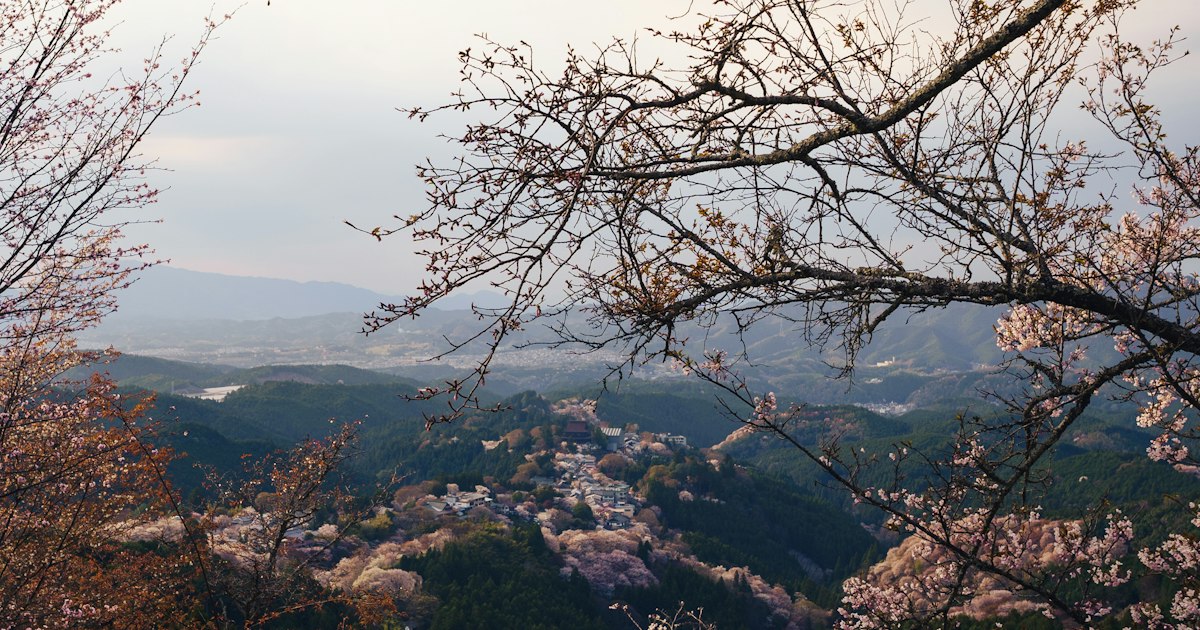
    Yoshino: Nara’s Mountain of 30,000 Cherry Trees and How to Visit Japan’s Most Famous Hanami Spot

    Photo by Red Shuheart on Unsplash

    Mount Yoshino in Nara Prefecture is the spot that gave Japan its obsession with cherry blossoms in the first place. For over 1,300 years, people have climbed this single mountain to see roughly 30,000 cherry trees—mostly the pale pink Yamazakura (mountain cherry) variety—blooming in staggered waves from the base to the summit. No other hanami destination in Japan comes close in scale, history, or sheer visual drama. Here’s what you actually need to know to visit it well.

    Why Yoshino Is Different From Other Hanami Spots

    Most famous cherry blossom spots in Japan—Ueno Park, the Philosopher’s Path in Kyoto, Himeji Castle—are flat, contained, and bloom all at once over a few days. Yoshino is a mountain, divided into four zones at increasing elevation: Shimo Senbon (lower thousand), Naka Senbon (middle thousand), Kami Senbon (upper thousand), and Oku Senbon (inner thousand). Because each zone sits at a different altitude, they bloom in sequence rather than together, stretching the viewing season across roughly two to three weeks instead of a single weekend. Shimo Senbon typically opens first, Naka Senbon and Kami Senbon follow a few days to a week later, and Oku Senbon trails last. This staggered bloom is Yoshino’s single biggest practical advantage: you have more flexibility to time a visit than almost anywhere else in Japan.

    When to Go

    Peak bloom at Yoshino generally falls in the first two weeks of April, though this shifts year to year with spring temperatures—recent seasons have trended slightly earlier. Naka Senbon, the most photographed section with its famous view of the mountainside painted in pink from the Hanayagura observation deck, usually peaks in early-to-mid April. If you want the classic “mountain covered in cherry blossoms” postcard shot, this is the timing to aim for. Checking a current-year bloom forecast (search “Yoshino sakura bloom forecast” closer to your travel dates) is essential, since the window is narrow and the mountain’s scale makes a mistimed visit obvious—you’ll see mostly green leaves instead of pink flowers if you’re even a week off at a given elevation.

    Weekday visits are strongly preferable. On weekends during peak bloom, Yoshino can see well over 100,000 visitors in a single day, and the single main pedestrian street up the mountain becomes a slow shuffle rather than a walk.

    How to Get There

    Yoshino is accessible by train but requires a transfer, so budget a half-day each way if you’re coming from Osaka or Kyoto. The route is: take the Kintetsu Yoshino Line to Yoshino Station (the terminus). From Kyoto or Namba in Osaka, this usually means a limited express train to Yoshino, which takes about 1 hour 20 minutes to 1 hour 40 minutes depending on your starting point, with a one-way limited express fare typically around 1,000–1,500 JPY on top of the base fare. From Nara city, you’ll generally connect via Kashihara-jingu-mae Station.

    From Yoshino Station, most visitors ride the Yoshino Ropeway (a short cable car) up to Senbonguchi Station near the Shimo Senbon area for about 450 JPY one-way, then walk the rest of the mountain on foot. The ropeway has limited capacity and long queues during peak season—during the busiest weekends, waits of 30–60 minutes are common, and it’s entirely possible to walk the same route in about 20–30 minutes instead if you’d rather skip the line.

    Walking the Mountain: What to Expect

    The main route is a single paved pedestrian street (Yoshino’s “Nanamagari” and the path beyond it) lined with shops, food stalls, and ryokan, climbing gradually from Shimo Senbon through Naka Senbon toward Kami Senbon. This is not a wilderness hike in its lower sections—it’s closer to a steep village high street—but reaching Oku Senbon at the top does involve a longer, more rugged walk past Kinpusenji Temple and further up, and many day-trippers don’t make it that far. Realistically, seeing Shimo and Naka Senbon well takes 3–4 hours round trip at a relaxed pace with stops for photos and food; adding Kami Senbon pushes that closer to 5–6 hours.

    If you enjoy a mountain climb paired with a historic religious site, the pacing here will feel familiar if you’ve done Yamadera’s thousand-step climb in Yamagata—steady uphill walking rewarded by views and temple stops along the way, though Yoshino is far less strenuous and spreads the climb over a longer, gentler distance.

    Key Sights Along the Way

    • Hanayagura Observation Deck (Naka Senbon) — the single most photographed viewpoint on the mountain, looking back over a slope entirely covered in cherry trees. Free to visit, but crowded during peak bloom.
    • Kinpusenji Temple — a UNESCO World Heritage site and the spiritual heart of Yoshino, home to the Zao-do Hall, one of the largest wooden buildings in Japan. Entry to the main hall is around 1,000 JPY; the temple grounds themselves are generally open 8:30am–4:00pm.
    • Yoshimizu Shrine — a smaller, quieter shrine with one of the best framed views of the Naka Senbon slope, and historically tied to several famous figures in Japanese history.
    • Kami Senbon and Oku Senbon — far fewer visitors make it this far up, which means better odds of a quiet, uncrowded view if you’re willing to keep climbing.

    Budget, Mid-Range, and Splurge Options

    Budget travelers can see Yoshino as a day trip from Kyoto or Osaka for roughly 3,000–4,000 JPY round-trip in train and ropeway fares, grazing on street food (grilled mochi, kakinoha-zushi—persimmon-leaf wrapped sushi, a local specialty—usually 500–800 JPY per portion) along the main street instead of sitting down for a meal.

    Mid-range visitors should consider staying one night in a Yoshino ryokan, many of which cost around 15,000–25,000 JPY per person with dinner and breakfast included. Staying overnight means you can see the mountain lit up for yozakura (night cherry blossom illuminations, typically running until around 10pm during peak season) and get an early start the next morning before day-trip crowds arrive by midday.

    For a splurge, a handful of ryokan near Yoshimizu Shrine and Naka Senbon offer rooms with direct cherry blossom views from the window or private bath—worth booking many months ahead, as these sell out well before the season even starts.

    Common Mistakes to Avoid

    The biggest mistake is assuming the whole mountain blooms at once and planning a single-day visit around one date—check which zone is blooming before you commit, since Shimo Senbon fading doesn’t mean Kami Senbon isn’t just starting. The second is underestimating weekend crowding; if your schedule allows any flexibility, go on a weekday, ideally arriving before 9am. Third, many visitors skip lunch planning entirely—restaurants along the main street fill up fast at midday during peak bloom, so either eat early, eat late, or rely on street stalls. Finally, don’t assume you’ll get a same-day ropeway ride without a wait; if you’re short on time, just walk—it’s often faster.

    Combined with a stop at a nearby onsen like Yunomine Onsen in Wakayama or a day hike such as Mount Mitake near Tokyo on a different leg of your trip, Yoshino fits naturally into a broader itinerary built around Japan’s mountain villages and seasonal scenery—just build in enough buffer time, since this is one destination where the crowds and the bloom timing both genuinely dictate the pace of your day.

  • Yunomine Onsen: Wakayama’s UNESCO Hot Spring Where You Can Boil Eggs in the Street

    Yunomine Onsen: Wakayama’s UNESCO Hot Spring Where You Can Boil Eggs in the Street

    Photo by Sebastian on Unsplash

    Most hot spring towns in Japan ask you to admire the view. Yunomine Onsen asks you to cook breakfast in it. Tucked into a narrow valley on the Kumano Kodo pilgrimage route in Wakayama Prefecture, this tiny village has a bathhouse that is itself registered as UNESCO World Heritage — the only one in the world — and a public stream hot enough to hard-boil an egg in about fifteen minutes. It’s an easy add-on if you’re already walking the Kumano Kodo, and worth a dedicated detour even if you’re not.

    Why Yunomine Is Different From Every Other Onsen Town

    Yunomine Onsen is said to be one of Japan’s oldest hot springs, with a history stretching back some 1,800 years, and it sits inside the “Sacred Sites and Pilgrimage Routes in the Kii Mountain Range” UNESCO World Heritage listing — the same designation that covers the Kumano Kodo trails and Kumano Hongu Taisha. What makes it unusual is that the listing doesn’t just cover the surrounding shrines and forest paths; it includes Tsuboyu, a single wooden bathhouse standing directly over the spring. You can walk in and bathe in a UNESCO World Heritage Site. No other hot spring on earth can say that.

    The village itself is small — a cluster of ryokan, a few shops, and a stream running down the middle of the street, steaming visibly even in summer. It’s the kind of place where you spend an afternoon, not a week, but that afternoon is memorable.

    Tsuboyu: The Bath That’s Also a World Heritage Site

    Tsuboyu is a one-room wooden hut straddling the stream, with a small natural rock bath inside just big enough for one or two people. The water is drawn directly from the source and is said to change color up to seven times a day depending on mineral content and temperature — from clear to milky white to pale blue-green.

    To bathe, buy a ticket at the Yunomine Onsen Kyodo Kumiai office across the street (look for the building with the ticket counter near the stream); expect to pay around ¥800 for a 30-minute slot. Baths run roughly from 6:00am to 9:30pm, with sessions limited to 30 minutes since only one party can use it at a time — on busy weekends and holidays, there can be a short wait. Bring ¥1,000-¥2,000 in cash; this is a small village office, not a place that takes cards. The water runs hot, often above 40°C, so it’s not the spot for a long soak — treat it as a short, memorable dip rather than your main bath of the day.

    Yu-dame: Boiling Your Own Eggs in the Street

    The other reason people make the trip is Yu-dame, the public boiling area in the center of the village where a dedicated channel of spring water runs at a near-constant 90°C or so. Local shops sell raw eggs (around ¥100 each) and sometimes vegetables like potatoes or corn, along with a mesh bag to lower them into the water. Leave an egg in for about 13-15 minutes for a soft-set onsen tamago, or longer for a firmer yolk — there are no lifeguards or timers, so bring a phone or watch.

    A few practical notes: this water is genuinely scalding, not bath-temperature — don’t touch the stream directly, and keep an eye on kids. There’s also a free public footbath (ashiyu) near the main stream if you just want to dip your feet while your egg cooks, and several shops sell drip coffee or tea made with the local water, which has a faint mineral taste worth trying once.

    How to Get to Yunomine Onsen

    Yunomine Onsen sits deep in the mountains, so plan for a full travel day if you’re coming from Osaka or Tokyo. The most common route:

    • By train + bus: Take the JR Kisei Line to Kii-Tanabe Station (about 2.5-3 hours from Osaka’s Shin-Osaka or Tennoji by limited express), then transfer to a Ryujin Bus bound for Hongu or Shingu. The ride to the Yunomine Onsen bus stop takes around 85-90 minutes and costs roughly ¥2,500-¥2,800 one way. Buses run only a handful of times a day, so check the timetable before you go — missing the last one back is a real risk, not a theoretical one.
    • Via Kumano Hongu Taisha: If you’re visiting the grand shrine first, Yunomine is only about 3.5km away — roughly a 20-minute bus ride or a manageable walk/taxi if you’d rather not wait for the bus schedule.
    • From Shingu or Kii-Katsuura (Kii Peninsula coast side): Buses also connect from these stations, useful if you’re approaching from Ise or Nagoya rather than Osaka.

    Having a car makes this region far easier, but mountain roads are narrow and winding, and parking in the village itself is limited.

    Where to Stay: Budget to Splurge

    Most visitors treat Yunomine as a day stop between Kumano Hongu Taisha and the next leg of the Kumano Kodo, but staying overnight is worth considering since many ryokan have their own baths fed by the same spring.

    • Budget: Simple minshuku-style guesthouses from around ¥8,000-¥10,000 per person with breakfast, often family-run with just a handful of rooms.
    • Mid-range: Traditional ryokan with half-board (dinner and breakfast included) typically run ¥15,000-¥22,000 per person, usually featuring a kaiseki-style dinner with local Kumano river fish and mountain vegetables.
    • Splurge: A few higher-end ryokan offer private in-room baths drawing directly from the Yunomine source, from around ¥30,000+ per person. Rooms book out fast in autumn foliage season, so reserve well ahead — and if dinner reservations or cancellation policies feel confusing, the etiquette around no-show penalties covered in this guide to restaurant reservations in Japan applies just as much to ryokan dining plans.

    Best Time to Visit and Common Mistakes

    Yunomine works year-round. Autumn (mid-November) brings foliage along the valley walls; winter adds snow and a sharper contrast with the steaming stream, which is genuinely beautiful but means icy mountain roads — check conditions if driving. Summer is quieter but hot and humid in the valley; spring overlaps with Golden Week crowds on the Kumano Kodo, which also fills Yunomine’s limited lodging.

    Mistakes worth avoiding: assuming you can pay by card (bring cash for the bath ticket and egg shops); underestimating bus frequency and getting stranded; expecting the egg-boiling stream to be a bathing spot (it isn’t — it’s near-boiling); and skipping a ticket reservation at Tsuboyu on weekends, when wait times can stretch past an hour. If you’re combining this with serious hiking on the Nakahechi route, treat Yunomine as your reward stop rather than a quick photo op — the whole point is to slow down.

    Worth Pairing With a Wider UNESCO or Day-Trip Itinerary

    If Yunomine’s blend of pilgrimage history and hands-on tradition appeals to you, it’s worth comparing with Japan’s other UNESCO-linked day trips, like the Pure Land Buddhist temples at Hiraizumi in Iwate, or the cliffside climb at Yamadera in Yamagata. Travelers based near Tokyo who like the idea of a mountain village with a soak at the end of a trail might also enjoy the Mount Mitake hike and village day trip, which follows a similar rhythm of shrine, trail, and food at a much shorter distance from the capital.

  • Honma & Mizuno: Japan’s Prized Golf Clubs and Where Collectors Shop for Them

    Honma & Mizuno: Japan’s Prized Golf Clubs and Where Collectors Shop for Them

    Photo by Tsuyoshi Kozu on Unsplash

    Japan is one of the few places on earth where golf clubs are treated like fine watches — hand-assembled, numbered, and sold with the kind of ceremony usually reserved for jewelry. Honma and Mizuno are the two names that collectors and serious players chase, and both companies still build much of their equipment in Japanese factories rather than overseas. If you’re planning to buy a set while you’re here, whether as a splurge souvenir or a genuine upgrade to your bag, here’s where to go, what to expect to pay in yen, and the mistakes that trip up most overseas buyers.

    Honma: Hand-Assembled Luxury from Yamagata

    Honma Golf was founded in 1959 in Sakata, a small city on the Yamagata coast, and it still finishes its clubs there by hand. The company’s signature line, Beres, is instantly recognizable for gold- and platinum-accented heads and shafts wrapped in intricate patterns — the kind of clubs often bought as status gifts across Asia rather than purely for performance. Grades run from entry-level Beres (roughly ¥250,000–¥400,000 for a full iron set with matching driver and fairway woods) up to five-star and “Premium” grades that can exceed ¥1,000,000 for a complete set with top-tier shafts. Honma’s more playable, less bling-forward line, Tour World (TW), is aimed at better golfers and runs closer to ¥150,000–¥250,000 for a 6-7 iron set.

    The flagship store to visit is Honma Golf Ginza in central Tokyo, which stocks the full current lineup and offers in-store fitting with staff who can measure swing speed and recommend shaft weight and flex. Expect department-store hours, roughly 10:30am–7:30pm, closed on no fixed day but check ahead around New Year’s. If you’re collecting rather than playing, ask staff about display-only commemorative sets — Honma periodically releases limited editions tied to anniversaries, and these move the way rare coins or first-edition stamps do among serious collectors, similar in spirit to the hunt described in our guide to Japanese coin and stamp collecting.

    Mizuno: Forged Precision from Osaka and Hiroshima

    Mizuno has a very different pedigree. Founded in Osaka in 1906, it built its reputation on “Grain Flow Forged” irons — a forging process (done at Mizuno’s plant in Hiroshima Prefecture) that players and club-fitters consistently rate among the best feeling irons made anywhere. The MP series (now often labeled Mizuno Pro) targets low-handicap players who care about feedback and feel; the JPX series is more forgiving and game-improvement oriented. New MP-line iron sets (typically 5 through PW, so six irons) run approximately ¥140,000–¥200,000 depending on shaft choice, while JPX sets land closer to ¥120,000–¥160,000.

    Mizuno’s flagship showroom and fitting studio is in Osaka, near its historic headquarters, with a smaller presence in Tokyo-area pro shops and department stores like Isetan and Mitsukoshi. Unlike Honma’s showroom experience, which leans into luxury presentation, Mizuno’s fitting sessions are technical: expect launch monitors, swing analysis, and genuinely useful shaft recommendations rather than a sales pitch. If you’re an Osaka-based collector who also likes browsing specialist retail districts, the city’s electronics and hobby quarter is covered in our Den Den Town guide, worth combining with a Mizuno visit on the same day since both are reachable from central Osaka subway lines.

    Where to Buy New Clubs in Tokyo and Osaka

    For brand-new Honma and Mizuno sets, your three reliable options are: the brand flagship stores mentioned above, large sporting goods chains like Victoria Golf, Golf5, and Alpen, and the sports floors of major department stores. Chain sporting goods stores typically open around 10am and close by 8 or 9pm, and staff can usually build a club to custom length and lie angle on the spot if you’re not in a rush — this typically adds a few days, so it’s not a same-day option unless you buy off the rack.

    Hunting Secondhand and Vintage Sets

    This is where Japan gets genuinely interesting for collectors. Golf Partner is the country’s largest used-club chain, with several hundred stores nationwide, and it’s common to find well-kept Honma Beres sets and older Mizuno MP models at 40–60% off original retail. A used Beres iron set that sold new for ¥400,000 might turn up for ¥150,000–¥220,000 depending on condition and grip wear; used Mizuno MP sets from a few generations back often sell for ¥40,000–¥80,000. Golf Do and the sporting-goods sections of 2nd Street stores are worth a look too, though selection is less specialized.

    In Tokyo, the single best area to browse in person is the cluster of discount and secondhand golf shops near Suidobashi Station, a few minutes from Tokyo Dome — several competing stores sit within a short walk of each other, so you can comparison-shop the same model across two or three shops in an afternoon. It’s a low-key, no-frills shopping strip rather than a polished retail district, but that’s exactly why prices are sharp.

    Tax-Free Shopping, Specs, and Shipping Home

    Golf clubs qualify as general goods under Japan’s consumption tax exemption, so at any store displaying “Tax-Free,” purchases over ¥5,000 (pre-tax) are exempt from the 10% consumption tax for short-term visitors — bring your passport, and the exemption is applied at checkout rather than refunded later. Clubs don’t need to stay sealed the way some consumables do, but you are expected to take them out of Japan within 30 days.

    Two practical snags catch overseas buyers off guard. First, Japan-market club specs sometimes differ subtly from clubs sold under the same name in the US or Europe — shaft flex labeling in particular can run stiffer than the equivalent label abroad, so a Japan-spec “S” flex may play more like a “X” flex elsewhere. Ask staff to show you the actual shaft frequency or compare against a club you already own. Second, factor in getting the set home: most airlines charge a flat oversize/sports-equipment fee for golf bags (often ¥10,000–¥25,000 equivalent depending on carrier and route), and some stores can arrange international shipping directly, which is sometimes cheaper than checking a bag, especially if you’re already traveling with luggage via a station locker or forwarding service — a convenience similar to the parcel counters inside Tokyo’s underground station malls described in our ekinaka shopping guide.

    Best Timing and Common Mistakes

    Golf retail in Japan follows two seasonal rhythms worth planning around. New model releases and the best in-store demo stock typically land in spring (March–May), ahead of the domestic golf season. Clearance pricing on the previous year’s models is strongest in late February and March, tied to Japan’s fiscal year-end inventory turnover, and again briefly in winter (December–January) when foot traffic drops.

    The most common mistake is buying a flashy Honma Beres set purely as a trophy without checking whether it’s genuinely playable for your swing — resale value holds up far better on a set that was properly fit rather than bought off a display shelf. The second is assuming Honma or Mizuno’s Japan warranty transfers seamlessly abroad; ask explicitly before you buy if warranty service matters to you, since coverage and authorized repair centers can be domestic-only. And if you’re shopping secondhand specifically for a rare or discontinued Beres grade, buy only from an established chain like Golf Partner or a brand-authorized dealer — counterfeit “Honma” clubs circulate outside Japan, and a legitimate in-country purchase with a receipt is your best protection if you ever want to resell or appraise the set later.

  • Dagashi: Japan’s Retro Penny-Candy Shops and What’s Worth Buying

    Dagashi: Japan’s Retro Penny-Candy Shops and What’s Worth Buying

    Photo by Customerbox on Unsplash

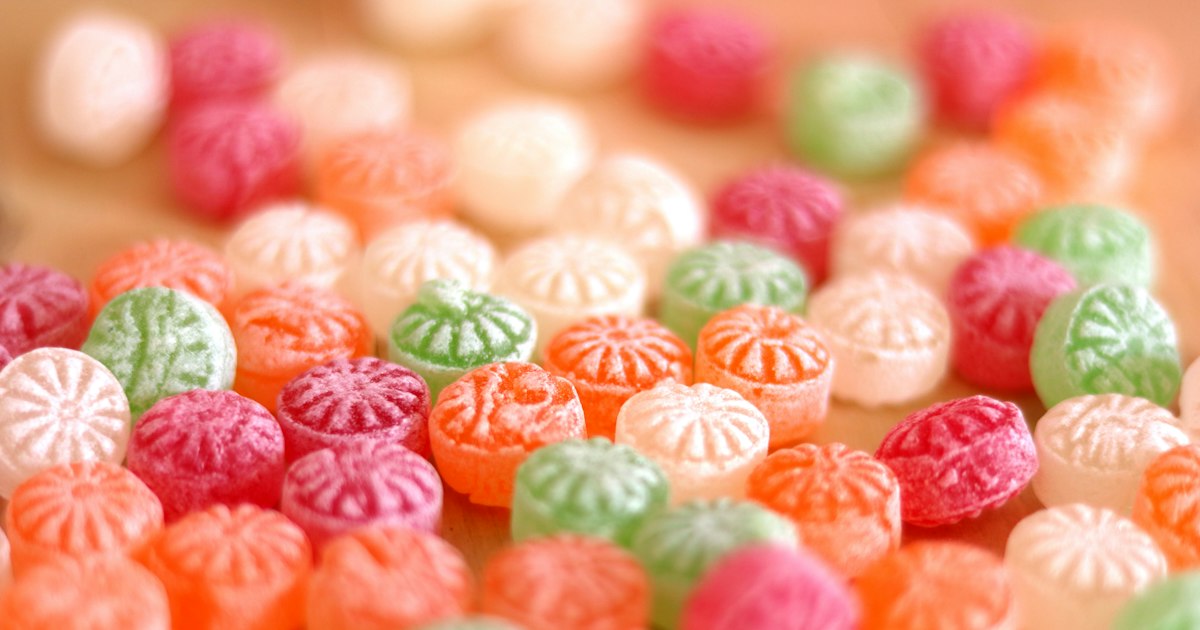
    Before konbini snack walls and department store food halls, there was the dagashi-ya — the tiny neighborhood shop where kids spent their allowance on candy that cost less than a coin. Dagashi (駄菓子) literally means “unrefined sweets,” and the category still exists today: cheap, nostalgic, often brightly packaged snacks that rarely cost more than ¥100 each. For visitors, a dagashi stop is one of the best-value, most photogenic food experiences in Japan — and the perfect low-stakes souvenir shopping, since a full bag of treats for the people back home rarely tops ¥1,500.

    What Exactly Is Dagashi?

    Dagashi emerged in the Edo and Meiji periods as an affordable alternative to refined, expensive wagashi sweets, and boomed in the postwar decades as the treat every Japanese kid bought with pocket money on the walk home from school. The category covers hard candy, dried squid snacks, fake “food” toys, chewy ramune-flavored gummies, and savory corn puffs — basically anything sold individually for small change. Many of the brands you’ll see were invented in the 1950s-70s and haven’t changed their packaging since, which is exactly the appeal: eating dagashi is as much about the retro design and the ritual of picking items out of open boxes as it is about the taste.

    Kawagoe’s Kashiya Yokocho: Japan’s Most Famous Candy Alley

    If you only visit one dagashi destination, make it Kashiya Yokocho (“Candy Alley”) in Kawagoe, Saitama — a short lane of roughly 20 shops that has been selling penny candy since the Meiji era. Kawagoe itself is a well-preserved Edo-era merchant town often called “Little Edo,” so you can easily combine the candy alley with a half-day of sightseeing around the old warehouse district and bell tower.

    • How to get there: From Ikebukuro Station, take the Tobu Tojo Line limited express to Kawagoe Station (about 30 minutes, roughly ¥500 one-way). From there it’s a 20-25 minute walk to Kashiya Yokocho, or a short bus/taxi ride if you’d rather save your legs for the old town.
    • Hours and timing: Most shops run roughly 10am-5pm, but each is independently owned and keeps its own schedule — some close on Mondays or Wednesdays. Go on a weekday afternoon if you want to avoid the worst crowds; weekends and Japanese school holidays get genuinely packed in the narrow lane.
    • What to try: The signature item is fuchi senbei — thick rice crackers hand-grilled over charcoal right in front of you, around ¥100-200 each. Shops also sell loose candy by weight, roasted sweet potato in autumn, and small toys.
    • Budget: ¥500-1,000 is enough for a satisfying grazing session; ¥2,000+ gets you a generous bag of souvenirs for multiple people.

    What’s Actually Worth Buying

    Dagashi shops stock hundreds of items, and it’s easy to overbuy junk you’ll never eat. Here’s what consistently delivers:

    • Budget (under ¥50 each): Umaibo — corn puff sticks in flavors like cheese, takoyaki, and mentaiko, Japan’s most iconic dagashi at around ¥12-15 each. Baby Star dry ramen snack. Ramune-flavored hard candy and the actual glass-marble Ramune soda if the shop sells drinks.
    • Mid-range (¥50-150): Big Katsu, a fried “pork cutlet” on a stick that’s actually soy-based and genuinely tasty. Fugashi, a crunchy fried wheat-gluten stick coated in brown sugar glaze. Konpeito, the tiny star-shaped sugar candies once given as gifts to shoguns. Nerunerunerune, a DIY mix-it-yourself powder candy that’s more of an activity than a snack — fun for kids or as a gift.
    • Splurge / collectible (¥200+): Vintage-style menko cards (thick illustrated cardboard discs used in a flicking game) and old-school gachapon capsule toys sold alongside the candy. These aren’t food, but they’re the most “take-home-able” part of the dagashi-shop experience and often feature artwork you won’t find anywhere else.

    If you collect small Japanese ephemera generally, old menko and bromide cards scratch a similar itch to the hobby covered in our guide to Japanese coin and stamp collecting — both reward patient browsing over one big purchase.

    Beyond Kawagoe: Where Else to Find Dagashi

    You don’t need a dedicated day trip to experience dagashi. Supermarkets and discount chains like Don Quijote stock most major brands (Umaibo, Baby Star, Big Katsu) for about the same price as the original shops, making them a reliable backup if you can’t make it to a dedicated dagashi-ya. Station kiosks and the underground mall shops covered in our guide to ekinaka shopping inside Japan’s station malls also carry a surprising amount of dagashi near the register, which is handy if you’re buying last-minute gifts before a shinkansen ride home. Old shopping streets (shotengai) in Tokyo neighborhoods like Yanaka also still have a working dagashi-ya or two tucked between other small shops, though they’re less tourist-oriented than Kawagoe and you’ll need to actively look for them.

    A handful of dagashi-themed bars and cafés have also popped up in Tokyo over the years, charging a seating fee for a time-limited all-you-can-eat spread of retro snacks paired with cheap drinks. These small, quirky venues open and close frequently, so search “dagashi bar” plus the neighborhood you’re in and check current hours before heading over.

    Best Season and Timing

    Dagashi shopping works any time of year since it’s almost entirely indoor, small-lane browsing. The one seasonal note: Kashiya Yokocho adds roasted sweet potato and seasonal snacks in autumn, and gets uncomfortably crowded during Golden Week (late April-early May) and summer school holidays. If you’re combining it with Kawagoe’s old-town sightseeing, spring and autumn weekday mornings give you the most pleasant walking weather and the thinnest crowds.

    Common Mistakes to Avoid

    • Bringing large bills. Many dagashi-ya are small family operations without card readers, and change for a ¥10,000 note for a ¥100 purchase is a genuine problem. Carry ¥1,000 notes and coins.
    • Assuming shops are open. Unlike convenience stores, dagashi-ya keep irregular, owner-set hours. Don’t plan Kashiya Yokocho as your only activity for the day in case a few shops are shuttered.
    • Overbuying candy that doesn’t travel. Anything with chocolate will melt in a hot bag; stick to hard candy, dried snacks, and sealed packets like Umaibo for souvenirs you’re carrying for more than a day.
    • Treating it as a meal. Dagashi is a snack stop, not lunch. Pair a Kawagoe visit with an actual meal in the old town, or save your appetite for a proper food stop elsewhere.

    For travelers building out a wider retro-Japan food itinerary, the nostalgic, hand-crafted feel of a dagashi-ya pairs naturally with other recreated-past attractions like the Shin-Yokohama Raumen Museum’s 1958 street set or the hands-on Cup Noodles Museum factory tour — all three scratch the same “Japan’s postwar food culture, but you get to touch it” itch, and Yokohama’s two museums can realistically be combined into one day if you’re already out that way.

  • Bunraku: Japan’s Traditional Puppet Theater and Where to See a Show

    Bunraku: Japan’s Traditional Puppet Theater and Where to See a Show

    Photo by Tsuyoshi Kozu on Unsplash

    Three black-robed puppeteers moving a single doll with such precision that it weeps, laughs, and draws a sword faster than you can blink — that’s Bunraku, and it’s one of the most underrated shows in Japan. Despite being designated an Intangible Cultural Heritage by UNESCO, most visitors never hear about it, let alone see one. If you want an evening of traditional theater that isn’t as expensive or hyped as Kabuki, this is it.

    What Bunraku Actually Is

    Bunraku (文楽) is Japanese puppet theater, dating back to the early 1600s in Osaka. Each puppet — typically about 1.2 to 1.5 meters tall — is operated by three puppeteers working in full view of the audience: a lead puppeteer controls the head and right arm, a second operates the left arm, and a third handles the legs. It takes years of apprenticeship just to earn the right to work the feet.

    The story is narrated by a single chanter (tayu) who voices every character, male and female, young and old, while a shamisen player provides the musical backbone. The combination of puppetry, narration, and shamisen is called ningyo joruri, and Bunraku is its most famous form. Classic plays include “Sonezaki Shinju” (The Love Suicides at Sonezaki) and historical epics drawn from samurai legend — themes of doomed love, loyalty, and revenge dominate the repertoire, much like Kabuki, which actually borrowed many Bunraku scripts.

    Where to See It: Osaka and Tokyo

    There are two main venues for regularly scheduled performances.

    National Bunraku Theater (Osaka) — this is Bunraku’s spiritual home, located in Nipponbashi, a short walk from Nihonbashi Station (Sakaisuji Line / Sennichimae Line) or Namba Station. Osaka is where the art form originated, and performances here feel like the “main stage.” The theater runs several multi-week programs a year, generally in January, April, June/July, August (a family-friendly summer program), and November. Programs typically run two or three different plays per sitting, split into a daytime and evening performance.

    National Theatre (Tokyo) — Tokyo’s National Theatre has historically hosted Bunraku touring programs as well, though it has been undergoing redevelopment, so performances have shifted to alternate venues in some years. Check the current schedule before planning around it, since Tokyo dates are less frequent than Osaka’s.

    If you’re already routing a trip through Osaka’s electronics and hobby district, the Bunraku theater is close enough to combine with an afternoon at Den Den Town, which sits in the same Nipponbashi neighborhood.

    Tickets and Prices

    Bunraku is noticeably cheaper than Kabuki or Takarazuka. At the National Bunraku Theater, full main-program tickets generally run about ¥6,300 for the best seats (S class) down to roughly ¥2,300–¥2,500 for third-class seats, with discounts for students. Single-act or “one-act” tickets, when offered, can cost as little as ¥1,500–¥2,000 — a good way to sample the art form without committing a whole evening.

    Tickets can be bought online through the Japan Arts Council ticket system, by phone, or at the theater box office. Popular dates (especially the summer family program and any run featuring a famous chanter) can sell out, so booking a week or two ahead is safer than walking up same-day. If you enjoyed researching ticket systems for other traditional theater, the booking logistics are similar in spirit to what’s described in our guide to Takarazuka Revue tickets — a different art form entirely, but a useful comparison if you’re deciding which traditional performance to prioritize on a tight schedule.

    English-Language Access: Don’t Skip the Earphone Guide

    This is the single most important practical tip: rent the English earphone guide (sometimes called the “earphone commentary” service) at the theater, usually for around ¥650. Bunraku dialogue is in archaic Japanese even native speakers find hard to follow in real time, so the guide narrates the plot, explains cultural context, and points out stagecraft details as the scene unfolds. Without it, you’ll admire the puppetry but miss the story. Some performances also offer printed English synopsis pamphlets for free or a small fee — ask at the ticket counter when you arrive, since supply is limited and distributed on a first-come basis.

    Timing, Duration, and Theater Etiquette

    Full programs run long — a single sitting can last 3 to 4 hours including intermission, often split across a “part one” and “part two” with a dinner break in between for full-day tickets. If that’s too much, buy a single-act ticket and watch just one scene; the theater sells these specifically for people who want a taste.

    Arrive 20–30 minutes early to collect your earphone guide and find your seat; latecomers may be held at the back until a scene break. Photography and video are not allowed during the performance. Unlike Kabuki, there’s no kabuki-style shouting of actors’ names from the audience — Bunraku crowds are quieter and more reverent, so keep conversation to intermission.

    Seasonally, there’s no “best” time to see Bunraku the way there is for cherry blossoms — the art form is performed indoors year-round. That said, the August program in Osaka is deliberately aimed at families and first-timers, with shorter, more accessible plays, making it a good entry point if you’re traveling with kids or are new to Japanese theater.

    Budget, Mid-Range, and Splurge Options

    • Budget (~¥1,500–2,500): A single-act ticket in third class at the National Bunraku Theater, plus the ¥650 earphone guide. Enough to understand the craft in under 90 minutes.
    • Mid-range (~¥4,000–6,300): A full-day S or A-class seat for the main program, giving you two or three plays and a much fuller sense of the repertoire.
    • Splurge: Combine a premium seat with a backstage or puppet-handling workshop, when offered — the theater periodically runs demonstration events where visitors can try moving a puppet’s head and arms under a puppeteer’s guidance. These aren’t always scheduled, so check the theater’s event calendar ahead of your trip.

    Common Mistakes to Avoid

    The biggest one is skipping the English earphone guide to save ¥650 — don’t; it’s the difference between watching an abstract spectacle and following an actual story. The second is assuming Bunraku runs daily like a commercial show: it doesn’t, it runs in scheduled blocks a few times a year, so check real dates before building an itinerary around it. Third, don’t buy only the evening half of a two-part day thinking you’ll catch the “highlights” — programs are usually sequential acts of the same play, not a greatest-hits reel, so arriving mid-story can be disorienting.

    Finally, plan your meal around the schedule rather than squeezing it in. Nipponbashi has plenty of casual dining nearby, but if you want a sit-down dinner before an evening performance, it’s worth locking in a table ahead of time — our guide to restaurant reservations in Japan covers how to book through Tabelog and the OMAKASE app without running into no-show penalties, which matters if your curtain time is fixed and you can’t linger over a long dinner.

  • Takarazuka Revue: Japan’s All-Female Musical Theater Troupe and How to Get Tickets

    Takarazuka Revue: Japan’s All-Female Musical Theater Troupe and How to Get Tickets

    Photo by ayumi kubo on Unsplash

    If you picture Japanese performing arts as Noh masks and slow, formal movement, Takarazuka Revue will throw you completely off balance. Think glittering rhinestone capes, a 20-foot feather headdress descending a staircase, and an entire cast of women playing both the dashing male leads and the women who swoon over them. It’s one of Japan’s most beloved — and least understood by visitors — theatrical institutions, with a century-long history and a fan culture as intense as anything in idol pop. Here’s what it actually is, where to see it, and how to get a ticket without accidentally breaking an unwritten rule.

    What Is the Takarazuka Revue?

    Founded in 1914 by railway magnate Ichizo Kobayashi as a way to draw passengers to the end of his new train line, the Takarazuka Revue is an all-female musical theater company based in Takarazuka, Hyogo Prefecture, just outside Osaka. Every performer, from the swaggering leading men to the comic relief, is a woman — a deliberate reversal of kabuki’s all-male tradition. Shows mix lavish original musicals (historical romance, sci-fi, adaptations of manga and Western novels) with a second-half revue of pure song-and-dance spectacle, usually capped by the famous “Grand Staircase” finale where the entire cast descends in sequined costumes to thunderous applause.

    The troupe trains its own performers from scratch at the attached Takarazuka Music School, a two-year program so competitive and disciplined it’s often compared to a convent crossed with a boot camp. Graduates are assigned for life to one of the company’s troupes and can never perform outside Takarazuka while under contract — part of why fans follow individual stars with such devotion.

    The Five Troupes and the “Otokoyaku” System

    The Revue is organized into five troupes — Flower (Hana), Moon (Tsuki), Snow (Yuki), Star (Hoshi), and Cosmos (Sora), plus a smaller specialty unit called Senka for veteran performers. Each troupe stages its own productions and has its own fan base, its own color, and its own “Top Star” — the lead otokoyaku (male-role specialist) who tops the billing until she retires, usually within a few years of reaching the position. The other half of every pairing is the musumeyaku, who specializes in female roles. Knowing a troupe’s current Top Star combo is the quickest way to figure out which show is generating buzz, since ticket demand swings heavily around star popularity and retirement announcements.

    Where to See a Show

    There are two home theaters, and productions rotate between them:

    • Takarazuka Grand Theater — in Takarazuka City, Hyogo. About 1,500-2,000 seats. Reached via the Hankyu Takarazuka Line from Osaka-Umeda Station (roughly 30 minutes) or the JR Takarazuka Line from Osaka Station. The theater is a short, well-signed walk from Takarazuka Station through a plaza lined with rose gardens and a statue of Osamu Tezuka, who grew up in the city (the Tezuka Osamu Manga Museum is right next door if you want to combine the trip).
    • Tokyo Takarazuka Theater — in Hibiya/Yurakucho, a few minutes’ walk from Yurakucho Station or Hibiya Station. This puts it close to Ginza, so it’s easy to pair a matinee with shopping or dinner — the underground mall at Tokyo Station’s Gransta or the Kitte building near Tokyo Station are both a short ride away if you want to browse before curtain; see our guide to ekinaka station-mall shopping for specifics.

    Both theaters sell programs, photo books, and character goods for the current production in their lobby shops — a genuine souvenir opportunity even if you don’t catch a performance, since the shops are sometimes open to non-ticket-holders on performance days.

    How to Get Tickets

    This is the part that trips up most foreign visitors. Takarazuka does not sell tickets the way a Broadway show does.

    • Lottery presale first. A few months before a run opens, the official site runs a members-only lottery (web member registration is free and open to overseas addresses). Winning the lottery is the most reliable way to get a seat for a popular run.
    • General on-sale. Remaining tickets go on general sale roughly one month before the run, through the official Takarazuka ticket site or the Pia/e+ ticketing platforms. These sell out fast for Top Star farewell performances.
    • Resale market (チケトレ / Ticket Trade). The company runs its own official resale platform so fans can pass on tickets they can’t use, at face value — use this rather than street scalpers, which are discouraged and risky.
    • Day-of rush seats. Both theaters occasionally release a small number of same-day standing or obstructed-view tickets at the box office, generally cheaper, but availability isn’t guaranteed and queues can start hours early.
    • Typical prices run roughly ¥3,500-4,000 for the cheapest C seats, ¥5,000-6,000 for B seats, ¥8,000-9,000 for A seats, and ¥12,000-13,000 for the best S seats — broadly in line with major Japanese theater pricing, though exact tiers shift by production.

    If you don’t read Japanese, the ticket site can be navigated with a browser translator, but seat maps and the lottery form are easiest with a local friend or your hotel concierge’s help the first time.

    Best Time to Visit and What to Expect

    Productions typically run for several weeks at each theater before moving to the other city, so check the current run’s dates before building a trip around it — there’s no year-round repertory the way Broadway works. Weekday matinees are generally easier to get into than weekend shows or a Top Star’s final performances, which sell out within minutes of going on sale. Shows usually run about three hours including an intermission, with no photography or recording permitted during the performance. Dress is casual-smart; no one will turn you away in travel clothes, but fans do dress up, especially for farewell shows.

    Common Mistakes to Avoid

    • Assuming you can walk up and buy a good seat. Popular runs, especially a Top Star’s debut or retirement show, can sell out the day tickets go live.
    • Skipping the lottery registration. It’s free and your best shot at prime seats — don’t wait for general sale only.
    • Confusing the two theaters. Double-check whether your dates fall during the Takarazuka (Hyogo) or Tokyo run before booking trains or hotels.
    • Buying from unofficial resellers. Stick to the official Ticket Trade resale system; scalped tickets can be refused entry.
    • Not budgeting travel time from Osaka. The Grand Theater is a worthwhile day trip from Osaka or Kyoto, but factor in the 30-45 minute train ride each way plus time to explore Takarazuka’s small but charming theater district.

    Budget, Mid-Range, and Splurge Options

    On a tight budget, aim for C or B seats (¥3,500-6,000) and try for a weekday matinee, where rush tickets are more likely. Mid-range visitors should budget for A seats (¥8,000-9,000) through general on-sale, which still give a clear view of the stage. For a splurge, S seats near the front (¥12,000-13,000+) during a Top Star’s signature run are the way to experience the full spectacle — including the finale parade — up close, and make a memorable souvenir program purchase worth the trip on its own.

  • Real Wasabi Farms in Shizuoka and Izu: Touring the Fields and Tasting It Fresh-Grated

    Most “wasabi” served outside Japan is dyed horseradish paste. The real thing — a knobby green rhizome grown in cold, constantly flowing spring water — is grated fresh at the table and tastes grassier, sweeter, and far less nose-burning than the tube version. Shizuoka Prefecture and the Izu Peninsula are where this plant was first cultivated roughly four centuries ago, and they remain Japan’s two biggest producing regions. A day trip into these valleys lets you see the terraced wasabi beds (called sawa), buy rhizomes direct from the farmers, and eat it shaved onto soba, tofu, or even ice cream within minutes of harvest.

    Why Shizuoka and Izu Are Wasabi Country

    Wasabi needs something most farmland can’t offer: a year-round supply of clean, mineral-rich water sitting at roughly 10–15°C, running shallow over gravel beds. The forested valleys feeding Shizuoka’s Abe River and the streams draining Mt. Amagi on the Izu Peninsula happen to fit that description almost perfectly, which is why both regions have grown it commercially since the Edo period. The small mountain hamlet of Utogi, in the hills above Shizuoka City, is widely credited as the birthplace of cultivated wasabi — local lore says farmers here first domesticated the wild plant in the early 1600s and later presented it to the Tokugawa shogunate, which is part of why wasabi became a prized, tightly controlled crop. Izu’s Amagi area developed its own large-scale terraced fields later and today supplies a large share of Japan’s premium wasabi.

    Utogi vs. Amagi: Picking Your Valley

    Utogi (有東木) sits about an hour’s drive up Route 29 from Shizuoka Station, following the Abe River toward Umegashima Onsen. It’s a working farming village rather than a tourist facility — there’s a small wasabi shrine and roadside terraces you can view respectfully from the path, plus a few farmhouses that sell rhizomes directly if you ask, but no large visitor center. Go here if you want the “birthplace” story and quieter scenery, and don’t mind that amenities are minimal.

    Amagi, on the Izu Peninsula, is the easier and more visitor-friendly option. The classic stop is Jōren Falls (浄蓮の滝) on Route 414 between Shuzenji and Kawazu, where a cluster of shops sits right beside genuine wasabi terraces fed by the waterfall’s stream — you can see the beds from the path down to the falls. A few minutes’ drive away, Amagi Wasabi no Sato (天城わさびの里) is a roadside market/rest stop built specifically around the local wasabi industry, selling fresh rhizomes, leaves, and processed goods, with fields visible nearby. This is the better choice if you want food, shopping, and scenery in one stop without needing specialist knowledge of back roads.

    Getting There

    For Amagi: take the Tokaido Shinkansen to Mishima (about 1 hour from Tokyo), transfer to the Izuhakone Railway Sunzu Line to Shuzenji (about 35 minutes), then a Tokai Bus bound for Kawazu or Shimoda along Route 414 (roughly 40–50 minutes to the Jōren Falls stop). Buses run every 30–60 minutes depending on the season, so a return-trip schedule is worth checking before you set off. A rental car from Mishima or Shuzenji is genuinely the easier option in Izu — the peninsula’s train coverage is thin and a car lets you combine the falls, the wasabi market, and an onsen stop in one loop. For Utogi, public transport is sparse (an infrequent community bus from Shizuoka Station), so driving is close to essential; the mountain road narrows considerably near the village, so go slowly.

    Best Season and Timing

    Because wasabi grows in temperature-stable spring water, it doesn’t have a dramatic harvest season the way rice or fruit do — rhizomes are dug and sold throughout the year. That said, late February through March is when the plant flowers, and the small white blossoms (wasabi no hana) are themselves sold briefly as a seasonal delicacy, lightly pickled or blanched, in local shops. Spring through early summer (April–June) gives the lushest green terraces and the most comfortable hiking weather around Jōren Falls. Midsummer is viable but humid; winter fields still function (the water never freezes) but mountain roads can be cold and shop hours shorten. Aim for a late-morning arrival — most farm shops and the falls-side stalls open around 9:00 and start closing by 17:00, with some shops shutting earlier on quiet weekdays in winter.

    What to Taste

    At Amagi Wasabi no Sato and the Jōren Falls shops, you can usually buy a whole fresh rhizome to grate at home, typically priced by weight at somewhere around ¥150–250 per 10g for top-grade stems (so a usable 80–100g piece often lands in the ¥1,500–2,500 range). More practically for a day trip, order it prepared on the spot:

    • Wasabi soba or udon — noodles served with a mound of fresh-grated wasabi instead of the usual paste, around ¥900–1,300.
    • Wasabi-zuke or wasabi tofu — local tofu or pickles flavored with the stems and leaves, a few hundred yen as a side.
    • Wasabi soft-serve ice cream — the area’s signature novelty, sweet with a surprising cool bite at the end, roughly ¥400–500.
    • Rice with fresh-grated wasabi and soy sauce — the simplest way to taste the difference from tube paste, often offered as a small sample plate.

    If you plan to eat somewhere more formal in the area afterward — a kaiseki restaurant in Shuzenji Onsen, for instance — popular spots fill up on weekends, so it’s worth booking ahead; see our guide to restaurant reservations in Japan for how Tabelog and the OMAKASE app work for non-Japanese speakers.

    Common Mistakes

    The biggest one is grating technique: real wasabi should be grated in small, slow circles on a fine surface (ideally a sharkskin grater, samezawa oroshi) to break the cells without crushing them into mush — pressing hard with a standard metal grater makes it harsher and loses the sweetness. Use it within 10–15 minutes of grating, since the flavor fades fast; this is exactly why eating it at the farm beats buying a sealed tube at a souvenir shop. Also budget more driving time than you’d expect — Izu’s coastal and mountain roads are winding, and the distance from Shuzenji to Jōren Falls looks shorter on a map than it drives. Finally, don’t skip checking bus return times if you’re relying on the Tokai Bus; services thin out in the evening and stranding yourself on Route 414 after dark is a real possibility.

    Budget, Mid-Range, and Splurge

    On a budget, a bus day trip from Mishima with a bowl of wasabi soba (~¥1,000) and ice cream (~¥450) costs well under ¥5,000 round-trip including transport. A mid-range day adds a rental car (from roughly ¥6,000–8,000 for a compact, plus fuel) so you can hit both Jōren Falls and Amagi Wasabi no Sato, plus a sit-down lunch and a rhizome to take home (~¥2,000). For a splurge, pair the farm visit with an overnight at a Shuzenji or Izu Nagaoka onsen ryokan serving kaiseki courses built around local wasabi and seafood — these routinely run ¥20,000–40,000+ per person with dinner and breakfast included, and are worth booking well in advance during peak seasons.

    If you have extra days on the Izu side of the trip, the peninsula’s outlying islands make a scenic add-on — see our guides to Izu Oshima’s camellia fields and volcano hike or the more remote subtropical getaway of Hachijojima for a longer regional itinerary.

  • Shin-Yokohama Raumen Museum: A Food Theme Park Recreating 1958 Tokyo’s Ramen Street

    Shin-Yokohama Raumen Museum: A Food Theme Park Recreating 1958 Tokyo’s Ramen Street

    Photo by Pema G. Lama on Unsplash

    Most food museums in Japan let you watch a factory line or build a souvenir. The Shin-Yokohama Raumen Museum does something stranger and more fun: it recreates an entire back-alley Tokyo street from the year instant ramen was invented, then fills that street with nine real ramen shops flown in from different regions of Japan. You eat your way across the country without leaving one basement floor. It’s an easy half-day add-on if you’re already routing through Yokohama, and a genuinely good lunch stop even if you weren’t planning to come here for “a museum.”

    What the museum actually is

    The building itself is unremarkable from street level — a modern office-block exterior near Shin-Yokohama Station. The surprise is downstairs. Two basement floors are built as a full-scale, deliberately shabby reproduction of a Tokyo shitamachi (old downtown) street in 1958, the year Nissin released the first instant ramen. Think low wooden eaves, hand-painted signboards, a fake dusk sky, a scrap-paper movie poster, and a tiny convenience store selling retro candy. It’s a stage set, not a glass-case exhibit, and that’s the point — you’re meant to walk through it and sit down to eat in it.

    Around that street are nine small ramen shops, each a satellite outpost of a famous, independently chosen shop from somewhere else in Japan — Kyushu tonkotsu, Hokkaido miso, Kitakata shoyu, Wakayama-style, and so on. The lineup rotates every few years, so a shop you remember from a past trip may have been swapped out; check the museum’s own site for the current roster before you go if you have a specific regional style in mind.

    The mini-ramen system: how to eat at more than one shop

    The clever part is portion size. Instead of one full bowl per shop (which would fill you up after one stop), each stall sells a “mini ramen” — roughly half a regular bowl — specifically so you can try two or even three different shops in one visit without rolling out the door. Mini bowls generally run about ¥500–¥700, while a few shops also offer full-size bowls around ¥900–¥1,100 if you’d rather commit to just one. Expect to spend ¥1,200–¥2,000 total if you do two mini bowls plus a drink or side.

    There’s almost always a line at the most popular one or two stalls, especially around noon, so a practical strategy is to do a lap of the whole basement street first, read the posted menus and photos, then double back to whichever two shops actually appealed to you rather than queueing for the first one you see. If you’ve used Ichiran’s solo booths on this trip, this is the opposite experience — communal benches, open stalls, and a street you’re meant to linger in, not a private customization booth. (If you haven’t tried Ichiran yet, here’s how that ordering system works — though the correct link is below.)

    Beyond the eating: the exhibit floors

    Above the recreated street, the museum has more conventional exhibit space covering the history and spread of ramen in Japan — regional style maps, the instant noodle story, and rotating displays. It’s worth the 15–20 minutes it takes to walk through, especially if you’re curious how tonkotsu, shoyu, miso, and shio styles diverged regionally, but it’s secondary to the street-and-food floor, which is where most visitors spend their time. There’s also a small shop selling instant noodle souvenirs and regional ramen kits to take home — useful if you want to recreate a bowl later rather than just buy a snack at a convenience store on the way out.

    Note that this is a different attraction from the Cup Noodles Museum in Yokohama’s Minato Mirai area, which is about instant noodles specifically and includes a factory-tour-style make-your-own-cup activity. The two are often confused because they’re both in Yokohama and both ramen-themed. If you want the hands-on instant-noodle-making experience, that’s covered in our Cup Noodles Museum guide — they pair well as a single ramen-themed day if you have the appetite and the time, since they’re roughly 15–20 minutes apart by train.

    Opening hours and admission

    The museum is typically open 11:00–21:00 (last food orders around 20:30), and closed one Thursday per month on a rotating schedule — always confirm the current closed-day calendar on the official site before visiting, since it isn’t a fixed weekday every month. Adult admission is in the ¥400–¥500 range, with discounted tickets for children, and food at the ramen stalls is paid separately, shop by shop, rather than through the museum entrance fee. Credit cards are accepted at the entrance; individual ramen stalls may be cash-preferred, so carry some yen just in case.

    How to get there

    The museum is a short walk (roughly 5 minutes) from Shin-Yokohama Station, which is on the JR Tokaido Shinkansen line as well as local JR and subway lines. From Tokyo Station, it’s about 20 minutes by Shinkansen or 30–40 minutes by regular JR trains. From central Yokohama Station, it’s about 10–15 minutes on local trains. Because Shin-Yokohama is a Shinkansen stop, this museum works well as a lunch break if you’re already transiting through on a bullet train journey — you can detour out, eat, and get back on the rails without losing most of a day.

    Best timing and common mistakes

    Go on the early side of lunch (11:00–11:30) or mid-afternoon (14:30–16:00) to avoid the worst of the queue at the two or three most talked-about stalls. Weekday visits are noticeably calmer than weekends, and Japanese school holiday periods bring more families. A few mistakes worth avoiding:

    • Arriving hungry and ordering a full-size bowl at the first shop you see. You’ll fill up before reaching the stalls you actually wanted to try — stick to mini bowls and plan your stops.
    • Treating it as a quick photo stop. The street set is genuinely fun to photograph, but the museum is built around sitting down and eating; budget at least 90 minutes to make it worthwhile.
    • Confusing it with the Cup Noodles Museum when booking a day plan — they’re different attractions with different focuses, as noted above.
    • Not checking the monthly closed day before making this the centerpiece of a tightly scheduled day trip.

    Budget travelers can do a single mini bowl and the exhibit floors for under ¥1,000 total including admission. Mid-range visitors trying two or three stalls will land around ¥2,000–¥2,500 per person. There’s no real “splurge” tier here — portion sizes are intentionally capped — but ordering full-size bowls at two different shops back to back is the closest equivalent, and will run closer to ¥2,500–�030,000 for a hearty afternoon of comparison-tasting. If you’re also building out a broader Yokohama or Tokyo-area itinerary with other regional food and day-trip ideas, it’s worth comparing against other noodle dishes worth seeking out, like curry udon or Nagoya’s Taiwan mazesoba, neither of which you’ll find inside this particular museum but both worth hunting down elsewhere on a longer trip.

  • Hiraizumi: Iwate’s UNESCO Pure Land Buddhist Temples and Gold-Leaf Hall

    Hiraizumi: Iwate’s UNESCO Pure Land Buddhist Temples and Gold-Leaf Hall

    Photo by Jean Vella on Unsplash

    Most first-time visitors to Japan never make it north of Sendai, which is exactly why Hiraizumi feels like a discovery rather than a stop on a checklist. This small town in Iwate Prefecture was, for about a century in the late Heian period, a northern capital rivaling Kyoto in ambition — and it left behind a cluster of Buddhist temples and gardens so well preserved that UNESCO inscribed them in 2011 as “Hiraizumi – Temples, Gardens and Archaeological Sites Representing the Buddhist Pure Land.” The headline attraction is a small hall covered entirely in gold leaf, but the real reason to come is quieter: walking through forest paths and pond gardens built 900 years ago to represent Buddhist paradise on earth.

    Chuson-ji and the Konjikido Golden Hall

    Chuson-ji is the main event. Founded in 850 and expanded dramatically by the Fujiwara clan starting in the early 1100s, the temple complex climbs a forested hillside called Tsukimizaka via a stone-paved slope lined with towering cedars — budget 20-30 minutes to walk up at an easy pace, and wear shoes with grip since the stones get slick after rain.

    At the top sits the Konjikido (Golden Hall), completed in 1124. It’s small — about 3 meters square — but every visible surface is covered in gold leaf, lacquer, and mother-of-pearl inlay, and it serves as the mausoleum for three generations of Fujiwara lords, whose remains are still interred inside. To protect it from the elements, the hall has been enclosed in a concrete cover building since 1965, so you view it through glass rather than standing in open air next to it; some visitors expecting an outdoor gold pavilion are initially surprised by this, but it’s the reason the hall has survived 900 years at all.

    Admission to the Chuson-ji grounds, which includes the Konjikido and the Sankozo treasure hall museum, runs around ¥800 for adults, ¥300 for high school students, and less for younger children. The main grounds are open 8:30 AM–5:00 PM from March through early November, and 8:30 AM–4:30 PM in winter. Plan for 60-90 minutes to see the full site properly.

    Motsu-ji and Its Pure Land Garden

    A 15-minute walk (or one bus stop) from Chuson-ji, Motsu-ji is the site many visitors end up preferring. Its main buildings burned down centuries ago, but the Heian-period garden around Oizumi-ga-ike pond survives almost exactly as designed, making it one of the best-preserved Jodo (Pure Land) gardens in Japan. The layout — pond, islands, carefully placed rocks — was meant to recreate Buddhist paradise visually, and walking the perimeter path gives you that intended effect without needing any background in Buddhist cosmology.

    Admission is roughly ¥500 for adults, with the same hours as Chuson-ji (8:30 AM–5:00 PM in the warmer months, 8:30 AM–4:30 PM from November through March). If your trip lines up with late May, look into the Gokusui-no-En poetry garden party, a recreated Heian-era event where participants compose poems before a cup floats past on a winding stream — it’s a rare chance to see the garden used the way it was designed for.

    Getting to Hiraizumi

    From Tokyo, take the Tohoku Shinkansen to Ichinoseki Station (around 2.5 hours). From there, transfer to a local JR Tohoku Main Line train to Hiraizumi Station — it’s only one stop, about 8 minutes, but these local trains run just once or twice an hour, so check the timetable before you plan your Chuson-ji/Motsu-ji visit around it. These short rural legs are sometimes one-car, driver-only trains without staffed gates; if you haven’t dealt with that fare setup before, our guide to one-man trains in rural Japan covers exactly how to board and pay correctly.

    From Hiraizumi Station, Chuson-ji is about a 20-minute walk uphill, and Motsu-ji is closer, about 7 minutes on foot. The easiest option for most visitors is the “Runrun” loop bus, which circles between the station, Chuson-ji, Motsu-ji, and other sites for around ¥400 per ride or ¥800 for a one-day pass. Rental bicycles are also available right at the station for roughly ¥500-1,000 for a half day, and Hiraizumi is flat enough near the station that cycling between Motsu-ji and the Chuson-ji base is easy — the only climbing is the slope up to the Golden Hall itself, which you’ll do on foot regardless.

    Best Time to Visit

    Hiraizumi works well in most seasons, but a few windows stand out. Mid-to-late October through early November brings strong autumn foliage along the Chuson-ji approach and around Motsu-ji’s pond — this is the most popular time to visit and also when the Fujiwara Festival (autumn edition, typically early November) runs historical parades. Early May brings a second Fujiwara Festival with a Yoshitsune-themed procession, plus mild weather and cherry blossoms lingering later than in Tokyo. Winter is quiet and atmospheric if the Golden Hall grounds get a dusting of snow, but some peripheral sites reduce hours, and the Ichinoseki-Hiraizumi train connection can be affected by heavy snow delays, so build in buffer time. Summer is humid but uncrowded — a reasonable trade-off if you’re routing through Tohoku and don’t have flexibility on dates.

    Budget, Mid-Range, and Splurge Options

    On a tight budget, you can see both main temples for under ¥1,500 in admission, walk or cycle between them, and eat at a casual soba or wappa-meshi (rice steamed in a cedar box, a Hiraizumi specialty) counter near the station for ¥900-1,500. Mid-range travelers can add a taxi between sites (roughly ¥1,000-1,500 per short hop) and a sit-down lunch featuring local Iwate ingredients for ¥2,000-3,000. For a splurge, skip the day-trip approach entirely and stay overnight at a ryokan in nearby Naruko Onsen (about 45 minutes away in neighboring Miyagi) or one of Hiraizumi’s own small inns, pairing the temples with an onsen soak — a far more memorable combination than rushing back to Ichinoseki for the last convenient shinkansen.

    Common Mistakes to Avoid

    The biggest mistake is treating Hiraizumi as a quick 2-hour stop between shinkansen connections. Between the walk up to Chuson-ji, the Sankozo museum, and Motsu-ji’s garden loop, a proper visit takes a half day minimum — rushing it means missing the garden entirely, which is arguably the better experience of the two. Second, don’t assume credit cards work everywhere; small ticket counters and food stalls near the temples are often cash-only, so carry yen. Third, check the return train timetable before you start walking, since missing the one-per-hour local train back to Ichinoseki can mean a long wait with little to do nearby. Finally, if you’re combining this with other Tohoku temple stops — Yamagata’s Yamadera cliffside temple is a similarly rewarding day trip and pairs well on a Tohoku rail loop — don’t schedule both on the same day; each deserves unhurried time, and the trains between them aren’t fast enough to make it comfortable. If you’re the type who collects temple and shrine day trips across Japan, it’s worth comparing notes with closer-to-Tokyo options like Mount Mitake when building out a longer itinerary.