Japan Trove

Category: Uncategorized

  • Ema: Japan’s Wooden Wish Plaques and How to Write One at a Shrine

    Ema: Japan’s Wooden Wish Plaques and How to Write One at a Shrine

    Photo by Leon Gao on Unsplash

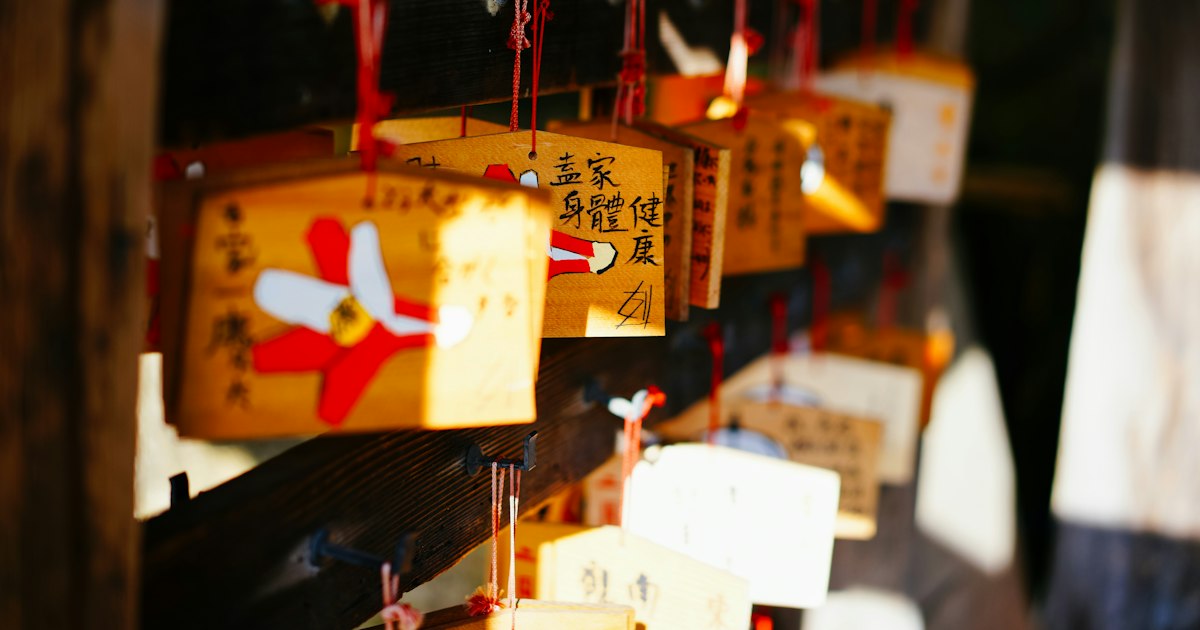
    At almost every Shinto shrine in Japan, you’ll spot small wooden plaques hanging in rows near a rack, covered in handwriting — some in Japanese, increasingly more in English, Korean, and Chinese. These are ema, and writing one is one of the few shrine traditions that visitors are actively encouraged to take part in, not just watch from a distance. Unlike omamori (amulets) or goshuin (shrine stamps), which you simply buy, an ema asks you to sit down, think about what you actually want, and put it in writing. Here’s how to do it properly.

    What Is an Ema, and Where Does It Come From?

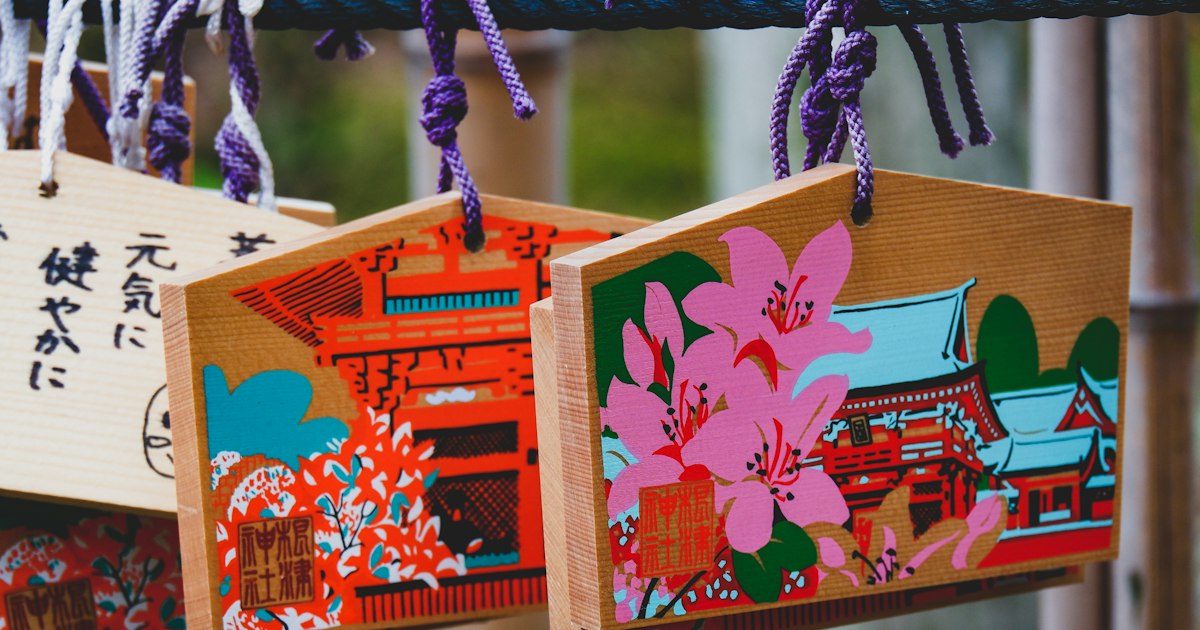
    Ema (絵馬) literally means “picture horse.” Centuries ago, worshippers donated real horses to shrines as offerings to the kami (deities), since horses were believed to be how gods traveled. Over time, live horses were replaced by wooden plaques painted with a horse’s image, and eventually the horse motif gave way to whatever image suited the shrine — a fox at an Inari shrine, a plum blossom at a scholarship shrine, a zodiac animal for the current year, or a shrine’s own mascot character.

    The front of the plaque carries the printed or painted image; the back is left blank for you to write your wish. Once written, the ema is hung on a wooden rack called an ema-kake, left there for the kami to read, and eventually ritually burned by the shrine in a purification ceremony (usually at year-end or during a seasonal festival) rather than thrown out as trash.

    Where to Buy One and What It Costs

    Ema are sold at the shrine’s shamusho (office) or at a small stall near the main hall, usually alongside omamori and omikuji (fortune slips). Expect to pay 500–1,000 yen for a standard ema; larger or more elaborately painted ones, especially at famous shrines, can run 1,500–2,000 yen. Payment is almost always cash, and self-service honor boxes are common at smaller shrines with no attendant — it’s worth having coins and small bills on hand, since there’s rarely a card reader. If you’re stocking up on yen before a shrine-heavy day, 7-Bank ATMs at 7-Eleven are the easiest withdrawal option, and a no-fee card from this list of no-foreign-transaction-fee credit cards helps elsewhere on the trip.

    Shrine grounds themselves are typically open 24 hours, but the office or stall selling ema usually keeps hours of roughly 9:00 a.m. to 5:00 p.m., sometimes shorter in winter. If you arrive early morning or late evening, you may find the ema stand unattended — some shrines leave a self-service box with a price list, but many simply close up for the day.

    How to Write Your Wish, Step by Step

    • Use the pen provided. Shrines usually leave a felt-tip marker or brush pen tied to the writing table by a string. Black ink is standard; don’t use your own pen unless none is available.
    • Write on the blank back, not the painted front. This trips up almost every first-timer — the picture side is decorative, the wish goes on the reverse.
    • Keep it short. The writing space is small, roughly postcard-sized or smaller. One clear sentence is better than a paragraph. “May our baby be born healthy,” “Pass the entrance exam,” or “Good health for my family this year” are typical in form and length.
    • Add your name and sometimes your age or address. Traditionally, Japanese visitors write their name (or initials, if they prefer privacy) so the kami knows who is asking. You don’t have to include your full address — initials and a first name are fine for a visitor.
    • Write in your own language if that’s easier. Shrines that see a lot of international visitors, such as Tokyo’s Meiji Jingu, have entire racks filled with wishes in English and other languages. The sincerity matters more than the language.

    Hanging It and Basic Etiquette

    Once written, carry the ema to the ema-kake rack, usually located near the main worship hall, and hang it using the hole already drilled in the top. There’s no bowing ritual specific to ema, but it’s polite to follow general shrine manners: bow slightly before approaching, don’t photograph other people’s wishes close enough to read them, and keep your voice down near the worship hall. If you want to also pay respects at the main shrine, the standard sequence is a small coin offering, two bows, two claps, a silent wish, and one final bow — separate from the ema itself.

    A common question: can you take the ema home instead of hanging it? Some shrines allow this and sell ema specifically designed as souvenirs (often decorative, with a stand rather than a hanging hole). But a standard wish-ema is meant to stay at the shrine, so if you want one to keep, buy a second one explicitly marked as a souvenir or ask the shrine staff whether taking it is acceptable.

    Best Shrines and Timing for Ema

    A few shrines are particularly known for their ema traditions:

    • Dazaifu Tenmangu (near Fukuoka) — dedicated to Tenjin, the god of scholarship, its ema racks are packed with exam-success wishes, especially from January through March during Japan’s university entrance exam season. If you’re flying through Fukuoka Airport, it’s an easy half-day trip from downtown.
    • Kitano Tenmangu (Kyoto) — another Tenjin shrine, similarly popular with students before exams.
    • Fushimi Inari Taisha (Kyoto) — sells fox-faced ema where you draw the fox’s expression yourself before writing your wish, a fun variation for visitors.
    • Meiji Jingu (Tokyo) — its large ema displays near the main shrine show just how international the custom has become.
    • Kirishima Jingu (Kyushu) — set in the dramatic volcanic landscape covered in our guide to Kirishima’s shrine country, worth combining with an onsen stop.

    Any time of year works for writing an ema, but New Year (January 1–3) and exam season (January–February) are when racks fill up fastest and the atmosphere is liveliest — also when shrines are most crowded. If you want a quieter, more reflective experience, a weekday morning outside these peak windows is far easier. The New Year period pairs naturally with Japan’s other written-wish custom; if ema interest you, the nengajo New Year postcard tradition is a related custom worth reading about.

    Common Mistakes to Avoid

    • Writing on the picture side. Flip the plaque over before you start.
    • Treating it like a wishing well coin. Ema are meant to carry a specific, sincere wish — vague doodles or jokes are generally discouraged, especially at shrines where locals are writing genuine prayers nearby.
    • Forgetting cash. Card payment is rare at shrine shops; carry small bills and coins.
    • Assuming every shrine sells them. Smaller neighborhood shrines may not have ema at all, while major shrines and temples associated with specific wishes (exams, safe childbirth, business success) almost always do.
    • Taking someone else’s hung ema as a souvenir. It should go without saying, but the racks are not free samples — once hung, an ema belongs to the shrine until it’s ritually burned.

    Budget travelers can get the full experience for under 1,000 yen at almost any shrine; if you want something more elaborate as a keepsake, look for the larger, hand-painted ema sold at major shrines for 1,500–2,000 yen, often marked as display or souvenir versions you’re allowed to take home. Either way, it’s one of the cheapest, most personal souvenirs of a Japan trip — not an object you buy, but a wish you leave behind.
  • Baumkuchen in Japan: The German Ring Cake and Which Department Store Brands to Buy

    Baumkuchen in Japan: The German Ring Cake and Which Department Store Brands to Buy

    Photo by Aneta Voborilova on Unsplash

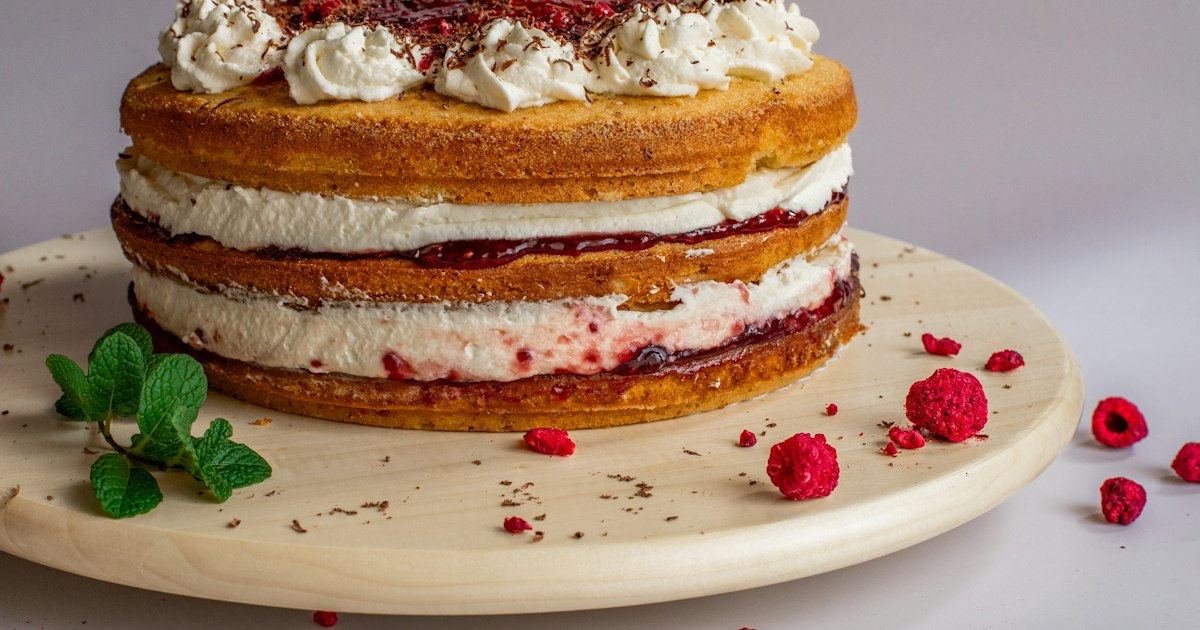
    Walk into the basement food hall of almost any major Japanese department store and you’ll find a glass case of golden, ridged rings stacked like tree trunks. That’s baumkuchen — literally “tree cake” in German — and it has become one of the most popular gift sweets in Japan, despite having no obvious connection to Japanese culinary tradition. The story of how a German cake ended up as a staple of Japanese gift-giving is worth knowing before you buy one, because it explains why there are “correct” brands to buy, why prices vary so much, and why the best ones sell out by early afternoon.

    How a German Cake Became a Japanese Department Store Staple

    Baumkuchen arrived in Japan by way of World War I. Karl Juchheim, a German pastry chef, was interned as a prisoner of war in Hiroshima and baked baumkuchen for a 1919 exhibition — widely cited as the cake’s first appearance in Japan. He later founded the confectionery brand that still bears his name, Juchheim, and the cake slowly became associated with celebration and formality rather than everyday snacking. That association stuck: in Japan today, baumkuchen is treated less like a casual dessert and more like a boxed gift, which is exactly why you’ll find it sold the same way high-end rice crackers or canned sweets are — in sealed, nicely printed boxes at department store food halls, not in open bakery cases. If you’re already building a gift list for a trip that spans Japan’s twice-yearly gift seasons, baumkuchen sits comfortably alongside the items covered in our guide to Oseibo and Ochugen gift-giving, since it’s a common choice for both.

    What Makes Japanese Baumkuchen Different

    German baumkuchen tends to be drier and more austere, meant to be sliced thin. Japanese versions, especially from the brands below, are deliberately moister and more buttery, closer to a dense pound cake, with a thin sugar glaze on the outside that cracks slightly when cut. The rings are baked by rotating a spit through layers of batter over an open flame, which is why cutting a slice reveals the tree-ring pattern the name refers to — and why good shops will have a video or live demonstration of the rotating spit near the register, which is genuinely worth stopping to watch even if you don’t buy anything.

    The Brands Worth Seeking Out

    • Juchheim (ユーハイム) — The original. Found in most major depachika (department store basements) including Daimaru, Takashimaya, and Isetan branches nationwide. A standard-size ring runs roughly ¥1,600–¥2,200. Their packaging leans classic and German-themed, which makes it an easy, recognizable gift for people back home who won’t know the backstory but will appreciate the presentation.
    • Club Harie (クラブハリエ) — Based in Omi-Hachiman, Shiga Prefecture, and arguably the most sought-after name in Japan right now. Their signature “Mimoza” baumkuchen (around ¥1,600 for a standard ring, up to ¥3,000+ for larger sizes) sells out at Tokyo and Osaka locations by early afternoon on weekends. If you want one, go when the food hall opens — most depachika open at 10:00, and Club Harie counters often have a line within the first hour.
    • Nenrinya (年輪家) — A Club Harie sister brand sold in individually wrapped single-serving pieces (around ¥280–¥380 each) rather than whole rings, making it the best option if you want to try baumkuchen without committing to a whole cake, or want a small, easy-to-pack gift. Their Tokyo Station counter inside the GranSta shopping area is convenient for travelers heading out of the city.

    Budget, Mid-Range, and Splurge Picks

    For a budget taste test, buy a single Nenrinya piece (under ¥400) rather than a whole ring — it’s the same recipe lineage as Club Harie at a fraction of the commitment. For mid-range gifting, a standard Juchheim or Club Harie ring (¥1,600–¥2,200) is the sweet spot most Japanese shoppers buy for a colleague or host gift. For a splurge, some department stores carry limited seasonal or large-format rings from Club Harie priced ¥3,000–¥5,000, often in gift boxes with additional decorative wrapping — these are the ones bought for more formal occasions like the Oseibo/Ochugen seasons mentioned above.

    Where and When to Buy

    Depachika food halls are your best bet: Isetan Shinjuku, Daimaru Tokyo (directly connected to Tokyo Station), Takashimaya Shinjuku, and Hankyu Umeda in Osaka all carry multiple baumkuchen brands under one roof, typically open 10:00–20:00 or 10:00–21:00 depending on the store and day. Airports are a reasonable backup if you’re buying as a last-minute gift — both Narita and Haneda have Juchheim or Club Harie counters in the departure areas, though selection is more limited than in the city. Avoid buying late in the day on weekends; popular brands like Club Harie commonly sell out of their best-selling sizes by mid-afternoon, and staff won’t always restock before closing.

    Common Mistakes to Avoid

    The biggest mistake is assuming baumkuchen keeps indefinitely — most fresh versions have a shelf life of just 1–2 weeks and are not vacuum-sealed, so they’re not ideal for a long flight home unless you check the box for a “long-life” individually wrapped line, which some brands offer specifically for travelers. Second, don’t assume every department store carries every brand; Club Harie’s Tokyo presence, for instance, is more limited than Juchheim’s, so if you have your heart set on a specific brand, it’s worth checking that store’s directory (often posted near the escalators) before you commit to a long line. Finally, resist the urge to buy baumkuchen as your only omiyage (souvenir gift) for a large group — because it’s sold whole rather than in multi-piece boxes the way rice crackers or small cookies are, it doesn’t split evenly, making it better suited as a single household’s gift than an office-wide one.

    Pairing It Like a Local

    In Japan, baumkuchen is most often eaten with coffee or green tea in the late afternoon rather than after a meal. If you want to try it the way regulars do, pick up a ring from a depachika and bring it to an old-school kissaten — the kind of coffeehouse covered in our guide to Komeda Coffee’s kissaten culture — many don’t mind guests bringing in a wrapped sweet to go with a drink order, especially outside peak hours. If you’re stocking up on other packaged sweets for gifts while you’re in the depachika anyway, it’s worth browsing the colorful candy boxes covered in our konpeito buying guide, since they’re often sold in the same food hall sections. And since a single splurge-size ring can run ¥3,000–¥5,000, it’s worth checking our rundown of no-foreign-transaction-fee credit cards before a big depachika shopping trip, since most counters accept cards but a few smaller regional brands are cash-only.

  • Shirako: Japan’s Creamy Fish Milt Delicacy and Where Adventurous Eaters Can Try It

    Shirako: Japan’s Creamy Fish Milt Delicacy and Where Adventurous Eaters Can Try It

    Photo by Jay on Unsplash

    Shirako looks like nothing else on a Japanese menu — pale, lobed, and faintly translucent, somewhere between a cloud and a brain. Order it without knowing what it is and you’ll be handed a dish of cod or anglerfish milt (the male reproductive gland, essentially fish “roe” in its unfertilized, sperm-producing form) that tastes nothing like its appearance suggests: rich, custardy, faintly sweet, and barely fishy at all. It’s one of the more polarizing items on Japan’s winter menu, and also one of the most rewarding for travelers willing to order past the sashimi platter.

    What Exactly Is Shirako?

    Shirako (白子, literally “white child”) is the milt sac of male fish, most commonly tarako cod (tara), monkfish/anglerfish (ankou), and occasionally pufferfish (fugu). Cod shirako is by far the most common and the easiest entry point — it’s mild, soft-textured, and widely available at izakaya across the country. Anglerfish shirako, associated with Ibaraki and Shimonoseki, is richer and often served as part of an ankou nabe hot pot course. Fugu shirako is the luxury version — it’s only legal to sell from fish processed by licensed fugu handlers, so it shows up almost exclusively at specialist fugu restaurants, typically in Shimonoseki or high-end Tokyo/Osaka counters, and commands a serious premium precisely because of that licensing requirement.

    Texture is the whole point. Properly prepared shirako should be creamy and slightly gelatinous on the outside with a soft, almost custard-like interior when lightly cooked — think of a savory, oceanic panna cotta. Overcooked shirako turns grainy and loses the quality people actually seek it out for, which is why where you order it matters as much as what you order.

    The Best Season to Eat It

    Shirako is strictly a cold-weather food. Cod milt season runs roughly from November through March, with peak quality in January and February when the fish are fully mature before spawning. Outside that window, menus either drop it entirely or serve a frozen version that’s noticeably inferior in texture. If shirako is a priority for your trip, build your visit around a winter itinerary — the same months that make onsen towns like Kirishima’s hot spring villages most appealing are exactly when shirako is at its best, since both follow Japan’s winter dining calendar of hot pots and warming dishes.

    How It’s Served

    There are four common preparations, and each suits a different kind of first-timer:

    • Shirako ponzu — lightly blanched, chilled, and served with grated daikon and ponzu citrus sauce. This is the gentlest introduction: the acidity cuts the richness and the cold temperature keeps the texture firm and clean. Order this first if you’re unsure.
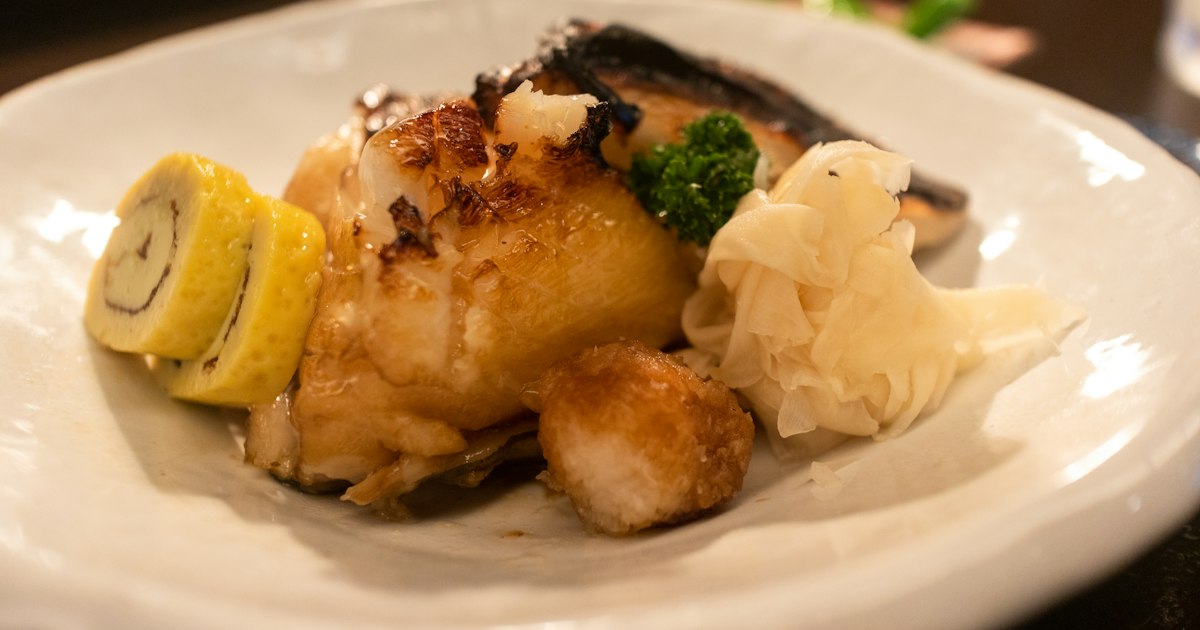
    • Yaki shirako (grilled) — brushed with salt or a light soy glaze and grilled until the outside crisps slightly while the inside stays molten. This is the most popular izakaya version.
    • Shirako tempura — battered and deep-fried, which disguises the texture almost entirely and is a good option for travelers dining with hesitant companions.
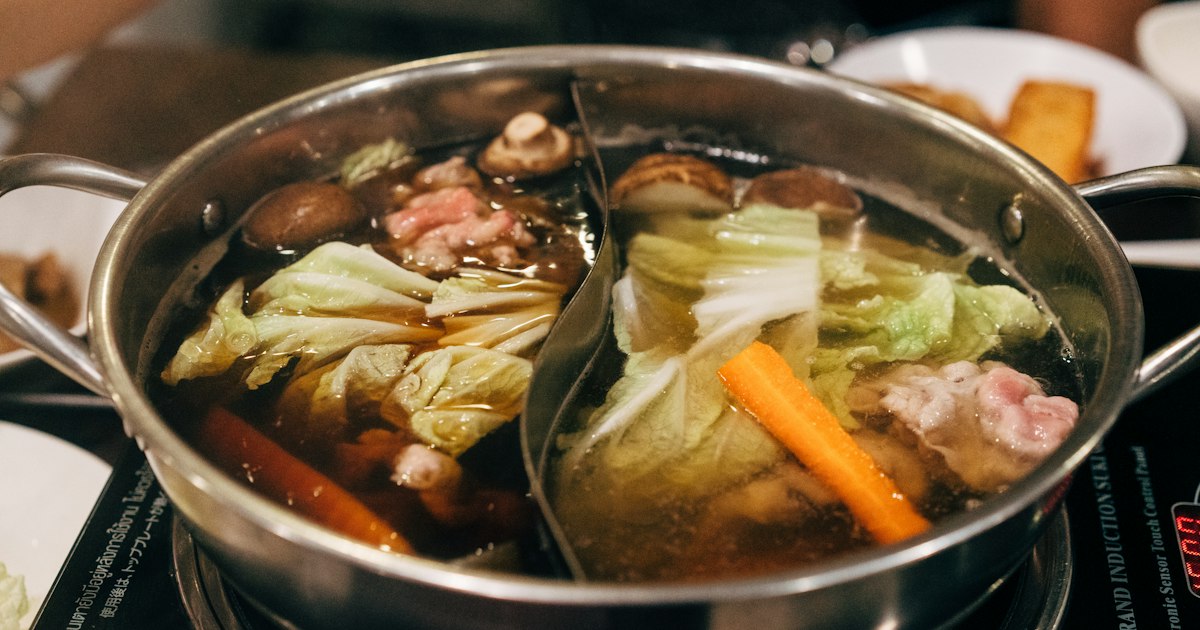
    • Shirako nabe — added raw to a simmering hot pot in the final minutes, where it gently poaches in the broth. If you order this, don’t skip the finishing rice porridge; shirako enriches the broth considerably, and finishing with zosui is the traditional way to use every bit of that flavor.

    Where to Try It: Budget, Mid-Range, and Splurge

    Budget (¥500–900 per small plate): Chain izakaya like Torikizoku-style pubs and regional izakaya groups often list yaki shirako or shirako ponzu as a seasonal small plate in winter. Tsukiji Outer Market in Tokyo (most stalls open roughly 5am–2pm, with many closed Wednesdays and Sundays — check individual shops, as hours vary stall by stall) has several standing-counter seafood grills where a skewer or small cup of grilled cod shirako runs ¥400–800, making it an easy, low-commitment way to try it between browsing stalls.

    Mid-range (¥1,500–4,000 per course item): Seafood-focused izakaya near fish markets — in Tokyo’s Toyosu and Tsukiji area, Hokkaido port towns, and Kanazawa’s Omicho Market — tend to serve the freshest cod shirako because it arrives with the day’s catch. Kanazawa in particular is known for high-quality Sea of Japan seafood in winter, and a shirako dish there is a natural pairing with the kind of multi-course seasonal menus described in our kaiseki ryori guide, since many kaiseki restaurants rotate shirako into a winter course as a seasonal nod.

    Splurge (¥6,000 and up): Dedicated ankou (anglerfish) restaurants in Ibaraki Prefecture or fugu specialists in Shimonoseki serve shirako as part of a full hot pot or kaiseki-style set, where the shirako itself might be a single component of a ¥10,000–20,000 multi-course meal built around that one fish. This is the version to seek out if you want shirako at its absolute best rather than as a side dish — the fish is typically processed same-day by chefs licensed specifically to handle it.

    Common Mistakes First-Timers Make

    The biggest mistake is ordering shirako cold from a convenience store or supermarket fish counter expecting restaurant quality — pre-packaged shirako is often intended for home cooking (usually simmered in miso soup or added to hot pot) and isn’t meant to be eaten as-is. Another common error is assuming all shirako tastes the same: cod shirako is mild and slightly sweet, while anglerfish shirako is denser and more savory, closer to foie gras in richness. Finally, don’t judge the dish by appearance alone or ask your server to describe it in English before ordering — most izakaya staff are used to the question and will happily explain or recommend the ponzu version if you seem unsure, which is a far better first experience than committing to a hot pot portion on a gamble.

    Buying Shirako to Cook at Home

    Fresh shirako doesn’t travel well and isn’t something to bring home in luggage, but it is sold frozen or vacuum-packed at Japanese supermarkets and specialty fish shops during winter months, usually labeled たらの白子 (tara no shirako) for cod. If you want a Japanese winter seafood souvenir that actually survives the trip home, canned or shelf-stable alternatives are the more practical choice — the same impulse that makes shirako worth seeking out while you’re in Japan is well served by picking up a few tins from our guide to Japan’s gourmet canned mackerel, or stopping by a himono dried fish shop for something you can actually pack in a suitcase.

    Shirako isn’t for everyone, and that’s part of its appeal — it’s one of the few dishes in Japan that genuinely rewards curiosity over caution. Order the ponzu version on a cold winter evening at a neighborhood izakaya, and you’ll understand why regulars order it on repeat rather than as a one-time dare.

  • Halloween in Japan: Shibuya Crowds, Costume Shops & How Tourists Can Celebrate Safely

    Halloween in Japan: Shibuya Crowds, Costume Shops & How Tourists Can Celebrate Safely

    Photo by Denys Nevozhai on Unsplash

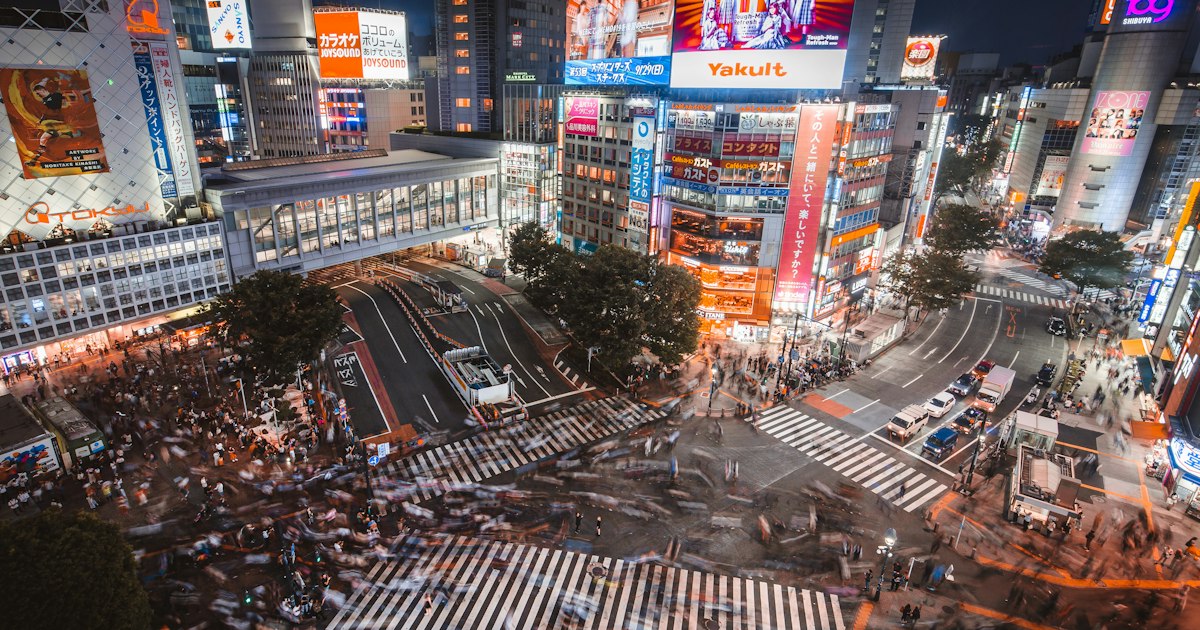
    Halloween in Japan isn’t really a trick-or-treating holiday — kids barely go door to door for candy. What it has become instead is one of the biggest spontaneous street gatherings on the planet, centered almost entirely on one intersection: Shibuya Scramble Crossing in Tokyo. If you’re visiting Japan in late October, here’s what’s actually worth knowing before you show up in a costume you bought at the airport.

    What Shibuya Halloween Actually Is

    There’s no official festival, no parade, no ticket, and no stage. Shibuya Halloween is an unofficial street party that grew organically in the 2010s as costumed crowds started gathering around the famous Scramble Crossing and the pedestrian street Center-gai after dark. At its peak, it drew hundreds of thousands of people — and the lack of any central organizer eventually caused real problems: a 2018 incident involving an overturned truck, years of litter and property damage, and crowd densities that made movement through the station nearly impossible.

    Since then, Shibuya Ward has taken an unusual position: it actively discourages people from coming. The ward office puts up multilingual signs and sends social media messages asking visitors to celebrate elsewhere, and in recent years it has banned public drinking on the street in the area around the station on and around October 31st (typically from around 6pm to 5am), with convenience stores and liquor shops in the zone asked not to sell alcohol for takeaway during those hours. Riot-style barricades and a heavy police presence now funnel foot traffic around the crossing. None of this has stopped the costumes — it’s just turned the event into a crowd-control exercise with a party happening inside it.

    When to Go (and When to Think Twice)

    The crowd now builds over the entire weekend closest to October 31st, not just on the day itself, so “Halloween weekend” in Shibuya can mean three or four nights of costumed crowds rather than one. If you want photos and atmosphere without the worst of the crush, aim for early evening — around 6pm to 8pm — before the after-work and late-night crowds stack up. Things intensify sharply after 9pm and often peak between 10pm and 1am, which is also when police begin actively restricting movement around the crossing itself. If you simply want to see costumes and don’t care about being in the thick of it, a weekday evening in the run-up to Halloween is far calmer than the Friday or Saturday night closest to the 31st.

    Getting There (and Out) Without Getting Stuck

    Shibuya Station is the obvious access point, served by the JR Yamanote Line, Keio Inokashira Line, Tokyu lines, and several Tokyo Metro lines. On peak nights, station staff and police may temporarily close certain exits or make them exit-only to stop the platforms from overfilling — it’s not unusual to be funneled through a longer route than usual just to reach the street. Build in extra time, and don’t assume you can casually dip into the station if you need to leave in a hurry; in a dense crowd, the nearest open exit might be a ten-minute walk away. If you’re relying on cash for taxis or vending machines once the crowds make card terminals slow to reach, a quick top-up from a 7-Bank ATM at a 7-Eleven before you head into Shibuya is worth the two minutes.

    Where to Buy a Costume in Tokyo

    You don’t need to pack a costume — Tokyo sells them in bulk every October.

    • Don Quijote (Donki): The go-to for last-minute costumes. The Shibuya branch near Center-gai is open 24 hours and dedicates significant shelf space to Halloween in the weeks beforehand — full costumes generally run about ¥2,000–¥6,000, with wigs, face paint, and props priced separately from a few hundred yen up.
    • Daiso and other ¥100-shops: Cheapest option for accessories — fangs, horns, face paint, small props — mostly in the ¥100–¥500 range. Not the place for a full costume, but excellent for finishing touches.
    • Village Vanguard: A pop-culture/novelty chain with a heavier skew toward character and anime-adjacent costume pieces, found in Shibuya and Shinjuku.
    • Cosplay specialty shops near Shibuya Station: Several small stores around Shibuya cater specifically to cosplay and costume rental rather than generic Halloween gear, with complete rental sets running roughly ¥3,000–¥6,000 including a changing space — useful if you don’t want to carry a costume home in your suitcase.

    If you’re more interested in Japan’s cosplay and costume culture generally than in Halloween specifically, it’s worth knowing that the same shops and neighborhoods that stock Halloween gear also supply Tokyo’s cosplay scene year-round — the crossover is strong enough that regulars at Comiket shop at some of the same stores.

    Costume Choices That Work Well

    Store-bought costumes from Donki or Village Vanguard are the path of least resistance, but if you want something with a more distinctly Japanese flavor, a happi coat — the short festival jacket worn at summer matsuri — makes an easy, comfortable half-costume layered over normal clothes, and it packs flat for the flight home. Whatever you choose, skip anything that mimics another culture’s dress as a costume punchline (sumo-wrestler bodysuits and geisha-parody wigs are common tourist missteps) — Japanese costume culture leans heavily toward anime, horror, and pop-culture characters rather than caricature.

    Staying Safe in the Crowd

    The biggest risks aren’t crime — they’re crowd-related. Keep valuables in a front pocket or a bag worn across your chest rather than a back pocket or open tote; pickpocketing upticks in dense crowds anywhere in the world, and Shibuya at capacity is no exception. Don’t try to push against the flow of foot traffic — if the crowd is moving one direction, move with it and loop back rather than cutting across. Avoid drinking heavily before you’re in the crowd itself; separated friend groups and crowded trains are a bad combination with intoxication, and remember that open-container drinking is restricted on the street in the designated zone during the event. If you’re traveling with a group, agree on a specific meeting point outside the restricted area in advance — phone signal gets patchy when tens of thousands of people are on it at once, and you may not be able to simply call or text to regroup.

    If Shibuya Isn’t Your Scene

    Shibuya gets the headlines, but it isn’t the only place to see costumes. Shinjuku’s nightlife district has its own, smaller version of the scene, with bars and clubs running costume nights throughout the week around Halloween. If you go, the same safety principles that apply to navigating Kabukicho after dark apply doubly on Halloween weekend — stick to venues you can verify, agree on prices before you sit down anywhere, and don’t let a costumed stranger walk you somewhere you didn’t choose. For a lower-key alternative entirely, several theme parks and shopping malls run family-friendly Halloween events in the weeks beforehand that have nothing to do with the Shibuya crowd and are far easier to enjoy with children or if you simply want a quieter night out.

  • Kirishima: Kyushu’s Volcanic Shrine Country and Its Quiet Hot Spring Villages

    Kirishima: Kyushu’s Volcanic Shrine Country and Its Quiet Hot Spring Villages

    Photo by Samuel Berner on Unsplash

    Wedged between Kagoshima and Miyazaki prefectures, Kirishima is one of Kyushu’s great overlooked regions — a cluster of active volcanoes, crater lakes, and sulfur-scented hot spring hamlets that most foreign visitors skip entirely in favor of Kagoshima’s Sakurajima views or the shrines of Kyoto. That’s a shame, because Kirishima is where Japanese creation mythology is supposedly set in stone: this is the spot where, according to the Kojiki and Nihon Shoki, the god Ninigi-no-Mikoto descended from heaven to found the imperial line. Add steaming rotenburo baths tucked into pine forest and a genuinely low-key travel pace, and it’s an easy 1-2 day add-on to a Kagoshima or Miyazaki itinerary.

    Kirishima-Jingu Shrine: the mythological heart

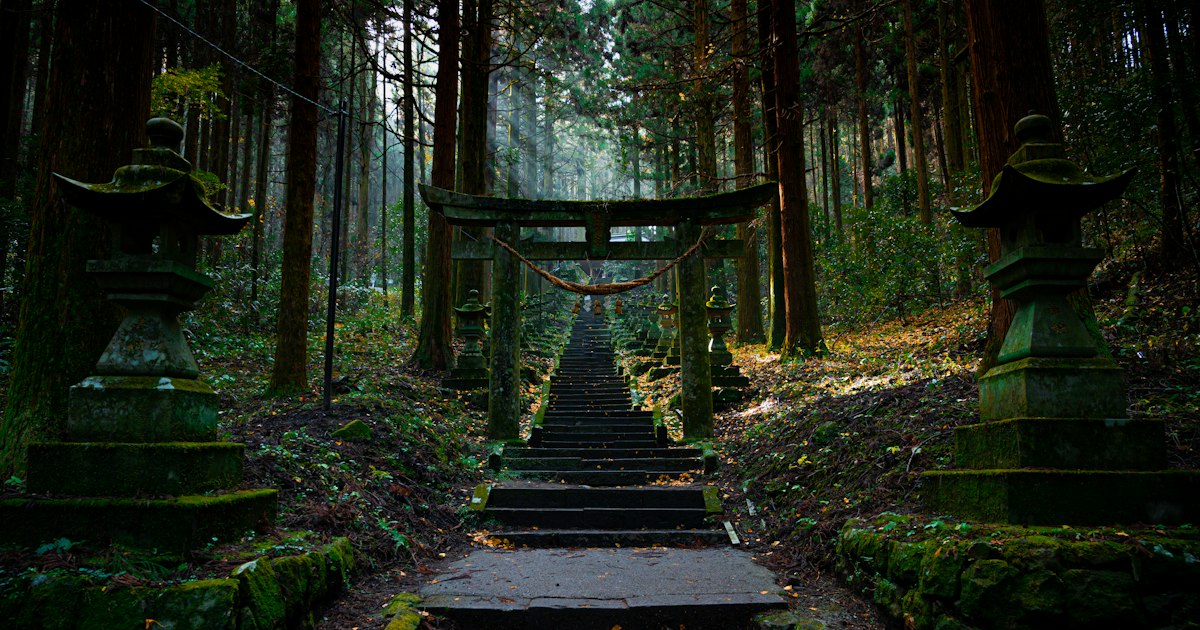
    Kirishima-Jingu is the obvious first stop. The vermillion-and-gold shrine buildings standing today date to 1715 — the shrine has been rebuilt and relocated several times over its history because earlier structures were damaged by eruptions from the volcanoes it honors. The approach is a long, tree-shaded stone staircase, and the main hall is a designated National Important Cultural Property. Grounds are open from early morning until around 6pm (varies seasonally), entry is free, and the shrine office selling omamori and goshuin stamps is typically staffed 8:30am-5pm.

    Don’t confuse this shrine with Takachiho-gawara, a separate site higher up the mountain where the ruins of the original shrine (“Furumiya”) mark the spot nearer the mythical landing place. It’s a 20-minute drive from Kirishima-Jingu and has its own small visitor rest house and a trailhead for Takachiho-no-mine peak (1,574m) — a steep but manageable 1.5-2 hour round-trip hike with views across the whole volcanic plateau on a clear day.

    Shinmoedake and checking before you hike

    Kirishima isn’t a dormant postcard backdrop — Shinmoedake, the volcano looming behind the shrine, erupted as recently as 2011 and 2018 and remains monitored by the Japan Meteorological Agency. Trailheads around Takachiho-gawara and the summit area get closed without much notice when the alert level rises. Before planning a hike, check the current volcanic alert level (search “JMA Shinmoedake” or ask at the Ebino Kogen Eco Museum Center) rather than assuming last year’s trail map is accurate. This is the single most common planning mistake visitors make here — showing up expecting to summit and finding the approach roped off.

    Ebino Kogen: crater lakes and cool-air hiking

    About 20 minutes by car above the onsen villages sits Ebino Kogen, a highland plateau at roughly 1,200m elevation ringed by extinct and dormant craters now filled with jewel-toned lakes — Rokkannon Miike, Fudoike, and Byakushiike among them. The full loop trail connecting the lakes takes about 1-1.5 hours at an easy pace, mostly flat boardwalk and gravel path, and the Eco Museum Center at the trailhead (open 9am-5pm, free entry) has maps, restrooms, and a free foot bath fed by natural hot spring water. Because of the elevation, it’s noticeably cooler than Kagoshima city — bring a layer even in summer, and expect near-freezing temperatures with occasional light snow in January-February.

    The best time to visit is early-to-mid November for fiery autumn foliage around the lakes, or late May into early June, when the native Miyama Kirishima azaleas turn the slopes pink-red. Midsummer brings humidity and haze that dull the crater-lake views, so if your schedule is flexible, avoid July-August here.

    The hot spring villages

    Kirishima Onsen isn’t one town but a loose string of small hamlets scattered through the forest below Ebino Kogen — Maruo, Ikoma, Hinatayama, and a few others, each with its own well and slightly different mineral character (sulfur, iron, or the milky white water locals call “nigori-yu”).

    • Budget: Several simple public bathhouses allow day bathing for roughly 150-500 yen — basic facilities, no-frills, and the most authentic way to soak alongside locals rather than other tourists.
    • Mid-range: Hotels and ryokan around Ikoma Kogen typically offer day-use onsen access for 600-1,000 yen, and an overnight stay with dinner and breakfast usually runs 15,000-20,000 yen per person.
    • Splurge: A handful of ryokan built into the hillsides have private or semi-open-air baths overlooking the valley, paired with a multi-course dinner closer in style to the kaiseki ryori served at Japan’s higher-end inns. These run from around 35,000 yen per person per night and up, including dinner and breakfast.

    A practical note: many of these smaller ryokan and bathhouses are cash-only or have unreliable card readers, so don’t count on tapping a card at the front desk. If you’re traveling with a card that skips foreign transaction fees — see this rundown of no-foreign-transaction-fee credit cards — keep it as a backup, but carry cash as your primary payment here. The nearest reliable ATMs are at convenience stores back down toward Kirishima-Jingu Station or Kokubu; 7-Bank ATMs at 7-Eleven are the easiest withdrawal option if you’re coming from Kagoshima city before heading up.

    Getting there and getting around

    Kagoshima Airport is the closest gateway, only about 20-30 minutes by car or taxi from Kirishima-Jingu — taxis run roughly 4,000-5,000 yen, and a few direct airport buses connect to Kirishima-Jingu Station and nearby hotels, though schedules are thin (sometimes just a handful of runs per day), so check times in advance rather than assuming you can walk up and go.

    By train, take the JR Nippo Line from Kagoshima-Chuo Station to Kirishima-Jingu Station (about 50 minutes, roughly 1,000-1,200 yen), then a short taxi ride (around 10 minutes, 1,500 yen or so) up to the shrine itself, since onward buses are infrequent. If you’re flying into Fukuoka first, as many Kyushu itineraries do — see our guide to Fukuoka Airport — you’ll want the Kyushu Shinkansen down to Kagoshima-Chuo (about 1 hour 20 minutes) before transferring to the Nippo Line or renting a car.

    Honestly, a rental car is the easiest way to see Kirishima properly. Buses between Ebino Kogen, the onsen villages, and the shrine run on a limited, seasonal schedule, and a car lets you chase the volcano views and foliage at your own pace rather than building a day around two or three bus departures.

    A few things to plan around

    Beyond checking the volcanic alert level, pack for temperature swings — the onsen villages sit at a different elevation than Ebino Kogen above them, so a warm afternoon at the shrine can turn into a cold evening soak. Many ryokan here serve dinner early, often by 7pm, and some of the smaller public bathhouses close by early evening too, so don’t plan a late arrival expecting to bathe before bed. Lastly, if cultural sightseeing is the main draw, pair the shrine visit with Takachiho-gawara in the same day — they’re close enough to combine, and most visitors who skip the ruins site regret it once they realize it’s where the actual legend is supposed to have unfolded.

  • Nengajo: Japan’s New Year Postcard Tradition and the Lottery Numbers Printed on Them

    Nengajo: Japan’s New Year Postcard Tradition and the Lottery Numbers Printed on Them

    Photo by Susann Schuster on Unsplash

    Every December, Japan’s post offices turn into greeting-card factories. Mail carriers deliver tens of millions of nengajo — New Year’s postcards — timed to land in mailboxes on exactly January 1st, and tucked into the corner of nearly every one is a string of numbers that functions like a free lottery ticket. If you’re in Japan over the New Year holiday, buying, writing, and even winning with a nengajo is one of the most approachable seasonal traditions a visitor can actually participate in.

    What a Nengajo Actually Is

    A nengajo is a postcard sent to wish someone a happy new year, traditionally mailed in mid-to-late December so Japan Post can hold and deliver the entire pile on January 1st. The custom replaces the in-person New Year’s greetings that were once standard — instead of visiting every relative, coworker, and business contact in person, people send cards. Companies send them to clients, teachers send them to students, and families send them to relatives they haven’t seen since Obon.

    The cards themselves are usually a postcard-sized piece of stock (not a folded card) featuring the zodiac animal of the coming year, New Year’s imagery like sunrises or pine branches, or a family photo if it’s a personal card. 2027 is the Year of the Sheep (Hitsuji-doshi) in the Japanese zodiac cycle, so most designs released in autumn 2026 will feature sheep motifs.

    Where and When to Buy Them

    Japan Post sells official nengajo postcards (called o-toshidama-tsuki nenga hagaki, literally “New Year’s cards with a lottery prize attached”) starting in early November each year, with sales continuing through late December. You can buy them at any post office counter, at convenience stores like 7-Eleven and Lawson, and at stationery shops and supermarkets, which often stock pre-printed designs alongside blank ones.

    • Blank official postcard: around 85 yen per card (price is tied to the standard postcard postage rate, so buying the card already includes postage).
    • Pre-printed designs (available at convenience stores, Loft, Tokyu Hands, or post office counters): typically 100–200 yen each depending on the design and whether it includes photo-printing options.
    • Custom photo cards ordered through post office kiosks, camera shops like Kitamura, or online printing services: often 150–300 yen per card depending on the paper and printing quality, with per-card prices dropping for larger orders.

    If you want nice stationery to hand-write a few cards yourself, department store stationery floors and specialty shops carry high-quality pens and brush markers suited to New Year’s calligraphy — the same shops that stock items covered in our guide to Japan’s stationery obsessions are a good place to browse for a fountain pen or fine-tip brush pen to write with.

    The Mailing Deadline That Actually Matters

    Japan Post’s official cutoff for guaranteed January 1st delivery is typically December 25th. Mail a nengajo by that date into any red postbox or post office, and it will sit in a special holding queue so carriers can deliver the entire backlog on New Year’s morning instead of trickling cards out over several days. Drop a card in the mail after December 25th and it will likely still arrive within the first few days of January, just not exactly on the 1st — which is considered slightly less polite but far from a disaster for casual acquaintances.

    One common mistake tourists make is assuming any postbox works the same way year-round — it doesn’t matter which box you use, but it does matter that the postmark date falls before the cutoff, so don’t wait until December 24th evening and hope for the best.

    The Lottery Numbers: How They Work

    This is the part most visitors never discover. Every official Japan Post nengajo carries a unique lottery number printed in a small box, usually in the bottom corner. In mid-January, Japan Post holds a nationwide drawing (the results are published on their website and in newspapers), and winning numbers are matched against every card mailed that season.

    Prizes have varied slightly by year but have historically included:

    • Grand prize: cash or a gift set worth around 300,000–500,000 yen for the rarest matching digits (first prize winners are extremely few, often fewer than one per million cards).
    • Lower-tier prizes: regional specialty goods, electronics, or travel vouchers for mid-tier matches.
    • Consolation prize: the most common win by far is a set of 52-yen or 62-yen commemorative postage stamps, awarded for matching just the last two digits — a huge number of cards win this every year.

    To check your card, go to the Japan Post website (post.japanpost.jp) in mid-to-late January, search for “お年玉付き年賀はがき” (toshidama-tsuki nengahagaki) results, and compare your card’s number against the published winning numbers. If you win, you typically redeem the prize at a post office counter by a stated deadline, usually mid-to-late July — bring the winning postcard itself, since that’s your ticket.

    Sending Nengajo as a Visitor

    You don’t need to be fluent in Japanese to participate. If you’ve made a friend, host family, homestay coordinator, or business contact during a trip, sending a nengajo from abroad (or buying one in Japan before you fly home and mailing it from there) is a genuinely appreciated gesture. A few practical notes:

    • Keep the message short — a simple “あけましておめでとうございます” (Happy New Year) plus a line wishing them well for the coming year is standard and sufficient.
    • Avoid sending a nengajo to someone who has had a death in the family within the past year; etiquette calls for a separate, more subdued card called mochu hagaki instead, or no card at all. If you’re unsure, it’s safer to simply skip sending one that year.
    • If you’re mailing from outside Japan, note that international postage rates apply and the January 1st delivery guarantee only applies to cards mailed within Japan’s domestic system — budget extra transit time.

    The custom sits in the same family of seasonal gift obligations as Japan’s twice-a-year corporate gifting rounds — if that side of the culture interests you, our guide to Oseibo and Ochugen gift-giving seasons covers the similar logic behind those exchanges.

    Common Mistakes to Avoid

    • Buying cards too late: post offices sometimes sell out of popular pre-printed designs by mid-December, especially zodiac-themed ones. Shop in early December for the best selection.
    • Forgetting the lottery number entirely: many tourists toss the card after reading the message. If you receive a nengajo as a souvenir or gift, hold onto it until the mid-January drawing results are out — it costs nothing to check.
    • Writing in pen that smears: if hand-writing cards, test your pen on the card stock first; some glossy photo-finish cards resist standard ballpoint ink.
    • Needing cash for stamps or printing services: post office and convenience store card purchases are simple cash-or-card transactions, but if you’re short on yen, convenience store ATMs are the easiest fix — see our rundown of 7-Bank ATMs at 7-Eleven for the most tourist-friendly cash withdrawal option in Japan.

    Budget-wise, a handful of nengajo as souvenirs or gifts costs next to nothing — a few hundred yen total — making this one of the cheapest, most authentic cultural souvenirs you can bring home from a winter trip to Japan.

  • Oseibo and Ochugen: Japan’s Twice-a-Year Gift-Giving Seasons and What to Buy

    Oseibo and Ochugen: Japan’s Twice-a-Year Gift-Giving Seasons and What to Buy

    Photo by Vishnu Kalanad on Unsplash

    Walk into any Japanese department store in early July or mid-December and you’ll find entire floors transformed into gift fairs — catalogs the size of phone books, staff in white gloves wrapping boxes of beer and melons, and delivery counters with lines out the door. This is Oseibo and Ochugen season, Japan’s twice-yearly ritual of sending gifts to people you’re indebted to: bosses, clients, teachers, doctors, matchmakers, and anyone who did you a favor you haven’t forgotten. You don’t need a Japanese business relationship to appreciate it — understanding the custom will help you make sense of what’s happening around you in stores in summer and winter, and it’s also a genuinely good source of ideas for omiyage to bring home.

    What Oseibo and Ochugen Actually Are

    Ochugen (お中元) is the mid-year gift, rooted in a Taoist mid-year observance that merged with Obon traditions. Oseibo (お歳暮) is the year-end gift, historically tied to offerings made to ancestral spirits before New Year. Both evolved into secular expressions of gratitude between people with an ongoing relationship — subordinate to boss, company to client, student to teacher. The two are a pair: if you only send one, etiquette says Oseibo is the more important, since it caps off the full year of goodwill. Sending both is more formal; sending just Oseibo is perfectly acceptable.

    These aren’t personal birthday-style gifts. They’re deliberately modest, practical, and consumable — nobody expects a treasured keepsake, and the gesture matters more than the price tag.

    When to Give: Timing Varies by Region

    Ochugen timing differs across Japan, which trips up a lot of people. In Tokyo and most of eastern Japan, the window runs roughly July 1–15. In Kansai (Osaka, Kyoto) and parts of western Japan, it runs later, mid-July through August 15, aligned with the old lunar Obon calendar. If you’re shopping in a department store and see Ochugen displays still up in late July in Osaka, that’s normal — it isn’t leftover stock.

    Oseibo has a single accepted window nationwide: roughly December 1–20. Waiting until the very end of December is considered poor form, since it rushes the recipient and can arrive after New Year’s cleaning and food shopping is already done. If you miss the window entirely, there are fallback labels — “Oseveshi” or a New Year’s greeting gift — but it’s better to just be on time.

    What to Buy, by Budget

    Standard Oseibo/Ochugen spending is narrower than Western gift norms — going too expensive can feel like you’re trying to incur an obligation, not repay one.

    • Budget (¥3,000–¥5,000): This is the default range for most relationships — a neighbor, a casual business contact, a teacher. Classic picks include boxed somen noodles, cooking oil sets, instant coffee assortments, or canned goods. A beautifully packaged box of konpeito star-shaped sugar candy fits this tier nicely and travels well if you’re buying one for yourself as a souvenir too.
    • Mid-range (¥5,000–¥10,000): Reserved for people you owe more to — a direct boss, a key client, a doctor who’s treated you for years. Premium food gifts dominate here: gourmet canned mackerel sets like the ones covered in our guide to the saba can boom, a box of assorted himono dried fish, Kyushu ham sets, or premium fruit (melons, pears) sold specifically for gifting at this price.
    • Splurge (¥10,000+): Used for major business relationships — a company president, a long-term mentor, a landlord of a commercial property. This tier shifts toward department-store “catalog gifts” (the recipient picks what they want from a booklet) or high-end kitchenware. A well-made ohitsu wooden rice tub sits comfortably in this range and reads as a thoughtful, lasting choice rather than an extravagant one.

    Avoid sets of four or nine items — shi (4) sounds like “death” and ku (9) like “suffering” — and never include anything bladed (scissors, knives), which symbolically suggests “cutting ties.”

    Where to Shop: Department Store Gift Floors

    The easiest place to see the whole custom in action is a depachika-adjacent gift corner at a major department store — Isetan Shinjuku, Mitsukoshi Nihombashi, Takashimaya (Shinjuku or Nihombashi), or Hankyu Umeda in Osaka. These open dedicated Oseibo/Ochugen sections roughly two weeks before each season starts, typically open 10:00–20:00 daily. Staff will handle gift wrapping (noshi), attach the correct name card, and arrange direct shipping to the recipient’s home anywhere in Japan — a service most Japanese shoppers use instead of carrying the gift themselves. Note that most of these in-store shipping desks are set up for domestic addresses only, so if you want to send something internationally you’ll likely need to carry it home yourself or use a separate international courier.

    If you’re combining this with sightseeing, convenience stores and supermarkets also run smaller Oseibo displays in December, which is a good lower-key way to browse without the department store crowds.

    Wrapping and Etiquette Basics

    The correct wrapping paper is called noshi — white paper printed with red-and-white mizuhiki cords tied in a cho-musubi (bow knot), which symbolizes a relationship that can be renewed, as opposed to the knot used for one-time events like weddings. Department store gift counters apply this automatically once you say it’s for Oseibo or Ochugen, so you don’t need to request it by name — just mention the occasion. Cash is not given for these; that convention is reserved for weddings, funerals, and specific family occasions. If the recipient is in mourning, the gift is still appropriate, though some people delay sending it slightly as a courtesy or switch to a plainer wrapping without the celebratory mizuhiki.

    Common Mistakes Visitors Make

    The biggest mix-up is applying Western “equal value” gift logic — reciprocating lavishly for a lavish gift is unnecessary and can embarrass the other person, since the point is ongoing goodwill, not a transaction. Another common error is treating it like a one-off thank-you gift when the recipient expects it to continue yearly once started; if you don’t intend to keep the relationship going, a single large gift with a note explaining it’s a one-time thank-you (and different wrapping) is more appropriate than quietly dropping it the next year. Finally, don’t assume online delivery timing matches your trip — if you’re shopping in late June to send an Ochugen gift from Tokyo, confirm the department store’s shipping cutoff, since it’s often a few days before the display dates to guarantee arrival.

    Bring a card for payment — department store gift counters accept major credit cards, and our guide to no-foreign-transaction-fee cards is worth checking before a shopping-heavy trip — though smaller gift shops and local sweets stores may be cash-only, so keep yen on hand via a 7-Eleven ATM withdrawal before you go.

  • Jazz Kissa: Tokyo’s Vinyl-and-Silence Jazz Cafes and How to Behave Inside One

    Jazz Kissa: Tokyo’s Vinyl-and-Silence Jazz Cafes and How to Behave Inside One

    Photo by Jon Tyson on Unsplash

    Tucked into basements and narrow upper-floor walk-ups across Tokyo, jazz kissa (ジャズ喫茶) are cafes built around a single ritual: sitting quietly while a towering pair of vacuum-tube amplified speakers plays a vinyl record from start to finish. There’s no background chatter, no small talk with the barista, and often no wifi. For first-time visitors this can feel baffling or even unwelcoming — but once you understand the etiquette, a jazz kissa is one of the most atmospheric, least touristy hours you can spend in Tokyo.

    What Exactly Is a Jazz Kissa?

    “Kissa” is short for kissaten, the old-school Japanese coffee shop format that predates the espresso-bar era (the same lineage that produced chains like Komeda Coffee). Jazz kissa emerged after World War II, when imported jazz records were expensive and rare, and fans who couldn’t afford a personal collection or a decent sound system paid for coffee as a way to rent time in front of someone else’s. The owner — usually a serious collector — built the shop around the sound: hand-wired tube amps, huge horn-loaded speakers (brands like JBL, Altec, and Tannoy show up constantly), and shelves holding anywhere from a few thousand to tens of thousands of original pressings.

    The format survived because the experience it offers — deep, loud, uninterrupted listening on equipment far better than anything in a typical home — never became obsolete. Many shops that opened in the 1950s–70s are still run by the founder or their successor, with decor, menus, and playlists that haven’t changed much in decades.

    The Unwritten Rules: How to Behave Inside

    This is the part that trips up most first-timers. Rules vary slightly shop to shop, but these hold almost everywhere:

    • Keep your voice at a whisper, if you talk at all. Some kissa are near-silent by design — talking during a track can draw a direct “shhh” from the owner or other patrons. Others (especially ones that double as bars at night) are more relaxed. Watch the room for a minute before you decide how much you can get away with.
    • Don’t request songs unless the shop explicitly invites it. A few jazz kissa keep a request notebook or chalkboard; most do not, and the owner’s chosen sequence for the day/evening is part of the craft. Walking up to ask “can you play Coltrane?” at a shop that doesn’t take requests is a common, visible faux pas.
    • One drink buys you a seat, not a table for work. Laptops, video calls, and loud typing are generally unwelcome — this isn’t a coworking cafe. A notebook or book is fine.
    • Don’t photograph the equipment or other customers without asking. Owners are often proud to show off a rare speaker or amp if you ask politely; sneaking a photo is not appreciated.
    • Stay for at least a side or a full track before leaving. Ducking in and out quickly disrupts the room’s rhythm.
    • Cash is often the only option. Many of these shops are one- or two-person operations that never upgraded to card readers. Keep coins and small bills on hand — the 7-Bank ATMs inside 7-Eleven are the easiest way to top up before you go.
    • Smoking is sometimes still allowed inside. A number of older jazz kissa predate Japan’s 2020 indoor smoking law changes and are registered as small, existing smoking-permitted establishments — if that matters to you either way, ask at the door, or check the city’s designated smoking area rules for outdoor alternatives nearby.

    Where to Find Them in Tokyo

    Jazz kissa are scattered across the city rather than clustered in one obvious tourist zone, which is part of their charm.

    • Shinjuku has the highest concentration, much of it tied to the area’s postwar jazz-cafe boom. DUG, a half-basement shop near Shinjuku’s east side associated with Haruki Murakami’s old haunts, is one of the better-known entry points — it also serves food and curry rice, so it’s an easier first visit than a listening-only shop.
    • Koenji, a few stops west on the JR Chuo Line, has a reputation among jazz fans for shops with unusually serious vintage speaker setups and a stricter, quieter atmosphere — this is where the “silence” half of this guide’s title applies most literally.
    • Shibuya has several small jazz kissa and jazz-bar hybrids tucked into side streets and upper floors away from the main crossing crowds.
    • Kichijoji, a laid-back neighborhood popular with musicians and students, has a cluster of cozy, independently run kissa with deep vinyl collections and a slightly friendlier, less austere vibe than the Shinjuku originals.

    Because many of these shops are one-owner operations, hours and even survival can change without notice — a quick search on a Japanese map app (searching “ジャズ喫茶” plus the neighborhood name) the morning of your visit is worth doing before you walk over.

    Budget, Mid-Range, and Splurge Options

    Jazz kissa pricing is simple and the entry cost is low across the board:

    • Budget: A coffee at most jazz kissa runs roughly ¥700–1,000, and that single order is your ticket to sit as long as you like through multiple records. This is genuinely one of the cheapest multi-hour experiences in central Tokyo.
    • Mid-range: Shops like DUG that also serve light food — curry, sandwiches, pasta — typically add another ¥900–1,500 for a meal, making it easy to turn an afternoon coffee stop into an early dinner without moving.
    • Splurge: Several jazz kissa convert into jazz bars after dark, switching the drink menu to whisky, highballs, and cocktails in the ¥900–1,800 range. Staying for a couple of evening drinks while the owner plays a deeper, more adventurous set than the daytime rotation is the closest thing to a “premium” version of the experience — still modest by any international nightlife standard.

    Best Time to Go

    Afternoons, roughly 1–5pm, are the classic jazz kissa hours — most shops open around midday and the room tends to be at its quietest and most contemplative then, with just a handful of regulars reading or staring at the speakers. Early evening is busier and slightly more social. Rainy or cold days are, by local consensus, the best possible weather for a jazz kissa visit — there’s no view to miss, and the shops feel more atmospheric when the street outside is grim. Avoid treating a jazz kissa as a quick 15-minute stop between sightseeing stops; the whole point is slowing down for at least one full album side, which can run 20–25 minutes.

    Common Mistakes Foreign Visitors Make

    • Treating it like a themed photo-op cafe. Jazz kissa are living institutions with regulars, not museums — loud comments, flash photography, or groups filming each other for social media will get cold stares fast.
    • Showing up in a large group. Most jazz kissa seat well under 20 people total. A group of four or more talking, even quietly, can dominate a small room. Split up or go in pairs.
    • Assuming English will work. Many owners are older and speak little English. A polite bow, pointing at the menu, and keeping requests simple goes further than trying to explain what you want in detail.
    • Expecting a live performance. A jazz kissa plays recordings, not live music — if you want a live set, look for a “jazz live house” (often written ジャズライブハウス) instead, which is a different kind of venue with a cover charge and a stage.
    • Skipping it because it feels intimidating. The silence rule sounds strict on paper, but in practice most owners are happy to see a curious foreign visitor who orders a coffee, sits down, and genuinely listens. That’s the whole deal.

    A jazz kissa won’t show up on most quick Tokyo itineraries, but for travelers who’ve already covered the temples, the department store food halls, and the neon crossings, it’s a quiet, inexpensive way to feel the city’s postwar cultural history up close — through a single, perfectly worn record.

  • Konnyaku & Shirataki: Japan’s Low-Calorie Noodle and Where to Buy It Fresh

    If you’ve ever wondered why Japanese hot pot bubbles along with translucent, slightly rubbery noodle tangles that have almost no flavor of their own, you’ve met konnyaku and its noodle form, shirataki. It’s one of Japan’s oldest foods — made from a starchy root that predates rice cultivation in the archipelago — and it’s enjoying a second life as a near-zero-calorie, gluten-free pasta substitute sold worldwide. But the vacuum-packed blocks you find in a foreign supermarket are a pale version of what’s available fresh in Japan, where entire regions specialize in it and farmers’ markets sell it still faintly warm from the steamer. Here’s what it actually is, where to find the good stuff, and how to avoid the mistakes most first-timers make with it.

    What Konnyaku and Shirataki Actually Are

    Both come from the corm (a bulb-like underground stem) of the konjac plant, Amorphophallus konjac, grown mainly in Gunma Prefecture, which produces roughly 90% of Japan’s domestic crop. The corm is dried, ground into flour, mixed with water and a small amount of calcium hydroxide (a food-grade alkali that sets the gel), then boiled into a firm block. That block, sliced or left whole, is konnyaku. When the same gel is extruded through small holes before setting, you get thin, translucent strands — shirataki, which literally means “white waterfall.”

    Nutritionally, konnyaku is almost entirely glucomannan, a soluble fiber that your body can’t digest, which is why a 100g serving is often listed at around 5-7 kcal. It has no real taste on its own; its whole culinary job is to carry the flavor of whatever broth or sauce it sits in, while adding a distinctive, springy-chewy texture the Japanese call “konnyaku no shita” bite.

    Where It Shows Up on the Table

    You’ll meet konnyaku most often in oden (the simmered skewer stew sold at convenience stores and street stalls in winter), in sukiyaki and other nabe hot pots where shirataki noodles soak up the sweet-savory broth, and in everyday simmered dishes like ita-konnyaku no nimono. It’s also a quiet staple of Buddhist temple cooking — if you try a shojin ryori meal, there’s a good chance konnyaku appears in some form, since it provides substantial chew without using any animal product. Fish-shaped or marbled gray “shirataki” are sometimes added directly to the pot in the final stages of a hot pot meal, much like the rice porridge finale explained in our zosui guide, where leftover broth gets a second life.

    Best Places to Buy It Fresh

    Supermarket shirataki and konnyaku, sold in sealed plastic tubs of murky liquid, are perfectly fine and what most households use — a 180-200g pack of shirataki typically costs ¥80-150, and a standard konnyaku block runs ¥100-200 at any supermarket like Life, Seiyu, or Gyomu Super. But for the real texture difference, seek out fresh, unpackaged konnyaku sold at specialty shops and markets, which has a firmer bite and a cleaner smell than the packaged version (that faint sulfur smell from the calcium hydroxide is normal and rinses away).

    • Gunma Prefecture — the heartland. Konnyaku Paradise (Konnyaku Parks) in Omama, Midori City, is a free factory museum and shop run by Yamada Foods, open roughly 9:00-18:00 daily (hours shift seasonally, so check ahead), with a cafeteria serving konnyaku steak, konnyaku ramen, and konnyaku desserts for ¥300-700 a dish, plus a shop selling fresh blocks and shirataki to take home.
    • Local morning markets and depachika — the basement food halls of department stores in cities like Takasaki or Maebashi often carry small-batch konnyaku from local producers, sometimes flavored with sansho pepper, yuzu, or black konjac ash (giving it a dark gray color and nuttier taste), at ¥300-600 per block.
    • Michi-no-eki (roadside rest stops) in mountain regions of Gunma, Gifu, and Nagano frequently sell fresh konnyaku made that morning — look for a simple handwritten sign reading 生こんにゃく (nama-konnyaku).
    • Convenience stores — not glamorous, but genuinely useful: 7-Eleven, Lawson, and FamilyMart sell individually packaged oden with konnyaku already simmering in winter, a good ¥100-150 way to try it with zero commitment. If you’re stocking up on cash for a market trip, our guide to 7-Bank ATMs at 7-Eleven covers the easiest way for tourists to withdraw yen.

    Best Season and Timing

    Konnyaku is sold year-round, but it’s a genuine winter food culturally — it appears in oden stalls and hot pot ingredient displays from late October through March, and factory shops like Konnyaku Paradise are busiest (and liveliest, with seasonal tastings) in that window. The konjac harvest itself happens in autumn, so fresh, just-processed konnyaku is at its best quality from November through January. Visiting Gunma in summer is fine for the factory tour, but you’ll miss the seasonal cooking demonstrations some shops run in colder months.

    How to Get There

    If you want to see konnyaku made rather than just buy it, Gunma is the easiest base. From Tokyo, take the JR Joetsu Shinkansen to Takasaki Station (about 50 minutes, ¥4,000-5,000 one-way), then transfer to a local line or rental car; Konnyaku Paradise in Omama is about 40 minutes by car from Takasaki, or reachable via the Watarase Keikoku Railway with a short taxi ride from Omama Station. It’s a half-day trip at most, easily paired with an onsen stop in the area, and doesn’t require advance reservations for the shop or cafeteria.

    Budget, Mid-Range, and Splurge Options

    Budget (under ¥500): a supermarket shirataki pack or konbini oden skewer — fine for tasting the texture, not the full flavor experience.
    Mid-range (¥500-2,000): a fresh block from a Gunma michi-no-eki or depachika, or a full plate of konnyaku steak and sashimi-style konnyaku at Konnyaku Paradise’s cafeteria, often served with a sweet miso dip that’s worth asking for by name (konnyaku sashimi with miso-dare).
    Splurge (¥3,000+): a kaiseki-style multi-course meal where a chef incorporates house-made konnyaku as one deliberate texture note among many — worth it once if you want to taste how a skilled cook uses it, something our guide to kaiseki ryori goes into in more depth.

    Common Mistakes to Avoid

    • Not rinsing it. Packaged shirataki and konnyaku come submerged in an alkaline liquid that smells faintly of ammonia or sulfur. A quick rinse under running water, or a 1-2 minute blanch in boiling water, removes the smell entirely — skipping this is the single biggest reason first-timers think it tastes “off.”
    • Expecting it to taste like something. Konnyaku has essentially no flavor of its own; judging it on taste alone misses the point. It’s there for texture and to carry broth, not to be a flavor star.
    • Treating shirataki as a 1:1 pasta swap in Western recipes without adjusting liquid. It releases very little starch and won’t thicken a sauce the way wheat noodles do, so sauces can taste thin and watery unless you reduce them further.
    • Buying “shirataki” abroad expecting Japan’s texture. Export versions made for Western grocery chains are often softer and blander; the fresh, local Gunma product has a noticeably firmer, more pleasant chew.
    • Forgetting it doesn’t pack well. Fresh konnyaku is wet and heavy, and it’s not shelf-stable at room temperature for long once opened — it’s a food to eat during your trip, not really a souvenir to bring home, unlike shelf-stable grocery souvenirs such as the canned mackerel covered in our saba can guide.

    Konnyaku won’t win you over with bold flavor, and it isn’t trying to. It’s a texture food, a regional specialty, and one of the easiest low-calorie, genuinely Japanese things you can try without hunting down a reservation — a block from a Gunma roadside stand, rinsed and dropped into a simple broth, tells you more about it than any supermarket tub ever will.

  • Zosui: Japan’s Hot Pot Finale Rice Porridge and How to Order It Right

    Zosui: Japan’s Hot Pot Finale Rice Porridge and How to Order It Right

    Photo by Markus Winkler on Unsplash

    If you’ve ever finished a steaming pot of nabe (hot pot) in Japan and watched the server ask “zōsui shimasu ka?” with an expectant look, you’ve brushed up against one of the country’s most satisfying — and most misunderstood — dishes. Zosui (雑炊) is the rice porridge cooked directly in the broth left over from your hot pot, and ordering it wrong, or skipping it entirely, means missing the best part of the meal.

    What Zosui Actually Is

    Zosui is simmered rice cooked in dashi or hot pot broth until it turns into a loose, savory porridge — somewhere between risotto and congee in texture. It’s distinct from two dishes foreigners often confuse it with: okayu (plain rice porridge, usually for sick days or breakfast, cooked from raw rice in plenty of water) and ochazuke (rice with tea or dashi poured over it, served cold-to-warm rather than simmered). Zosui is always cooked, always savory, and almost always made from already-cooked rice rather than raw grains, which is why it comes together in five to seven minutes at your table.

    The name itself hints at the dish’s frugal roots — “zatsu” (雑, mixed/miscellaneous) plus “sui” (炊, to cook) — a one-pot way of using up whatever vegetables, mushrooms, and meat or fish bits remain in the broth. It’s humble food that happens to taste like the concentrated essence of your entire meal.

    Why It’s Served at the End of Hot Pot

    After an hour of cooking vegetables, mushrooms, tofu, and meat or seafood in a shared pot, the broth has absorbed every bit of umami from those ingredients — plus whatever dipping sauce drips and simmered-off bits have joined in. Rather than waste that broth, restaurants (and home cooks) finish the meal by adding cooked rice and sometimes a beaten egg, turning the pot’s last act into a dish in its own right. It’s the Japanese equivalent of using a good stock to make risotto rather than pouring it down the drain — a philosophy of minimizing waste that shows up elsewhere in Japanese dining too, like the care given to leftover rice in an ohitsu wooden rice tub, which keeps rice at the right texture for later meals instead of letting it dry out in a cooker.

    How to Order It Right

    At restaurants serving nabe courses (sukiyaki, shabu-shabu, motsunabe, chanko, oden, and countless regional hot pots), zosui or a noodle finish (udon) is often a separate line item or an automatic final course included in set menus priced ¥3,500–¥8,000 per person. Here’s what to know:

    • Ask before the broth runs low. Say “zōsui, onegaishimasu” (ぞうすい、お願いします) while there’s still a reasonable amount of broth left — maybe a third of the pot. Too little liquid and the rice turns gluey rather than porridge-like.
    • It’s often an upcharge. Expect an extra ¥300–¥800 for the rice and egg, though some all-you-can-eat or premium course menus include it automatically — check the course description for “shime” (締め, the meal’s ending) or “zōsui/udon included.”
    • Staff usually cook it for you. At many sit-down restaurants, a server will strain out remaining solids, add rice, stir, then crack in egg and scallions tableside. At casual izakaya chains, you may be handed a small pot of rice to add yourself — don’t dump it all in at once; add it gradually so you can stop before the broth gets too thick.
    • Skip it if the broth is heavily seasoned or oily — some spicy or miso-based hot pots (like certain kimchi nabe) concentrate too much as they reduce, and the resulting zosui can be overly salty. A good server will often warn you if this is the case, or suggest diluting with a splash of water or dashi first.

    Common Mistakes to Avoid

    The most frequent error is ordering zosui too late, after the broth has reduced to a thick, salty syrup — at that point adding rice just makes mush rather than porridge. The second is using raw, uncooked rice; always use already-cooked rice (the kind served in small bowls alongside your hot pot, or rice brought out specifically for this purpose), since raw rice needs far more liquid and time than a near-empty pot can provide. The third mistake is over-stirring once the egg goes in — a gentle fold, Chinese egg-drop-soup style, keeps the egg in silky ribbons instead of scrambling it into a grainy mess. Finally, don’t add soy sauce or extra salt before tasting; the reduced broth is usually seasoned enough, and over-salting is easy to do and hard to undo.

    Regional and Seasonal Notes

    Zosui shows up most in autumn and winter (roughly October through March), when hot pot season is in full swing across Japan — it’s the natural finale to chanko nabe (sumo stable hot pot), motsunabe (Fukuoka’s offal hot pot), and yosenabe (mixed seafood hot pot). In Hakata (Fukuoka), motsunabe restaurants are famous specifically for their zosui finish, thickened with the rendered fat from beef or pork offal — if you’re flying through Fukuoka Airport, it’s worth detouring into the city center (about 15 minutes by subway) for a motsunabe dinner before your flight. In Hokkaido, kani (crab) nabe restaurants often finish with zosui enriched by crab roe and shell fragments for extra sweetness; travelers passing through New Chitose Airport can find crab hot pot sets in Sapporo before heading to the terminal.

    Where to Try It: Budget to Splurge

    Budget (¥1,500–¥3,000 total): Chain izakayas like Torikizoku, Tsubohachi, or Shirokiya offer single-portion nabe sets with zosui or udon finish included, no reservation needed. Just walk in after 5pm; most open for dinner from 17:00–24:00.

    Mid-range (¥4,000–¥7,000 per person): Dedicated motsunabe, sukiyaki, or shabu-shabu restaurants (Motsunabe Ootafuku in Fukuoka, Suki-soba chains in Tokyo) typically require reservations on weekend evenings and include a rice or noodle finish as a course step rather than a bolt-on.

    Splurge (¥10,000+): High-end kaiseki-style restaurants sometimes fold a refined, dashi-forward zosui into a multi-course winter menu as the rice course — a far more delicate version than the hearty izakaya style. If you’re curious how a formal multi-course Japanese meal is structured and where zosui might fit within it, our guide to kaiseki ryori covers how courses build toward a rice-and-soup finish. Travelers interested in the plant-based side of Japanese cuisine can also find vegetable-and-mushroom-broth versions of this rice-finish tradition at temple lodgings serving shojin ryori, where no meat or fish broth is used but the same waste-nothing philosophy applies.

    A Few Practical Tips

    Most hot pot restaurants are cash-and-card friendly, but smaller local nabe shops in regional cities sometimes remain cash-only — it’s worth carrying yen from a 7-Bank ATM at 7-Eleven just in case, especially outside major tourist areas. If you’re dining on a card, check whether your travel credit card waives foreign transaction fees before the bill arrives. And don’t rush the zosui course — it’s meant to be eaten slowly, almost like a dessert of savory comfort, as the true ending to the meal rather than something to skip on your way to the register.