Some links below are affiliate links. If you book through them, Japan Trove may earn a small commission at no extra cost to you.
Winter is one of Japan’s most magical (and underrated) seasons — world-class powder snow, steaming hot springs, illuminations, and far fewer crowds. Here’s what to do and know.
Why visit in winter
- Powder skiing — some of the best snow on earth.
- Onsen in the snow — soaking outdoors while it snows is unforgettable; see best onsen towns.
- Winter illuminations light up cities from November through February.
- Fewer crowds & clear Fuji views — see how to see Mt. Fuji.
Where to go
- Hokkaido — Niseko’s powder, the Sapporo Snow Festival, and seafood; see things to do in Hokkaido.
- Nagano & the Japan Alps — skiing plus the famous snow monkeys.
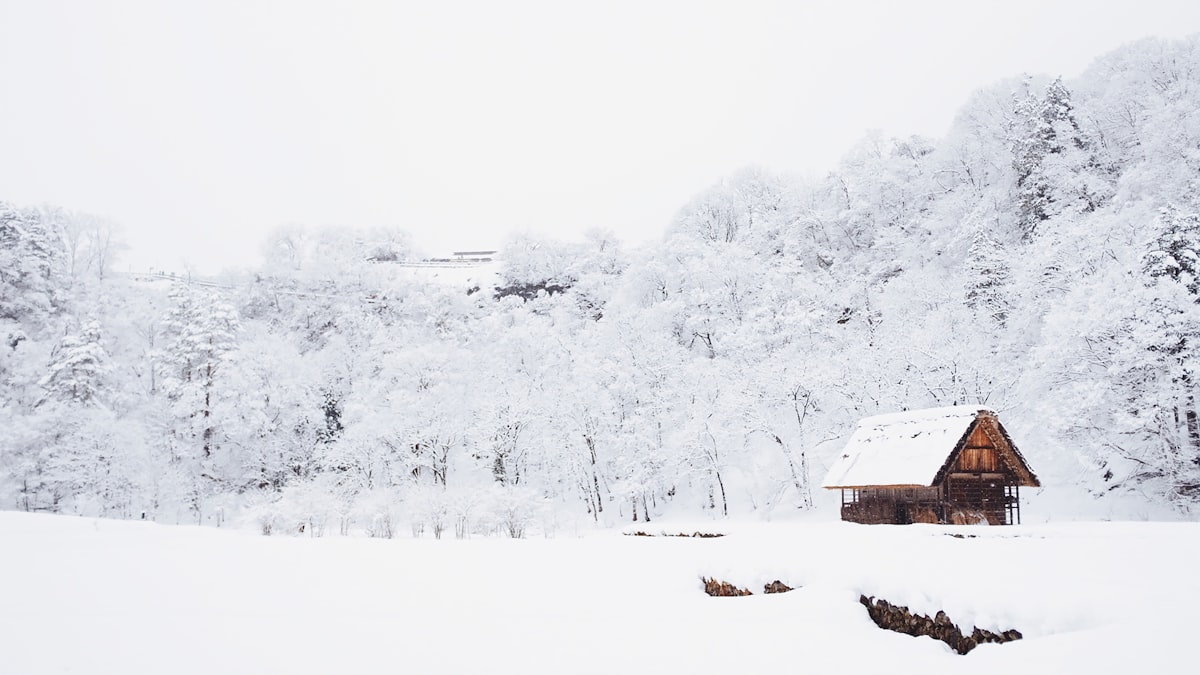
- Shirakawa-go — thatched farmhouses under snow; see Takayama & Shirakawa-go.
- Tokyo & Kyoto — cold but usually snow-light, great for illuminations and quiet temples.
Skiing basics
- Season runs roughly December to March/April; January–February is peak powder.
- Resorts rent gear and offer English lessons — easy for beginners.
- Book snow-season accommodation early — compare on Booking.com .
What to pack
- Warm layers, a good coat, gloves, and grippy footwear for icy pavements.
- Heat packs (kairo) from any konbini are a lifesaver.
- See our full packing list and best time to visit.
Good to know
- New Year (Dec 29–Jan 3) brings closures and busy travel — plan around it.
- Northern regions get serious snow; check transport in bad weather.
- Use luggage forwarding to send ski gear or bags ahead.
What a winter trip typically costs
- Ski resort lift passes run JPY 5,000-8,000/day at major Niseko and Nagano resorts, with multi-day passes offering a modest per-day discount; equipment rental adds another JPY 4,000-7,000/day for a full set.
- Winter illuminations in cities are free to view, though some, like Tokyo’s larger displays, have a designated ticketed section for premium viewing at JPY 500-1,500.
- Onsen ryokan rates in ski towns often run higher in peak January-February powder season than in the shoulder months either side, so booking December or March can mean meaningfully better rates for a similar snow experience.
Common mistakes to avoid
- Assuming Tokyo and Kyoto get heavy snow — both cities get cold but see relatively little snowfall most winters; travelers picturing snowy temple photos should look to Kanazawa, Takayama, or Tohoku instead.
- Underpacking for indoor heat contrast — Japanese buildings and trains run warm indoor heating, so a system of easily removable layers matters more than one very heavy coat.
- Not checking New Year closures — many restaurants, shops, and some attractions close for several days around January 1st; a New Year’s trip needs different research than a normal winter visit.
Combining snow and city in one trip
A popular winter structure pairs 2-3 nights in Hokkaido or Nagano for snow and onsen with the remainder of the trip in Tokyo or Kyoto for illuminations, museums, and indoor culture — giving you both the postcard powder shots and comfortable, less weather-dependent city days.
Beginner skiing and snowboarding notes
Major resorts like Niseko and those around Nagano run English-language lesson programs specifically built for the large number of foreign beginners who visit each winter — a half-day group lesson (roughly JPY 6,000-10,000) is a practical, safe way to try the sport for the first time rather than heading straight to a lift alone.